Categories
Australia

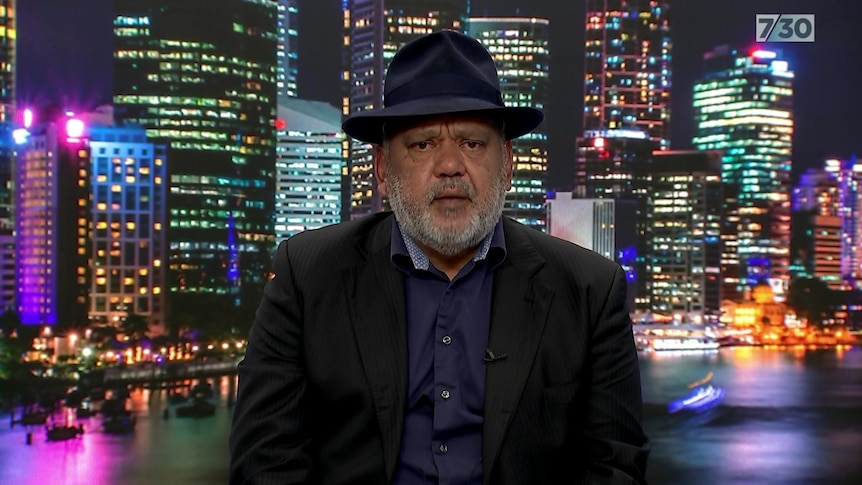
Constitution should recognize Indigenous people as first Australians, says Noel Pearson

The Albanese government’s proposal to enshrine an Indigenous advisory body in the constitution should include words that formally recognize Indigenous people as Australia’s first inhabitants, advocate Noel Pearson says.

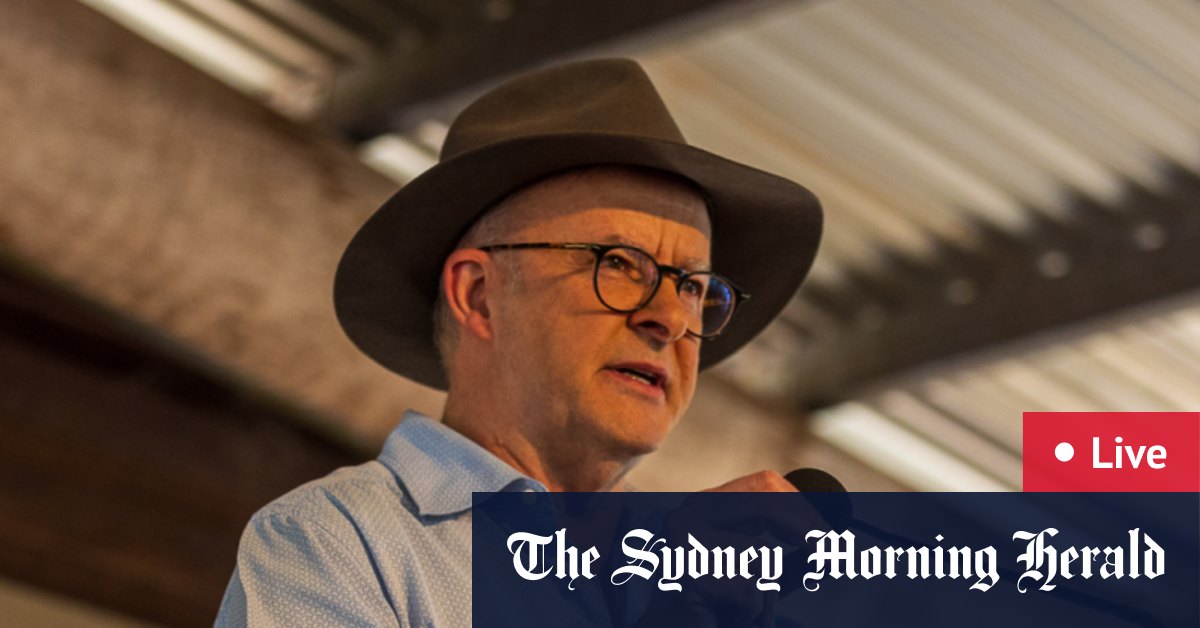
Prime Minister Anthony Albanese outlined the core three sentences of a draft constitutional change in a speech to the Garma Festival of Aboriginal culture on the weekend.

Those three sentences would establish a Voice, with a role of advising the parliament and the executive, with its exact powers to be defined by the parliament in future legislation.

But right before outlining the proposed words, the prime minister said the change would be “in recognition of Aboriginal and Torres Strait Islanders as the First Peoples of Australia”.

Mr Pearson said it was important that those introductory words themselves be written into the constitution, alongside the enshrinement of the Voice.

“I think that they’re important words to retain as a prelude to those … substantive sentences,” he said.

7.30 host Sarah Ferguson asked if that recognition needed to be “spelled out” in a clause of the constitution, or whether it could be sufficiently “implicit” in the creation of the Voice.

But Mr Pearson said again the words of recognition were an important inclusion.

“It would adorn the substantive words,” he said.

Voice proposal ‘constitutionally conservative’ and practical

Anthony Albanese speaks from a podium on a stage at the Garma Festival
Prime Minister Anthony Albanese speaks at the Garma Festival on Saturday.(ABC News: Michael Franchi)

Mr Pearson said the Voice proposal should appeal to “constitutional conservatives” because it respected the primacy of the constitution and the parliament.

“This isn’t a proposition that has its origins in a leftist proposal. And in my view, this is the formula for success, because we need conservative constitutionals and conservatives and Liberals generally, to join this journey to complete the recognition of Aboriginal and Torres Strait Islander people.”

Mr Pearson said he was “extremely moved” by Mr Albanese’s speech at Garma.

“I didn’t know that he could connect with me in that way.” Mr Pearson said.

yin and yang

The Opposition’s shadow attorney-general, Julian Leeser, has left the door open to the Coalition supporting the proposal while calling on the government to release more detail about the body’s role.

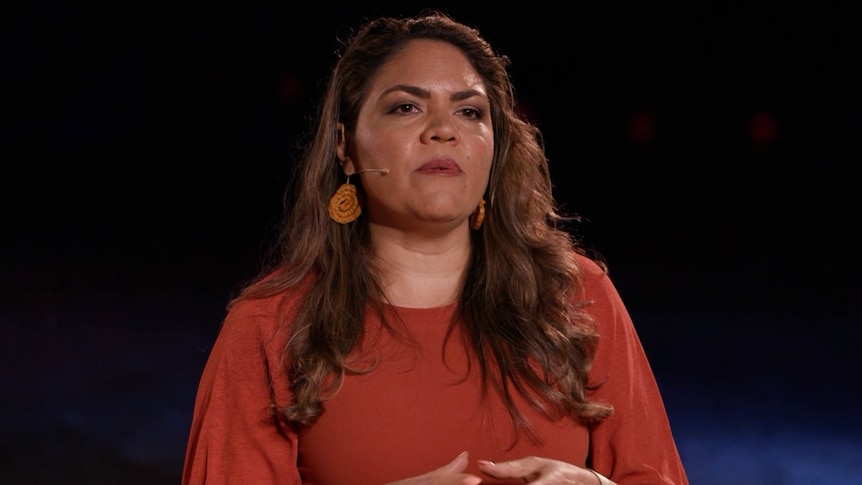
Indigenous Coalition senator Jacinta Nampijinpa Price has called the Voice an exercise in “virtue signaling” over practical action.

.

Categories
Australia

Operation COVID Shield ends as vaccination booster rates stall

The Albanese government has quietly wound up the Operation COVID Shield vaccination program, despite millions of Australians being overdue for their boosters and one-fifth of aged care residents waiting for their fourth doses.

In a letter to state emergency operations leaders on Friday, Operation COVID Shield co-ordinator Lieutenant General John Frewen said the government “has advised that Operation COVID Shield will cease on August 1” with functions returning to the Health Department.

The government has wounded up the COVID-19 taskforce led by commander Lieutenant-General John Frewen.

The government has wounded up the COVID-19 taskforce led by commander Lieutenant-General John Frewen.Credit:alex ellinghausen

“I appreciate your involvement and support in the delivery of Operation COVID Shield and thank you for your assistance during my time as Coordinator General of the National COVID-19 Vaccine Program,” wrote Frewen, who has returned to his post as Defense Chief of Joint Capabilities.

Set up by the former Coalition government after the nation’s vaccination program got off to a slow start, Operation COVID Shield was tasked with ensuring public confidence in the COVID-19 vaccine rollout by overseeing the logistics of vaccine supply and the community messaging. General Frewen’s role circumvented the normal bureaucratic paths and allowed him to deal directly with groups and companies involved in the rollout, meet with state and territory leaders and chief health officers, and report directly to the prime minister.

Prime Minister Anthony Albanese has called a virtual national cabinet meeting to be held on Thursday after Health Minister Mark Butler raised concerns that millions of Australians had “effectively tapped out of the vaccination program”.

loading

Opposition health spokeswoman Anne Ruston accused the prime minister of removing another important COVID-19 measure “with no explanation” after not extending concession cardholders’ access to free rapid antigen tests and hesitating to extend isolation relief payments.

She called on the government to explain “what advice formed the basis of their decision to remove this most effective operation, particularly at a time when we are clearly still focused on vaccination as the primary defense against the current wave of the pandemic.”

A Health Department spokesman said the vaccination program now sat under “the direct oversight” of Secretary Brendan Murphy.

Categories
Australia

2022 Commonwealth Games continue; Indigenous Voice referendum announced; NSW COVID cases grow, Victoria COVID cases grow; ACCC flags gas shortage; foot and mouth disease fears grow

A volunteer-run mutual aid project backed by the Antipoverty Center has stepped in to supply free rapid antigen tests to concession card holders after a federal government program ended on Sunday.

The Ratbag project raised more than $2500 after launching on Twitter last night to ensure that welfare recipients could access RATs without having to sacrifice funds earmarked for food and other essentials.

“Without a RAT many welfare recipients will be forced to choose between leaving home while contagious or losing their poverty payment. Others will choose between food and testing,” Project coordinator Paul McMillan said.

“At a time when Covid cases are peaking and new strains are emerging, we can’t ask people who are already skipping meals, medication and other essentials to bear even more costs… The government continues to let these people down, but the community is stepping up.”

McMillan said the ending of the program was particularly risky for people who had to do activities to get their Centrelink payment, such as those on JobSeeker.

“While living on just $46 a day, those on unemployment payments are forced to leave home to attend activities. A positive COVID test is required to avoid payment suspension when isolating and PCR tests have become increasingly hard to get.”

He said the idea for the project came when Health Minister Mark Butler confirmed the Albanese government would not be extending the free RATs program launched by the previous Coalition government, against the urging of the Australian Medical Association.

McMillan said system outages on Sunday meant that some welfare recipients were unable to access RATs on the last day of the scheme.

The Ratbag mutual aid project takes donations online and distributes RATs to concession and low income health care card holders who register on its website.

Since launching on Sunday, it has also received donation offers from suppliers able to supply the tests in bulk.

People who do not have a concession card because they are unable to access a welfare payment can also submit a request for access to free RATs through the website.

Categories
Australia

Corrs loses $3m in church legal work

When it broke the news, The Australian Financial Review‘s Street Talk column said the decision was “welcomed by a growing cohort of the firm’s lawyers who were increasingly uncomfortable with its work defending the church against child abuse claims”.

Younger lawyers in particular were uncomfortable with the connection and reluctant to do the work, and the firm believed this was also affecting Corrs’ appeal to graduates as it sought to rebrand itself as a top-tier commercial firm.

In the dark: Corrs Chambers Westgarth partner Richard Leder. Justin McManus

While Corrs only did compensation work for the Melbourne archdiocese, in Sydney it handled almost all its legal work, an account that rival law firm chief executives estimated to be worth at least $3 million.

The church was disappointed there was no prior consultation, and dismayed when the firm tried to cherry-pick the work it would do, especially as it has a long-time client in British American Tobacco.

Corrs also kept his partners in the dark, including Richard Leder, the church’s main contact at the firm for child abuse claims for more than 25 years.

Mr Leder was the architect of the Melbourne Response of 1996, the first compensation scheme in the world set up by a church. It is not clear whether he will join Dentons or keep working for the Melbourne archdiocese at another firm. He is unlikely to stay at Corrs.

Mr Digges, the Sydney Archdiocese’s executive director, administration and finance, said the church would “cease all engagement” with Corrs.

“We are thrilled to be partnering with an Australia-wide legal practice that has a trusted reputation of excellence, prudence and probity around the world,” Mr Digges said.

“The Catholic Church in Australia remains committed to continuing responsibility towards survivors of historical abuse, while also providing relief, reassurance and support to all of those currently struggling in society today.

“We would like to thank Corrs Chambers Westgarth for their service over the past 20 years.”

Doug Stipanicev, the chairman of Denton’s Australia, said the firm was “grateful to have demonstrated their suitability and commitment to the role”.

“With the Catholic Church being the country’s largest non-government provider of education, health, aged care and social services, we bring a diverse range of skills and experience needed to support the Archdiocese of Sydney.”

Corrs chief executive Gavin MacLaren has declined to answer any questions about why he asked the church to move all its abuse claims work to other law firms.

The most recent statement put out by the firm last Wednesday said “Corrs continues to act for the Catholic Church” and that “Richard Leder remains a partner at the firm”.

Categories
Australia

Jacinta Nampijinpa Price tells Q+A she probably won’t support a referendum on Indigenous Voice to Parliament

Indigenous Country Liberal senator Jacinta Nampijinpa Price has told Q+A she will “probably not” be working to support a referendum on an Indigenous Voice to Parliament.

On Monday night’s episode, which was pre-taped from Garma Festival and hosted by Stan Grant, Senator Price was asked by an audience member if she would work to support the referendum.

She said there were more pressing issues facing Indigenous communities.

“I’ll be completely honest: there are more pressing issues,” Senator Price said before listing promises about education funding for the Yippinga School in Alice Springs and issues about alcohol making its way back into Indigenous communities.

“I have listened to and spoke to the Yippinga school in Alice Springs,” she said.

“The commitment I made to them if I were to get into government was to build a facility for student and staff accommodation.

“That school looks after Aboriginal kids in the surrounding town camps, and they come from very difficult backgrounds … some of them have to spend a three-hour round trip to go to school.”

Senator Price also said she felt little was being done about alcohol issues in Indigenous communities, describing “rivers of grog” being allowed to flow at present.

loading

“We know that right now alcohol is being let back out into communities, and this is huge,” she said.

“We know that the voices of the organizations that have been speaking out against allowing the rivers of grog back in have said, ‘Please don’t do this.’ but that’s fallen on deaf ears.

“[I’d rather] get the work done. So no, I probably won’t be supporting a referendum.”

The comments would have come as a blow, albeit an expected one, after Prime Minister Anthony Albanese said during the weekend he was willing to take an Indigenous Voice to Parliament to a referendum.

‘Another bureaucracy’

Senator Price had earlier on the show railed against enshrining an Indigenous Voice within the Australian constitution, stating she had misgivings about bureaucratic processes and what would happen if things went wrong once it was in the constitution.

“I don’t feel as though something like this needs to be constitutionally enshrined,” Senator Price said.

“I look at the success of the Gumatj.

“What they have done with their country, the way they educate their young people, have industry up and running—they have their own bauxite mine.

“All those things have already happened and it’s all successfully occurred without the need for enshrining a voice to parliament to do so.

“And my biggest concern with this idea of ​​a constitutionally enshrined Voice to Parliament is it’s another bureaucracy.”

loading

Senator Price then added she believed a Voice would marginalize Indigenous Australians.

“I wouldn’t want to see us divided up along the lines of race in that regard, and I don’t want to continue to pour money into an industry that has been driven on the back of the misery of Indigenous Australians and propping up another bureaucracy,” she said.

“It’s not something new. It’s just enshrining a bureaucracy into the constitution.

“And if there are bureaucracies that have failed and [people] have not been accountable, how are we going to adjust this, which will exist in the constitution and can’t be dismantled should it fail?”

burney hits back

It was an argument that did not sit well with Minister for Indigenous Affairs Linda Burney, who was steadfast in her support for an Indigenous Voice.

“What we are talking about here is a permanent voice that no government can get rid of, that’s why enshrinement is so important,” Ms Burney said.

“And when it comes to another bureaucracy, it is going to be a body that we will consult with — you and everyone else on what it will look like and how it will operate.”

Ms Burney also shot down any suggestion it would not be clear what people were voting for at a referendum.

“The design of the Voice will happen after respectful, extensive consultation with First Nations people and the Australian community,” she said.

“It will happen before the legislation will take place.

“It won’t be me deciding, that would be so wrong, it will be people that we consult with and build a consensus with that we will listen to.

“There will be a lot of information out to the community about what people are voting on. It would be nuts for that not to happen.”

Asked whether it was a concern the proposal could be shot down, Ms Burney said she felt the time was right, backing the PM’s statement: “If not now, when?” She also said she felt both sides of politics were on board.

“We want to build consensus across the parliament, and I am so happy to see Peter Dutton is open to this, David Littleproud is open to this and the Australian people are ready,” she said.

loading

“We wouldn’t be embarking on this exercise if there was not a belief the tide wasn’t with us.”

Treaty became like ‘writing in the sand’

However an Indigenous Voice has been floated before and independent Member for Mulka, NT and Yolngu elder Yiniya Mark Guyula remembers when treaty was discussed in the 80s.

Now a politician, something he admitted he did not love being, he said Aboriginal people were more than ready.

“My people here in the East Arnhem land have been ready for a long time,” he told Grant when asked by the Q+A host.

“We have been ready for a long time, because I can talk about the example of the 1988 Barunga petition.

“There were two land councils…. that brought all our elders from both Center and from the East, we were ready for the recognition of our Indigenous identity, but the government wasn’t ready.

“All their promises about ‘there will be treaty’, and that echoed all along and nothing ever happened.

“At that time, it was a new promise that we had got and everybody was happy, but as time went on we waited and waited and waited, and it became like writing in the sand.

“We are ready for this one.

“If that referendum was called now, we would be gathering our people and we would go for it, go for it as soon as we could.”

.

Categories
Australia

Baby with heart failure among thousands waiting on critical surgery in Victoria

A three-month-old baby has had her critical heart surgery scheduled and canceled four times in the last two weeks.

Amelia Rehn was born with congenital heart failure in Melbourne and first had surgery to implant a stent at just two-days-old.

Her wearied parents Brad and Jessica are from Tasmania and have been unable to take their baby girl home as she needs another surgery at the Royal Children’s Hospital to give Amelia a bigger stent.

Amelia Rehn was born with congenital heart failure in Melbourne and first had surgery to implant a stent at just two-days-old. (Nine)

“We are tired and exhausted and we have nothing left in the tank,” Jessica told 9News.

“We are waiting day by day and waiting to see when we can go home.”

At the end of March, 89,000 people were waiting for elective and critical surgery in Victoria.

Baby Amelia has joined them.

“There are not enough beds and the system is broken and there is no room,” Jessica said.

“It’s awful, she is sick enough to be in the hospital but not sick enough to need emergency surgery.”

Victoria’s chief health officer Brett Sutton said the state had passed the peak of the BA.4 and BA.5 wave.

Victoria’s chief health officer Brett Sutton however said the state had past the peak of COVID-19. (Nine)

But the current surgery back-log is due to the thousands of healthcare workers home sick with COVID-19.

“I understand the relief but pressures on the health system will remain for some time to come,” Sutton said.

The subvariants and mutations of COVID-19

Half of the 773 Victorians in hospital with COVID are over 75 and almost one in 10 new cases has been infected before.

Sutton said vulnerable people should focus on wearing masks and getting their third and fourth COVID-19 vaccinations.

Categories
Australia

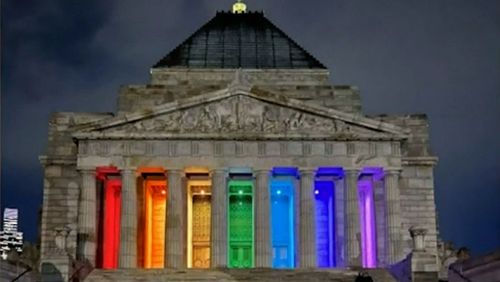
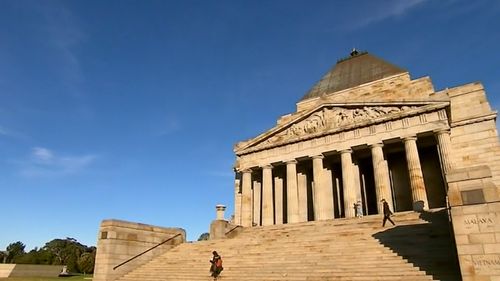
Rainbow lights canned at Melbourne’s Shrine of Remembrance

melbourne‘s Shrine of Remembrance will no longer be lit up in rainbow colors, after staff received a tirade of hateful abuse.

The solemn shrine, a striking symbol honoring the sacrifice of everyone who has served, was set to be bathed in rainbow light as a celebration of LGBTIQ+ personnel in the armed forces.

But plans for the colorful display on Sunday have now been canceled after staff received “sustained abuse and threats”.

Melbourne's Shrine of Remembrance will no longer be lit up in rainbow colours, after staff received a tirade of hateful abuse.
Melbourne’s Shrine of Remembrance will no longer be lit up in rainbow colours, after staff received a tirade of hateful abuse. (9News)

“If we’d served they would have been celebrating us, instead they’re condemning us because of our sexuality,” Shrine CEO Dean Lee told 9News in a statement.

“We have seen something of what members of the LGBTIQ+ community experience every day. It is hateful.

“In the interests of minimizing harm, we have given this matter careful consideration.”

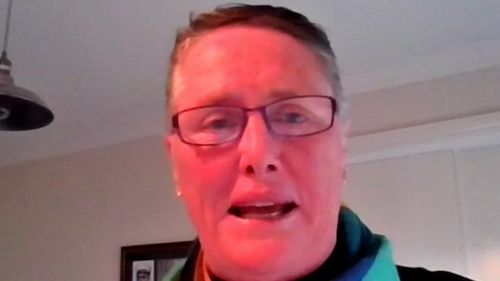
Yvonne Sillett from the Discharged LGBTQIA+ Veterans Association.
Yvonne Sillett from the Discharged LGBTQIA+ Veterans Association said she was “shattered” by the decision (9News)

Yvonne Sillett of the Discharged LGBTQIA+ Veterans Association said she was “shattered” by the decision.

“It meant so much to me as a gay veteran but I think for the whole community, it’s something which no war memorial has ever done,” she told 9News.

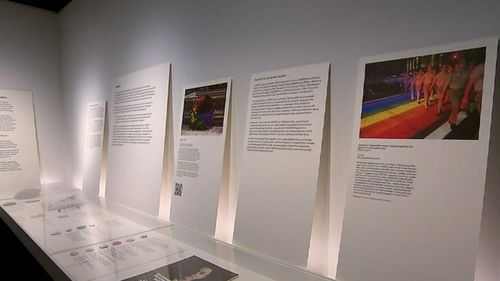
The colorful display would have coincided with a special last post service at dusk and the opening of a new exhibit Defending with Pridewhich includes stories from past members like Yvonne Sillet.

Melbourne's Shrine of Remembrance will no longer be lit up in rainbow colours, after staff received a tirade of hateful abuse.
The colorful display would have coincided with a special last post service at dusk and the opening of a new exhibit Defending with Pride (9News)
Melbourne's Shrine of Remembrance will no longer be lit up in rainbow colours, after staff received a tirade of hateful abuse.
The ban on gay and lesbian personnel was only lifted in 1992 by the Keating Government (9News)

She was discharged in 1988 after what she says was a witch hunt because of her sexuality.

“I was angry for many, many years so the rainbow lighting tomorrow night was going to be, finally the world can see, or Melbourne can see, we did have in out military members from the LGBTQI community,” Yvonne said.

The ban on gay and lesbian personnel was only lifted in 1992 by the Keating Government but 30 years on, these lights would have been a first at any war memorial around the country.

Melbourne's Shrine of Remembrance will no longer be lit up in rainbow colours, after staff received a tirade of hateful abuse.
The special last post service will still go ahead, with the Pride flag set to be raised during the service – the first time a rainbow flag will ever have been raised at the Shrine (9News)

“We haven’t been recognised. Recognition for us has been absent, or really underrepresented,” Yvonne said.

The special last post service will still go ahead, with the Pride flag set to be raised during the service – the first time a rainbow flag will ever have been raised at the Shrine.

And Monday’s exhibition will also open as planned.

Categories
Australia

Jobseeker payments: I was a banker, now I’m on welfare

As someone who has spent most of his life working full-time and paying taxes, I’m aware that it’s hard for people with a regular income to understand what it’s like to survive on a shoestring budget. Living on Jobseeker involves hard choices. These are between healthcare or food, shelter or utilities, and other fundamentals. It’s not enough to assist people to find employment. A hungry or unwell applicant will not perform well at an interview, or undertake an aptitude test. Most recruiters now use online testing for reasoning, problem-solving and basic literacy and numeracy. Transport fares or running a vehicle is a huge impost.

loading

Some people argue if Jobseeker increases there will be a disincentive for people to seek employment. This is a nonsensical view. The current maximum rate is about 40 per cent of the minimum wage. It is below the two most widely used poverty lines. Even if Jobseeker were doubled it would still be well below the minimum wage.

We are a wealthy nation, and the burden of economic repair should not be carried by the lowest income households in our country. It makes no sense on moral, ethical or humanitarian grounds. It also makes no economic sense.

Increasing Jobseeker will improve the quality of life of recipients in that they would be able to buy food, including fresh fruit and vegetables, boosting sales for Australian businesses and farmers. By contrast, higher income earners receiving the tax cuts set to go ahead in 2024 are likely to spend more of that on discretionary goods, such as cars, electronics and higher-end merchandise. As we do not make those items here, the winners will be the shareholders in Tokyo, Seoul, Shanghai, New York and London.

If that money was redirected to those on income support, more of that money would remain here. The evidence was clearly demonstrated during COVID when Jobseeker and Youth Allowance were temporarily boosted.

Prime Minister Anthony Albanese told us the new Labor government would not leave anyone behind, yet he and ministers have indicated that Jobseeker will not be increased or reviewed in the first budget. As the cost of just about everything rises, how are those struggling not being left behind?

For the unemployed, every dollar counts, and any rise is welcome. But to enable the impoverished to live with dignity, the Jobseeker payment should be increased to about $80 per day.

Categories
Australia

RAC survey reveals Western Australia’s riskiest roads where motorists fear driving the most

The risky WA roads motorists fear the most have been revealed, with Farrall Road in Midvale — the scene of a horrific accident where a 15-year-old boy was killed as he waited to cross the road with his friends — topping the list.

The road where Kayden McPhee was struck by a drunk driver in 2018 was identified as the city’s most dangerous by respondents to an RAC survey.

Kayden McPhee.
Camera IconKayden McPhee. Credit: Supplied by family/SUPPLIED
Your local paper, whenever you want it.

The 48-year-old driver Biju Paulose pleaded guilty to a string of charges, including unlawfully killing Kayden, dangerous driving occasioning grievous bodily harm under the influence of alcohol and failing to stop to render assistance.

Kayden was taken to hospital but died nine days later from head injuries after his family made the decision to switch off his life support. His 16-year-old friend of him suffered life-threatening injuries and a 12-year-old was lucky to escape unscathed.

Orton Road, Byford, the scene of another fatal smash in 2020, also made the list for its poor road surface quality and lack of traffic separation.

A 26-year-old man was killed when an Acco rubbish truck collided with the Holden Commodore sedan he was driving near the intersection of Orton and Hopkinson Roads.

Farral Road.
Camera IconFarral Road. Credit: Stewart Allen/RAC

At the time, it was the second crash at the same intersection in two weeks, with locals labeling it a “death trap” on social media.

The RAC survey received more than 10,000 nominations from residents identifying streets and intersections in desperate need of safety upgrades.

Mitchell Freeway.
Camera IconMitchell Freeway. Credit: Stewart Allen/RAC

RAC General Manager External Relations Will Golsby said the survey shone a spotlight on safety issues that were often overlooked.

“Driving or cycling to work shouldn’t be a stressful or dangerous experience, but unfortunately that’s the reality for many in Perth,” he said.

“This survey result shows there’s an urgent need for safety treatments across metropolitan Perth.

Neaves Road.
Camera IconNeaves Road. Credit: Stewart Allen/RAC

“There are some great opportunities for low-cost intersection upgrades and better walking and cycling paths.”

Other city roads to appear in the top 10 risky roads include Mitchell Freeway southbound in West Perth, the scene of a smash in December last year that killed one person, injured two others, and led to hours of gridlock.

Respondents also slammed the confusing layout of the Canning Highway interchange on Kwinana Freeway southbound.

The regional road considered WA’s riskiest was the stretch of South Western Highway between Bunbury and Walpole — also picked up in a previous survey — criticized for its narrowness, tight curves and blind crests and lack of overtaking opportunities.

The intersection of Marmion Avenue and Seacrest Drive in the beachside suburb of Sorrento topped the list of Perth’s riskiest road junctions, with residents calling for traffic lights or a roundabout.

Marmion Avenue and Seacrest Drive.
Camera IconMarmion Avenue and Seacrest Drive. Credit: Stewart Allen/RAC

An intersection in Albany, between Albany Highway and South Coast Highway was named worst in the regions.

Mr Golsby said the RAC would work with government and road safety agencies to find solutions to ultimately reduce the impact of road trauma.

“Someone is killed or seriously injured on our roads every five hours,” he said.

“That’s why the feedback from this campaign is so important – it will continue to amplify our calls for safer roads across Perth.”

Road Safety Commission figures show there have been 80 deaths on WA roads in the past 12 months.

WA’s top 10 risky roads

1. Farrall Road, Midvale

2. Mitchell Freeway (southbound), West Perth

3. Neaves Road, Banksia Grove to Bullsbrook

4. Orton Road, Casuarina to Byford

5. Kargotich Road, Oakford

6. Kwinana Freeway (southbound) Canning Hwy interchange

7. Thomas Road, Casuarina to Byford

8. Flynn Drive, Carramar, Neerabup

9. Mundizong Road, Baldivis to Mundizong

10. Walter Place, North Fremantle

.

Categories
Australia

Criminal prosecutor calls for overhaul of sex education

“It’s very human to kind of want a concrete, tangible solution to something and be able to say, ‘here’s this step we’ve taken, it’s in the curriculum now,” Ms Marson said.

“But comprehensive relationships and sexuality education take so many different moving parts moving in unison to be delivered effectively. There’s no point producing curriculum if the teacher in front of the classroom doesn’t feel confident or isn’t trained to deliver that curriculum.

“It doesn’t work if it’s just a one-off lesson once a year, or if it gets crammed into something because the teaching staff isn’t competent or they don’t have enough time for it or they are concerned there might be backlash from parents.”

The author (her book on the topic, Legitimate Sexpectations is released this week) pointed to the Netherlands as the world leaders in what such education should include, saying it was incorporated into curriculum early and involved learning how to recognize certain feelings and how to respond to them.

This could include playing with different textures in kindergarten and verbalizing how they physically felt to touch, she said, noting that many negative sexual experiences arose when people felt unable to speak up about their feelings.

She also pointed to Germany as a world leader, with the government there setting up infrastructure within its health department to position relationships and sexual education as a wellbeing and public health issue.

Having subject matter experts teach aspects of the programs could also help improve effectiveness, she said, with some successful programs involving getting external providers to teach dedicated days of relationship education.

Ms Marson said pushback from parents was often a barrier to developing meaningful sex education programs, but that parents and carers needed to accept that they also had a responsibility for helping develop children’s understandings of consent.

“It’s a collective responsibility and we need to shift our perspective to see that young people are actually entitled to this [education].

“We recognize that they have a right to learn how to drive and swim and all these other skills that they need to live a safe and fulfilling life, but then we deny them this. So, we can debate how we go about fulfilling that right, but unless we do so we are just letting them down and I just can’t see how we can justify that.”

She added that curriculum commitments were still helpful to give schools “some kind of mandate”, noting the countries she visited with the most advanced sex education programs all had political mandates backing their development.