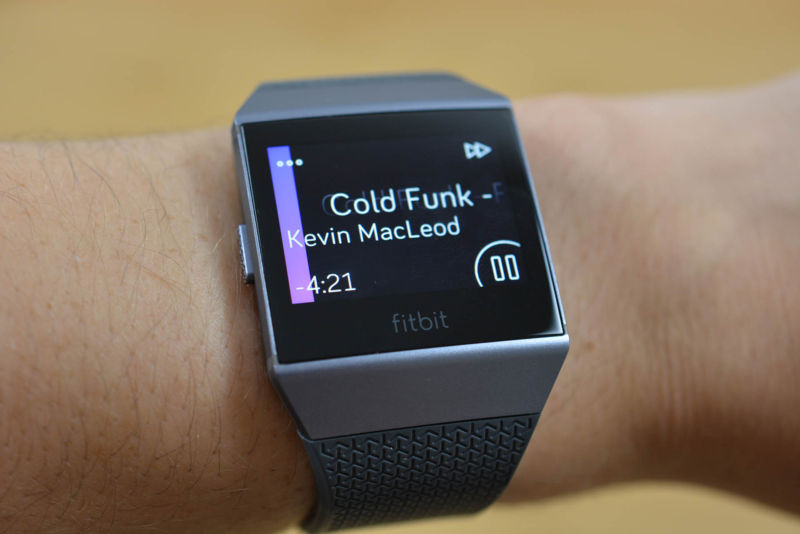
Enlarge / The Fitbit Ionic currently lets you download music to the device.
Valentina Palladin
Fitbit owners who like to sync their fitness tracker with a computer to enable offline listening of downloaded music without a monthly fee will soon need to change their approach.
As spotted by 9to5Google on Saturday, Fitbit will no longer allow users to sync their devices over a computer starting in October.
“On October 13, 2022, we’re removing the option to sync your Fitbit device with the Fitbit Connect app on your computer,” a Fitbit support page reads. “Download and use the Fitbit app on your phone to sync your device.”
The Fitbit Connect desktop software lets you transfer music from your computer to the wearable if you have a supporting watch. Newer devices, like the Fitbit Sense and Versa 3, cannot store downloaded music.
After October, owners of older Fitbits, like the Fitbit Versa and Versa 2, will also have to rely on subscriptions to not-so-popular services for offline music. “After the Fitbit Connect app on your computer is deactivated, you can continue to transfer music to your watch through the Deezer app. Customers in the United States can also use the Pandora app,” Fitbit’s support page says.
Deezer and Pandora both require monthly subscriptions for music downloading and offline listening, with fees starting at $10 per month after any eligible trial periods.
Remember, Fitbits still don’t let you add music you’ve downloaded through streaming services, though you can control music on your smartphone with a Fitbit.
The new limitation shouldn’t last forever. When Google acquired Fitbit in 2021, the fitness tracker company confirmed that Fitbits running Google’s Wear OS are on the way. Wear OS has offline support for subscribers to Spotify Premium and YouTube Music.
The death of the Fitbit Connect desktop app will mean that Fitbit wearers who have managed to avoid the brand’s mobile app have fewer options. An increasingly subscription-focused marketplace has been coming for a long time now. Fitbit Connect is still downloadable on Windows 10 and Mac OS X, but the company says the Fitbit app for iPhone and Android provides the “best experience.”
For now, you can still download and listen to music from your Fitbit; you just won’t be able to add more songs after October.
Grease star Eddie Deezen has been branded a danger to society and been put in the care of health officials as his sad spiral continues.
Deezen, 65, was on Monday found incompetent after allegedly burglarizing a nursing home in April.
A commitment order obtained by TMZ deemed the actor who played Rydell High nerd Eugene Felsnic in the iconic film is unable to stand trial because of an unspecified mental disorder.
He has been transferred to the Maryland Department of Health for treatment.
The document reportedly states that the actor, who played Felsnic in the 1978 movie musical and its 1982 sequel, poses a “danger to himself and others around him.” He will stay in the health department’s care until the court believes he is no longer a threat.
Deezen was arrested in Maryland on April 9 for burglary, two counts of trespassing and disturbing the peace, his inmate record, seen by Page Six, showed at the time.
However, prosecutors reportedly changed the charges to assault and disorderly conduct.
Police alleged to TMZ that Deezen had forced his way into a privately owned nursing facility and refused to leave. He also allegedly tried to break into a patient’s room before being kicked out and arrested on the property.
Deezen was previously arrested in September 2021 at a Maryland restaurant after allegedly throwing plates and food at police officers.
He was charged with second-degree assault, disorderly conduct and trespassing for that rampage.
Before that, Deezen found himself involved in another incident at an eatery where he was accused of harassing a waitress after detailing his infatuation with her via Facebook.
“Eddie Deezen is af***ing CREEP who comes into my work at least once a week, calls and asks other servers for my schedule, and if he comes in and I’m not wearing makeup HE LEAVES,” the waitress, Kara Lashbaugh, wrote on Twitter in June 2021 with screenshots of Deezen’s all-caps posts about her. “And this grown-ass old man has the balls to post this on Facebook about me I’m losing my mind.”
Deezen played several other nerd character roles in a handful of films in the late 1970s and early 1980s before launching a successful second phase of his career as a voice actor.
His notable characters include the Know-It-All Kid in The Polar Express, Snipes the Magpie in Rock-a-Doodle and Ned in Kim Possible.
This article was originally published by the New York Post and reproduced with permission
National flags of Ukraine and the US fly at a compound of a police training base outside kyiv, Ukraine, May 6, 2016. Picture taken May 6, 2016. REUTERS/Valentyn Ogirenko
Register now for FREE unlimited access to Reuters.com
Register
Aug 8 (Reuters) – The United States will provide an additional $4.5 billion to Ukraine’s government, bringing its total budgetary support since Russia’s February invasion to $8.5 billion, the US Agency for International Development said on Monday.
The funding, coordinated with the US Treasury Department through the World Bank, will go to the Ukraine government in tranches, beginning with a $3 billion disbursement in August, USAID, the Agency for International Development, said.
It follows previous transfers of $1.7 billion in July and $1.3 billion in June, USAID said. Washington has also provided billions of dollars in military and security support. The Pentagon announced a $1 billion arms aid package on Monday. read more
Register now for FREE unlimited access to Reuters.com
Register
Overall, the United States has contributed more than $18 billion to Ukraine this year.
The new budgetary funds are to help the Ukrainian government maintain essential functions, including social and financial assistance for the growing poor population, children with disabilities, and millions of internally displaced persons, as the war drags on.
Ukrainian officials estimate the country faces a $5 billion-a-month fiscal shortfall – or 2.5% of pre-war gross domestic product – due to the cost of the war and declining tax revenues. Economists say that Ukraine’s annual deficit will swell to 25% of GDP, compared with 3.5% before the conflict.
The World Bank estimates that 55% of Ukrainians will be living in poverty by the end of 2023 as a result of the war and the large numbers of displaced persons, compared with 2.5% before the start of the war.
USAID said US budget support has enabled the Ukrainian government to keep gas and electricity flowing to hospitals, schools and other critical infrastructure and deliver urgently needed humanitarian supplies to citizens.
The funds have also paid for healthcare workers, teachers and other civil servants.
USAID said robust safeguards had been put in place by the World Bank, along with USAID-funded, third-party watchdogs embedded within the Ukrainian government to make sure the funds are directed where they are meant to go.
“This economic assistance is critical in supporting the Ukrainian people as they defend their democracy against Russia’s unprovoked war of aggression,” US Treasury Secretary Janet Yellen said in a statement provided to Reuters.
The injection of fresh cash for Ukraine comes as the war, which Russia calls “a special military operation,” stretches into a sixth month, with millions of displaced Ukrainians and authorities warning of likely gas shortages in winter.
Register now for FREE unlimited access to Reuters.com
Register
Reporting by Andrea Shalal; Editing by Heather Timmons and Howard Goller
Our Standards: The Thomson Reuters Trust Principles.
Netflix’s entry into the gaming market is off to a slow start. According to an analysis performed by Apptopia on behalf of , the streaming giant’s games have been downloaded a total of 23.3 million times and average about 1.7 million daily users. Put another way, less than one percent of Netflix’s 221 million customers are taking advantage of the games included in their subscriptions.
Netflix did not immediately respond to Engadget’s request for comment. In the past, the company indicated it did not expect its gaming division to be profitable immediately. “We’re going to be experimental and try a bunch of things,” Netflix COO Greg Peters told investors during the company’s fourth-quarter earnings calls last year.
Still, the question that’s probably on everyone’s mind is how long Netflix is willing to wait to see if it made the right bet, especially after it during its most recent quarter. Other lofty bets — like the company’s in-house fan blog, Tudum — were the subject of cutbacks after only a few months of spending.
The company has shared precious few details on how much it has spent expanding its portfolio beyond TV shows and movies, but most signs point to a significant investment. Earlier this year, the company paid $72 million to , the studio behind Stranger Things: Puzzle Tales. More recently, it secured exclusive mobile rights to beloved indie titles like Spiritfarer and . The company is unlikely to make similar investments in the future if its current ones don’t pan out.
All products recommended by Engadget are selected by our editorial team, independent of our parent company. Some of our stories include affiliate links. If you buy something through one of these links, we may earn an affiliate commission.
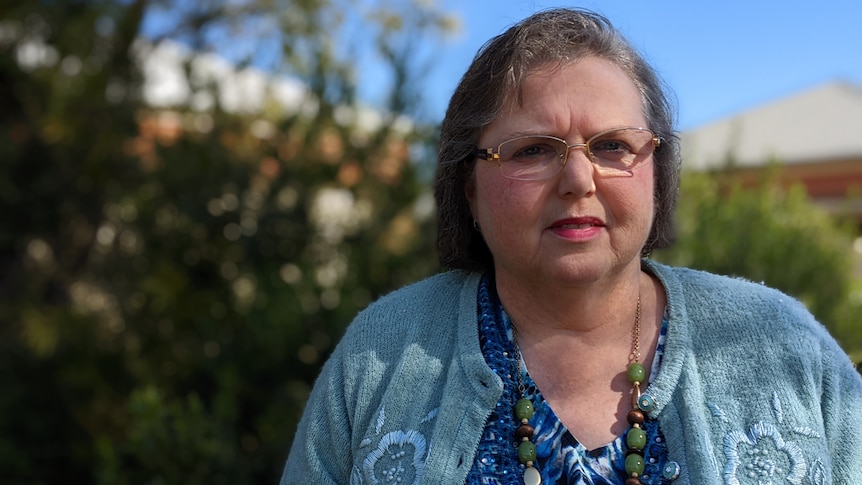
Pauline Follett has been struggling to get on the National Disability Insurance Scheme (NDIS) for three years and is “frustrated” with the health system.
The 54-year-old has been living with cerebral lupus for nearly 30 years and depends on her disability pension as her main source of income.
Lupus can damage nerves in the body through inflammation of nerves or the tissues surrounding them.
The condition affects Ms Follett’s balance, which makes it difficult for her to walk and do tasks such as cooking, cleaning and driving.
She lives by herself in Gol Gol, in far west New South Wales, and has limited support.
“It becomes very difficult when you become too unwell to stay in one’s home. You have to have support when you’re disabled,” Ms Follett said.
Pauline Follett lives on the border between Victoria and New South Wales.(ABC NewsRichard Crabtree)
The first time she applied for NDIS, she said the assessors focused “on the wrong thing”, that she lives with osteoporosis rather than lupus.
The second time Ms Follett applied, she said she was told her specialists could do more for her.
The support she receives is from a local disability service provider, but only includes assistance with transportation and cleaning.
And that support is not guaranteed, as Ms Follett is reassessed for it every six weeks.
That has meant she has made nearly 30 applications over the past three years to maintain the help.
“It’s all up in the air, all the time … You’re not guaranteed, it’s very tiring,” she said.
“You have to be on the ball all the time, which is difficult when you’re ill.”
Uncertainty exacerbates condition
She likes living in her own home but without the right help, she believes she could be forced to leave and fears being unable to find stable aged care accommodation, which would put her at risk of homelessness.
Pauline Follett hopes to get NDIS support after being rejected twice.(ABC NewsRichard Crabtree)
“Item [aged care] is difficult to get here. It’s not as readily available to us, so to have something like that. It’d be very hard to access,” she said.
Ms Follett said the uncertainty of NDIS providing support had affected her mental health, which had taken a toll on her physically.
“I’m very stressed, and with my lupus, stress is something that exacerbates my condition, so it makes it worse,” she said.
Ms Follett is not alone in finding access to services difficult.
Calls on government to do more
Disability Advocacy NSW released The Aussie Battlers report to the ABC, detailing issues people living with disabilities face in rural, regional and remote (RRR) NSW.
It showed 61 per cent of cases in RRR areas had difficulties meeting evidence requirements due to limited accessibility of service providers.
In RRR NSW, 73 per cent of people reported their service accessibility as poor or very poor.
Disability Advocacy NSW policy officer Cherry Baylosis said the results were not surprising.
Cherry Baylosis contributed to The Aussie Battlers report.(ABC Broken Hill: Youssef Saudie)
“It is concerning when I confirmed these experiences persist despite some of the efforts that were made,” Dr Baylosis said.
She is calling on the government to involve people with disabilities in policymaking.
“At the very least to have consultations with people with disabilities who live in remote areas for better engagement and participation, and then developing considerations within policy based off that,” she said.
“I would like policy to take into consideration the complexities of people with disability living in regional, rural and remote areas to consider the complications — such as the cost of living with a disability.”
Delays from service providers
There are 750 NDIS recipients in far west New South Wales as of June 30, but far west NSW Disability Advocacy district manager Eveleen May said there would be a “lot more” people who were in need of assistance.
She said a lack of healthcare workers and their retention in the region was a contributing factor.
“Doctors find themselves in a position of not having enough time to actually write up a very strong report to help a person access the scheme,” she said.
The research found that due to limited services for participants in RRR, it takes 2.4 times longer to resolve a matter compared to those in metropolitan areas.
Sometimes the delay is due to difficulties in obtaining evidence.
“We have doctors come and go and not often stick around for a long period of time, and we hear from our clients the waiting lists can be quite lengthy,” she said.
Eveleen May says the further west people with disabilities live in NSW, the greater the issues they face.(Supplied: Eveleen May)
Ms May said the further west you traveled into NSW, the greater the financial and service issues were.
“Broken Hill has very much of an aging population, and a high number of Aboriginal people who have a disability too,” she said.
All Pauline Follett wants is to stay in her home with ease as she applies for NDIS the third time.
“I have a permanent disability, and I’m not going to get any better. If I don’t get this service, well, then I’m on my own, and that stresses me out a lot,” she said.
NDIA acknowledges ‘need to improve’
A National Disability Insurance Agency (NDIA) spokesperson said they empathised with Ms Follett’s situation. They said services had “a strong focus on connecting Australians with a disability to local supports”.
NDIA says they will continue to work with government for people in rural and regional areas.(AAP)
“The agency acknowledges the need to continue to improve the NDIS so that it works for everyone,” they said.
“This includes addressing the historical challenges faced by people with disability in finding support services in rural and remote areas, including parts of far western New South Wales.
“The NDIA will work proactively with the government to work through issues for people in rural and regional areas accessing the scheme.”
Police: 6-year-old critical, man dead, 4 more hurt in shooting during baseball game at Atlanta park
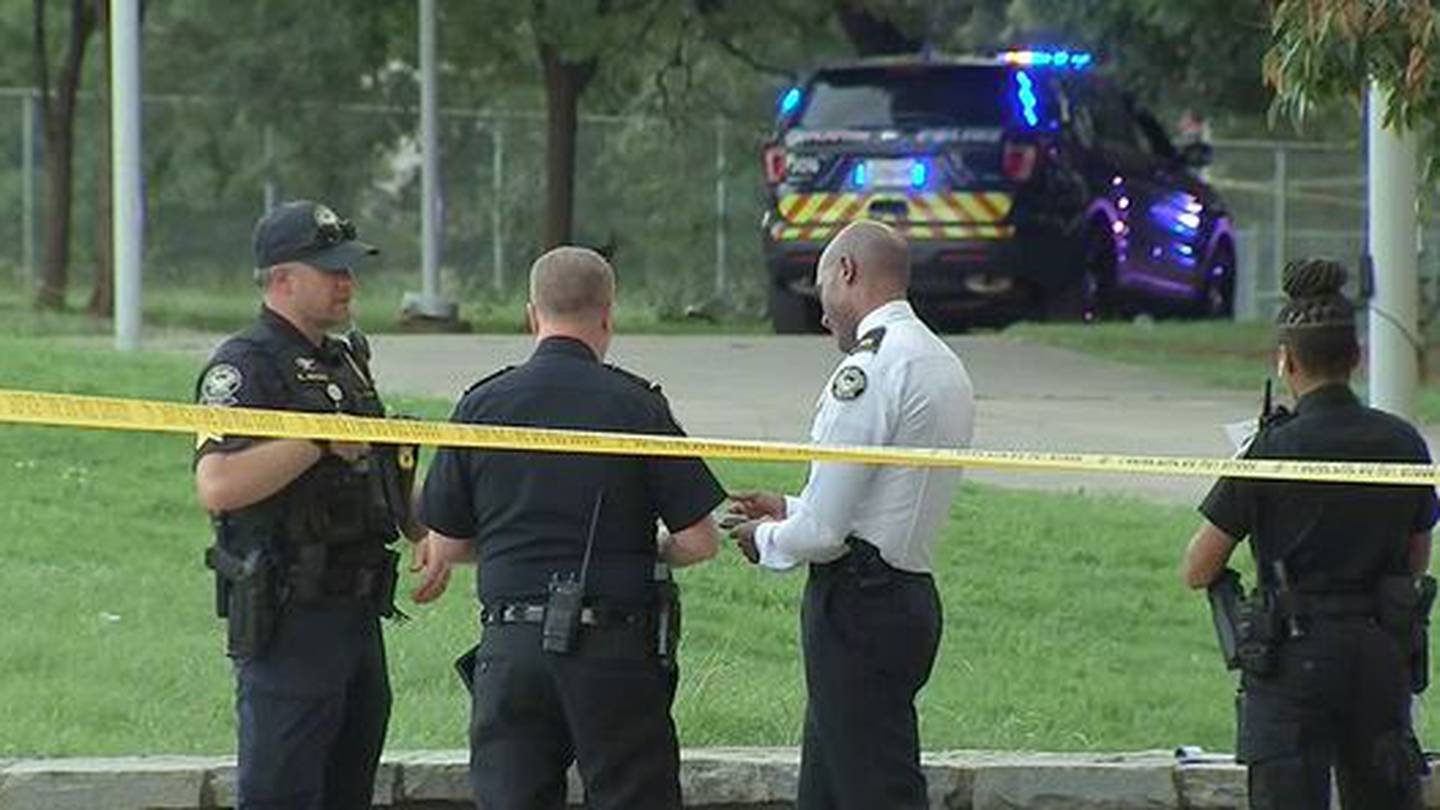
ATLANTA — Atlanta police are investigating a shooting that left two people dead and four others, including a child, wounded at an Atlanta park.
The shooting occurred at the Dunbar Recreational Center inside Rosa L. Burney Park on Windsor Street around 7 pm
[DOWNLOAD: Free WSB-TV News app for alerts as news breaks]
APD Deputy Chief Charles Hampton Jr. says there was a baseball or softball game occurring when an argument broke out, ending with shots fired.
When they arrived, officers found multiple people shot.
TRENDING STORIES:
A man in his 30s was transported to Grady Memorial Hospital, where he died from his injuries.
Another woman died Monday, according to police.
A 6-year-old child was also taken to Children’s Healthcare of Atlanta – Egleston Hospital and remains in critical condition.
[SIGN UP: WSB-TV Daily Headlines Newsletter]
The other four victims are stable.
Anyone with information about the shooting is asked to contact 911, Atlanta Police Homicide unit at 404-546-4235 or Crime Stoppers at 404-577-8477.
IN OTHER NEWS:
Bus driver shortages could lead to delays for DeKalb students’ first day of school Parents received an email Sunday morning saying bus driver shortages could impact how long it takes their kids to get to school.
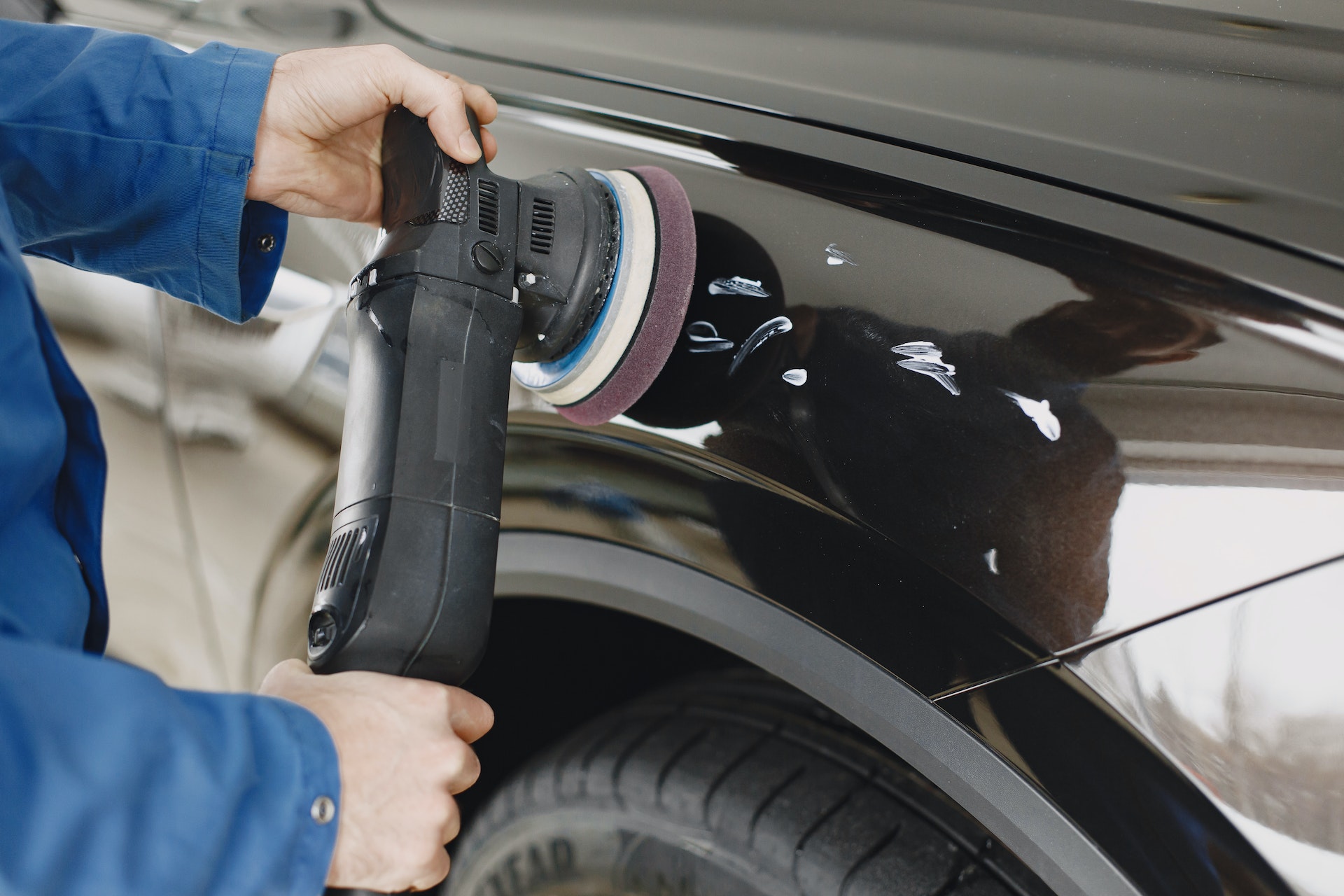
ULSAN, South Korea — A new transparent coating can actually get rid of those ugly scratches in your car after just 30 minutes, scientists reveal. A team in South Korea says the protective material “self-heals” damaged surfaces using nothing but sunlight!
Until now, researchers say it’s been difficult for manufacturers to create a coating that’s colorless, transparent, and has a high level of durability. The new material fills all of those needs, according to Dr. Jin Chul Kim, Dr. Young il Park, and Dr. Ji-Eun Jeong of the Korea Research Institute of Chemical Technology (KRICT).
“The developed technology is a platform technology that synthesizes self-healing coating materials using both inexpensive commercial polymer materials and photothermal dyes. It is expected to be widely used not only in automotive clearcoats but also in various applications,” says Dr. Jin Chul Kim in a media release.
To examine their invention’s performance, researchers coated a lab-scale model of a car using a spray-coating machine. The team then exposed the scratched car to midday sunlight for a half-hour. Results reveal that the scratches completely disappeared, with the surface of the coating material fully restored.
Self-healed surface of a model car after scratching when exposed to focused sunlight with a magnifying glass (upper) or to sunlight directly (down). CREDIT: Korea Research Institute of Chemical Technology (KRICT)
How does the coating work?
When the material absorbs sunlight, its surface temperature rises as light energy turns into thermal energy. The higher temps make it possible for the self-healing to begin through the dissociation and recombination of chemical bonds in the surface polymers.
Study authors combined a commercial coating resin with a dynamic chemical bond (Hindered urea structure) that allows this process to occur. They also mixed it with a transparent photothermal dye, so the chemical bonding starts after exposure to sunlight.
Although this is not the first time scientists have experimented with photothermal dyes, previous studies mainly used inorganic materials that are hard to apply industrially while maintaining a clear and transparent color. Moreover, study authors say inorganic materials need more light energy to trigger a photothermal effect than their urea coating does.
The team also used transparent organic photothermal dyes that absorb near-infrared light. This type of light consists of long-wavelength energy and accounts for less than 10 percent of natural sunlight.
Researchers add that there are several perks to using organic photothermal dyes in commercial coatings. These include not affecting the product color, easily blending with various types of paints, and being generally cheap to use.
Aside from repairing car surface, study authors say this new coating can become a protective material for mass transit vehicles, electronic devices like smartphones, and even buildings in the future. Since the material uses fewer harmful organic solvents, the team says their invention would likely be carbon neutral, unlike repainting a scratched vehicle.
Self-healing mechanism of eco-friendly protective coating material for vehicles including dynamic polymer network and photothermal dye. CREDIT: Korea Research Institute of Chemical Technology (KRICT)
The study is published in the journal ACS Applied Polymer Materials.
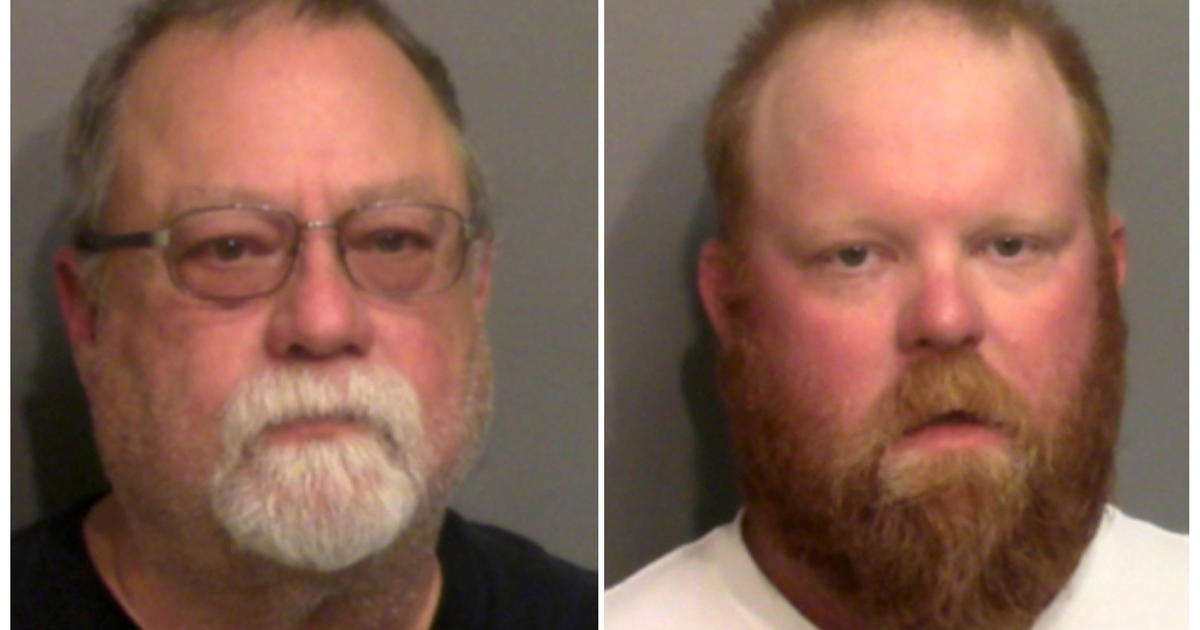
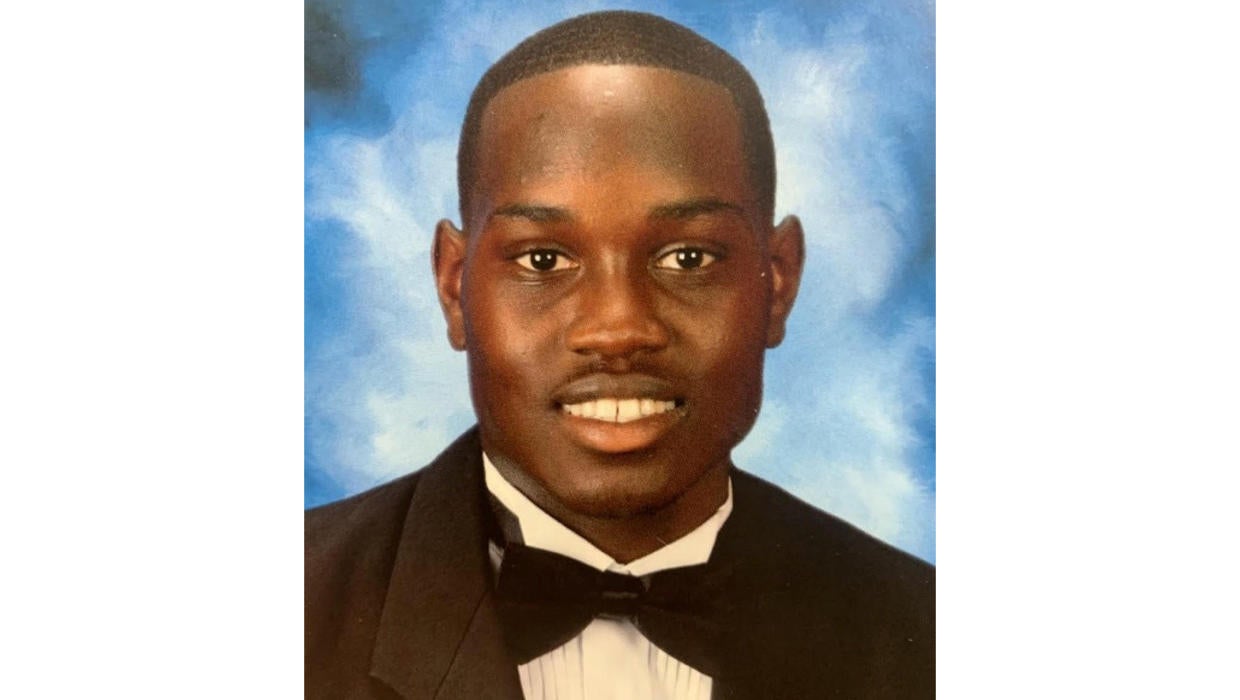
Two of the three white men who chased and killed Ahmaud Arbery as he jogged through a Georgia neighborhood in early 2020 were sentenced to life in prison Monday for federal hate crimes. Travis McMichael, the man responsible for fatally shooting Arbery, and his father, Greg McMichael, had already been sentenced to life in prison without parole for their roles in the killing during a state trial in Georgia.
Months after the McMichaels and their neighbor, William “Roddie” Bryan, each received life sentences for murder in state court, all three men convicted in Arbery’s murder faced a second round of criminal penalties Monday for federal hate crimes committed in the deadly pursuit of the 25-year-old Black man. Bryan’s sentencing is scheduled to come later on Monday.
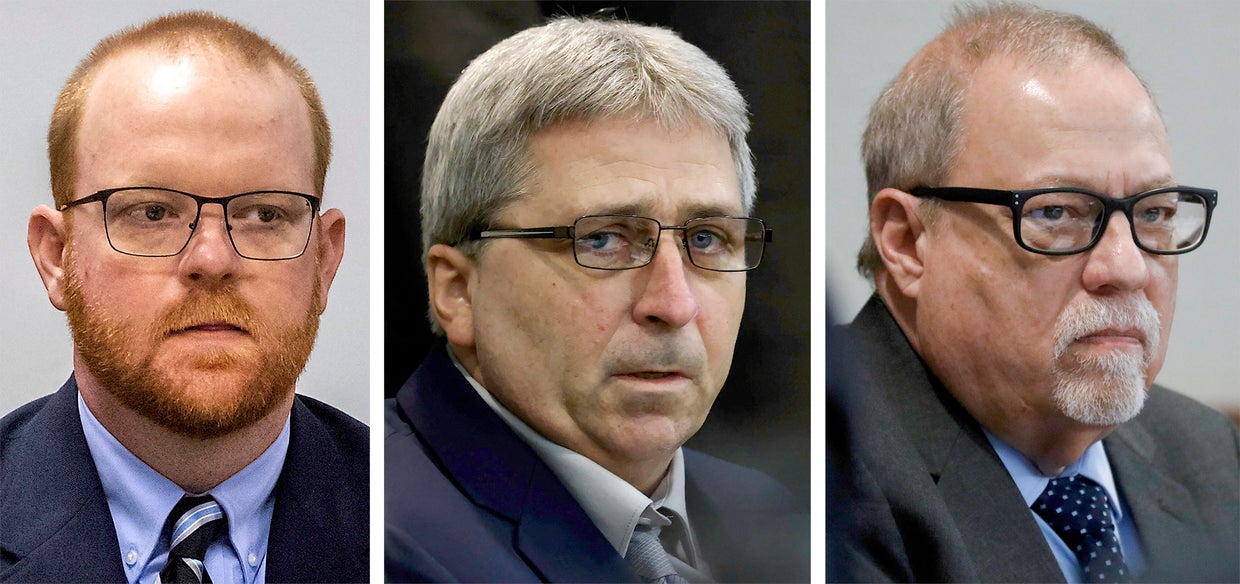
From left: Travis McMichael, William “Roddie” Bryan, and Gregory McMichael during their trial in Brunswick, Georgia. All three were convicted for the murder of Ahmaud Arbery.
AP
US District Court Judge Lisa Godbey Wood scheduled back-to-back hearings to individually sentence each of the defendants, starting with Travis McMichael, who fired a shotgun at Arbery after the street chase initiated by his father and joined by Bryan.
Arbery’s killing on Feb. 23, 2020, became part of a larger national reckoning over racial injustice and killings of unarmed Black people including George Floyd in Minneapolis and Breonna Taylor in Kentucky. Those two cases also resulted in the Justice Department bringing federal charges.
When the court hearings summarized in Georgia on Monday, Bryan faces a possible life sentence as well, after a jury convicted him along with the McMichaels in February of federal hate crimes, concluding that they violated Arbery’s civil rights and targeted him because of his race. All three men were also found guilty of attempted kidnapping, and the McMichaels face additional penalties for using firearms to commit a violent crime.
Ahmaud Arbery
Whatever punishments they receive in federal court could ultimately prove more symbolic than anything. A state Superior Court judge imposed life sentences for all three men in January for Arbery’s murder, with both McMichaels denied any chance of parole.
All three defendants have remained jailed in coastal Glynn County, in the custody of US marshals, while awaiting sentencing after their federal convictions in January.
Because they were first charged and convicted of murder in a state court, protocol would have them turned them over to the Georgia Department of Corrections to serve their life terms in a state prison.
In a court filings last week, both Travis and Greg McMichael asked the judge to instead divert them to a federal prison, saying they won’t be safe in a Georgia prison system that’s the subject of a US Justice Department investigation focused on violence between inmates .
Arbery’s family has insisted the McMichaels and Bryan should serve their sentences in a state prison, arguing a federal penitentiary wouldn’t be as tough. His parents objected forcefully before the federal trial when both McMichaels sought a plea deal that would have included a request to transfer them to federal prison. The judge rejected the plea agreement.
A federal judge doesn’t have the authority to order the state to relinquish its lawful custody of inmates to the Federal Bureau of Prisons, said Ed Tarver, an Augusta lawyer and former US attorney for the Southern District of Georgia. He said the judge could request that the state corrections agency turn the defendants over to a federal prison.
The McMichaels armed themselves with guns and jumped in a truck to chase Arbery after spotting him running past their home outside the port city of Brunswick on Feb. 23, 2020. Bryan joined the pursuit in his own truck, helping cut off Arbery’s escape. He also recorded cellphone video of Travis McMichael shooting Arbery at close range as Arbery threw punches and grabbed at the shotgun.
From left: Travis McMichael, William “Roddie” Bryan, and Gregory McMichael during their trial in Brunswick, Georgia. All three were convicted for the murder of Ahmaud Arbery.
AP
The McMichaels told police they suspected Arbery had been stealing from a nearby house under construction. But authorities later concluded he was unarmed and had committed no crimes. Arbery’s family has long insisted he was merely out jogging.
Still, more than two months passed before any charges were filed in Arbery’s death. The McMichaels and Bryan were arrested only after the graphic video of the shooting leaked online and the Georgia Bureau of Investigation took over the case from local police.
During the February hate crimes trial, prosecutors fortified their case that Arbery’s killing was motivated by racism by showing the jury roughly two dozen text messages and social media posts in which Travis McMichael and Bryan used racist slurs and made disparaging comments about Black people. A woman testified to hearing an angry rant from Greg McMichael in 2015 in which he said: “All those Blacks are nothing but trouble.”
Defense attorneys for the three men argued the McMichaels and Bryan didn’t pursue Arbery because of his race but acted on an earnest — though erroneous — suspicion that Arbery had committed crimes in their neighborhood.
Now that Microsoft Edge is based on the Chromium engine (the same engine that powers Google Chrome), it’s actually a good browser. You can think of it like Chrome, but better for privacy and battery life. But it’s still a Microsoft product, and it has the affinity to pick up some bloat and annoying features. Thankfully, it’s nothing that a couple of minutes on the Settings page won’t fix. If you use Microsoft Edge as the default browser on your Mac or Windows PC, consider disabling these features to make browsing even easier.
Get rid of the search icon on every image
Google Chrome added a fantastic feature that lets you search for similar images using Google Lens (with OCR, too). Microsoft Edge got the same feature, but uses Bing instead of Google Images. To make matters worse, Edge shows an icon for Image Search when you hover over any image (in the top-right corner). That alone would get annoying. You can disable the feature though. Go to Settings > appearance > Visual Search and disable the “Show visual search on image hover.” If you want, you can still use the feature from the right-click menu.
Get rid of Bing search
If you’ve just started using Microsoft Edge, you might have noticed the default search engine is Bing. If that’s not your jam, go to Settings > Privacy, Search and Services > Address bar and search > Search engine used in the address bar. Here, you can switch to “Google” or “DuckDuckGo.”
Disable all the annoying coupon popups
Coupon add-ons are great, but Microsoft’s built-in Shopping tool will pop up every time you visit any storefront. If you want to disable them, go to Settings > Privacy, Search and Services and disable the “Save time and money with Shopping in Microsoft Edge” feature.
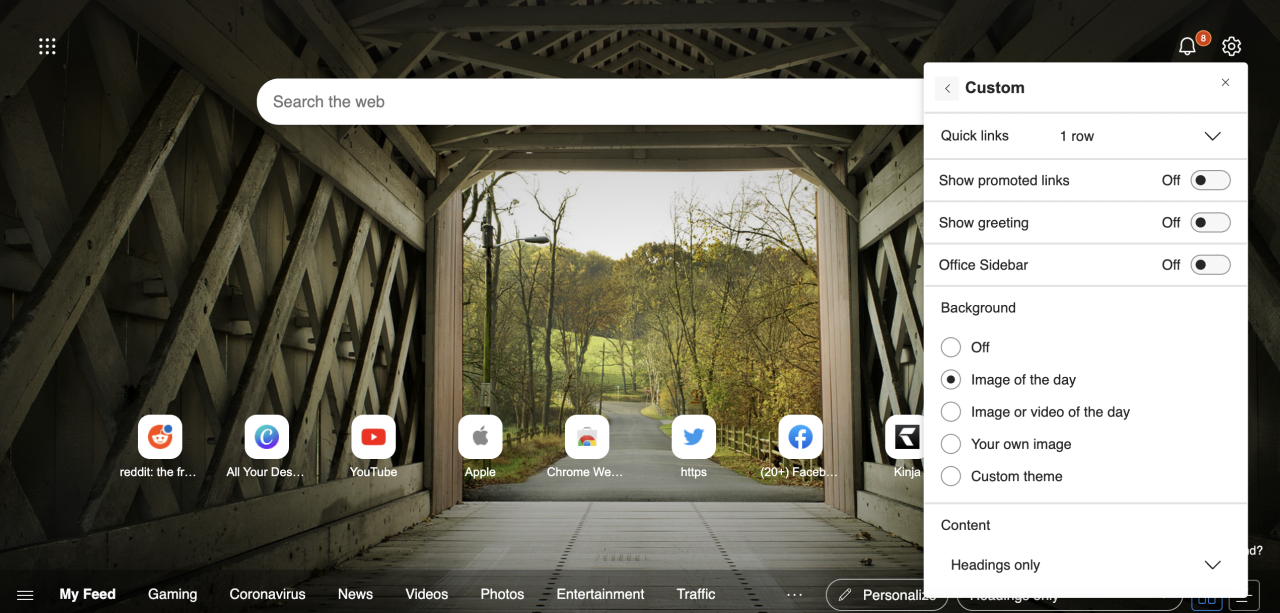
Remove all the junk from the start page
Screenshot: Khamosh Pathak
The start page in Microsoft Edge is great once you get rid of all the junk. You can begin by going to the start page and clicking the Settings icon. Here, you can switch to the “focused” mode to only keep the search bar. You can also go to the “customized” section, keep the “Quick Links” section, and enable the “Background of the day” feature. Make sure to disable the “content” feature to get rid of Microsoft News panels.
Get rid of the pop-up Downloads panel
The era of the Downloads bar at the bottom of the browser is behind us, but Edge still likes to remind us by popping open the Downloads drawer every time you start a new download. If you’re ok finding your way to the Downloads button at the top (which shows the progress visually), disable the pop-up feature. Go to Settings > Downloads and disable the “Show downloads menu when a download starts” feature.
Stop Office files from opening in the browser
Because Edge is made by Microsoft, it insists on first opening Microsoft Office documents or files in the browser instead of the dedicated apps. You can reverse this by going to Settings > Downloads. Here, disable the “Open Office files in the browser” feature.
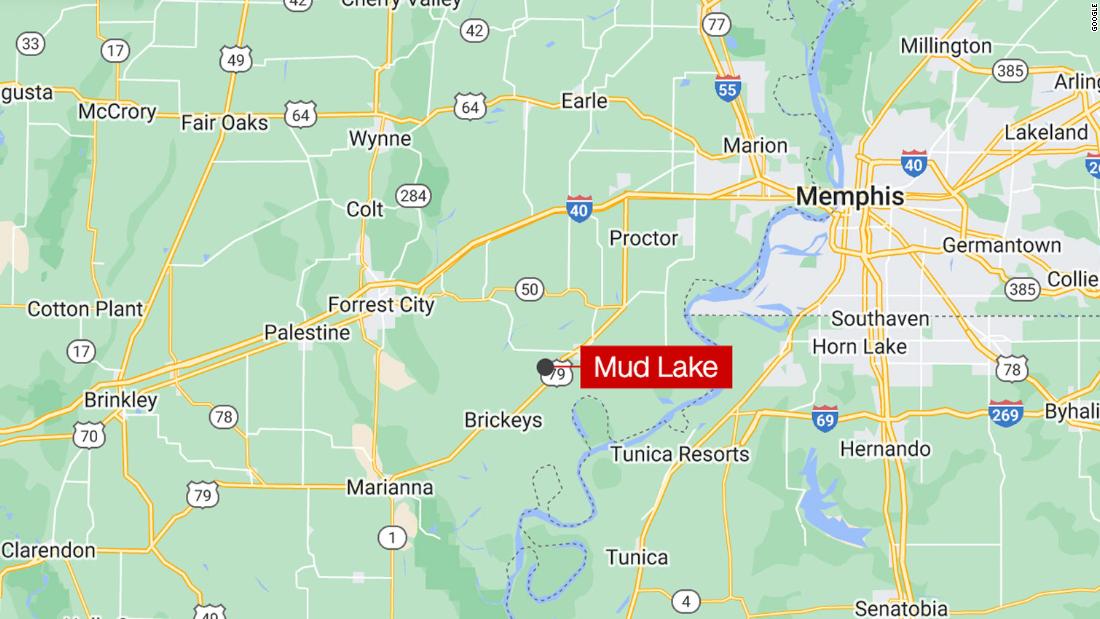
Arkansas County Northern District Judge Jeremiah Bueker, 48, was in Jefferson County for “recreational travel” with his loved ones, but at some point during the trip he “ventured off alone” and was not seen alive again, according to a Jefferson County Sheriff’s Office news release. His death of him is being investigated as an accidental drowning, the office said.
Bueker was last seen near Mud Lake, where his body was later found, the sheriff’s office reported.
“After time had passed and no one had seen or heard from Bueker, worry to set in,” the release said. “A search for Bueker by family and friends began.”
After the sun set, the family had still not found Bueker, so they called 911, the release said. An extensive ground and water search was conducted late into the night and early morning by the sheriff’s office and wildlife officers with the Arkansas Game and Fish Commission.
Eventually, the search had to be paused due to low visibility, the sheriff’s office said.
On Sunday morning, the search resumed as authorities scoured the lake using boats with side-scan sonar, which allowed them to get “a birds-eye view of the water,” Sheriff Lafayette Woods Jr. said in the release.
“At approximately 9:16 am, the side-scan sonar revealed a body on the bottom of the lake,” and deputies pulled the body from the water, the sheriff’s office said.
The family helped authorities identify the recovered body as Bueker’s and an autopsy will be performed by the State Medical Examiner, the sheriff’s office said.
“I truly pray that the successful recovery of Judge Bueker’s body by our deputies and Arkansas Game and Fish Wildlife Officers brings some sense of closure to the Bueker family and those who knew him best,” Woods said.
CNN has reached out to the Stuttgart District Court, where Bueker served as district judge.
April Davis, the deputy coroner for Jefferson County who responded to the scene, said there were no signs of foul play. She noted the body was intact with no signs of trauma.
According to Davis, a State Medical Examiner’s Office autopsy is standard procedure. The body was transported to the office on Sunday and the autopsy is expected to be performed this week, with a report expected in about three to six months, she said.
Mud Lake is in eastern Arkansas and lies about 40 miles southwest of Memphis, Tennessee.
correction: An earlier version of this story gave the wrong location for Mud Lake. It is southwest of Memphis.







 Screenshot: Khamosh Pathak