Categories
Australia

‘Kingdom of the ant’: northern Australia boasts more than 5,000 species | insects

AIan Andersen has been collecting and recording specimens of Australian ant species for 40 years with about 8,000 of them glued to cardboard triangles in a government laboratory in Darwin in the country’s far north.

Each year hundreds of specimens are added to the collection, most of them likely new species that don’t even have formal scientific names.

When insect scientists talk about the world’s hotspot for ant diversity – the place with the highest number of species – they often point to the savannahs of Brazil and the Amazon rainforest.

But Andersen, a professor, ant expert and ecologist at Charles Darwin University, says the true global center for ants is Australia’s monsoonal north, which stretches from the Kimberley in Western Australia to the Northern Territory’s top end and north Queensland in the east.

“Ants are a major part of Australia’s natural heritage,” Andersen says. “We realize what a special place this is for marsupials, and for lizards. And before. We are the kingdom of the ant.”

Andersen’s latest research with colleagues has, he says, added further proof of Australia’s claim to be the global capital for ants.

The research looked at specimens of one group of ants called Monomorium nigrius that has only one species formally described in the scientific literature.

Prof Alan Andersen collects ants in the bush area of ​​CSIRO's Darwin site in Berrimah, Northern Territory.
Prof Alan Andersen collects ants in the bush area of ​​CSIRO’s Darwin site in Berrimah, Northern Territory. Photograph: Alana Holmberg/Oculi/The Guardian

But after genetic analysis of 400 specimens, the scientists estimate there are likely 200 different species in the group just in the monsoonal north of Australia, and another 100 across the rest of the country.

“Ant ecologists will say ant diversity is highest in the Amazon – there can be more than 2,000 species there,” he says. “But here in monsoonal Australia we have at least 5,000.”

Andersen and colleagues wrote that their latest findings were “further evidence that monsoonal Australia should be recognized as a global center of ant diversity.”

‘Unbelievably abundant’

Andersen and his ant-searching colleagues are used to discovering entirely new species in their hundreds.

A few weeks ago, Andersen was walking a path in the Iron Range national park on Queensland’s remote Cape York peninsular with PhD student François Brassard.

One 4mm brownish ant caught his eye. To Andersen, it was clearly a type of last night – an uncommon genus in Australia.

“It had this look about it,” says Andersen, who took it back to his lab. The ant was an Anochetus alae – and only the second time it had ever been found (the first occasion was in Cairns in 1983 and was used years later to formally describe the species).

Andersen has been analyzing specimens collected by colleagues from 100 spots around the Sturt Plateau in the Northern Territory.

The results aren’t published yet, but Andersen says they’ve so far counted about 700 species and about half have never been recorded before.

Brassard is Canadian, and has studied ants in the US and in Macau and Hong Kong. He was skeptical that Australia could top the Amazon for ant species, but not any more.

Monomorium rothsteini ant
Monomorium rothsteini ant dispersing acacia seed. Photographer: Francois Brassard

“In Canada we have about 100 species of ant,” he says. “But we’ll find that many in just a few acres around here. The sheer diversity is unreal. It just seems there’s new stuff everywhere.”

Ants are often collected using pitfall traps – a shallow plastic dish dug a few centimeters into the ground which contain a preservative. Andersen uses ethylene glycol, better known as antifreeze.

His record is 27 species in one 4.5cm wide trap left out for two days in the Northern Territory’s Kakadu national park.

It’s a measure of the sheer numbers of ants in the country.

“People wouldn’t even notice them despite the fact they’re unbelievably abundant around Australia,” he says. “You can have dozens of colonies in an area that’s only 10 by 10 meters.”

Case of ant specimens held in the CSIRO ant diversity lab in Darwin.
Case of ant specimens held in the CSIRO ant diversity lab in Darwin. Photograph: Alana Holmberg/The Guardian

Ants play a critical role in ecosystems. They both create and turn over soil, they disperse seeds, some defend plants, and they’re all food for other animals.

If you could weigh all the world’s land-based fauna, Andersen says about 20% of the mass would be taken up by ants.

“They are serious creatures in our environment,” he says They are gun nutrient recyclers. They play an incredibly important role in the flow of energy and nutrients through ecosystems. Ants are down there running the show.”

A 400-year taxonomic challenge

Andersen started collecting ants 40 years ago, and his collection – and those of many others – is housed at CSIRO’s laboratory in Darwin.

Even among these ants – almost all of which are unique to Australia – only 1,500 have been formally named by taxonomists. The collection is one of the largest on the planet.

When scientists such as Andersen use new techniques to discover the true diversity among organisms, it throws up a major challenge for taxonomists – the scientists who painstakingly describe new species and then publish the details in journals.

Myrmecia, commonly known as a bull ant or 'jumping jack' in Queensland.
myrmeciacommonly known as a bull ant or ‘jumping jack’. Photograph: Alana Holmberg/The Guardian

Prof Andy Austin is the director of Taxonomy Australia. He says hyper-diverse groups of fauna – such as ants – are ushering in a quiet revolution for the profession.

Traditional methods of drafting detailed descriptions, drawings and creating flow-charts, known as keys, to identify one species from another are impractical when new scientific methods offer up thousands and thousands of new candidates.

“You can’t keep doing traditional taxonomy that was developed a hundred or more years ago,” he says.

Austin himself has described about 650 new species – mostly wasps – but it took up most of his 40-year career.

“For Australia, we describe about 1,200 species a year of all organisms. It would take you 400 years to finish all Australia’s biota, and that’s unacceptable for so many reasons.”

Rhytidiponera aurata pony ant foraging in leaf litter.
Rhytidiponera aurata pony ant foraging in leaf litter. Photographer: Francois Brassard

He says the new breed of taxonomists are using new techniques, such as describing new species using imaging and genetic data that’s automated. That puts the challenge of describing thousands of new ant species within reach.

“We can’t ask sensible questions about our flora and fauna until we know what’s actually on the continent,” he says.

As the climate changes and land-clearing continues, “there are probably going to be species that go extinct before we get a chance to document them.”

Categories
US

Manchin declines to say if he wants Dems to retain control

WASHINGTON (AP) — West Virginia Sen. Joe Manchin, one of the Democrats’ most conservative and contrarian members, declined on Sunday to say whether he wants Democrats to retain control of Congress after the November elections.

The senator told NBC’s “Meet the Press” that will be determined by the choices of voters in individual states, rather than his own preferences. He added that people “are sick and tired of politics” and want their representatives in Washington to put country over party.

“I’ve always taken the approach, whoever you send me, that’s your representative and I respect them and I respect the state for the people they send and I give it my best to work with them and do the best for my country,” Manchin said.

Manchin faces reelection in 2024 in a state where Donald Trump prevailed in every county in the past two presidential races, winning more than two-thirds of West Virginia’s voters. But in distancing himself from fellow Democrats, Manchin also tried to decry the rise of partisanship.

“We’re not working for any party. We’re not working for any political idealism,” he said, bemoaning “bickering over political outcomes and who’s going to be in charge of what” at a time of global tensions, war and economic uncertainty fueled by rising inflation.

Manchin was booked to appear on five news shows, the culmination of a high-profile week in which his commitment to Senate Majority Leader Chuck Schumer, DN.Y., revived a package of White House priorities on climate, health care, taxes and deficit reduction. The West Virginia senator torpedoed a larger plan last December and previously lowered expectations about a substantial agreement being reached.

The surprise deal, while more modest than earlier versions, seems to have helped transform Manchin from pariah to partner.

On “Fox News Sunday,” he defended the 15% minimum tax on corporations with $1 billion or more of earnings as closing “loopholes,” rather than an outright tax increase.

Manchin said the plan, the “Inflation Reduction Act,” would help with manufacturing jobs, reduce deficits by $300 billion, lower prescription drug prices and accelerate the permitting process for energy production. These are the kinds of priorities that Republicans have supported in the past, Manchin said.

“We’re doing everything you’ve asked,” Manchin said. “I would hope, and in normal times, this would be a bipartisan bill, but I understand the toxic atmosphere we’re in.”

The Senate is divided 50-50, with Vice President Kamala Harris the tiebreaking vote, giving the Democrats control of the chamber. In the House, Democrats have a 220-211 edge, with four vacancies. But in midterm elections, voters often reject the party that holds the White House, and this year, President Joe Biden’s unpopularity and rising inflation are creating strong headwinds for Democrats.

Manchin demurred when asked on NBC whether he hoped Democrats would keep their majorities in Congress.

“I think people are sick and tired of politics, I really do. I think they’re sick and tired of Democrats and Republicans fighting and feuding and holding pieces of hostage legislation because they didn’t get what they wanted,” he said, adding, “I’m not going to predict what’s going to happen. ”

.

Categories
Business

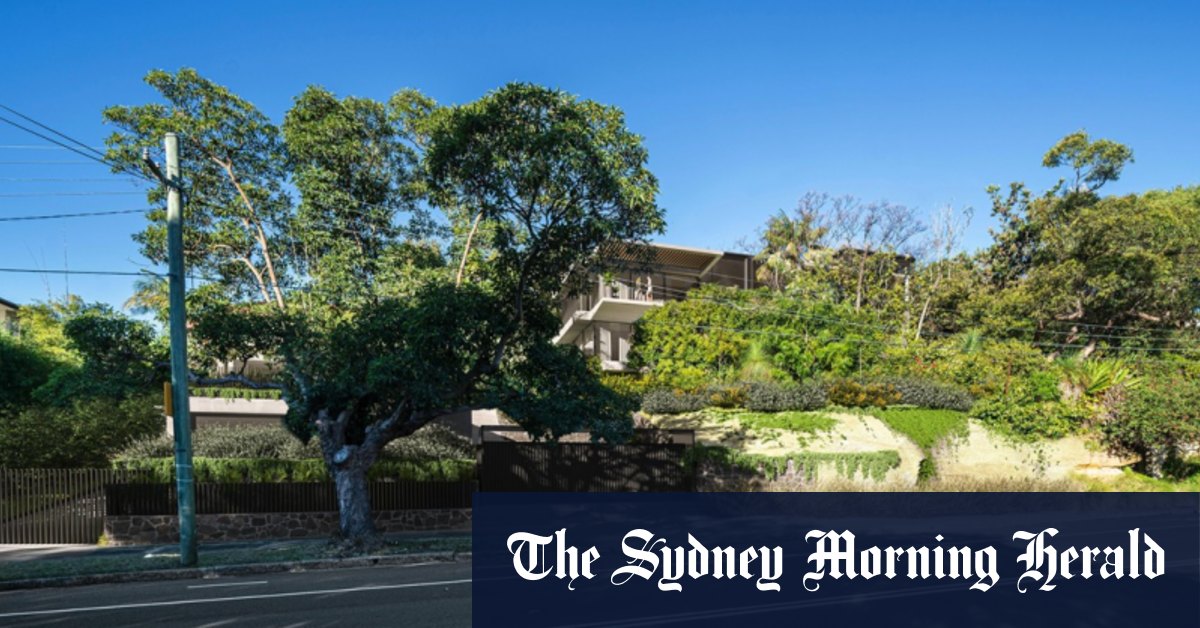
Mystery gold mining businessman seeks $40 million for Vaucluse home

Gold mining businessman “John” Changjin Li has been an enigmatic figure in Sydney’s trophy home market since he first made headlines in 2020 by buying Point Piper trophy home Edgewater for $95 million.

Agents who sell for the formerly Shanghai-based businessman are guarded about media coverage, and none of the significant property deals linked to him are held in his name and are instead held in the names of family or corporate interests.

An artist's impression of the $10-million mansion on the drawing board for the Hopetoun Avenue site.

An artist’s impression of the $10-million mansion on the drawing board for the Hopetoun Avenue site.

But that hasn’t stopped the director of Kingland Gold and Kingland Mining from making some handsome capital gains on his local real estate, like the Vaucluse investment bought in 2020 for $10.9 million and sold earlier this year for $26 million or the Bayview mansion bought for $11.5 million and sold a year later for $15 million.

Li is hoping to do just as well again on his home in Vaucluse, which is being offered to buyers for $40 million-plus through Christie’s Shane Clinton.

The Hopetoun Avenue property includes two 1920s-built bungalows on a consolidated block of three titles totaling almost 2500 square meters, all of which was purchased by Li family member Changren Cheng for $6 million in 2010.

The off-market sales campaign follows a Woollahra Council decision to knock back a DA to demolish the houses to build a $10.2 million mega-mansion on the site, although Li is expected to pursue the DA through the Land and Environment Court even as the property is being offered to buyers.

A DA to demolish the 1920s bungalow was knocked back by Woollahra Council.

A DA to demolish the 1920s bungalow was knocked back by Woollahra Council.

Li’s grand home plans have also suffered a setback on Edgewater in Point Piper after council knocked back his DA for $4.4 million worth of “alterations and additions”.

Li’s delayed exchange on Edgewater means the property does not settle to his interests until next year, but it is the registered address of his corporate entity Point Piper One Pty Ltd, and the DA designs, dubbed the “Li Residence” by MHN Design Union, are on behalf of client John Li.

Categories
Technology

Valve say all reserved Steam Decks will ship sooner than expected

Several people on RPS have managed to secure a Steam Deck since Valve’s handheld starting shipping around five months ago. If you’re not so lucky, then good news: Valve say they’re speeding up production and everyone who has currently ordered one should receive their Steam Deck before the end of the year.

Categories
Entertainment

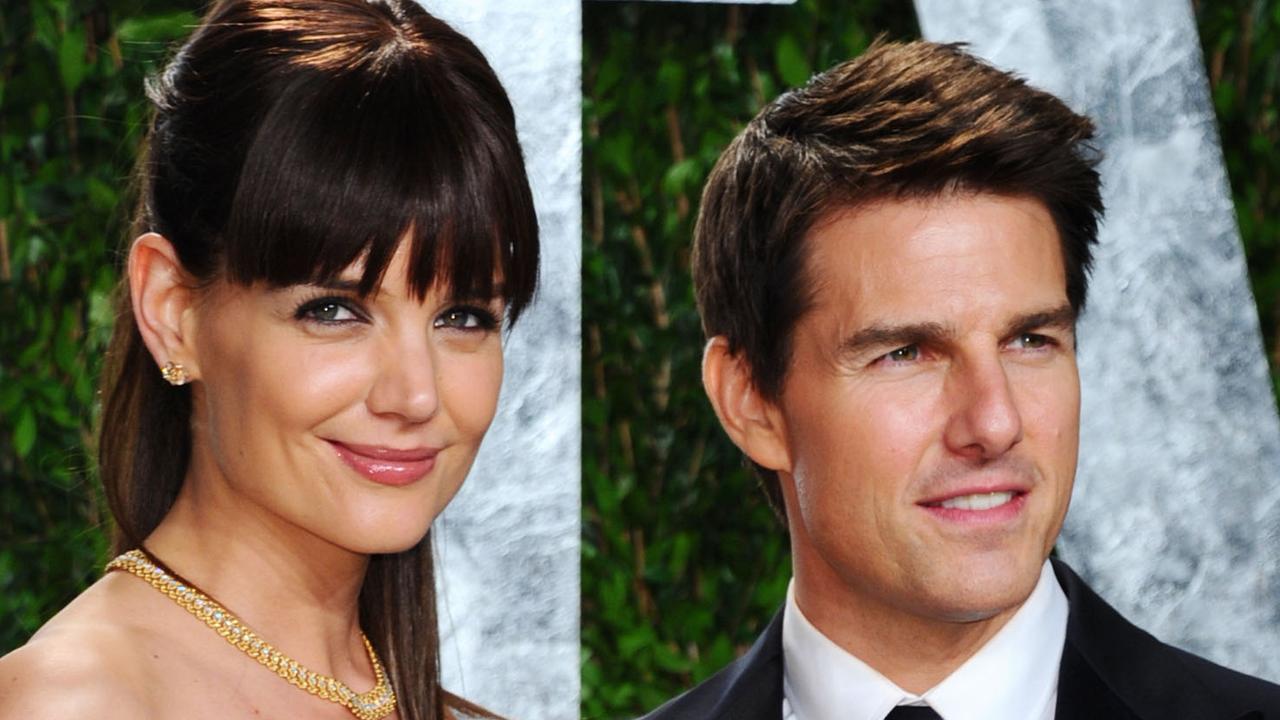
Tom Cruise and Katie Holmes’ daughter makes big screen debut

Tom Cruise and Katie Holmes’ daughter made her on-screen debut.

Holmes, 43, stars in the newly released movie “Alone Together,” and her daughter Suri Cruise, 16, joined her on the big screen, Fox News Digital has reported.

“I always want the highest level of talent,” Holmes said in an interview with Yahoo! Entertainment. “So, I asked her. She’s very, very talented. She said she would do it, and she recorded it, and I let her do her thing about her. That’s the way I direct in general. It’s like, ‘This is what I think we all want – go do your thing.’”

In the movie, Suri sings a cover of “Blue Moon,” which plays during the opening credits of the film. Holmes told the outlet this will not be her daughter’s only on-screen singing gig.

“She actually did sing in ‘Rare Objects,’ which is the film we did last fall,” Holmes explained. “Other than that, she she’s a 16-year-old kid doing high school.”

Cruise and Holmes were married from 2006 to 2012. Suri is their only child together, and Suri’s parents opted to keep her out of the public eye for a majority of her childhood.

Holmes directed, wrote and stars in “Alone Together.” She stars alongside Jim Sturgess in the romantic comedy set during the coronavirus pandemic. The film follows a man and woman fleeing New York City during the first wave of the pandemic in 2020.

The pair end up booking the same Airbnb and ultimately decide to stay at the upstate property together.

Sturgess praised Holmes’ directing style and shared that she gives actors wide latitude when they are in front of the camera.

“She gives you this incredible space between action and cut,” Sturgess said of his co-star.

“She very rarely shouted, ‘Cut!’ actually. You’d think the scene had ended and she just kind of left it hanging. I love that she was always searching for those little nuggets of authenticity.”

The movie is in theaters and will move to video on demand on Friday.

This article originally appeared in Fox News Digital and was reproduced with permission.

.

Categories
Sports

Chelsea Hodges’s bronze medal at the Commonwealth Games in Birmingham is the sweetest success after a difficult 12 months

Sometimes it’s not about winning, it’s just about getting in the pool.

And Chelsea Hodges’s bronze medal in the women’s 50 meter breaststroke was proof of that.

“The last 12 months have been really hard,” she told ABC Sport.

“Just to come back to do that swim, no words for it. I’m just incredibly proud of myself.”

.

Categories
Australia

After a night in a medical tent unable to stand, I felt a soft but unmistakable warmth – love | relationships

Yon February 1997, at midnight, I was riding my pushbike through a park on my way to Canberra’s city center when I somehow became sprawled on the ground, my palms bloodied and covered in gravel. Earlier I had been drinking with friends; now, so it seemed, a fence had come out of nowhere.

Every week that summer I had been going to Heaven, Canberra’s only gay nightclub. I had told no one about my nocturnal adventures. Nor had I met anyone. I had grown up listening to the Cure, not Madonna. Rather than go shopping, I could talk for hours about the Irish novelist Colm Tóibín. Sitting around a campfire was my thing, not pumping weights.

“Go home,” I told myself. “This is not for you. And you’re drunk.”

But, driven by a subterranean need, I picked myself up and kept going.

Half an hour later, a figure, slim and lithe, appeared on the dance floor. Doc Marten boots. Tight black jeans. A black, ribbed top, the sort Depeche Mode would have worn in their younger years. Bleached blonde hair. and he had moves. (I danced like a robot whose batteries were running out.)

Two weeks later, Tim moved into my flat.

Two months after that, we brought home a Dalmatian puppy.

During our third year together, we bought a car. Then a house.

By 2002, however, it became obvious that we were two very independent people. Claustrophobia had set in. The relationship ended.

Nigel Featherstone with Tim, around 1997
Nigel Featherstone with Tim in about 1997, when they first met. Photographer: Nigel Featherstone

Although I was now 32, I wanted to have another go at the gay scene. I did not want to meet anyone; I wanted to go home with guys and not exchange phone numbers, or even names. I lost weight. I wore nightclub clothes – tight white tops and flared denim jeans. I only listened to dance music.

I discovered ecstasy.

In 2003, two friends and I went to Sydney for Mardi Gras. Before the parade we drunk bottles of champagne; we took a pill each. In a car park, a joint. Just before we went through the party turnstiles, we took more pills.

Minutes later, my legs buckled.

As topless men danced around me, abs and pecs lit up by strobe lights, I exited the venue – in a wheelchair.

In the medical tent, a softly spoken doctor laid me down on a gurney.

I have held my hand.

Three girls in their late teens appeared; apparently one of them was experiencing hot patches on her brain. Then a man in his early twenties: the medical team laid him on a gurney too. “He’s turning blue,” said one of the doctors. “Call an ambulance.” Twenty minutes later, I heard the same doctor say into his mobile phone from him. “We really need that ambulance.”

All the while, the kind doctor dropped by to hold my hand.

By dawn I could stand again.

“Take care,” said my doctor. “You were as pale as a ghost when you were brought in. We were very worried about you.”

I found my friends.

Down at Bondi, the sun a burning ball over the ocean, I texted Tim and told him what had happened. “I hope you’re OK now,” he replied.

On the train back to Canberra, I listened to Ministry of Sound’s Chillout Sessions Volume 3, bought on Tim’s recommendation. It included an acoustic version of Another Chance by Roger Sanchez, the lyrics little more than the title repeated over and over.

I looked out the window and, in that moment, felt a soft but unmistakable warmth. I knew then that with Tim, I had experienced love. It had been imperfect and, at times, bewildering, but it had also been real.

Three months later, Tim and I got back together. This time we promised each other to take things slow, to see each other every week, but also to respect – indeed encourage – independence.

Twenty years later, that is what we are still doing. We live in towns an hour’s drive apart, and see each other every week.

Our Saturday evenings these days are spent on the couch, a blanket over our legs and torsos, a whiskey glass in one hand and a piece of chocolate in the other, something streaming on the TV. As always, around 9pm, Tim will turn to me and say, “Is it time for bed now, pumpkin?”

Categories
US

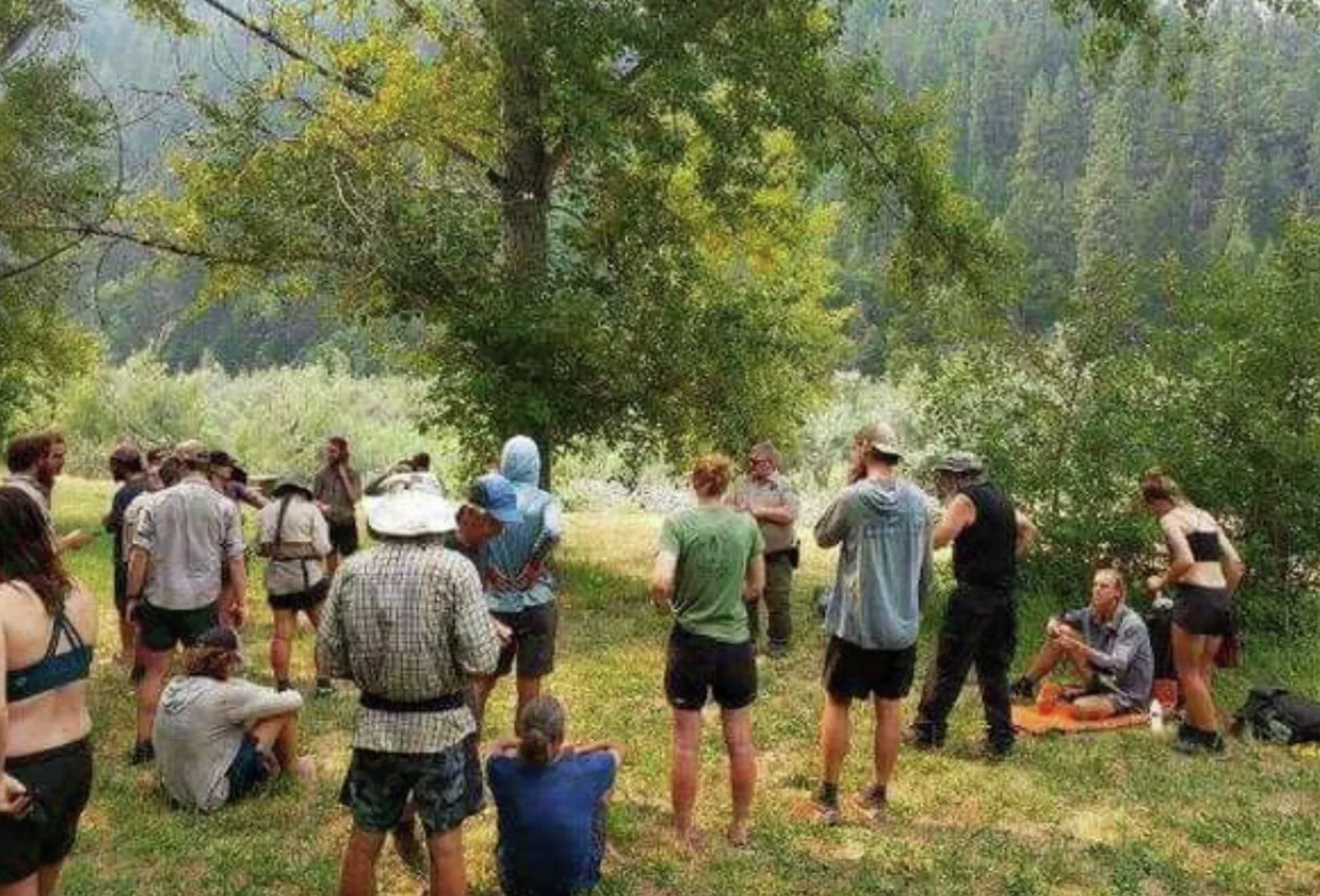
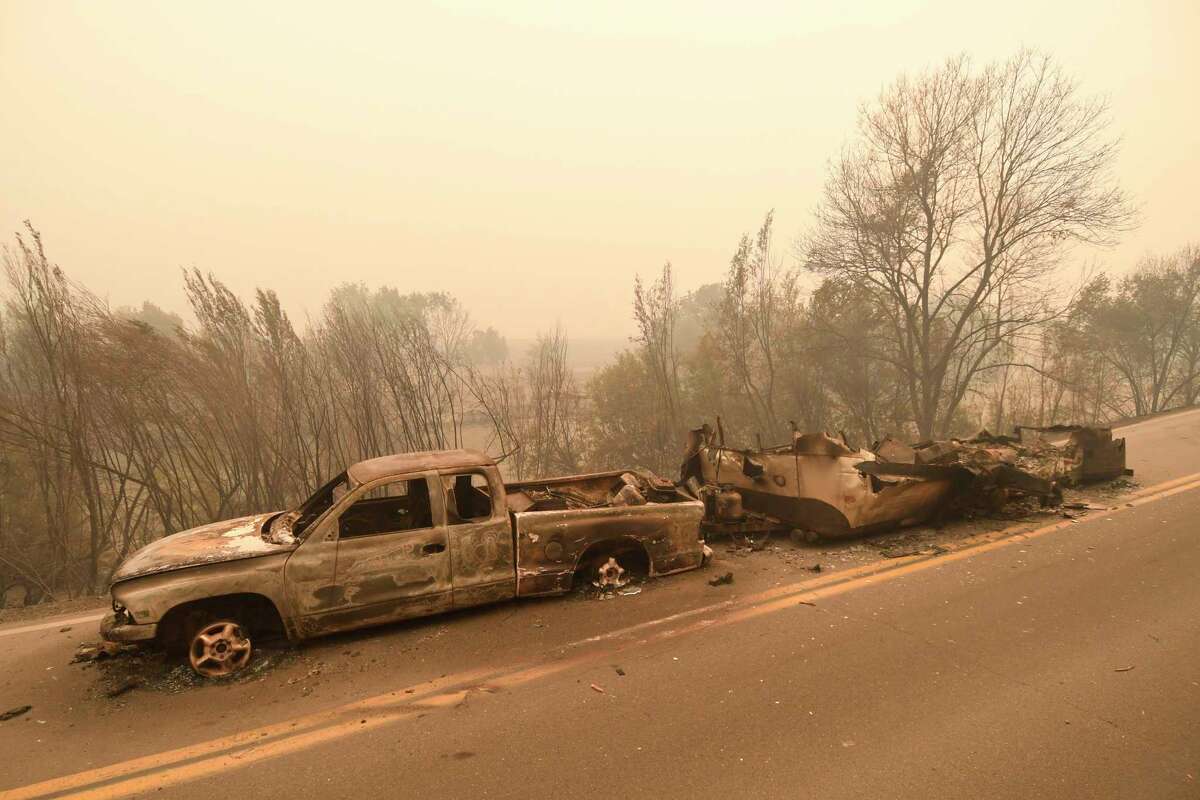
Dozens rescued from Pacific Crest Trail as McKinney Fire threatens Yreka

Dozens of hikers on the famed Pacific Crest Trail have been located and evacuated as the McKinney Fire explodes along the California-Oregon border.

According to the Jackson County Sheriff’s Office, at least 60 hikers were found on the trail in the Klamath National Forest and escorted to safety. A spokesperson from the sheriff’s office told NewsWatch 12 that although no hikers were in imminent danger, the remote nature of the trail and the quickly changing wildfire conditions made search-and-rescue the best option.

The Pacific Crest Trail is over 2,600 miles of varied, stunning hiking from the California-Mexico border up to the Washington-Canada border. It’s believed that hundreds of people attempt to complete the full hike each year, but it’s estimated that hundreds of thousands of people enjoy some section of the trail annually.

In response to the fire, the Forest Service has closed 110 miles of the PCT. The emergency closure order is in effect through August 30.

“The closure is from Etna Summit (mile 1600) in Northern California to Mt. Ashland Campground (~mile 1710) in Southern Oregon,” the PCT’s official website says. “If you are on the PCT in this area, please evacuate to the closest town.”

The McKinney Fire broke out on Friday in the Klamath National Forest, about 15 miles south of the Oregon border, sending out a massive pyrocumulus cloud and triggering a flurry of evacuations in small forestland communities in the northern most part of the Golden State. The McKinney Fire was reported at 300 acres on Friday night with no containment, and exploded overnight, reaching 30,000 acres by Saturday evening, the US Forest Service said.

“Because of the erratic winds the fire is going all over the place,” Caroline Quintanilla, a public information officer with the US Forest Service, told SFGATE on Saturday afternoon.


For full updates on the McKinney Fire, click here.

SFGATE news editor Amy Graff contributed to this report.

Categories
Business

2022 Genesis GV80 Luxury review

Hyundai is one of a horde of makers trying to ruffle the feathers of the German establishment by creating its own luxury brand.

We sample the top flight Genesis GV80 SUV that is packed with luxury features.

There’s a different level of customer service

Genesis is in its infancy as a brand. The luxury arm of Hyundai can’t match the badge appeal of a BMW, Audi or Mercedes-Benz, so it differentiates itself by offering more ownership perks.

The first five scheduled services are free and Genesis will pick up and drop off your car when a service is due, provided you live within 70km of a Genesis studio.

They’ll also leave you a courtesy vehicle while the service is completed.

A complimentary five-year roadside assistance program provides some icing on the cake.

The cabin feels plush

Our test vehicle had the optional six-seater luxury package, which costs an extra $13,000 over the GV80 starting price of $92,000 plus on-roads. More seats costs less – the seven-seat version’s luxury pack is only $10,000.

For the extra spend, there’s quality Nappa leather throughout, a big 12.3-inch digital display in front of the driver, suede finishes on the roof and pillars, heated and ventilated seats in the first and second rows and power adjustable seats and sunshades in the back.

The extra $3000 in the six-seat version buys individual, reclining second-row seats with airline-style winged headrests, a center console with a wireless charger and twin 9.2-inch rear entertainment screens.

It feels like business class.

Some of the tech feels like overkill

Genesis isn’t alone in having electric adjustment of all three rows of seats, but you’re left wondering if a simple manual lever to fold the seats would be a better solution.

It certainly would be quicker.

The automatic parking function is also something you tend to use only once to show off to the neighbours. The massaging seats switch on automatically after a certain time, which can be disconcerting if you’re not expecting it.

It’s a genuine luxury brand

The attention to detail and quality of materials in the cabin is up there with German rivals and there’s more bling for the buck in terms of gadgets and luxury items.

Highlights include the blind-spot alert that shows you a video feed of the road behind you when you flick the indicator. The ambient lighting adds an air of sophistication after dark, as do the puddle lamps that light the road when you open the door at night.

Genesis finished top of all the luxury brands in the respected JD Power quality and dependability survey.

The driving experience is a little off the pace, though

There are three engine choices for the GV80. It kicks off with a turbo four-cylinder putting out a healthy 224kW and 422Nm, then there’s a 3.0-liter diesel with 204kW and 588Nm and a 3.5-liter turbo V6 pumping out 279kW and 530Nm.

We had the diesel, which delivers an impressive blend of grunt and refinement. A silky 8-speed auto manages to pluck the right gear for maximum thrust and it’s reasonably efficient for its size.

The driving experience is let down, though, by suspension that struggles for composure on rougher roads. It tends to float a little over bigger bumps, while the big 22-inch wheels with low-profile rubber get fidgety on pockmarked bitumen.

The steering feels sharp but through corners you can feel the weight of the car as it pitches and leans. It’s fine for family freeway motoring, but lacks the poise of a BMW X5 or Audi Q8.

.

Categories
Technology

We Road Tested A Stack Of Meditation Apps So You Don’t Have To

Sleep. It can be both an elusive beast, or an insistent guest, nudging at your eyelids at the most inconvenient times of the day. We’re all familiar with the sensation of dread that accompanies the alarm creeping its way into your morning slumber and the perplexity of waking up somehow more tired than when we fell into bed the night before.

While many factors contribute to poor sleep quality, including lifestyle, stress, diet and your environment, there’s one thing that has the potential to make a world of difference—and it can take as little as 5 minutes of your day. That thing is meditation.

Also known as mindfulness, this purposeful practice is considered to have a positive impact on sleep quality. According to Sleep Foundation, “at a biological level, meditation slows the heart rate and breathing and lowers levels of cortisol, the stress hormone.” It is also theorized that “mindfulness may improve sleep quality” and that practicing mindfulness and meditation equip you with the resources to “calm down the nervous system in preparation for sleep.”

So, in an effort to help you set up your mornings for success, we tried some of the most hyped meditation apps on the market. Read on to suss which app works for your own mindfulness vibe.

Smiling Mind

Price:Free

If a good benchmark for whether we vibe an app or not is diving back in after our research phase, then this app ticks the box. We’ve revisited Smiling Mind multiple times since we downloaded it, and can already attest to positive changes. It might look like it’s angeled toward a young adult audience, and it is, but it also has a wealth of content for adults too. Plus, it features homegrown Aussie voices, which is a treat amongst the US and UK leaders in the market.

We recommend the NAIDOC Week Meditation, led by the iconic activist, actor, author and Indigenous elder and 2022 recipient of the NAIDOC Male Elder of the Year, Uncle Jack Charles. If you’re looking to use your commute time to grab a little bit of mindfulness, dive into the Daily Commute series. We also have our eye on the 21 Night Sleep Program, a series specifically designed to use a variety of tools and techniques to help you build healthy habits for a healthy mind, and get a better night’s sleep.

Free, user-friendly and a great range of local talent—we highly recommend it.

calm

Price: 7-day free trial, $79.99 for 1 year, $549.99 for lifetime membership

If the idea of ​​having Simon, the Duke of Hastings trickling his smooth Bridgertonesk elocution into your ears is an ideal mindfulness moment, then Calm is definitely the app for you. Featuring sleep stories told by the likes of Regé-Jean Page, Jesse Mei Li, and Cillian Murphy, this app understands the snooze assignment. Don’t even get us started on the Bob Ross-led ASMR tracks for the soothing factor.

Not just for those hoping to catch a few more z’s, Calm has an extensive range of meditation tracks, encompassing Beginners, Work, Anxiety, Self-Care and a Breaking Habits Series. If you’re interested in ongoing wellness and crafting new habits, this series covers a range of aspects including Thinking, Comparison & Busyness. If your frequency is a more calming guided meditation with ambient sound, we love the Sigur Rós Sound Bath Experience.

head space

Price: 7-day free trial, $12.99 per month or $69.99 per year

This app is beloved for a reason. With a stack of guided meditations ranging from Five Mindful Minutes, to the longer 10-20 minutes tracks, Headspace is extensive and has a sense of playfulness that keeps it fresh. Learn breathing techniques from the master of calm, Yoda himself. Or take a more serious approach and start right at the beginning with easy-to-follow stages, from basics to self-reflection and letting go of stress. Specific themes see a range of tracks focusing on issues like managing financial stress, dealing with the complexities of sexuality and dealing with external and internal pressure.

A great app for embarking on a mindfulness journey if you’re a beginner or if there are specific areas in your life you want to craft healthier habits.

Insight Timer

Price: Free content with an option for premium access, $9.99 per month or $59.99 per year

Smattered with recognizable voices, the likes of Goldie Hawn and meditation guru Lama Rod Owens, Insight Timer has an extensive range of guided meditations and tracks for a detailed range of topics. From interviews to relationship, sleep and performance-specific tracks, there’s something for everyone.

If you’re already a bit of a meditation buff, the namesake timer is great and allows you to craft your own guide, with interval bells and personalized sounds. It also provides a community aspect, with the option to engage with a public profile. If you just want to focus on your own thing, there’s a private option too.

Great for those who have a foothold in classic meditation and want a little help structuring their practice without necessarily being guided. We did find the app a touch clunky though.

SBS Great Minds Podcast

Price:Free

If you feel like you’ve tried all of the meditation apps under the sun, and nothing seems to be the right fit, this podcast might be for you. Hosted by Leah Vandenberg, the SBS Great Minds Podcast provides a doorway into a range of meditation practices from around the world. Learn about Filipino Hilot, Japanese forest bathing and Hawaiian ho’oponopono during the bite-sized, 15-minute episodes. Throughout the 18-episode series, you’ll travel the world with Vandenberg and a little closer to home with a wellness practice grounded in First Nations’ connection to Country called Wayapa Wuurrk developed by Gunai Kurnai man Jamie Marloo Thomas.

Great for delving deeper into the art of mindfulness and what that means around the globe, or reigniting your interest if you’re suffering a little meditation fatigue.

iBreathe

Price:Free

This app is astonishingly simple, and does what it says on the box. iBreathe is structured around simple breathing techniques, allowing you to delve into mindfulness from a physical place. There are four key breathing techniques the app follows, including 4-7-8, Ujjayi, Box and Custom. 4-7-8 and Ujjayi are methods of breathing based on the ancient practice of pranayama yoga that works to calm the mind and the body. Box breathing is a super simple and repetitive method that is a great technique to have in your pocket if you’re out and about and life catches you unaware with a cheeky bout of stress. Using simple 4-second cycles of inhale/exhale repetition, the app can help establish a technique you can replicate on demand.

It’s free which is amazing, but there are a few pesky ads that pop up between sessions, but they won’t interrupt your breathing time. You can also pay a small fee to upgrade the ad-free access.

It Doesn’t Have A Name, But It’s A Hot, Hot Tip

Price: Priceless

Controversial, but before you go downloading any of these apps that tickle your mindful fancy, we want to pop in a review of something that is kind of the opposite of an app, in a way. The good news is that it’s totally free, does still involve your phone and is something that we have been trialling for a week at the time of writing with great success.

That thing is turning off the notifications on our phones during work hours. Yep, Messenger, Instagram, Tiktok, you name it, we’ve silenced it (except for text messages because if we leave mum unanswered for too long, she’ll worry, you know).

Long review short, this change has made a huge impact on our focus and mindfulness throughout the day, without group chat notifications niggling at our curiosity and FOMO.

If an app for classic meditation isn’t for you, that doesn’t mean the end of the road for your mindfulness journey. There are heaps of ways to engage in mindfulness and support your body to encourage less stress and improved restful sleep. Active meditation and taking time to be in the moment with activities like cooking, walking in nature and going for a swim are also great ways to get back in touch with yourself and simple things like taking a daily multivitamin can have tangible results on your overall wellbeing .

Head over here for Reason Season’s second Morning module on crafting a morning routine you can actually stick to.

To receive all of the upcoming weekly modules for Reason Season straight to your inbox sign up over here, plus go into the draw to win a $4,000 wellness getaway for two.

Image credit: Urban List

Editor’s note: This article is sponsored by Swiss and proudly endorsed by Urban List. Thank you for supporting the sponsors who make Urban List possible. Click here for more information on our editorial policy.