Categories
US

Final stretch of primaries will showcase a divided GOP

Comment

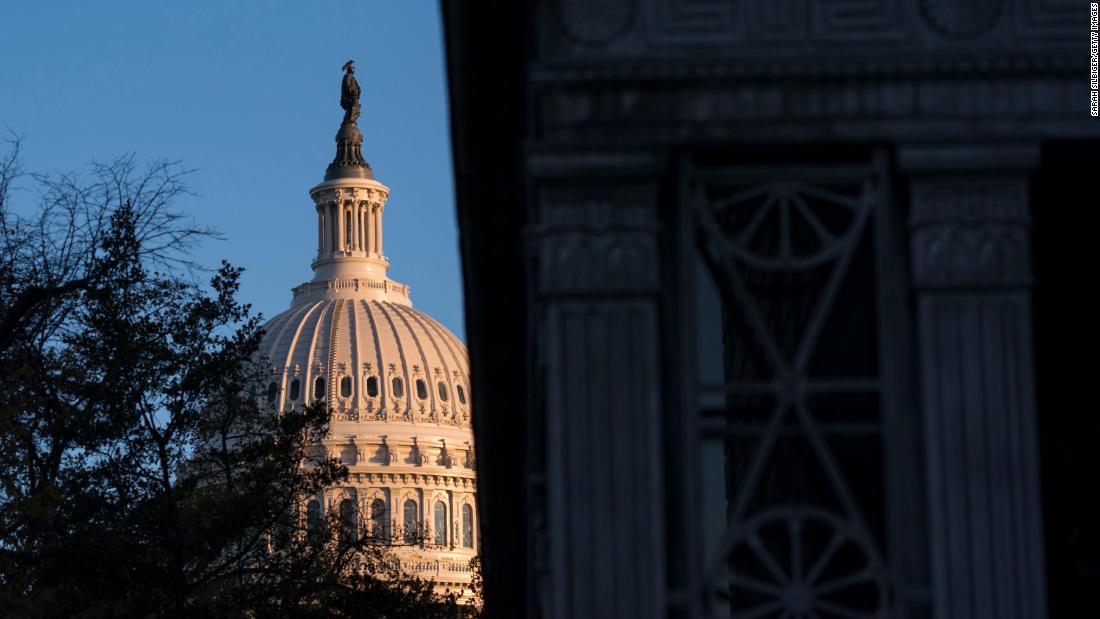
A final stretch of primaries for state and federal offices kicks off Tuesday, setting the stage for a six-week battle inside a divided Republican Party pitting candidates loyal to former president Donald Trump and his false election claims against rivals looking to move past those fights in this fall’s midterm elections.

Two gubernatorial candidates in Arizona and Wisconsin backed by Trump will face off this month against those endorsed by former vice president Mike Pence, who split with Trump after refusing pressure to reject the results of the 2020 presidential race. Four members of Congress who voted to impeach Trump after his supporters of him stormed the US Capitol are also trying to beat back challengers who embrace Trump’s false claims that he won. And an Arizona lawmaker who led calls to “decertify” the 2020 results and wants to ban the use of voting machines may win the GOP nomination Tuesday to oversee elections in a key battleground for 2024.

With less than 100 days to go until the November midterms, lasting rifts over the past election will take center stage as some Republicans hope to focus on unifying concerns such as inflation to regain control of Congress. Trying to overcome those economic head winds and low approval ratings for President Biden, Democrats argue the GOP’s candidates — and their campaigns against the democratic process itself — will prove too extreme for general-election voters. Some Republicans also worry about nominating divisive candidates in the coming weeks.

Tuesday’s contests in Arizona, Kansas, Michigan, Missouri and Washington state could elevate more Republicans who, like Trump, have baselessly undermined faith in elections and pitch themselves as populist fighters against not just Democrats but the GOP establishment.

“I think what is going to be clarified here over the next few weeks, have the lunatics really taken over the asylum? … Are you going to see election truthers taking over the voting mechanisms up and down the ballot?” said Jon Reinish, a Democratic consultant. “That’s going to present the American people with a real choice to make that is going to be very stark.”

In many races, the GOP candidates diverge on tone rather than policy.

“Everybody is pro-gun, pro-life, pro-border, pro-low tax, low regulation. The fight is not about what we stand for, but who we are,” said Stan Barnes, a former state senator and GOP strategist in Arizona — which is shaping up to be “a perfect political science experiment about the future of the Republican Party.

In Arizona, Republican candidates for Senate, governor, attorney general and secretary of state have all campaigned heavily on their alignment with Trump while promoting his false narrative of the 2020 election. Arizona Gov. Doug Ducey (R), co-chair of the Republican Governors Association, has thrown his weight behind a more traditional conservative candidate for governor, developer Karrin Taylor Robson, as well as a secretary of state candidate, Beau Lane, who acknowledges that Biden won in 2020.

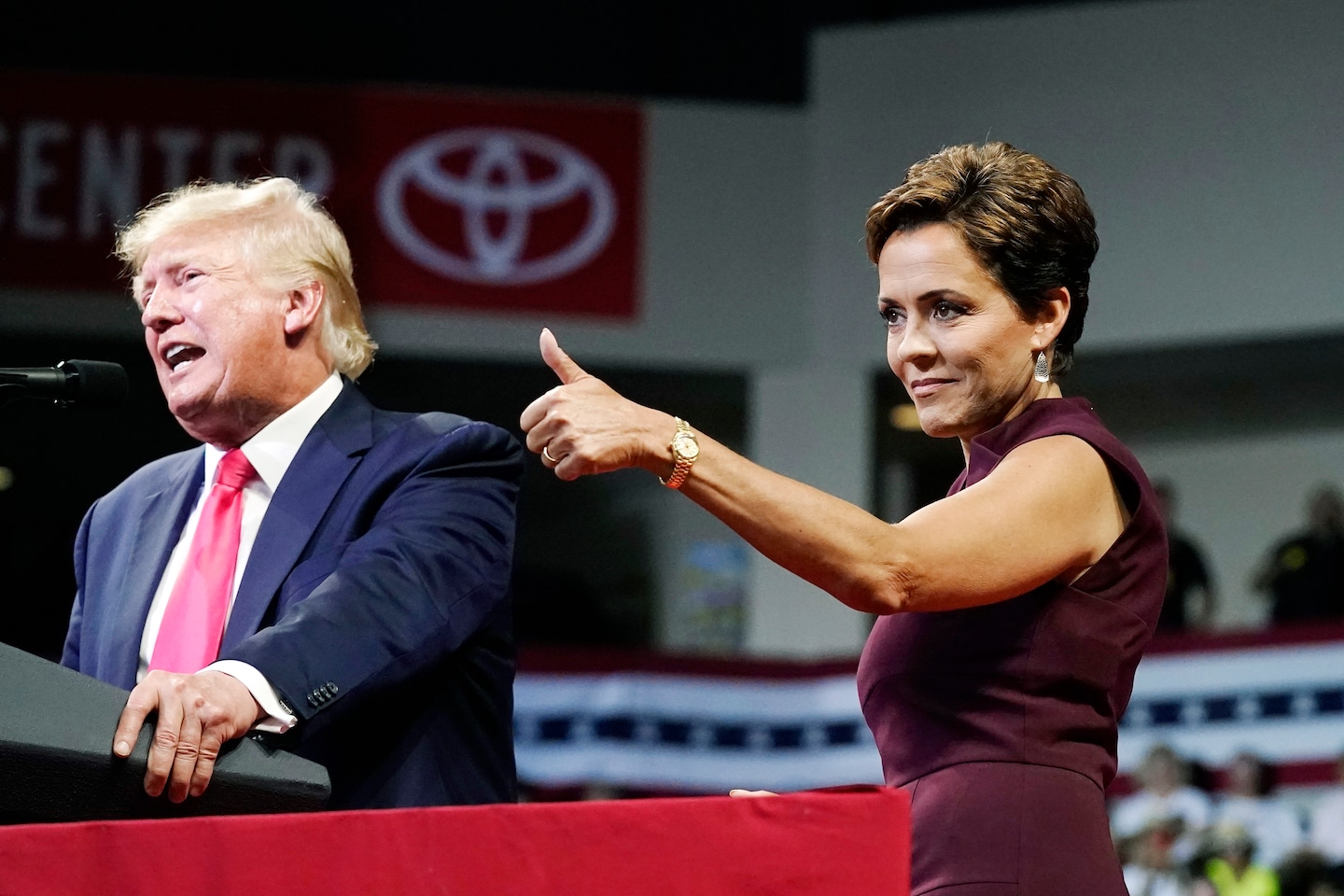
Pence, a friend and ally of Ducey, also endorsed Taylor Robson over Trump’s favored candidate, former TV anchor Kari Lake. Lake has said she would not have affirmed Biden’s victory — as Ducey did — and has already claimed there is “some stealing going on” in the 2022 election without providing evidence. In split-screen campaign events last month, Trump and Pence stumped for their candidates on the same Friday as both consider a run for the presidency in 2024.

A similar scene played out this spring in Georgia, where Trump recruited former senator David Perdue to challenge onetime ally Gov. Brian Kemp (R) for his decision to certify Trump’s election loss. Kemp won overwhelmingly with Pence’s endorsement. But the Arizona governor’s race appears to be far more competitive.

Trump’s endorsements in the 2022 Republican primaries

In Missouri, Trump promised Monday to issue a last-minute endorsement in the Senate primary — only to cast his lot behind “Eric” without identifying a surname, effectively leaving the door open to either Eric Greitens or state Attorney General Eric Schmitt, both of whom lobbied for his support. Greitens resigned from the governor’s office in scandal and, as a Senate candidate, denied fresh allegations of abuse from his former wife — stoking Republican fears he could an imperil an otherwise safe seat and leading to an establishment-led effort to defeat him.

In Arizona, state lawmaker Mark Finchem is running for secretary of state — part of an official slate of election deniers seeking oversight of voting in 2024. Other members of that coalition include Jim Marchant, who won the Republican nomination for secretary of state in Nevada, and Kristina Karamo, the GOP’s pick for secretary of state in Michigan.

Finchem has sought to upend Arizona’s popular and well-established mail voting system and was photographed near the US Capitol on Jan. 6, 2021, when a pro-Trump mob stormed the building to disrupt certification of the 2020 election. He recently embraced the support of Andrew Torba, the founder of a far-right social media site, who has said non-Christians are not real conservatives.

Republicans warned against writing off candidates like Finchem and Lake in the general election, as GOP candidates tap into a favorable political climate nationwide. “My Democratic friends in Arizona are pulling for [Lake and Finchem] and believe that those are the candidates they want to run against,” said Barnes, the GOP strategist. “But I think they may regret that.”

Democrats, meanwhile, have pursued a controversial strategy in some races of seeking to elevate GOP campaigns that they view as more extreme, and thus more beatable, in November. In Michigan, the Democratic Congressional Campaign Committee has spent $435,000 on ads boosting an election-denier challenger to Rep. Peter Meijer, one of 10 House Republicans who voted to impeach Trump in 2021. He is in a tight race Tuesday with John Gibbs, a former Trump administration official.

In Washington state, Reps. Jaime Herrera Beutler (R) and Dan Newhouse (R) are also hoping Tuesday to fend off critics of their votes to impeach; a top-two, all-party primary system could ease their path.

Some Republicans see incumbents who have broken with Trump as their most electable candidates in the fall, and Tuesday could intensify the criticism that Trump has hurt the party’s chances with his endorsements. Some of his chosen candidates of his are struggling in crucial swing-state races such as Pennsylvania’s Senate contest.

JasonRoe, a strategist and former executive director of the Michigan GOP, said the party’s growing interest in trying to flip a Senate seat in Democratic-leaning Washington state underscores their candidates’ struggles in swing states.

“It doesn’t give you a lot of confidence that we are holding the best hand at this moment,” he said with a laugh.

State legislative primaries in Michigan will also pit some of Trump’s favored candidates against those backed by a former Cabinet member and major GOP donor, Betsy DeVos, as well as one of his most vocal GOP critics: Rep. Adam Kinzinger (Ill.), who also voted to impeach.

Jase Bolger, a former GOP speaker for the Michigan House of Representatives, predicted the party will coalesce behind its nominees despite the infighting. He recalled the party’s divisions in 2010, when Republicans flipped the House of Representatives after members of the conservative “tea party” movement had railed against the GOP establishment. “Again, those differences, those struggles paled in comparison to the differences in the general election,” Bolger said.

Trump and Pence have endorsed different candidates in the Wisconsin GOP gubernatorial primary, which will be held Aug. 9. Trump’s pick, Tim Michels, a construction executive, has perpetuated the falsehood that widespread voter fraud cost Trump the election, though Michels has refused to say whether he would support a GOP effort in the state legislature to retroactively decertify Biden’s 2020 victory, saying recently that it wasn’t “a priority.”

Michels will face former lieutenant governor Rebecca Kleefisch, who earned Pence’s endorsement last week, and state Rep. Tim Ramthun in the primary next week. Kleefisch has also questioned the 2020 results, but has called overturning Wisconsin’s results impossible.

The winner will face Democratic Gov. Tony Evers, who currently is a buffer to the GOP legislature’s ambitions, setting up one of the most high-stakes gubernatorial races in the country.

Wisconsin Democrats will also decide who will take on GOP Sen. Ron Johnson in November. Last week, several candidates in a crowded Democratic primary stepped aside, effectively clearing the way for Lt. Gov. Mandela Barnes to win the party’s nomination.

The following week there are dramatic showdowns in Wyoming and Alaska. Of all the Republicans up for reelection this year, there’s likely no one Trump wants to beat more than Rep. Liz Cheney (R-Wyo.). Since the deadly Jan. 6, 2021, Capitol riots, Cheney has spoken out about Trump’s culpability, voted to impeach him over it and has helped lead the House committee investigating the former president’s role in the attack. Cheney is up against Harriet Hageman, who has the full weight of Trump and his allies behind her.

The Aug. 16 election will also test the endurance of Sarah Palin, the former Alaska governor, who was John McCain’s running mate in the 2008 presidential election. Palin is running to succeed the late congressman Don Young, who died in March after nearly 50 years in the House. Alaska voters will decide in a special election whether to send her to Washington to fill the last few months of Young’s term and whether she should advance past the primary to Friday for the seat in the November election.

The last major day of primary elections is Aug. 23, in Florida and New York, two states that were ranked by the redistricting that occurs after the eleven-a-decade US Census. In Florida, a stalemate between state lawmakers and Gov. Ron DeSantis ended with the Republican governor getting the map he wanted — one that added opportunities for Republicans to pick up seats and diminished the influence of Black voters in two House districts. Two Democratic House members, Reps. Charlie Crist and Val Demings, are giving up their seats to run for higher office against DeSantis and Sen. Marco Rubio (R), respectively.

New York’s congressional primary was delayed over a protracted legal battle over new congressional maps drawn by the state’s Democratic lawmakers. A judge found the map unconstitutional and appointed an outside mapmaker to redraw it. The result thrust two titans of the New York congressional delegation, Democratic Reps. Jerry Nadler and Carolyn B. Maloney, into an unwanted primary matchup. The two octogenarians have served side-by-side in Congress for 30 years. The district reshuffling complicated other races in and around New York City, forcing incumbents to run outside of their current districts and into competitive primaries.

Voters in Upstate New York will also decide a special election to fill the seat Democratic congressman Antonio Delgado left open when he was picked to become the state’s lieutenant governor. The race is the first competitive Democrat vs. Republican race since the Supreme Court overturned Roe v. wade, which could provide an early indication of whether the decision motivated Democrats and swing voters.

“If Democrats perform better than the Biden-Trump margin in that seat, perhaps this Democratic surge is durable,” said David Wasserman, a political prognosticator at Cook Political Report.
Categories
US

Bipartisan compromise bill would restore abortion rights

WASHINGTON (AP) — A bipartisan group of senators is pushing compromise legislation to restore abortion access in the wake of the Supreme Court decision to overturn Roe v. Wade, a long shot effort to put a majority of the Senate on the record opposing the decision.

While the bill is not expected to pass — and is unlikely to even get a vote — the legislation introduced by two Republicans and two Democrats on Monday is intended to send a signal to state legislatures and the public that a majority of the Senate supports codifying Roe , even if they can’t get the necessary 60 votes to pass it in the 50-50 Senate.

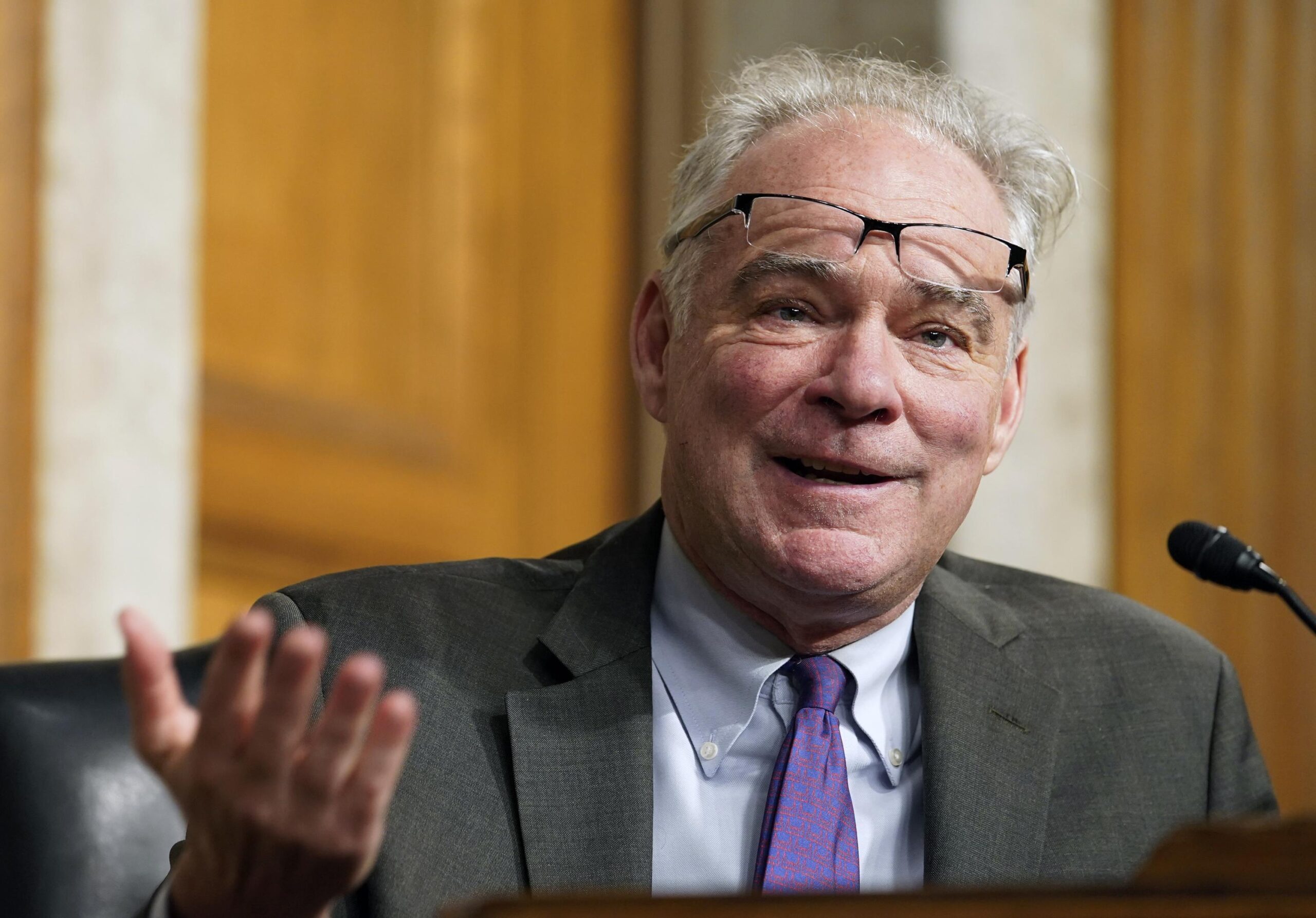
“We still think there is utility in showing there is a bipartisan majority that would want to codify Roe,” even though the bill doesn’t have enough votes, said Democratic Sen. Tim Kaine of Virginia, who introduced the legislation with Democratic Sen. Kyrsten Sinema of Arizona and Republican Sens. Susan Collins of Maine and Lisa Murkowski of Alaska.

The legislation would prohibit most state regulations that prevent abortion access before fetal viability, generally considered to be around 24 weeks. It would allow state restrictions after that point, as long as the mother’s life is protected. It would also protect access to contraception, an issue after Justice Clarence Thomas suggested in a concurring opinion to the decision overturning Roe that decisions guaranteeing access to contraception and other rights may need to be revisited.

The bipartisan bill is narrower than legislation preferred by most Democrats — passed by the House but blocked by Senate Republicans — that would have protected abortion rights and expanded them beyond what was allowed in the landmark 1972 Roe v. wade decision. Democratic Sen. Joe Manchin of West Virginia, Collins and Murkowski all voted against that bill despite opposition to the overturning of Roe.

Kaine said he felt like Democrats “left votes on the table” after that effort. He said he was encouraged by a new law designed to reduce gun violence that passed the House and Senate after horrific shootings in Texas and New York.

“There were not 60 votes either” for that legislation until members decided that inaction was no longer an option, he said.

Democrats would need 10 Republican votes to overcome a filibuster and get a bill through the 50-50 Senate, but only Collins and Murkowski have publicly backed abortion rights.

By overturning Roe, the court has allowed states to enact strict abortion limits, including many that had previously been deemed unconstitutional. The ruling is expected to lead to abortion bans in roughly half of the states.

Already, a number of GOP-controlled states have moved quickly to curtail or outlaw abortion, while states controlled by Democrats have sought to champion access. Voters now rank abortion as among the most pressing issues facing the country, a shift in priorities that Democrats hope will reshape the political landscape in their favor for the midterm elections.

The support of Kaine and Sinema, a moderate, comes as some activists have accused President Joe Biden and other top Democrats of failing to respond forcefully enough to the decision.

Kaine said there is an increased sense of urgency since the June decision, and suggested he or others may go to the floor at some point and request a vote, an effort that is unlikely to succeed but could call attention to the bill as majorities of Americans say they disagree with the Supreme Court decision.

“People are paying attention to it,” Kaine said.

.

Categories
US

UC Davis medical student and Navy vet dies after saving others in the American River

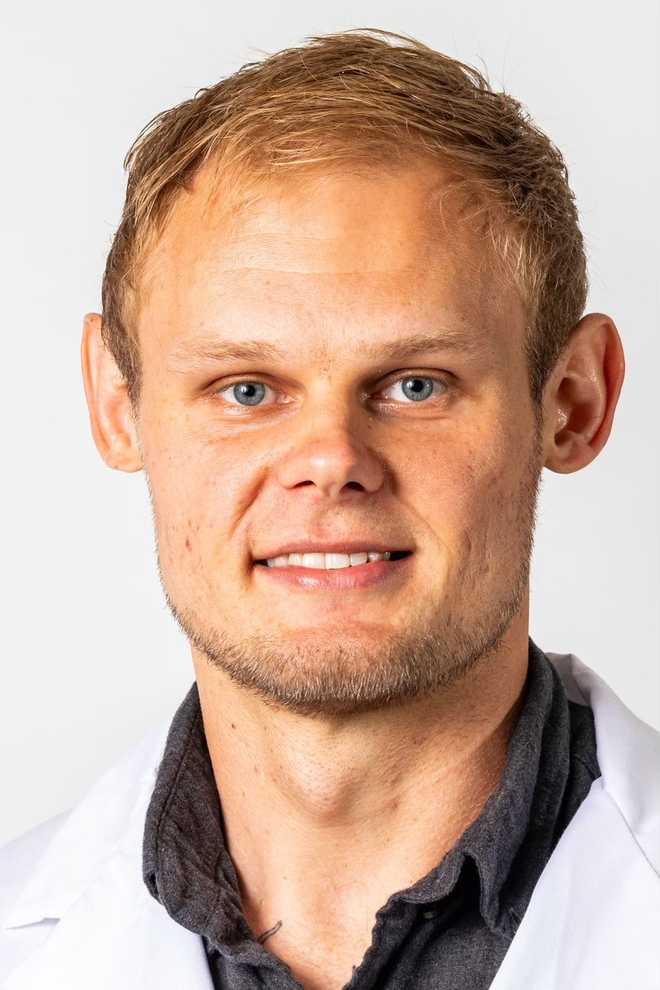
Family, classmates and professors are mourning the death of 30-year-old UC Davis medical student Joshua Brandon Crane. The five-year Navy veteran disappeared under the water Friday at a social event he organized for his medical school colleagues.”He saw some women in distress in the San Juan Rapids,” his sister Jessica Crane told KCRA 3. “No hesitation, he jumped off his board and he got in the water and got them out.”Sacramento Metro Fire and the Sacramento County Sheriff’s Office recovered his body in the American River on Saturday.”In every sense of the word, he was a hero,” his sister said. “He was a hero to a lot of people, everyone views him that way. He’s my biggest hero.”Crane was born in Chico and raised with his sister from him by their single mother. Their father died 29 years ago Monday. He went to Chico High School, then joined the navy at the age of 18. He served for five years and was stationed at Camp Pendleton and in Okinawa, Japan. When he returned, he enrolled in Chico State for undergraduate classes, with dreams of going to medical school.”He was holding out for Davis,” his sister said. “That was the big one.” Fast forward to this summer, Joshua was a fourth-year student at the UC Davis School of Medicine. The associate dean of students, Dr. Sharad Jain, told KCRA 3 he was working toward a residence in internal medicine. He dreamed of doing that at UC Davis, as well. During his time in medical school, Dr. Jain said Joshua volunteered with people experiencing homelessness, refugees who were new to the Sacramento area, and vulnerable and marginalized communities. Dr. Jain and Joshua met on Thursday, the day before he disappeared under the American River. The two had a special bond. “We talked about his hopes of him, his dreams of him, and his ideas of him for a career ahead,” he reflected. “I felt like he was at a really good place at the time, so I think that made this loss even more tragic.” Right now, the medical school is working with Joshua’s family to arrange a memorial service. His classmates have put together a GoFundMe to help his family in the meantime. If you would like to help, click here.

Family, classmates and professors are mourning the death of 30-year-old UC Davis medical student Joshua Brandon Crane.

The five-year Navy veteran disappeared under the water Friday at a social event he organized for his medical school colleagues.

“He saw some women in distress in the San Juan Rapids,” his sister Jessica Crane told KCRA 3. “No hesitation, he jumped off his board and he got in the water and got them out.”

Sacramento Metro Fire and the Sacramento County Sheriff’s Office recovered his body in the American River on Saturday.

“In every sense of the word, he was a hero,” his sister said. “He was a hero to a lot of people, everyone views him that way. He’s my biggest hero.”

Crane was born in Chico and raised with his sister by their single mother.

Their father died 29 years ago Monday.

He went to Chico High School, then joined the navy at the age of 18.

He served for five years and was stationed at Camp Pendleton and in Okinawa, Japan.

When he returned, he enrolled in Chico State for undergraduate classes, with dreams of going to medical school.

“He was holding out for Davis,” his sister said. “That was the big one.”

Fast forward to this summer, Joshua was a fourth-year student at the UC Davis School of Medicine.

The associate dean of students, Dr. Sharad Jain, told KCRA 3 he was working toward a residency in internal medicine. I have dreamed of doing that at UC Davis, as well.

Joshua Brandon Crane

UC Davis School of Medicine

During his time in medical school, Dr. Jain said Joshua volunteered with people experiencing homelessness, refugees who were new to the Sacramento area, and vulnerable and marginalized communities.

Dr. Jain and Joshua met on Thursday, the day before he disappeared under the American River. The two had a special bond.

“We talked about his hopes, his dreams, and his ideas for a career ahead,” he reflected. “I felt like he was at a really good place at the time, so I think that made this loss even more tragic.”

Right now, the medical school is working with Joshua’s family to arrange a memorial service.

His classmates have put together a GoFundMe to help his family in the meantime. If you would like to help, click here.

.

Categories
US

Police to implement checkpoints as 7 shot in downtown Orlando shooting

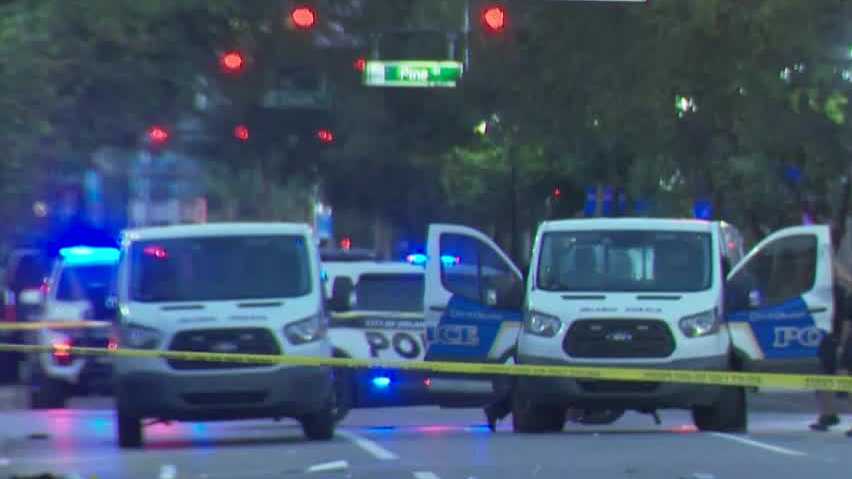
A new security plan is coming to downtown Orlando after a gunman who’s still on the loosely wounded seven people over the weekend.The shooting happened around 2 am Sunday while people were out at bars and restaurants on Wall Street Plaza and South Orange Avenue.A business owner and some people who often go downtown are shaken. While they are trying to hope for the best, they told WESH 2 the new controlled entry points coming to downtown soon don’t really make them any less worried about safety. Police said there was a fight on Sunday morning, and then someone started shooting, injuring seven people who are expected to recover. “Distressing as a business owner and as a GM you have employees here, you have customers here,” said Albatros Rexha, co-owner of Cucina Pizza & Bar. Rexha was out of town when his business partner frantically called him. “I mean it’s terrifying, especially with the false alarm that happened on Fourth of July that was one thing because I was here, but being that I wasn’t here and it was an actual shooting, it’s a lot more frightening because I like to at least try to take some responsibility and control,” Rexha said. Orlando Mayor Buddy Dyer says people could see changes to downtown as soon as this coming weekend. “One of the measures that we’re going to be implementing immediately is expanding our control entry program,” Dyer said. It’s similar to what the city has tried out during holidays and big events. A map shows the six entry checkpoints that everyone has to walk through downtown on the weekends along Orange Avenue and Washington to Pine streets.The mayor says there’ll be more officers, K9s and a voluntary weapons screening.Those who do not have a concealed carry permit will have their weapons taken.”I mean, if I could make it a weapons-free zone, I would do that. But you know that the state legislature has taken the ability of cities to be able to regulate where guns can be taken into,” Dyer said.”To me, most of the people that do carry on things are concealed to carry, especially in Florida So it doesn’t really make me feel any other way,” resident Chelsea Walker said.”I feel like it’s going to at least determine a certain percentage of people which is all you can hope for is progress. You know you hope for progress, but you will never get 100 percent certainty of safety,” Rexha said. “It’s really rough out here man.” The shooter is still on the loose. Orlando police are still asking for the public’s help with the investigation. On Monday, the department posted a link where people can submit photos and videos.

A new security plan is coming to downtown Orlando after a gunman who’s still on the loosely wounded seven people over the weekend.

The shooting happened around 2 am Sunday while people were out at bars and restaurants on Wall Street Plaza and South Orange Avenue.

A business owner and some people who often go downtown are shaken.

While they are trying to hope for the best, they told WESH 2 the new controlled entry points coming to downtown soon don’t really make them any less worried about safety.

Police said there was a fight on Sunday morning, and then someone started shooting, injuring seven people who are expected to recover.

“Distressing as a business owner and as a GM you have employees here, you have customers here,” said Albatros Rexha, co-owner of Cucina Pizza & Bar.

Rexha was out of town when his business partner frankly called him.

“I mean it’s terrifying, especially with the false alarm that happened on Fourth of July that was one thing because I was here, but being that I wasn’t here and it was an actual shooting, it’s a lot more frightening because I like to at least try to take some responsibility and control,” Rexha said.

Greater Orlando Buddy Dyer says people could see changes to downtown as soon as this coming weekend.

“One of the measures that we’re going to be implementing immediately is expanding our control entry program,” Dyer said.

It’s similar to what the city has tried out during holidays and big events.

A map shows the six entry checkpoints that everyone has to walk through downtown on the weekends along Orange Avenue and Washington to Pine streets.

The mayor says there’ll be more officers, K9s and a voluntary weapons screening.

Those who do not have a concealed carry permit will have their weapons taken.

“I mean, if I could make it a weapons-free zone, I would do that. But you know that the state legislature has taken the ability of cities to be able to regulate where guns can be taken,” Dyer said.

“To me, most of the people that do carry on things are concealed to carry, especially in Florida. So it doesn’t really make me feel any other way,” resident Chelsea Walker said.

“I feel like it’s going to at least determine a certain percentage of people which is all you can hope for is progress. You know you hope for progress, but you will never get 100 percent certainty of safety,” Rexha said. “It’s really rough out here man.”

The shooter is still on the loose. Orlando police are still asking for the public’s help with the investigation. On Monday, the department posted a link where people can submit photos and videos.

.

Categories
US

Top lawmakers renew call for DHS IG to step aside from investigation into missing texts, citing CNN reporting

House Oversight Committee Chairwoman Carolyn Maloney and House Homeland Security Chairman Bennie Thompson reiterated their call for Inspector General Joseph Cuffari to step aside in a letter on Monday, citing concerns about “your lack of transparency and independence, which appear to be jeopardizing the integrity of a crucial investigation run by your office.”

Maloney and Thompson also are demanding transcribed interviews with key DHS IG staffers. CNN first reported that DHS inspector general investigators dropped efforts to recover missing Secret Service text messages in July 2021, a year before Cuffari raised concerns about Secret Service and DHS transparency to congressional oversight committees.

“The Committees have obtained new evidence that your office may have secretly abandoned efforts to collect text messages from the Secret Service more than a year ago,” the letter said. “These documents also indicate that your office may have taken steps to cover up the extent of missing records, raising further concerns about your ability to independently and effectively perform your duties as Inspector General (IG).”

The committees are requesting a slate of communications and documents by Monday, ranging from correspondence related to any decisions not to collect or recover text messages to communications related to notifying Congress.

Sen. Dick Durbin, an Illinois Democrat, on Monday reiterated his call for the Justice Department to investigate the missing text messages.

“This is about the destruction of critical evidence, whether it’s material to the January 6 episode or not. The fact that this man, Joseph Cuffari, as inspector general, could not get the information that should have been transferred from administration to the other and didn’t report it properly to Congress or to the agency that he’s working at, we may have jeopardized some very critical evidence when it comes to the historic record on January 6 and he treated it as almost a routine event rather than something that should have been highlighted,” Durbin told CNN’s Don Lemon.

In a statement to CNN, a spokesperson for the Department of Homeland Security Office of Inspector General said it “does not discuss ongoing administrative reviews and does not confirm the existence of, or otherwise comment about criminal investigations.”

Watchdog defends himself

However, in an internal email to obtained employees by the Project on Government Oversight and shared with CNN, Cuffari defended himself and commended them for their work amid an “onslaught of meritless criticism.”

“In the past couple of weeks, DHS OIG has been the subject of a tremendous amount of public speculation,” Cuffari told staff in an email obtained by the Project on Government Oversight and shared with CNN.

“Because of US Attorney General guidelines and quality standards, we cannot always publicly respond to untruths and false information about our work,” he wrote. “I am so proud of the resilience I have witnessed in the face of this onslaught of meritless criticism.”

The email, sent at 2:28 pm Monday, arrived shortly before key House Democrats accused Cuffari’s office of manipulating and omitting information about its investigation into missing Secret Service and top DHS officials’ text messages.

The letter shows a DHS deputy inspector general, Thomas Kait, wrote an email to a DHS senior liaison, Jim Crumpacker, on July 27, 2021, advising DHS investigators were no longer seeking text messages. Kait is one of the staffers the committee wants to interview now.

“Jim, please use this email as a reference to our conversation where I said we no longer request phone records and text messages from the USSS [United States Secret Service] relating to the events on January 6th,” the email said, according to the letter.

The letter also confirms CNN reporting that the probe into text messages was reopened in December 2021.

Lawmakers said in Monday’s letter that Kait also removed “key language” from a February memo to DHS underscoring the significance of text messages to the inspector general’s investigation. The original memo mentioned that most DHS components had not provided requested information and noted text message content is a “critical source of information for the DHS OIG review,” but the final version stated the opposite, saying that they had received responses, according to the letter.

“These documents raise troubling new concerns that your office not only failed to notify Congress for more than a year that critical evidence in this investigation was missing, but your senior staff deliberately chose not to pursue that evidence and then appear to have taken steps to cover up these failures,” the letter states.

It goes on to cite missing text messages for the two top Homeland Security officials under former President Donald Trump — acting Secretary Chad Wolf and acting deputy secretary Ken Cuccinelli. Information obtained by the committee revealed that the inspector general’s office was aware in February that those messages couldn’t be accessed but didn’t notify Congress. CNN has reached out to Cuccinelli for comment.

Latest twist in saga

Monday’s letter is yet another twist in the ongoing saga over missing messages around January 6. Memos obtained by CNN indicate that the Department of Homeland Security repeatedly reminded the workforce to comply with the inspector general and relevant Hill committees.

After the Office of Inspector General raised concerns to Homeland Security Secretary Alejandro Mayorkas about compliance with requests, the secretary issued a September 2021 memo to the workforce saying that employees should cooperate with interviews and provide information.

“The Department is committed to supporting the OIG’s mission. DHS employees are expected to cooperate with OIG audits, inspections, investigations, and other inquiries. Any effort to conceal information or obstruct the OIG in carrying out its critical work is against Department directives and can lead to serious consequences,” the memo says.

Then, in October 2021, DHS General Counsel Jonathan Meyer issued a memo specific to January 6, 2021, and saying the office was cooperating with the House select committee investigating the Capitol Hill insurrection.

“I am therefore directing the Department and its Components to respond to any Select Committee requests it receives expeditiously and thoroughly,” that memo states. “Such cooperation and transparency are vital to the Department’s obligation to safeguard our Nation and its foundational democratic principles.”

.

Categories
US

Kentucky flooding: Man rescues 5 children and 2 of his former school teachers from flooded homes

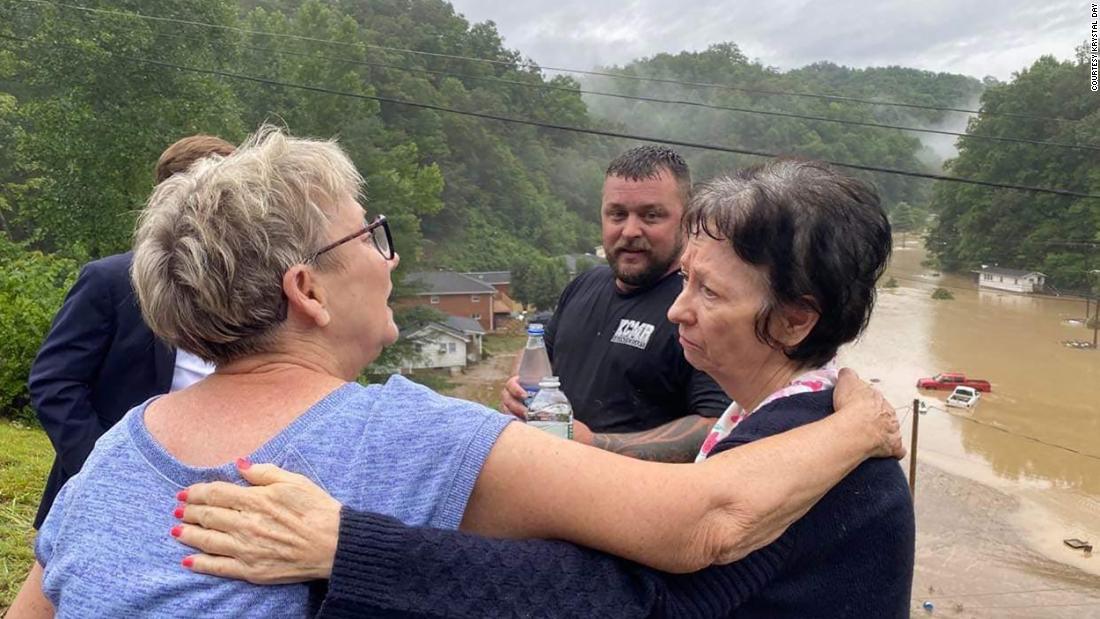
Day, a former coal miner who lives in Hindman, Knott County, said he was unaware of what was happening in the region until he received the message saying the children needed help getting out of their house.

“I didn’t know what they were talking about, then I went outside,” Day told CNN. “You heard a lot of people screaming and begging for anyone to help.”

That day, Eastern Kentucky saw flooding that officials have called unprecedented, with entire houses and bridges swept away and isolated communities because of flooded roads. At least 35 people have died in the flooding, and many who survived lost everything they had. Hundreds of people are still missing.

Day and his wife, Krystal, had no boat, so they waded through the water to help save the five children and two mothers who were stuck on the roof of their home.

“At 3 o’clock in the morning, I was in that water with my wife. I put a child under each arm and one around my neck and took them back to my house. The oldest child was holding a small dog,” Day said.

After Day and his wife rescued the children and the two women, he set his sights on rescuing his former high school English teacher, Ella Prater, and his second grade teacher, Irma Gayheart, who both lived nearby.

“I just kept pacing back and forth because I saw the water rising and I knew my two former teachers were probably trapped in their houses,” Day said. “It was heartbreaking.”

He then listed the help of three other neighbors to help check on his teachers, who both live alone, according to Day.

When they saw Prater, Day said they held her “by both side of her arms and never looked back. We said, ‘We have to go.'”

It took Gayheart a few minutes to answer the door, but when she did, she told him she was okay, but had been sitting on her kitchen counter top watching the water rise.

Unidentified man saves grandmother and her relatives as their home is nearly swallowed by Kentucky floodwaters

“I wasn’t going to leave her there because she’s a special lady to me. You could tell by looking at her face that she was drained,” Day said. “She spent the night on the kitchen counter top and the water was up by the counter top.”

With the help of his neighbors, Day was able to reunite both teachers with their families, who were waiting for any updates about their whereabouts.

“These are two of the most special women you’ll meet in your life, and when they show you love, they show you true love. They truly care about everyone that’s around them and that stuck with me my whole life,” Day said when explaining why he risked his life to rescue his teachers.

The ordeal has been emotionally draining, but he’s glad the children and former teachers are safe, Day told CNN.

.

Categories
US

Visitors to the world’s tallest tree Hyperion face $5,000 fines, according to California’s Redwood National Park

Hyperion, certified by Guinness World Records as the world’s tallest living tree, is officially off-limits to visitors.

California’s Redwood National Park issued a statement last week that anyone who is caught near the tree can face up to six months in jail and a $5,000 fine.

The tree, which is deep in the park and has no trails leading to it, has faced serious environmental degradation from thrill-seekers who have visited since 2006, when it was found by a pair of naturalists.

The coast redwood (sequoia sempervirens) tree is 115.92 meters (380 feet) tall and its name is derived from Greek mythology — Hyperion was one of the Titans and the father of sun god Helios and moon goddess Selene.

“Hyperion is located off trail through dense vegetation and requires heavy ‘bushwhacking’ in order to reach the tree,” reads a statement on the national park’s website.

“Despite the difficult journey, increased popularity due to bloggers, travel writers, and websites of this off-trail tree has resulted in the devastation of the habitat surrounding Hyperion,” the statement says. “As a visitor, you must decide if you will be part of the preservation of this unique landscape – or will you be part of its destruction?”

Visitors to the world’s tallest tree face $5,000 fines.

Shutterstock via CNN

Leonel Arguello, the park’s Chief of Natural Resources, told news site San Francisco Gate that the area has limited cellphone and GPS service, which means it can be very challenging to rescue any lost or injured hikers in the area.

In addition to erosion and damage caused at the base of the tree, there are secondary issues that come from an influx of people.

“There was trash, and people were creating even more side trails to use the bathroom. They leave used toilet paper and human waste — it’s not a good thing,” Arguello said.

Human visitors are not the only risk to these giant trees.

Wildfires are a growing concern throughout California’s national parks.

In 2021, officials at Sequoia and Kings Canyon National Parks took extreme measures to protect some of the world’s biggest trees from fire.

General Sherman, considered the world’s largest tree — determined by density not height, as it is shorter than Hyperion — was wrapped in an “aluminum-based burn-resistant material” akin to tinfoil as a way to keep it safe during the devastating KNP Complex Fire.

WATCH | California redwood forest returned to Native American tribes

The-CNN-Wire & © 2022 Cable News Network, Inc., to WarnerMedia Company. All rights reserved.

.

Categories
US

White House admits Inflation Reduction Act will barely impact inflation

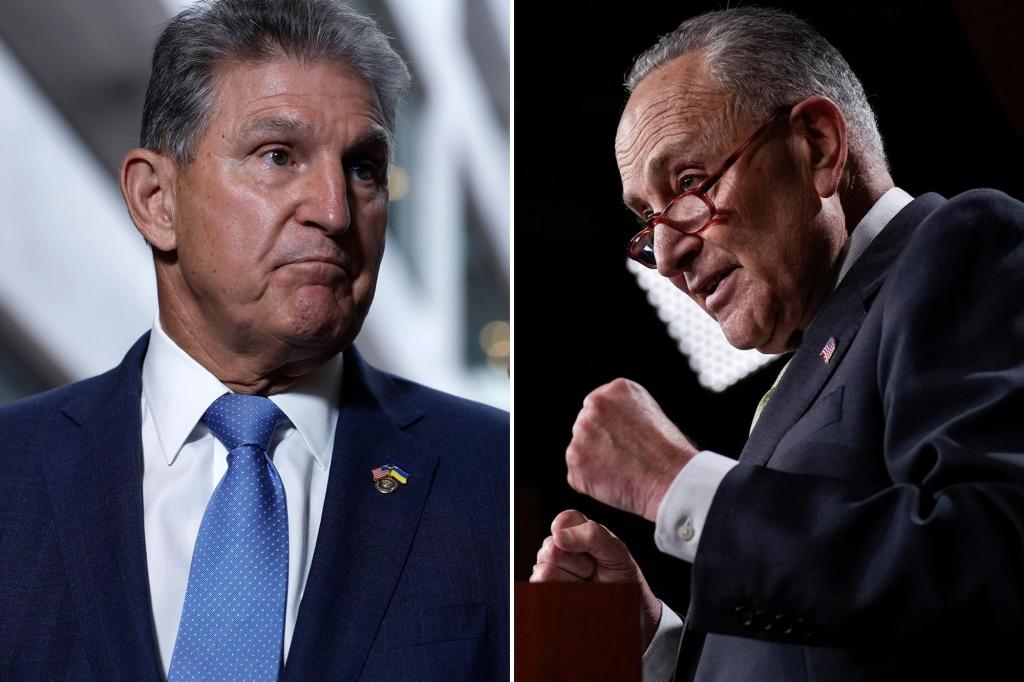
The $739 billion Democratic spending plan dubbed the Inflation Reduction Act will barely affect prices over the next decade, experts say — and even the White House admitted it Monday.

According to Moody’s Analytics chief economist Mark Zandi, the 725-page bill hammered out by Sens. Chuck Schumer (D-NY) and Joe Manchin (D-WV) would only lower the Consumer Price Index – a closely watched gauge that measures what consumers paid for goods and services –0.33% by 2031.

“Through the middle of this decade the impact of the legislation on inflation is marginal, but it becomes more meaningful later in the decade,” Zandi wrote.

Jesse Lee, a senior communications adviser to the National Economic Council, was quick to tout Zandi’s findingstweeting, “This is actually the overwhelming consensus.”

“White House officials’ own rosiest, best-case-scenario spin is that their ‘Inflation Reduction Act’ will have taken one third of one percentage point off inflation by nine years from now?” Andrew Quinn, a speechwriter for Senate Minority Leader Mitch McConnell (R-Ky.), asked incredulously.

“White House comms spiking the ball over a bill that doesn’t reduce inflation until 9 years from now,” mocked Heritage Foundation spokesman Jon Cooper. “And keep in mind, this is obviously the best number they could come up with.”

The White House admitted the Inflation Reduction Act from Sens. Joe Manchin and Chuck Schumer won't impact prices much over the next decade.
The White House admitted the Inflation Reduction Act from Sens. Joe Manchin and Chuck Schumer won’t impact prices much over the next decade.
Photo by Anna Moneymaker/Getty Images

Schumer and Manchin have claimed the bill would reduce inflation by lowering prescription drug and energy costs while reducing the federal budget deficit through a 15% minimum tax on corporations that report income of at least $1 billion per year, and increased tax enforcement by the IRS, and increased tax enforcement by the IRS. taking a share of profits earned by general partners at private equity, hedge funds, and venture capital firms known as carried interest.

However, experts say the inflation cure prescribed by the Democrats is likely to be ineffective, and could be worse than the disease.

Alex Muresianu, a federal policy analyst with the Tax Foundation, told The Post on Monday that the corporate tax – also called the “book minimum tax” — would “reduce supply in the long-run by reducing incentives to invest, particularly for manufacturing firms .”

“Meanwhile, on the demand-side, by taking money out of the economy, tax increases in excess of the spending attached could reduce inflation incrementally, but there are a couple problems,” he added. “First, in the first couple years, the bill does not net reduce the deficit — most of the net reduction in the deficit over the ten-year window comes in later years.

Schumer and Manchin claimed the bill would lower prescription drug and energy costs.
Photo by Drew Angerer/Getty Images

“And second, the tax increases like the book minimum tax are not focused on taxpayers with high marginal propensity to consume, meaning the tax increase does not come with a particularly large reduction in aggregate demand.

“So, on the whole,” Muresianu concluded, “we should expect the bill to have a negligible impact on inflation. The Federal Reserve’s choices will play a much bigger role in whether or not inflation subsides than whether or not this bill passes.”

Levon Galstyan, a Certified Public Accountant with Jersey City-based Oak View Law Group, agreed, noting: The Inflation Reduction Act will shift resources through hundreds of billions of dollars in special-interest subsidies targeted to Democratic constituencies, further limiting supply through restrictions and tax increases.

“A deterrent to output would be that manufacturers would pay around half of all new levies,” Galstyan also told The Post. “The legislation would subject small businesses to a horde of tax enforcers, driving up prices and limiting their capacity to serve customers.”

According to Moody's Analytics chief economist Mark Zandi, the bill would only lower the Consumer Price Index by 0.33% by 2031.
According to Moody’s Analytics chief economist Mark Zandi, the bill would only lower the Consumer Price Index by 0.33% by 2031.
AP Photo/Alex Brandon

Peter Morici, an economist and professor emeritus at the RH Smith School of Business at the University of Maryland, also argued that there was almost no chance the legislation would reduce prices.

“One of the Fed bank presidents [Neel Kashkari of Minneapolis] came out [Sunday] morning … saying we’re going to get inflation down at 2%. If you believe that, then I want you to go to Yankee Stadium on Sunday afternoon and look for me playing shortstop,” Morici told The Post.

“I’m 73 years old. I was a pretty damn good middle infielder, but I didn’t have much of a career because I never could hit the breaking ball,” he added. “I mean, that’s as credible as I’m gonna play shortstop for the New York Yankees.”

Other experts have pointed out that the legislation fails to provide a long-term solution for bringing down inflation.

“Inflation results from deep-set, fundamental issues and this bill does nothing to address those factors,” said James Lucier, managing director at Washington-based policy research firm Capital Alpha.

Biden administration official Jesse Lee, a senior communications adviser to the National Economic Council, agreed with Zandi's findings.
Biden administration official Jesse Lee, a senior communications adviser to the National Economic Council, agreed with Zandi’s findings.
AP Photo/Susan Walsh

“Inflation will probably fix itself over a ten year period, if we’re lucky,” Lucier told The Post, labeling the supposed “anti-inflationary effects” of the legislation as “smoke and mirrors.”

Rather than bringing down prices, some of the economists suggested that federal tax credits for Americans to buy electric vehicles and the extension of ObamaCare subsidies would exacerbate the problem.

“They’re giving people money to buy electric vehicles. They’re in short supply. The lithium that goes into them is in short supply. That’s gonna raise the price of electric vehicles,” said Morici, who added that “additional subsidies to buy health insurance is not going to lower the cost of health insurance, it’s going to increase the price.”

“Many of the incentives that are in the bill tend to increase the price of components for products that go into the electrical grid and so forth,” Morici continued. “So it’s basically giving people money to chase products that are in short supply.”

Will McBride, VP of federal tax and economic policy at the Tax Foundation, echoed that concern, saying the ObamaCare subsidies would make “entitlement spending” worse.

“Essentially,” McBride said, “the value of the dollar is getting diminished as the federal government’s ability to repay its debt diminishes.”

Additional reporting by Lydia Moynihan and Ariel Zilber.

.

Categories
US

Blistering heatwave suspected in 14 Oregon deaths | Oregon

Oregon authorities are investigating four additional deaths potentially linked to last week’s scorching heat wave, bringing the total number of suspected hyperthermia deaths to 14.

The Oregon state medical examiner’s office said Monday the designation of heat-related death is preliminary and requires further investigation.

Multnomah county, which is home to Portland, recorded seven deaths suspected to be related to heat, the highest of any Oregon county. Portland and Seattle set records Sunday for most consecutive days of high temperatures.

In Portland, temperatures on Sunday rose above 95F (35C) for the seventh day in a row, a record for the city for consecutive days above that mark. Further north in Seattle, the temperature rose to 91F (32.8C) by early afternoon, marking a record six days above 90F (32.2C).

Temperatures near triple digits nearly all of last week in the Portland area, prompting officials to open emergency overnight shelters and cooling stations.

The National Weather Service issued an excessive heat warning for both the Portland and Seattle regions lasting through late Sunday evening. Temperatures started to cool off on Monday as colder air from the Pacific blew in.

Climate crisis is fueling longer heat waves in the Pacific north-west, a region where week-long heat spells were historically rare, according to climate experts.

Residents and officials in the north-west have been trying to adjust to the likely reality of longer, hotter heat waves following last summer’s deadly “heat dome” weather phenomenon that prompted record temperatures and deaths.

About 800 people died in Oregon, Washington, and British Columbia during that heat wave, which hit in late June and early July of 2021. The temperature reached an all-time high of 116F (46.7C) in Portland.

Categories
US

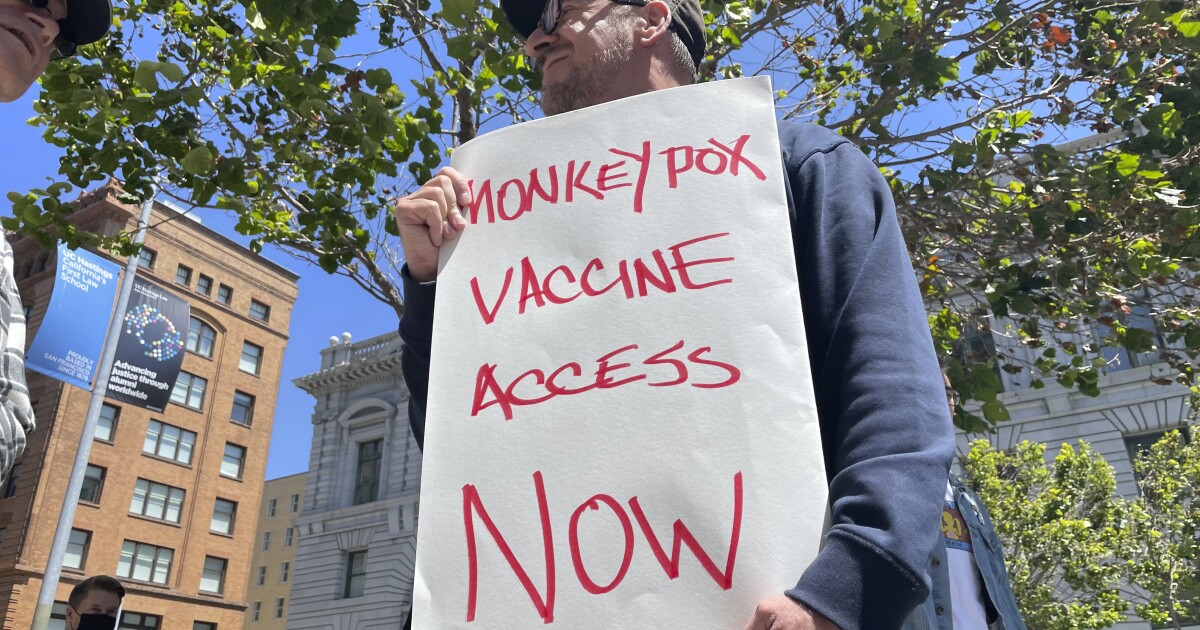
Newsom declares a state of emergency over monkeypox outbreak

Gov. Gavin Newsom on Monday declared a state of emergency in California over the spread of the monkeypox virus in order to “bolster the state’s vaccination efforts.”

“California is working urgently across all levels of government to slow the spread of monkeypox, leveraging our robust testing, contact tracing and community partnerships strengthened during the pandemic to ensure that those most at risk are our focus for vaccines, treatment and outreach,” Newsom said in statement.

Monkeypox is a rare disease similar to smallpox, though usually milder. It is largely spreading among men who have sex with men as well as transgender and nonbinary people, though health officials warn that anyone can contract the virus through direct contact with infectious sores, scabs or body fluids or by touching clothing and bedding used by a person with the virus.

Nearly 800 cases have been confirmed in California, according to the California Department of Public Health’s most recent data as of Thursday. The state reported that 98.3% of those cases were confirmed in men, the majority of whom identify as part of the LGBTQ community.

The proclamation makes it easier for the state to coordinate its response to the outbreak by ordering all state agencies to follow the direction of the Office of Emergency Services and the California Department of Public Health. The order also increases vaccination efforts by allowing EMS workers to administer vaccines, which remain in short supply.

Sen. Scott Wiener (D-San Francisco) and several other state lawmakers sent a letter to Newsom and legislative leaders Monday calling for an emergency budget appropriation of $38.5 million to support local monkeypox testing, vaccination, treatment and outreach for the first 90 days of the outbreak .

“The monkeypox outbreak is an emergency, and we need to use every tool we have to control it,” Wiener said in a statement after Newsom’s emergency declaration.

Newsom’s office said California has distributed more than 25,000 doses of the vaccine out of a total of 61,000 doses received to date. That total does not include a separate allocation the federal government directed to Los Angeles County.

The governor’s order said the state is “distributing its limited supply of the vaccine to local health jurisdictions based on a formula that considers current monkeypox cases and number of high-risk individuals.”

Those eligible for the vaccine in LA County include anyone who had direct contact with someone with monkeypox or attended a high-exposure event. Also eligible under the county’s guidelines are gay and bisexual men and transgender people who visited a commercial sex venue or other venue where they had anonymous sex or sex with multiple partners in the last three weeks, or who were diagnosed with gonorrhea or early syphilis within the last 12 months or are taking HIV pre-exposure prophylaxis medicine.

The governor’s office said more than 30 facilities and providers across the state are offering treatment for monkeypox, though access to the antiviral prescription drug tecovirimat is also limited.

“We’ll continue to work with the federal government to secure more vaccines, raise awareness about reducing risk, and stand with the LGBTQ community fighting stigmatization,” Newsom said.

Those infected by the virus initially have a fever, aches, swollen lymph nodes, chills and exhaustion. Later they develop a rash, usually starting on the face and then spreading, turning into pus-filled sores before healing.

Monkeypox illnesses typically resolve within two to four weeks but can cause severe pain, hospitalization, long-term symptoms and, in rare cases, death.

Los Angeles County Supervisor Kathryn Barger urged the county to “draw down all the support available to accelerate the distribution of vaccines and resources to those at risk and suffering from this terrible disease” in response to the governor’s order.

“I will work to ensure we’re doing so quickly and efficiently,” Barger said in a statement. “We don’t have any time to waste.”

An investigation into the first case of monkeypox in California began in a person who traveled abroad on May 21 and was confirmed on May 25.

Under the 1970 California Emergency Services Act, the governor has broad authority to respond during a state of emergency. The governor can “make, amend, and rescind” state regulations and suspend state statutes and has the power to redirect state funds to help in an emergency — even funds appropriated by the California Legislature for an entirely different purpose.

The California Supreme Court in 2021 upheld an appeals court ruling that affirmed Newsom’s emergency powers. Two state Republican lawmakers had challenged Newsom’s power after he declared a state of emergency due to the COVID-19 pandemic, arguing he had no right to issue an executive order requiring ballots to be mailed to the state’s 22 million registered voters before the Nov. 3 , 2020, election.

The high court ruled the law was constitutional because it required the governor to terminate a declared state of emergency as soon as possible and also allows the Legislature to end it by passing a joint resolution.