Categories
US

Manhunt over bloodied NJ woman sparked by misunderstanding

A nationwide manhunt over a bloody, thought-to-be-abducted woman in New Jersey was sparked by an accident and a bizarre misunderstanding, police told The Post Friday.

The unnamed woman — who was spotted screaming and bleeding inside a tractor-trailer on Route 130 Wednesday — was hurt when her husband hit the brakes to avoid an accident, South Brunswick Police Deputy Chief Jim Ryan said.

The woman, who was standing between the cab and the sleeper of the rig, flew forward and was left bleeding and screaming, he said.

But a worker from a nearby car rental company who did not see the big rig stop short, saw the woman bleeding and thought he might be witnessing a kidnapping and called police, Ryan said.

“He’s standing in a parking lot and he hears someone yell ‘help,’” said Ryan, adding the witness called police.

The mix-up triggered a multi-agency search for the truck and, after media reported the incident, at least 100 calls about possible sightings from Texas to California, Ryan said.

According to police, the nationwide manhunt for a though-to-be-abducted woman in New Jersey was due to a misunderstanding.
South Brunswick Police Department

Police used surveillance footage, including from local businesses, along with tips to track down the 50-something married couple and determine there was no foul play Thursday, Ryan said.

“It’s amazing what people can do if they mobilize,” he said. “I’m glad the outcome was positive.”

Despite the weird mix up, he said the witness ultimately did the right thing by reporting the woman in distress.

“He actually saw it accurately, and made some great observations,” Ryan said.

.

Categories
US

Inflation Reduction Act Keeps a Tax Loophole That Even Trump Hated

  • Democrats are poised to pass their inflation bill, but they won’t be closing the carried interest loophole.
  • Sen. Kyrsten Sinema of Arizona ultimately opposed axing the tax provision, which benefits wealthy investors.
  • Calls to close the loophole have come from Presidents Obama, Trump, and Biden.

Both Donald Trump and Barack Obama would’ve likely supported Democrats’ latest attempt to narrow a tax loophole that benefits some of America’s wealthiest investors.

But Sen. Kyrsten Sinema of Arizona killed that effort. On this issue, she’s an outlier among most Democrats who favored either narrowing it or getting rid of it entirely.

“Senator Sinema said she would not vote for the bill, not even move to proceed unless we took it out,” Senate Majority Leader Chuck Schumer said on Friday. “So, we had no choice.”

It’s a loss Democrats had to swallow this week in order to get Sinema’s vote, as she’s been a key centrist holdout in getting Biden’s agenda passed in a 50-50 Senate. With that tax provision out of the way, the party reached a deal to pass within days a $740 billion bill investing in climate, healthcare, and the fight against inflation.

While the bill preserves a 1% tax on share buybacks, axing the plan to narrow the carried interest loophole means keeping a tax break largely benefiting wealthy investors that’s been a target of former presidents from both parties.

The carried interest loophole allows wealthy investors to treat profits from an asset sale like capital gains instead of income, which means they pay a lower tax rate. It mostly benefits hedge fund managers, real estate investors, and private equity executives, who tend to get their income from cuts of selling investments in real estate or businesses —rather than from a typical paycheck.

Their salaries are structured as assets, rather than a paycheck, and therefore subject to the capital gains tax rate, which is far lower than the income tax most Americans have taken from their paychecks.

Critics have argued that money earned from carried interest is ordinary — rather than investment income — and should be taxed at the 37% income tax rate for the highest earners as a result, rather than the lower capital gains rate of typically 20%. Tax experts previously told Insider that most Americans wouldn’t feel the impact of the proposed change.

“For the person at home, it’s not going to raise their taxes. It’s a loophole closer for very highly paid people who buy and sell companies,” Samantha Jacoby, a senior legal tax analyst at the Center on Budget and Policy Priorities, said.

That makes it a popular mark across party lines. Barack Obama made repeated efforts during his presidency to close the loophole, but was ultimately unsuccessful. Donald Trump campaigned on closing it as well.

“The hedge fund guys are getting away with murder,” Trump said in a 2015 interview. “They’re making a tremendous amount of money. They have to pay taxes.”

Once in office, an initiative that would have closed the loophole was introduced as part of the Republicans’ 2017 tax legislation. But due to significant lobbying from the investment industry, the item was ultimately scrapped and replaced by a more limited narrowing of the tax measure, requiring some investors to hold assets for three years before taking advantage of it.

Predictably, calls to close the loophole resurfaced again when Biden took office. Sinema, however, proved to be the biggest obstacle to Democratic ambitions time and again.

While the Senator has not spoken in depth on the issue, she opposed a similar interest initiative carried during negotiations of the Build Back Better Bill last year. She’s also spoken in the past about the “billion dollars each year” private equity investors provide to small businesses, hinting at a support for the industry. And of course, there’s been speculation that campaign contributions she received from investment firms played a role in swaying her as well.

“Kyrsten has been clear and consistent for over a year that she will only support tax reforms and revenue options that support Arizona’s economic growth and competitiveness,” a Sinema spokesperson said in a statement. “At a time of record inflation, rising interest rates, and slowing economic growth, disincentivizing investments in Arizona businesses would hurt Arizona’s economy and ability to create jobs.”

Even with Sinema on board, however, the Inflation Reduction Act would not have closed the loophole entirely, and would have only extended the waiting period from three to five years under its initial proposal — narrowing, not fully closing, the loophole.

In place of the carried interest provision, the Democrats have reportedly added a 1% tax on stock buybacks — when a company buys its own shares to raise the stock price and reward shareholders. While Democrats might have preferred the first draft of the legislation, the buyback tax could raise $125 billion over 10 years, much more than the roughly $14 billion narrowing the loophole was projected to generate over the same timespan.

Critics of stock buybacks have long argued the practice serves to enrich company shareholders and discourages investments in the business and its workers. Given stock buybacks increase share prices, some have argued that discouraging companies from doing so with a tax will ultimately lead to lower share prices — hurting investors big and small.

Others, however, believe companies will continue to dole out the same amount of money to shareholders, but pivot from stock buybacks to more dividends.

“I think the impact here is going to be more about how we cut the shareholder returns pie, rather than does it make any big changes to company investment,” Ben Laidler, global markets strategist at eToro, previously told Insider.

Categories
US

Woman bleeding in truck, yelling for help called a ‘total accident’ by police

South Brunswick police have ruled out criminal activity Friday after a witness on Wednesday reported seeing a woman bleeding from the face and yelling for help in a tractor-trailer cab on Route 130.

The case “appears to be a total accident,” said Jim Ryan, the deputy chief of the South Brunswick Police Department.

Early reports from officials said the truck driver pulled the woman back into the tractor-trailer cab Wednesday afternoon. The driver then traveled on Route 130 South before exiting at Ridge Road, police said.

Police found the woman and the truck driver together late in the afternoon on Thursday, officials said. Both agreed to come to police headquarters. Ryan said police ruled out foul play after speaking with both the driver and the woman.

Ryan said the woman and man are a married couple in their 50s. The man, who was driving the truck, stopped short when a car merged in front of them, he said.

This caused the woman, who was standing in between the cab and the sleeper, to fall forward and hit her head on a cupholder. She began bleeding and calling for help, Ryan said.

He added that the husband pulled over to the shoulder of the road. When the husband saw her bleeding, he pulled her back into the truck and drove her to get her medical attention.

“He doesn’t even realize that the witness reports that it is even there,” Ryan said. “He was n’t even aware that anyone even saw the interaction between him and his wife of him.”

Police received tips from across the country after asking for help from the public through social media, officials said.

The woman received medical care and has a bandage on her head, Ryan said. “We’ve ruled out any criminal activity,” he added.

Our journalism needs your support. Please subscribe today to NJ.com.

Camille Furst may be reached at [email protected]. Find her on Twitter @CamilleFurst.

Categories
US

Woman bleeding in truck, yelling for help called a ‘total accident’ by police

South Brunswick police have ruled out criminal activity Friday after a witness on Wednesday reported seeing a woman bleeding from the face and yelling for help in a tractor-trailer cab on Route 130.

The case “appears to be a total accident,” said Jim Ryan, the deputy chief of the South Brunswick Police Department.

Early reports from officials said the truck driver pulled the woman back into the tractor-trailer cab Wednesday afternoon. The driver then traveled on Route 130 South before exiting at Ridge Road, police said.

Police found the woman and the truck driver together late in the afternoon on Thursday, officials said. Both agreed to come to police headquarters. Ryan said police ruled out foul play after speaking with both the driver and the woman.

Ryan said the woman and man are a married couple in their 50s. The man, who was driving the truck, stopped short when a car merged in front of them, he said.

This caused the woman, who was standing in between the cab and the sleeper, to fall forward and hit her head on a cupholder. She began bleeding and calling for help, Ryan said.

He added that the husband pulled over to the shoulder of the road. When the husband saw her bleeding, he pulled her back into the truck and drove her to get her medical attention.

“He doesn’t even realize that the witness reports that it is even there,” Ryan said. “He was n’t even aware that anyone even saw the interaction between him and his wife of him.”

Police received tips from across the country after asking for help from the public through social media, officials said.

The woman received medical care and has a bandage on her head, Ryan said. “We’ve ruled out any criminal activity,” he added.

Our journalism needs your support. Please subscribe today to NJ.com.

Camille Furst may be reached at [email protected]. Find her on Twitter @CamilleFurst.

Categories
US

Woman seen bloodied, yelling in NJ semi-truck found safe after 26-hour search

The search for a woman who was allegedly seen bleeding from the face and yelling for help in a white tractor-trailer cab in New Jersey has been found safe after a 26-hour manhunt, police announced Thursday evening.

A search was launched Wednesday afternoon after a witness reported seeing the woman bleeding and the man driving the truck pull her back into the cab around 2 pm on Route 130, heading towards the Ridge Road exit, South Brunswick Township police said.

Authorities released footage of the incident, pleading for tips on locating the truck.

The woman and the man in the incident were tracked down at 5:10 pm Thursday, police announced, and said the case was not as sinister as it initially seemed.

The pair was identified as a married couple in their 50s, Deputy Chief Jim Ryan told NBC News.

It turned out the woman was bleeding after hitting her head in the vehicle and in a panic attempted to get out through the window, and her husband sped off in the truck to get help, Ryan said.

Authorities said they received tips from around the country but the break in the case came from Gabrielli Truck Sales, a truck dealership located on Route 130 near where the incident took place, police said.

The business recovered video that allowed detectives to identify the truck and the female inside.

Authorities searched in Middlesex and Union counties for the white truck and detectives observed a man matching the witness description and leaving the truck in question and approached him.

Detectives also found the woman in the video at the same location.

Both agreed to go to the police headquarters and speak with detectives.

That’s when police learned the husband “stopped short” in the vehicle and his wife “fell forward and hit her head,” Ryan said.

“He pulled to the shoulder of the road when he saw she hit her head. She saw blood coming and she immediately panicked because she thought it was very bad so she was yelling for help and wanted to put pressure on it. When he stopped the truck and looked over and saw the bleeding he realized he had to take off to get help,” Ryan said.

“He never saw the witness or realized there was anyone who had seen the encounter,” Ryan added.

He said the wife’s bleeding eventually stopped and the couple ended up going to a local Rite Aid to get a bandage for her.

Ryan said when detectives found the couple they could see visible injury on the woman and she had a bandage on the side of her head.

Ryan said they also recovered video from inside the truck to confirm the couple’s account. He called finding the couple like “finding a needle in a haystack.” Tip calls came in from Texas, California, and Washington and police received help from the FBI.

“So often our stories are sad and tragic, and this one has a positive outcome because so many people got involved quickly and we found the answers,” Ryan said.

Chief Raymond Hayducka praised finding the couple as a “great team effort, from the community providing tips to detectives tracking down leads.”

“It was an exhaustive 26 hours, but we were able to locate the woman and make sure she was safe,” Hayducka said.

Categories
US

GOP Senate candidate won’t back Trump in 2024: ‘I hope he doesn’t run’

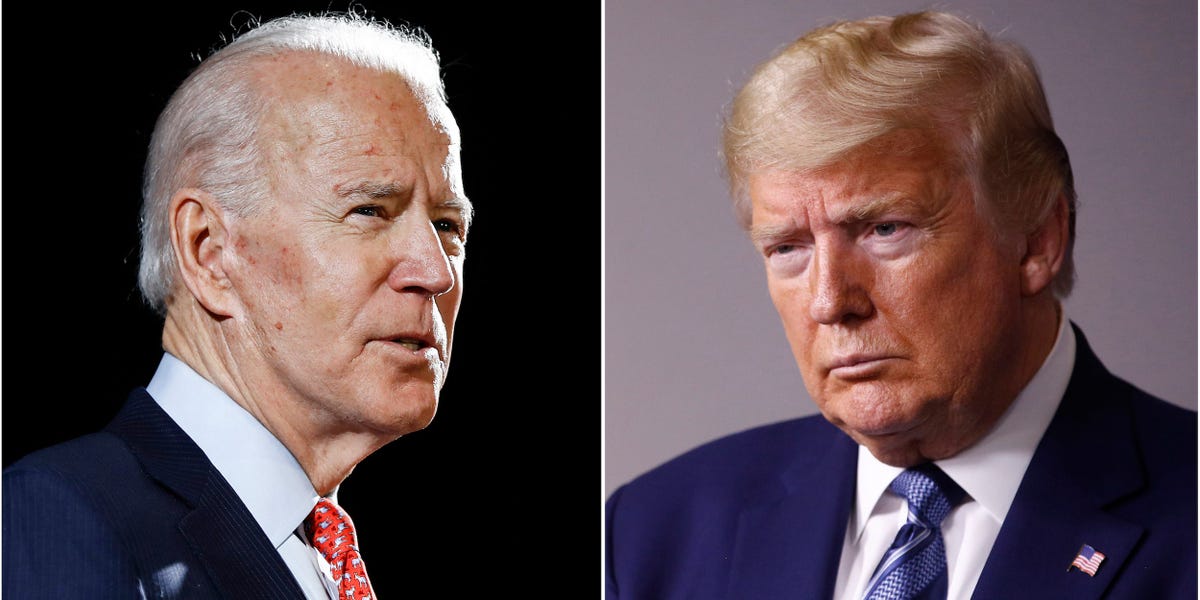
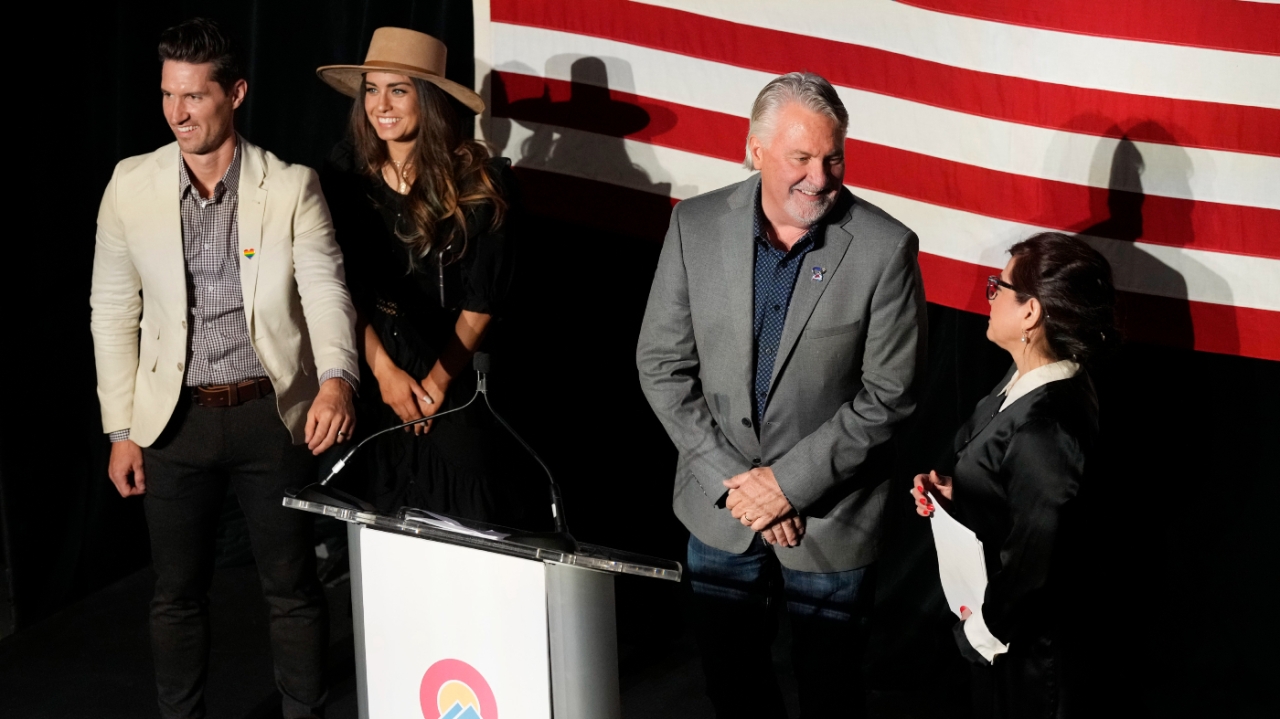
The Republican nominee for Senate in Colorado said on “The Ross Kaminsky Show” on Friday that he hopes neither President Biden nor former President Trump runs for president in 2024.

“As far as Trump’s concerned, I hope he doesn’t run,” Joe O’Dea said on the radio program. “I don’t want to see him as president.”

O’Dea continued: “I think a lot of people are ready to move our country forward. So I wouldn’t support him running again.”

The construction company executive sharply criticized Biden as well, calling him “the worst president we’ve ever had.”

“Look, I don’t think Biden should run for president, and he’s senile,” said O’Dea. “We’re done with that.”

O’Dea, who will run against incumbent Sen. Michael Bennet (D) in November, advanced from his primary election on June 28 with a victory against Trump-aligned Ron Hanks.

Hanks was present near the Capitol on Jan. 6, 2021, leading up to the deadly attack on the building in protest of Biden’s 2020 election win, though he reportedly did not participate in the insurrection.

O’Dea disagreed with him on the integrity of the 2020 election, saying that Biden had won fairly.

O’Dea voiced support for potential 2024 GOP presidential candidates such as Florida Gov. Ron DeSantis, South Carolina Sen. Tim Scott and former US Ambassador to the United Nations Nikki Haley.

“There’s a lot of great talent out there. We need to move this country forward,” O’Dea said of the Republican figures, adding: “I think that seeing a Biden-Trump rematch again in 2024 would rip the country apart.”

The nominee had previously indicated that he would vote for Trump if he was opposing Biden, saying that “if Donald Trump happens to be the Republican nominee, then I definitely won’t vote for Biden.”

.

Categories
US

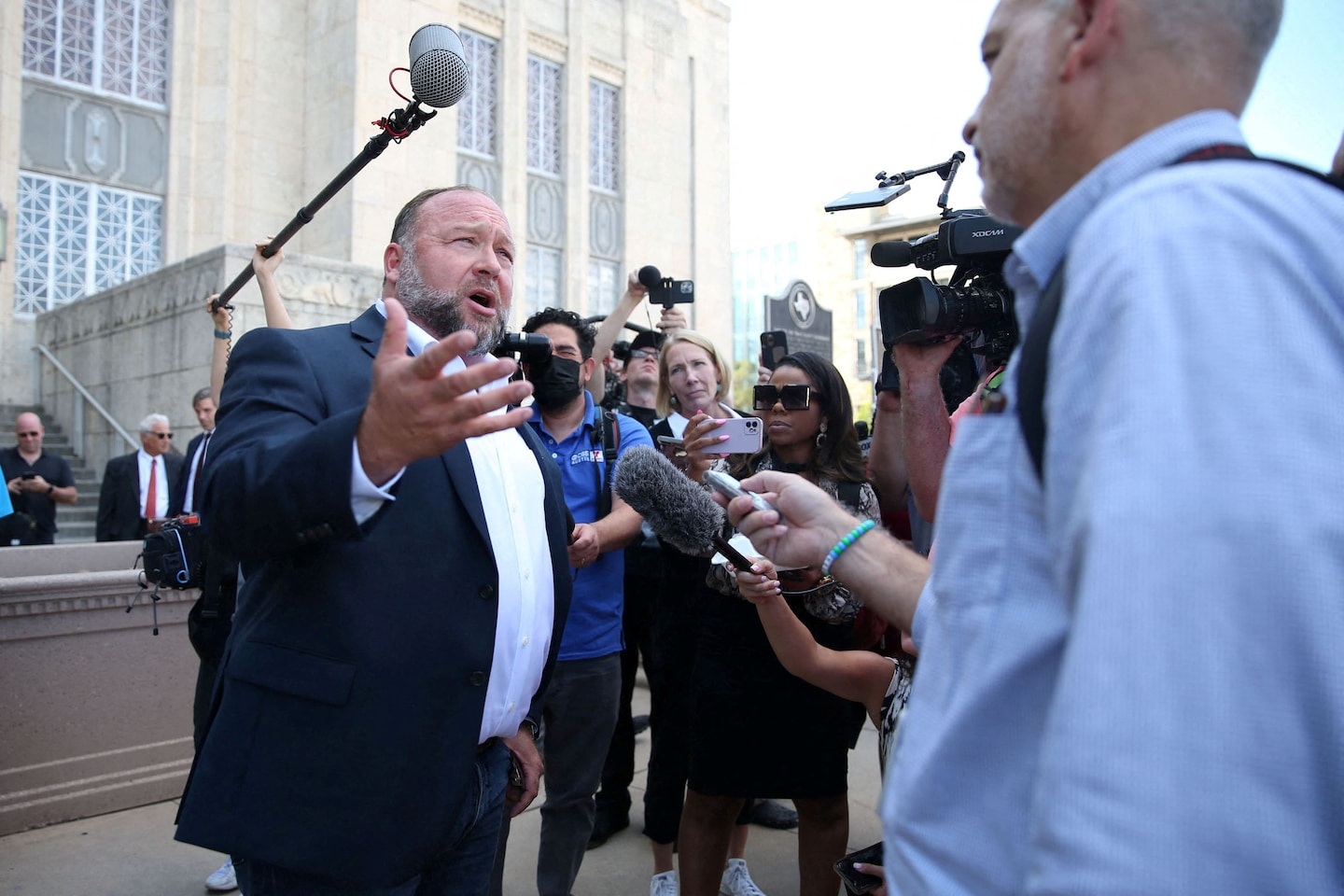
Alex Jones was embraced by Donald Trump, Joe Rogan years after Sandy Hook lies

Comment

In roughly 10 years since he declared the deadliest elementary school shooting in US history to be a “giant hoax,” Infowars founder Alex Jones has been denounced and de-platformed by tech giants such as Facebook, YouTube and Spotify, and faced significant financial blows . The latest came Thursday when a jury ruled that Jones had to pay $4.1 million in compensatory damages to the parents of a 6-year-old boy killed in the Sandy Hook mass shooting after he created a “living hell” for the family.

But as Jones’s false claims and rants launched him into the national political dialogue, his ascent has arguably been solidified, thanks to Donald Trump and Joe Rogan embracing Jones and endorsing his ideas to online audiences of millions of people in recent years.

Jones’s 2015 interview with Trump offered a window into some of the future president’s talking points at his rallies.

“Your reputation is amazing,” Trump told Jones at the time.

Jones going on “The Joe Rogan Experience” in 2020 allowed him to push false claims about coronavirus vaccination on Spotify, where he had been banned. A clip shared widely on Twitter this week shows how Rogan, whose show has an estimated audience of 11 million per episode, has previously defended Jones as “hilarious” and having entertainment value.

“What is he doing that’s so awful?” Rogan asked. “It’s entertaining!”

Representatives for Trump and Rogan did not immediately respond to requests for comment early Friday.

Alex Jones must pay $4.1 million to Sandy Hook parents, jury rules

The decision from an Austin jury on Thursday means that Jones could pay significantly less than the $150 million sought by Neil Heslin and Scarlett Lewis, the parents of 6-year-old Jesse Lewis, for remarks after the 2012 massacre at Sandy Hook Elementary School in Newtown, Conn., that left 26 people, 20 of them young children, dead. It remains to be seen how much Jones, 48, might be ordered to pay in punitive damages. The jury is expected to return Friday to weigh that amount — a sum that could be considerably higher.

On Aug. 4, Judge Maya Guerra Gamble read an Austin jury’s decision to fine Alex Jones 4.1 million in damages to Sandy Hook parents. (Video: Travis County 459th District Court)

Shortly after the Sandy Hook shooting, Jones, who has previously promoted conspiracy theories about the Oklahoma City bombing and 9/11 attacks, falsely claimed that “no one died” at the school and that the attack was “staged” and “manufactured” by gun-control advocates. The remarks not only outraged grieving parents but also led to death threats and abuse from strangers. After Heslin told the jury this week that the false claims had made his life a “living hell,” Jones conceded in court to the family that the shooting was “100 percent real.”

“Neil and Scarlett are thrilled with the result and look forward to putting Mr. Jones’s money to good use,” Mark Bankston, a lawyer for the parents, told The Washington Post on Thursday. “With punitive damages still to be decided and multiple additional defamation lawsuits pending, it is clear that Mr. Jones’s time on the American stage is finally coming to an end.”

His presence on the national stage was elevated when Trump, who became the front-runner for the Republican presidential nomination in 2016, agreed to be interviewed on Infowars. Trump and Jones said the December 2015 interview was arranged by Trump confidant Roger Stone — years later Jones and Stone would be subpoenaed by the House committee investigating the insurrection at the US Capitol on Jan. 6, 2021.

“I will not let you down,” Trump said to the Infowars founder.

Jones has acknowledged the impression he seemed to have on Trump, taking credit for introducing the then-candidate to the idea that media members were his “enemy.”

“It is surreal to talk about issues here on-air, and then, word-for-word, hear Trump say it two days later,” Jones told his audience at the time.

The connection between Trump and Jones was documented in “United States of Conspiracy,” a 2020 special from PBS’s “Frontline.” One of the lies Jones spread on his show was that former secretary of state Hillary Clinton and former president Barack Obama founded the Islamic State. Trump Jones repeated’s false claim about Clinton and Obama at one of the Republican candidate’s rallies before the 2016 presidential election, according to PBS. Trump repeated, during an interview with Fox News, another of Jones’s lies: that the father of Sen. Ted Cruz (R-Tex.) was associated with the assassination of President John F. Kennedy.

Former Infowars staffers told “Frontline” how Trump seemingly using Jones’s false claims as his own was “a super power trip for Alex that was irresistible.”

“Someone in the mainstream — Trump — using the words that Jones had been using for decades, I think that emboldened Jones, and it changed him as a personality,” said Josh Owens, a former video editor at Infowars.

The support from Trump elevated Jones in the national conversation, as when Fox News host Tucker Carlson hailed Jones as “one of the most popular journalists on the right.” Joe Walsh, the former GOP congressman from Illinois who has since become a vocal critic of Trump and his allies of him in the Republican Party, noted on Twitter this week how “there’s really no difference between Alex Jones and Donald Trump. None.”

But the raised profile also cost Jones. In 2018, Facebook, Apple, YouTube and Spotify were among the platforms to ban all content from Jones and Infowars for violating their hate-speech guidelines. After Roku dropped Infowars in 2019, Jones shared a cryptic post to his Instagram account of a tweet from Infowars reporter Owen Shroyer, which featured an artistic banner of Jones’s face looking enraged.

“Strike me down now and I only become more powerful,” Shroyer wrote.

Roku gave Infowars a platform reaching millions. After hours of outrage, it backed down.

In the podcasting world, Rogan is one of his premier personalities. Rogan, a lightning rod for controversy who has a huge following, came to an agreement with Spotify in 2020 for a reported $100 million for his podcast library.

So when Rogan welcomed Jones on his show in October 2020, the Infowars host listed a series of falsehoods surrounding coronavirus safety measures such as vaccination and masking, climate science and the polio vaccine. During the course of the three-hour appearance, Rogan also referenced Jones’s lies surrounding the Sandy Hook shooting.

“We all know that you’ve [messed] some things up, right?” Rogan said to Jones in 2020, specifically mentioning Sandy Hook. “But you’ve gotten so many things right. This is why I keep talking to you about these things, and that’s why I defend you and why I think it’s … dangerous to censor you.”

In response to the backlash that followed, Rogan defended having Jones on his show. Rogan said on Instagram that he fact-checked “every single crazy thing he said” and that “all of them were verified.”

“I knew people were going to criticize the content of the podcast without even listening and I was right,” Rogan wrote. “He said a lot of crazy, but accurate things, and that’s what I’ve been saying about him for years.”

Even though Spotify banned Jones and Infowars from its platforms, company executives also defended the booking, writing in an internal email how “it’s important to have diverse voices and points of view on our platform,” according to BuzzFeed News. Rogan found himself under fire at the beginning of 2022 for controversies surrounding coronavirus misinformation and the many previous instances in which the host used the n-word.

A spokesperson for Spotify did not immediately respond to a request for comment.

Rogan’s supporters have also taken a vested interest in Jones. On Reddit, users on the subreddit dedicated to Rogan have flooded the forum with posts about Jones and clips from the defamation damages trial. While some on Reddit are sick of reading about the one-time Rogan guest, others can’t get enough.

“Alex Jones Spewing FACTS!” one supporter wrote.

Categories
US

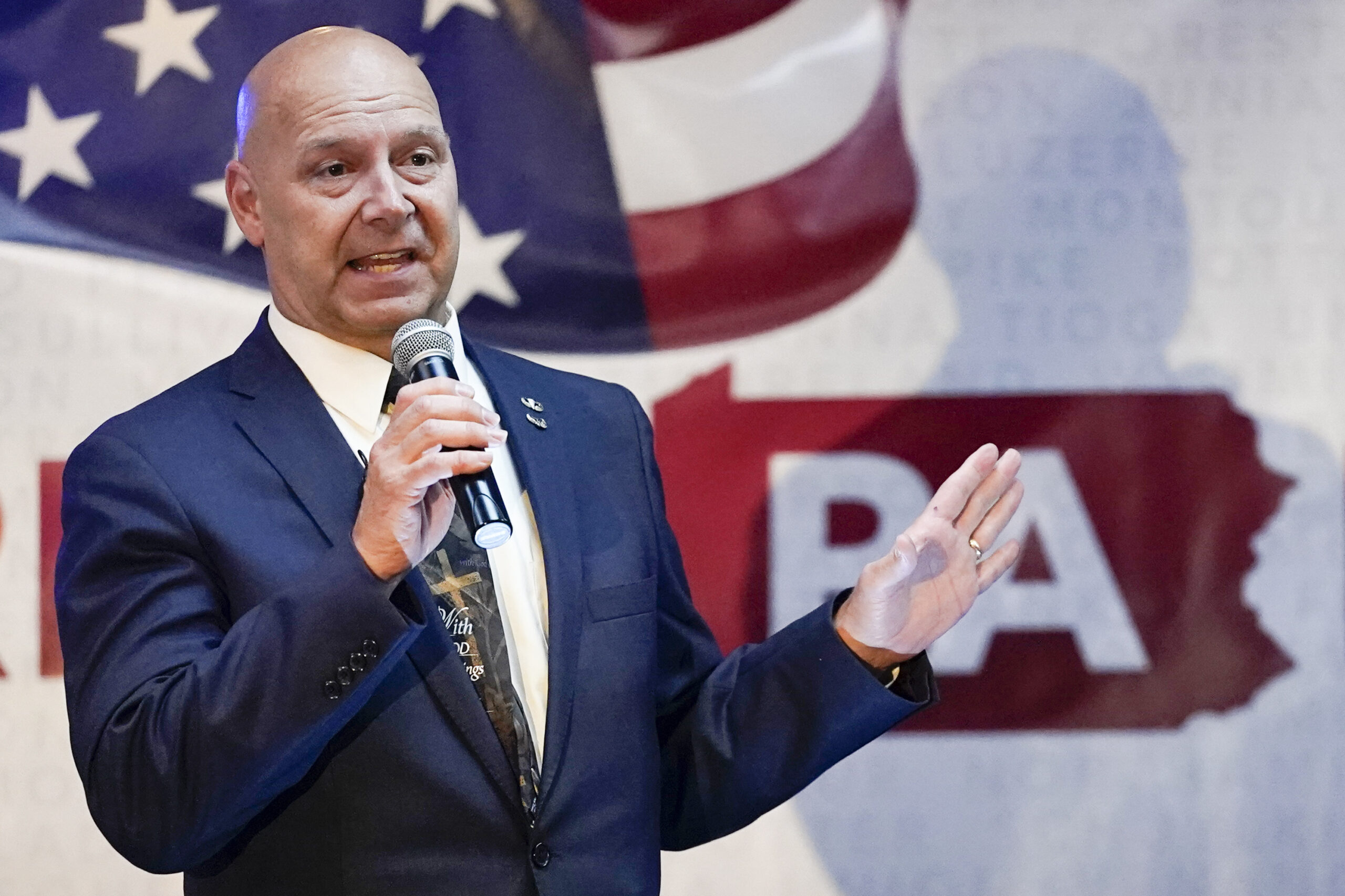
Mastriano threatens to renege on testifying to Jan. 6 panel

Mastriano is an ally of former President Donald Trump and supported his post-election efforts to contest the 2020 results in Pennsylvania. Trump and attorney Rudy Giuliani both later backed Mastriano in the competitive Republican gubernatorial primary.

The select committee subpoenaed him for documents and testimony on Feb. 15. Three months later, on May 17, he won the Republican primary. And just a few weeks after that, I have produced a tranche of documents to the panel. At the time, Mastriano’s lawyer told POLITICO that he and the committee had agreed the candidate would sit for a voluntary interview instead of a compelled deposition.

But in the three months since then, the situation seems to have changed. Parlatore, the lawyer, opened his letter by noting that the committee is “now demanding” that Mastriano sit for a compelled deposition, rather than a voluntary interview.

I have argued that the select panel cannot hold compelled depositions because the rules governing it require the involvement of a ranking member appointed by the minority party — and none of House Minority Leader Kevin McCarthy’s picks are seated. Rep. Liz Cheney (R-Wyo.) is the vice chair of the panel, but she was appointed by Speaker Nancy Pelosi.

Unlike other litigants, the Parlatore did not argue that the committee was illegitimate or incapable of issuing lawful subpoenas. Rather, he specifically looked at the narrow and technical issue of whether depositions can begin given the committee’s composition. Other legal challenges to committee subpoenas have all failed.

Parlatore asserted in his letter that this same argument resulted in the committee agreeing to have another client of his, Giuliani ally Bernie Kerik, sit for a voluntary interview instead of a compelled deposition.

Parlatore charged the committee with “a demonstrated propensity for releasing edited clips of interviews without the requisite context to support a false partisan narrative,” and said he worried they could do the same to Mastriano. As a solution, I have suggested that I also record the session itself and only release portions if the panel released clips “that require additional context, so as not to mislead the voters in Pennsylvania.”

Parlatore concluded the letter by raising the prospect of a legal fight.

“If we cannot agree on a reasonable arrangement for a voluntary interview, then we will have little choice but to go to court and litigate this issue,” he wrote.

A spokesperson for the select committee declined to comment.

Parlatore told POLITICO that Mastriano is worried about the way video clips from the interview could be edited.

“Senator Mastriano has nothing to hide and is happy to answer the committee’s questions, but is concerned that through deceptive editing, the committee could attempt to influence the outcome of the 2022 Pennsylvania state election through the dissemination of disinformation,” he said in a statement . “As long as we can agree to prophylactic measures to prevent such an occurrence, he is happy to proceed with the voluntary interview.”

Civil litigation related to congressional proceedings can take years, as was the case when Trump White House Counsel Don McGahn resisted publicly testifying about the Russia probe. The Jan. 6 committee, meanwhile, has been aggressive in referring uncooperative witnesses to the Justice Department, though prosecutors have only brought charges based on some of those referrals. They’ve notably declined to charge Trump’s White House chief of staff Mark Meadows and close senior aide Dan Scavino.

Select committee investigators have said Mastriano participated in efforts to recruit so-called alternate electors in Pennsylvania who would commit to voting for Trump in the electoral college even though Biden won the state. Mastriano was also in the crowd outside the Capitol on Jan. 6 as the mob became increasingly violent and forced its way into the building.

FiveThirtyEight’s polling average shows Mastriano’s Democratic opponent, state Attorney General Josh Shapiro, leading him in the race by about eight points.

Categories
US

Democrats’ Long-Sought Plan for Lowering Drug Costs Is at Hand

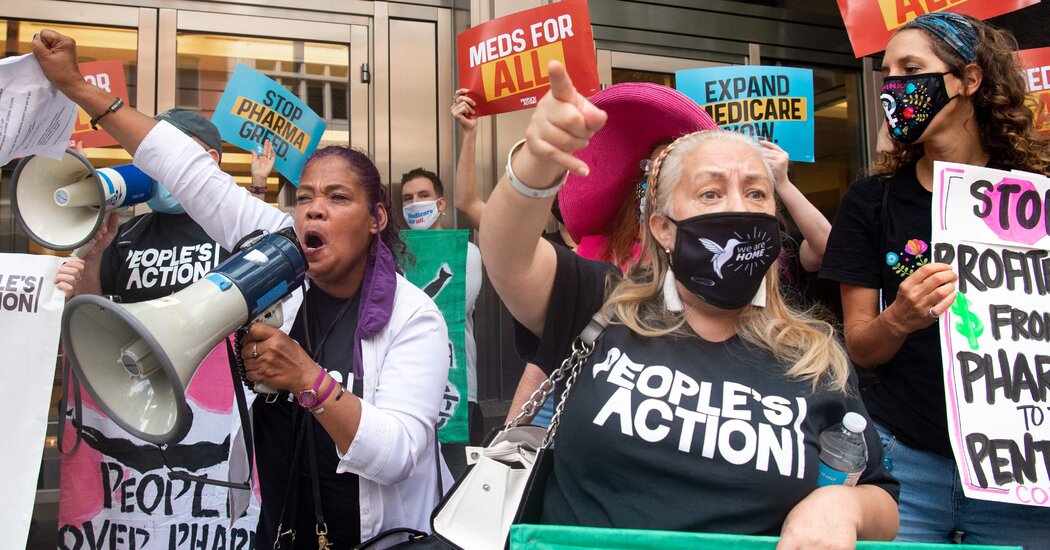
WASHINGTON — For decades, as prescription drug costs have soared, Democrats have battled with the pharmaceutical industry in pursuit of an elusive goal: legislation that could drive down prices by allowing Medicare to negotiate directly with drug makers.

Now they are on the verge of passing a broad budget bill that would do just that, and in the process deliver President Biden a political victory that he and his party can take to voters in November.

Empowering Medicare to negotiate prices for up to 10 drugs initially — and more later on — along with several other provisions aimed at lowering health care costs, would be the most substantial change to health policy since the Affordable Care Act became law in 2010, affecting a major swath of the population. It could save some older Americans thousands of dollars in medication costs each year.

The legislation would extend, for three years, the larger premium subsidies that low- and middle-income people have received during the coronavirus pandemic to get health coverage under the Affordable Care Act, and allow those with higher incomes who became eligible for such subsidies during the pandemic to keep them. It would also make drug makers absorb some of the cost of medicines whose prices rise faster than inflation.

Significantly, it also would limit how much Medicare recipients have to pay out of pocket for drugs at the pharmacy to $2,000 annually — a huge benefit for the 1.4 million beneficiaries who spend more than that each year, often on medicines for serious diseases like cancer and multiple sclerosis.

Lower prices would make a huge difference in the lives of people like Catherine Horine, 67, a retired secretary and lung recipient from Wheeling, Ill. She lives alone on a fixed income of about $24,000 a year. Her out-of-pocket drug costs are about $6,000 a year. She is digging into her savings from her, worried she will run out of money before long.

“Two years ago, I was $8,000 in the hole,” she said. “Last year, I was $15,000 in the hole. I expect to be more this year, because of inflation.”

Between 2009 and 2018, the average price more than doubled for a brand-name prescription drug in Medicare Part D, the program that covers products dispensed at the pharmacy, the Congressional Budget Office found. Between 2019 and 2020, price increases outpaced inflation for half of all drugs covered by Medicare, according to an analysis from the Kaiser Family Foundation.

The budget office estimates that the bill’s prescription drug provisions will save the federal government $288 billion over 10 years, in part by forcing the pharmaceutical industry to accept lower prices from Medicare for some of its big sellers.

Opponents argue that the measure would discourage innovation and cite a new CBO analysis that projects that it would actually lead to higher prices when drugs first come on the market.

Drugs for common conditions like cancer and diabetes that affect older people are most likely to be picked for negotiations. Analysts at the investment bank SVB Securities pointed to the blood thinner Eliquis, the cancer medication Imbruvica and the drug Ozempic, which is given to manage diabetes and obesity, as three of the first likely targets for negotiation.

Until recently, the idea that Medicare, which has about 64 million beneficiaries, would be able to use its muscle to cut deals with drug makers was unthinkable. Democrats have been pushing for it since President Bill Clinton proposed his contentious health care overhaul in 1993. The pharmaceutical industry’s fierce lobbying against it has become Washington lore.

“This is like lifting a curse,” Senator Ron Wyden, Democrat of Oregon and the architect of the measure, said of the Medicare negotiation provision. “Big Pharma has been protecting the ban on negotiation like it was the Holy Grail.”

David Mitchell, 72, is among those who would be helped. A retired Washington, DC, public relations man, he learned in 2010 that he had multiple myeloma, an incurable blood cancer. He pays $16,000 out of pocket each year for just one of four medicines he takes. He also founded an advocacy group, Patients for Affordable Drugs.

“Drugs don’t work if people can’t afford them, and too many people in this country can’t afford them,” Mr. Mitchell said. “Americans are angry and they’re being taken advantage of. They know it.”

Still, the measure would not deliver every tool that Democrats would like for reining in prescription drug costs. The negotiated prices would not go into effect until 2026, and even then would apply only to a small fraction of the prescription drugs taken by Medicare beneficiaries. Pharmaceutical companies would still be able to charge Medicare high prices for new drugs.

That is a disappointment to the progressive wing of the party; The American Prospect, a liberal magazine, has dismissed the measure as “exceedingly modest.”

Prescription drug prices in the United States are far higher than those in other countries. A 2021 report from the RAND Corporation found that drug prices in this country were more than seven times higher than in Turkey, for instance.

The pharmaceutical industry spends far more than any other sector to advance its interests in Washington. Since 1998, it has spent $5.2 billion on lobbying, according to Open Secrets, which tracks money in politics. The insurance industry, the next biggest spender, has spent $3.3 billion. Drug makers spread their money around, giving to Democrats and Republicans in roughly equal amounts.

At a media briefing last week. Stephen J. Ubl, the chief executive of PhRMA, the drug industry’s main lobbying group, warned that the bill would reverse progress on the treatment front, especially in cancer care — a high priority for Mr. Biden, whose son died of a brain tumor .

“Democrats are about to make a historic mistake that will devastate patients desperate for new cures,” Mr. Ubl said, adding, “Fewer new medicines is a steep price to pay for a bill that doesn’t do enough to make medicines more affordable .”

But Dr. Aaron S. Kesselheim, a professor of medicine at Harvard Medical School and Brigham and Women’s Hospital, said he believed the measure would spur innovation, by “encouraging investment in important new products rather than encouraging pharmaceutical companies to try to keep pushing the same product and delaying generic entry as long as possible.”

In 1999, after his health care plan failed, Mr. Clinton resurrected the idea of ​​Medicare prescription drug coverage. But this time, instead of proposing that Medicare negotiate with companies, I have suggested leaving that to the private sector.

“At that point, what we were trying to do was to accommodate the recognition that Republicans were lockstep in opposition to any type of government role,” said Tom Daschle, the former Senate Democratic leader.

But it took a Republican president, George W. Bush, and a Republican Congress to push the prescription drug benefit over the finish line.

Medicare Part D, as the benefit is known, had the backing of the drug industry for two reasons: The companies became convinced they would gain millions of new customers, and the bill contained a “noninterference clause,” which explicitly barred Medicare from negotiating directly with drugmakers. Repealing that clause is at the heart of the current legislation.

The architect of the benefit was a colorful Louisiana Republican congressman, Billy Tauzin, who led the House Energy and Commerce committee at the time. In Washington, Mr. Tauzin is best remembered as an example of the drug industry’s influence: He left Congress in January 2005 to run PhRMA, drawing accusations that he was being rewarded for doing the companies’ bidding — an accusation Mr. Tauzin insists is a false “narrative” created by Democrats to paint Republicans as corrupt.

Joel White, a Republican health policy consultant who helped write the 2003 law that created Medicare Part D, said the program was designed for private insurers, pharmacy benefit managers and companies that already negotiate rebates for Medicare plan sponsors to use their leverage to drive down prices .

“The whole model was designed to promote private competition,” he said.

In the years since Medicare Part D was introduced, polling has consistently found that a vast majority of Americans from both parties want the federal government to be allowed to negotiate drug prices. Former President Donald J. Trump embraced the idea, though only during his campaign.

The new legislation targets widely used drugs during a specific phase of their existence — when they have been on the market for a number of years but still lack generic competition. The industry has come under criticism for deploying strategies to extend the patent period, like slightly tweaking drug formulas or reaching “pay for delay” deals with rival manufacturers to postpone the arrival of cheap generics and “biosimilars,” as the generic versions of biotechnology drugs are called.

The drug maker AbbVie, for instance, piled up new patents to maintain a monopoly on its blockbuster anti-inflammatory medicine Humira — and it has reaped roughly $20 billion a year from the drug since its main patent expired in 2016.

Ten drugs would qualify for negotiation in 2026, with more added in subsequent years. The bill outlines criteria by which the drugs would be chosen, but the ultimate decision would rest with the health secretary — a provision that Mr. White, the Republican consultant warned, would lead to “an incredible lobbying campaign” to get drugs on the list or keep them off it.

Analysts say the bill would hurt drug makers’ bottom lines. Analysts at the investment bank RBC Capital Markets estimated that most companies affected by the measure would bring in 10 to 15 percent less revenue annually by the end of the decade.

But while PhRMA has warned that a decline in revenue will make drug makers less willing to invest in research and development, the Congressional Budget Office projected that only 15 fewer drugs would reach the market over the next 30 years, out of an estimated 1,300 expected in that time.

If the bill passes, as expected, it will pierce the drug industry’s aura of power in Washington, opening the door for more drugs to become subject to negotiations, said Leslie Dach, founder of Protect Our Care, an advocacy group.

“Once you lose your invincibility,” he said, “it’s a lot easier for people to take the next step.”

Categories
US

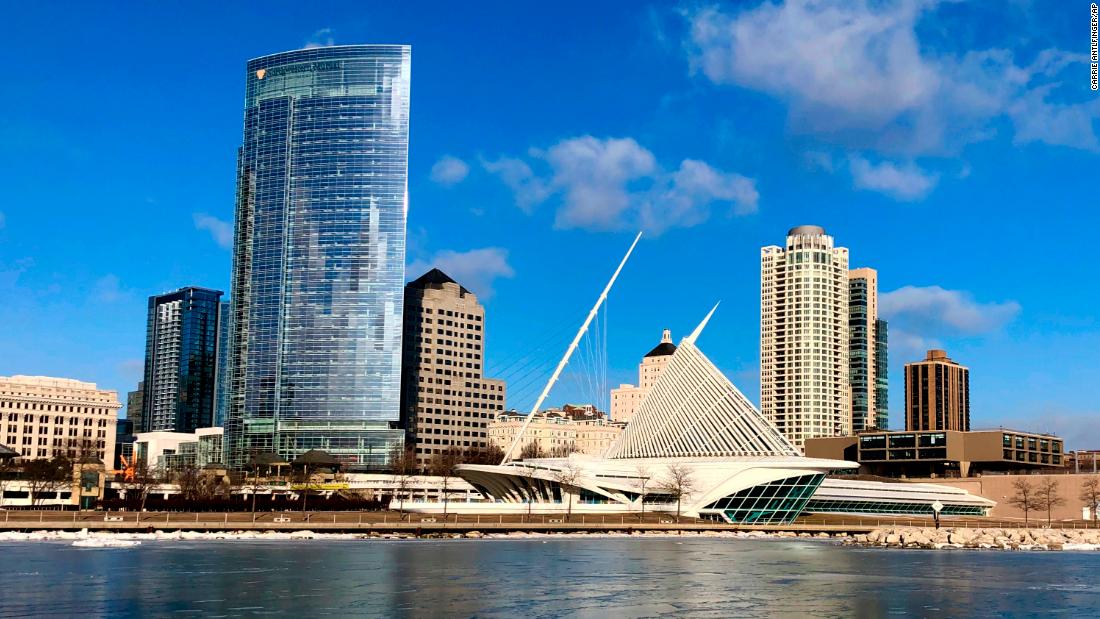
RNC announces it will hold 2024 convention in Milwaukee

The convention site was unanimously approved by RNC members during a closed-door vote Friday morning at the party’s annual summer meeting here. McDaniel was joined by former White House chief of staff and onetime RNC chairman Reince Priebus, along with members of the party’s Wisconsin delegation for the announcement.

“In the next two years, we look forward to working with the mayor and everyone in the community to make this an event that highlights not just our nominee … but the great city that Milwaukee is,” McDaniel said.

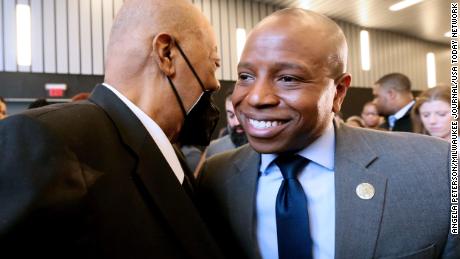
Milwaukee Mayor Cavalier Johnson, a Democrat, defended the decision to host the convention in his city, telling CNN the move “does not mean” Milwaukee is “signing up for the platform of the Republican Party.”

GOP committee recommends Milwaukee hosts 2024 Republican National Convention

“My stance, and I think that most Democrats understand this, is that this is not a political decision, it is a business decision,” Johnson said. “It will present an opportunity for us to have millions of dollars of economic impact… for us to fill our restaurants, our bars, our hotels, and to support our hospitality industry that’s been battered by Covid, of course, over the last couple of years.”

Johnson joined McDaniel Friday to officially unveil Milwaukee as the convention site choice, just days after Nashville fell out of contention as a potential alternative. Milwaukee began its bid to be a convention host nearly a year ago, and city representatives met with RNC officials in February as they toured finalist cities, which included Salt Lake City and Pittsburgh at the time. Both cities were later removed from the running.

Later Friday, former President Donald Trump is scheduled to host a rally in the Milwaukee suburb of Waukesha to campaign for Tim Michels, the GOP candidate for governor, ahead of the state’s primary next week. Trump’s sustained popularity with the GOP base would likely position him as a front-runner in a crowded 2024 GOP primary should he launch another presidential campaign, as is widely expected.
Johnson, who said he will actively campaign for President Joe Biden’s reelection in 2024, dismissed security concerns about protests around the convention in Milwaukee, including if Trump — one of the most polarizing figures in American politics — is the Republican nominee.

“I think that any time you host a large-scale event, there is potential for that sort of activity. Our police department is well-versed, and I think they are prepared for the convention,” Johnson said, noting that Milwaukee was originally supposed to host the 2020 Democratic National Convention before it switched to a virtual format amid the coronavirus pandemic.

“The police in Milwaukee are already well prepared for this and will really be in a prime position to execute what we were about to execute the last go-round,” Johnson said.

This story has been updated with additional reporting on the selection.

.