EVO, the year’s biggest fighting games event, went down over the weekend, and in terms of news perhaps the biggest announcement was that not one but two games will be getting Rollback Netcode improvements over the next 12 months. Don’t know what that means, or why it’s important? I got you!
So in online multiplayer games, a large part of allowing everyone to play together is the way the game registers everyone’s actions at the same time. When a person in Canada is playing someone in Germany they’ll both be pressing buttons in their own homes, and the game needs to pick up those inputs, apply them to the game and have them play out in a way that makes the whole thing look as seamless as though they were playing with (or against) each other in the same room.
Different games (and different genres) handle this differently, depending on how important speed and accuracy is to the player’s experience, but one type of input recognition that’s especially important to anyone playing a fighting game — where every frame and millisecond can mean the difference between victory and defeat — is called Rollback Netcode.
Rollback Netcode doesn’t rely on waiting for everyone’s input before registering actions; Instead it lets both players press their buttons and see the action play out instantly without lag or delay, as though they were playing offline, and in the downtime between that and the opponent’s action arriving the game basically guesses what was going to happen next. If it guessed right the game continues with nobody noticing, and if it was wrong, it checks down to play out the action that the other player actually made, which sometimes involves a little “teleporting”.
The very helpful video below, by Code Mystics, explains how Rollback Netcode works, and how in fighting games it’s speed and accuracy make it so superior to the more traditional Input Delay:
OKAY! So now that we’re all up to speed on Rollback Netcode, you can understand why such a seemingly minor announcement is actually a huge deal for fighting game fans, and why these two announcements made at EVO went down so well with fans.
First up, producer Tomoko Hiroki took to the stage to announce that the upcoming versions of dragon ball fighter z on PS5 and Xbox Series X|S will be getting Rollback Netcode, as will the PC version, though on the latter players will get the option whether to use Rollback Netcode (which will carry a slightly steeper system requirement) or stick with Input Delay.
It doesn’t look like the upgrade will be coming to the PS4, Xbox One or Switch versions of the game, though the last-gen PlayStation and Xbox versions will have upgrade paths made available for anyone who upgrades to newer systems.
As for when this is actually coming, it doesn’t sound like it will be soon, with the announcement saying “It will take some time until the system is implemented, but we sincerely hope you will enjoy it as soon as possible. More information will be released at a later date. Please wait for further details.”
The 2019 reboot of samurai showdown got the same announcement, with SNK teaming up with Code Mystics — creators of the vid above — to implement the upgrade. It’ll be coming to the PC, PS4, Xbox One and Xbox Series X|S versions of the game (again leaving the Switch behind), and is “planned” for Spring 2023.
Big news for Samurai Showdown, as @SNKPofficial announces rollback is coming spring 2023!
The two largest Japanese camera manufacturers have pulled out of the eleven lucrative entry-level point-and-click camera market.
Nikon and Panasonic have both suspended development of cheaper model cameras, instead turning their attentions towards the professional market.
Compact digital cameras were big business in the 2000s, with global shipments peaking at 110 million cameras in 2008. The casual market has long turned to the smartphone; global shipments dropped to just 3.01 million cameras in 2011 – a 97 per cent fall from the peak.
“We’ve halted developing any new models that can be replaced by a smartphone,” a Panasonic spokesperson said. The company has been downgrading its Lumix digital camera since 2019, not selling any models under A$530.
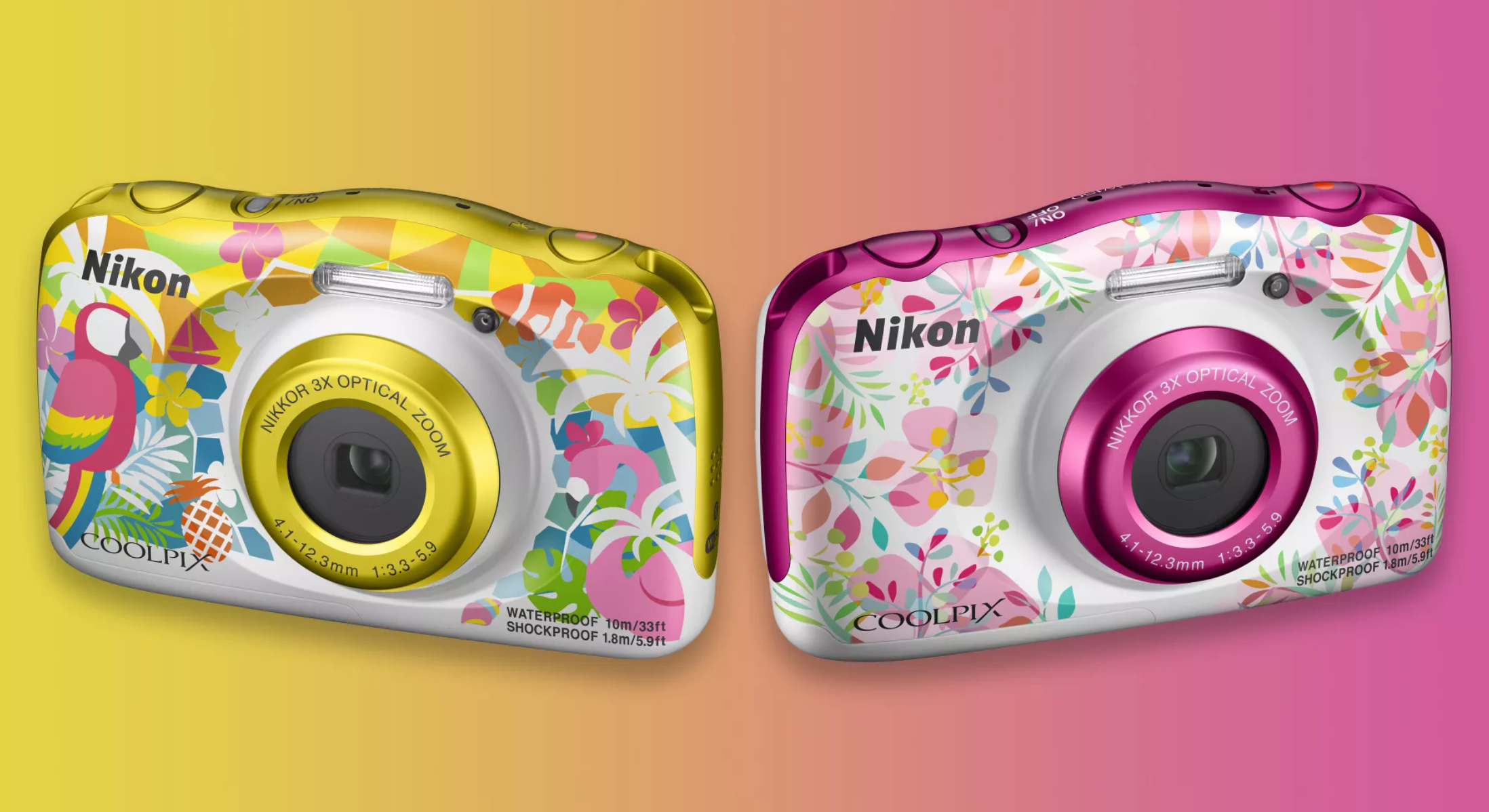
Likewise, Nikon has discontinued lower-end models in its Coolpix range, with just two high-powered lens models available. The company is “closely monitoring market trends” in regards to this line. It has completely withdrawn from development of SLR cameras.
In June, Terushi Shimizu, CEO of Sony Semiconductor Solutions said that smartphone cameras will make DSLR cameras obsolete by 2024.
”We expect that still images from smartphones will exceed the image quality of single-lens reflex cameras within the next few years,” he said at a business briefing.
“Around 2019, it was said that the three elements of the battery, display, and camera will evolve in smartphones.
“While the other two are technically saturated, there are still expectations for the camera to evolve.”
We’ve been hearing all sorts of bad news about Intel’s new Arc GPUs where I’ve been reporting on news that Intel would outright cancel their Arc GPUs altogether over how bad it has gotten, and now Intel has reportedly lost their first AIB.
The first AIB to stop production of custom Intel Arc GPUs has reportedly made history, becoming the first AIB to pull out of Intel’s new Arc GPUs before they even really began. The news is coming from Igor Wallossek at Igor’s Lab, who reports that the first of the big board partners have “stopped the production of Intel cards completely” which his sources say are “due to quality concerns”.
Igor reports: “At least one of the big board partners has even stopped the production of Intel cards completely (“due to quality concerns”), as I could find out yesterday and today. […] Other board partners have at least already completely capped their marketing activities, and it does not currently look as if there will be any real launch offensives from the board partners in the time window I mentioned between August 5, 2022 and September 29, 2022. What will really arrive on the market (as retail) will be seen in the next few weeks. From the customer’s point of view, I can only hope for the best, I alone lack faith“.
So all that “negativity” that I’ve been accused of, which is me just doing my job: reporting the news, the rumours, and everything in between… seems to be true. Intel has been a mess for a while now, with miscommunication about its Arc GPUs reportedly happening both inside, and outside of the company. Intel is telling some of its departments one thing while having a different external message.
We might see this particular AIB partner spool up the production of Intel Arc GPUs in the future, but I’m sure they’ll be wanting to wait to see how Intel’s new Arc GPUs go in the coming 6-18 months. Game compatibility, driver issues, hardware and software issues, and a million other things that I’m sure AIBs are scared of… warranties and returns will happen.
AIBs will take a huge hit when that happens, and I’m sure Intel isn’t worried about its brand (it’s big enough, they’ll survive… but the image of their GPU marketing will be almost beyond destroyed, all credibility gone) but it’ll cost them in the end in terms of consumer confidence, market confidence, and I’m sure many more ways that the company will experience throughout the end of this year and into 2023.
Motorola, who is expected to launch it’s new flagship X30 Pro (likely to be called the Edge 30 Ultra in Australia) and foldable Razr 2022 on August 11th after canceling the August 2na event, you have confirmed the camera configurations for the X30 Pro.
While it the Moto X30 Pro is already known as the first phone to boast a 200MP camera, however the best specs of the device including the cameras were posted on the Lenovo website.
As expected, the 200MP main camera is the Samsung HP1, sporting a 1/1.22 sensor size and a 2.56-micron pixel size and support for 8K video at 30fps.
Alongside this, Motorola has fitted the X30 Pro with a 50MP ultra-wide lens with a 117-degree FOV, which will also feature as a 2.5ccm focal length macro camera. Finally, the third rear camera will be a 12MP Sony IMX663 telephoto camera, whilst the selfie camera will be 60MP.
A true flagship phone, the X30 Pro will sport the Snapdragon 8+ Gen 1 SoC and come in three RAM/Storage configurations (8/128GB, 12/256GB and 12/512GB) however Australia is likely to only get the lowest configuration, as It was the case with the Motorola Edge 30 Pro.
It is expected to have a 4,550mAh battery, 125W charging support, a 6.67-inch OLED FHD+ screen and a 144Hz refresh rate.
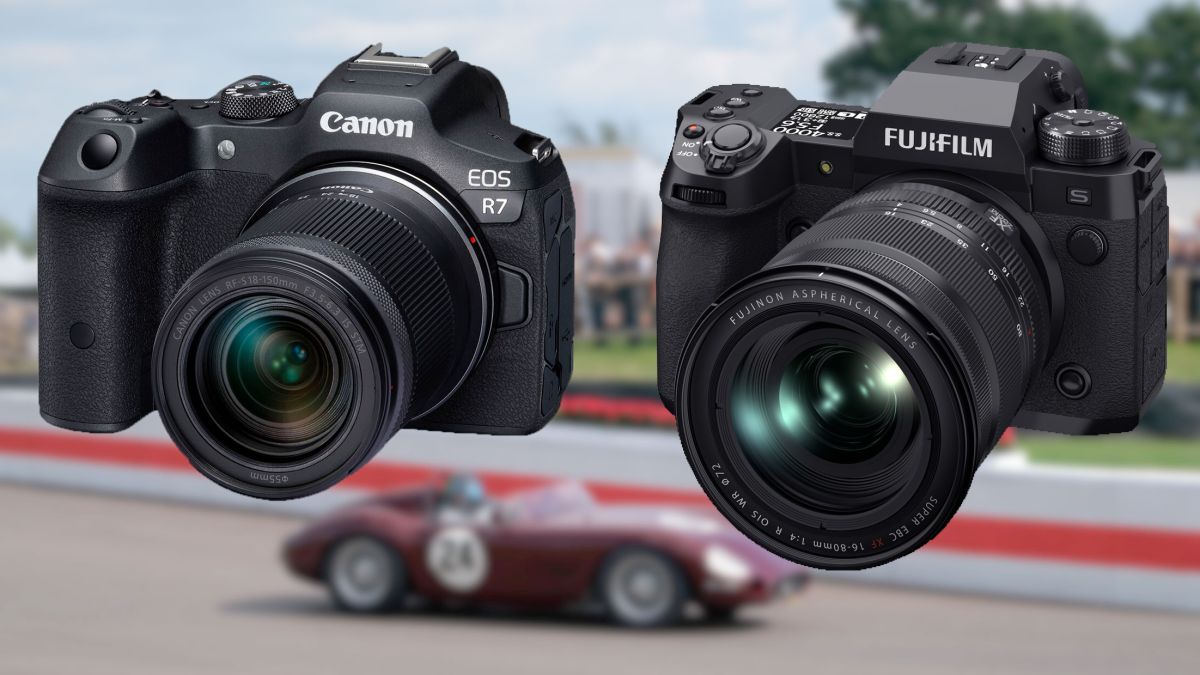
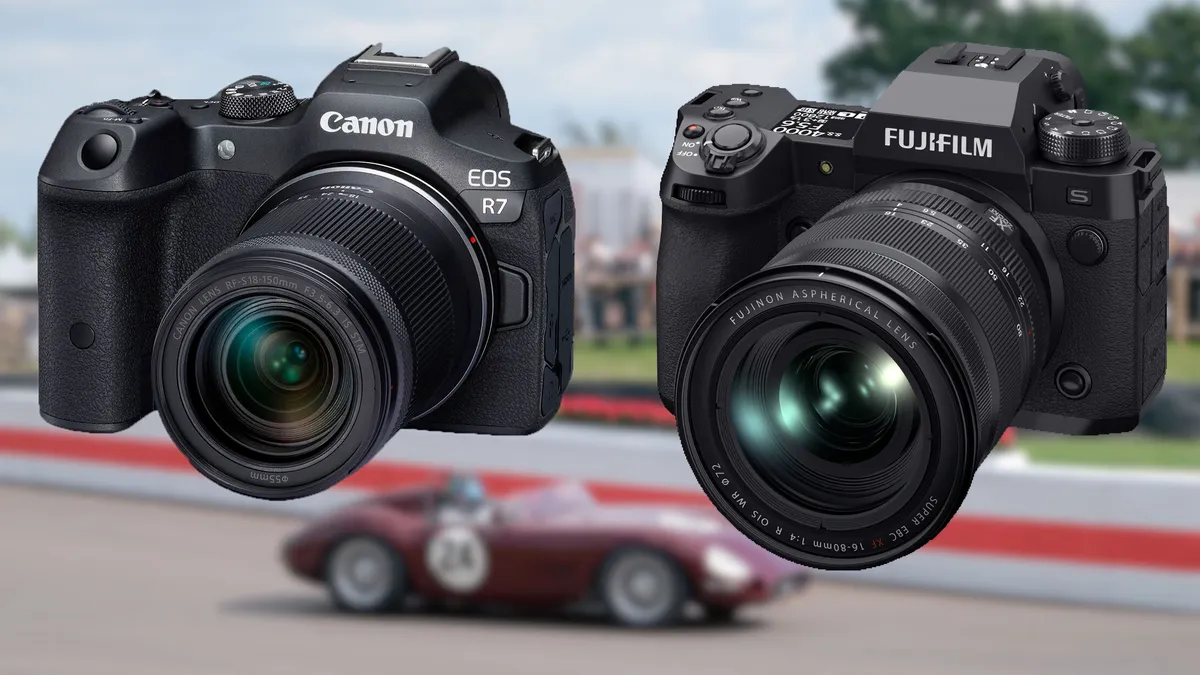
the Canon EOS R7 and Fujifilm X-H2S were announced within a few days of each other, both sitting at the top of their manufacturer’s APS-C mirrorless camera line-up.
They are also both vying for the attention of dedicated enthusiast photographers who want the smaller size, lower weight and greater ‘reach’ of an APC-S format mirrorless camera system instead of the bulk and extra cost of a full-frame model. In this post, we’ll take a look at some of the key features of the Canon EOS R7 and Fujifilm X-H2S to see how they compare to help you decide which it is the best APS-C format camera for you.
1.sensor
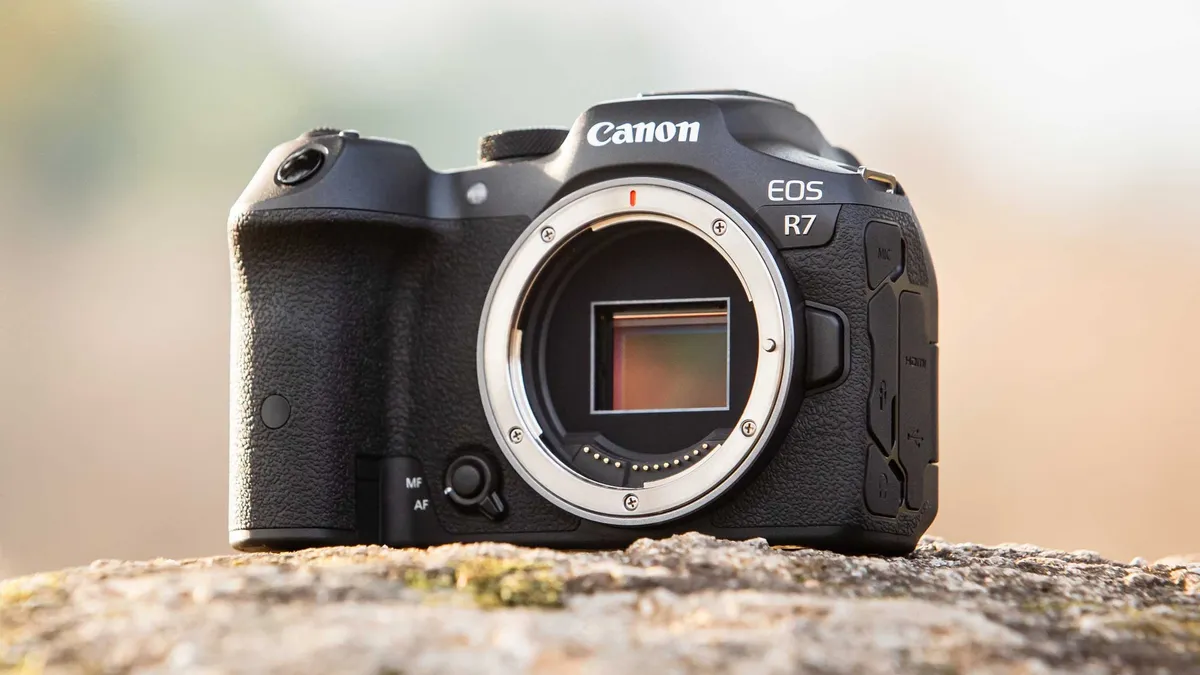
Both cameras have APS-C sensors, but the Canon’s has a higher resolution of 32.5MP. (Image credit: Canon)
(opens in new tab)
•Canon EOS R7: 32.5Mp APS-C format CMOS • Fujifilm X-H2S: 26.1MP APS-C format X-Trans CMOS 5HS
With over 6 million more pixels, the Canon EOS R7 is potentially capable of capturing larger and potentially more detailed images than the Fujifilm X-H2S. However, it’s worth noting that the X-H2S’s sensor has a stacked design which helps to boost its performance all round. Canon on the other hand has used a similar sensor to the one in the Canon EOS 90D for the R7, tweaking the micro lenses and electronics to boost performance. We can be pretty confident that it’s not backside illuminated or stacked because you can be sure that Canon would shout about it if it was.
2.Continuous shooting
The EOS R7 and X-H2S look close for burst speeds, but the X-H2S edges it with its 40fps maximum and superior buffer depth. (Image credit: Hannah Rooke)
(opens in new tab)
•Canon EOS R7: Mechanical shutter: 15fps for 224 JPEGs or 51 raw images, Electronic shutter: 30fps for 126 JPEGs or 42 raw images • Fujifilm X-H2S: Mechanical shutter: 15fps for 1000+ JPEGs or 1000 uncompressed raw files, Electronic shutter: 40fps for 184 JPEGs or 140 uncompressed raw
Both cameras offer a maximum continuous shooting rate of 15fps (frames per second) when their mechanical shutter is in use, which is a figure we could only have dreamed of a few years ago. However, switch to use the electronic shutter and things ramp up with the Canon R7 shooting at up to 30fps and the Fujifilm X-H2S hitting 40fps. For most photographers, 30fps is more than enough, but occasionally, the ability to shoot full-resolution images at 40fps could be useful and the Fujifilm’s burst depth is impressive.
3. Video
Both cameras are very capable video tools, but the X-H2S is geared towards a more professional audience. (Image credit: Fujifilm)
(opens in new tab)
•Canon EOS R7: 4K (3840 x 2160) at up to 60p with or without a 1.8x crop • Fujifilm X-H2S: 6.2K (6240×4160) 29.97/25/24/23.98p, DCI 4K (4096×2160) 59.94/50/29.97/25/24/23.98p 720Mbps/360Mbps/200Mbps/100Mbps/50Mbps, 4:2:2 10-bit internal recording
While both cameras can record 4K video at up to 60p in their standard mode, the Fujifilm can push to 120p in High Speed mode for more dramatic slow motion videos. The X-H2S also wins in the resolution stakes with a maximum of 6.2K – also at up to 60p.
Both cameras feature a Log mode (the X-H2S has two), to extend dynamic range, but with the option to shoot in MOV format as well as MP4, plus Apple ProRes 422 HQ, Apple ProRes 422 and Apple ProRes 422 LT, and All Intra (or Long GOP) compression rather than inter frame, the X-H2S is the more serious video camera of the two.
4.Auto focus
•Canon EOS R7: Dual Pixel CMOS II AF phase detection with up to 5915 positions and 651 automatically selectable points • Fujifilm X-H2S: Intelligent Hybrid with up to 425 points, Face/Eye Detection, Subject Detection
While Canon plumps exclusively for phase detection focusing on the R7, the Fujifilm X-H2S has a hybrid focusing system that employs both contrast and phase detection. Both are swift and decisive.
There’s also subject detection on hand with the R7 being capable of detecting humans (eyes/face/head/body), animals (dogs, cats and birds) or vehicles (racing cars or motor bikes) and the Fujifilm X-H2S offering a similar array but grouped as human face/eye, animal, bird, automobile, motorcycle and bike, airplane and train. You have to select the type of subject that you want to detect with either camera and there are pros and cons to having animals and birds grouped together or separate. The honors are even.
5. Stabilization
The Canon EOS R7’s IBIS offers up to 8 stops of compensation compared to 7 stops for the X-H2S, though much depends on the lenses used. (Image credit: Canon)
(opens in new tab)
•Canon EOS R7: In-body 5-axis image stabilization (IBIS) up to 8EV • Fujifilm X-H2S: In-body 5-axis image stabilization (IBIS) to up to 7EV
In-camera stabilization is pretty much a given for any new camera so it’s no surprise to see it in the Canon EOS R7 and Fujifilm X-H2S. Both offer impressive shutter speed compensation but with the R7 offering up to one stop more than the X-H2S, it has an edge.
One thing to bear in mind, however, is that the actual degree of stabilization that you get depends upon the lens that is mounted and some people will be able to eke out more than others.
6.Construction and controls
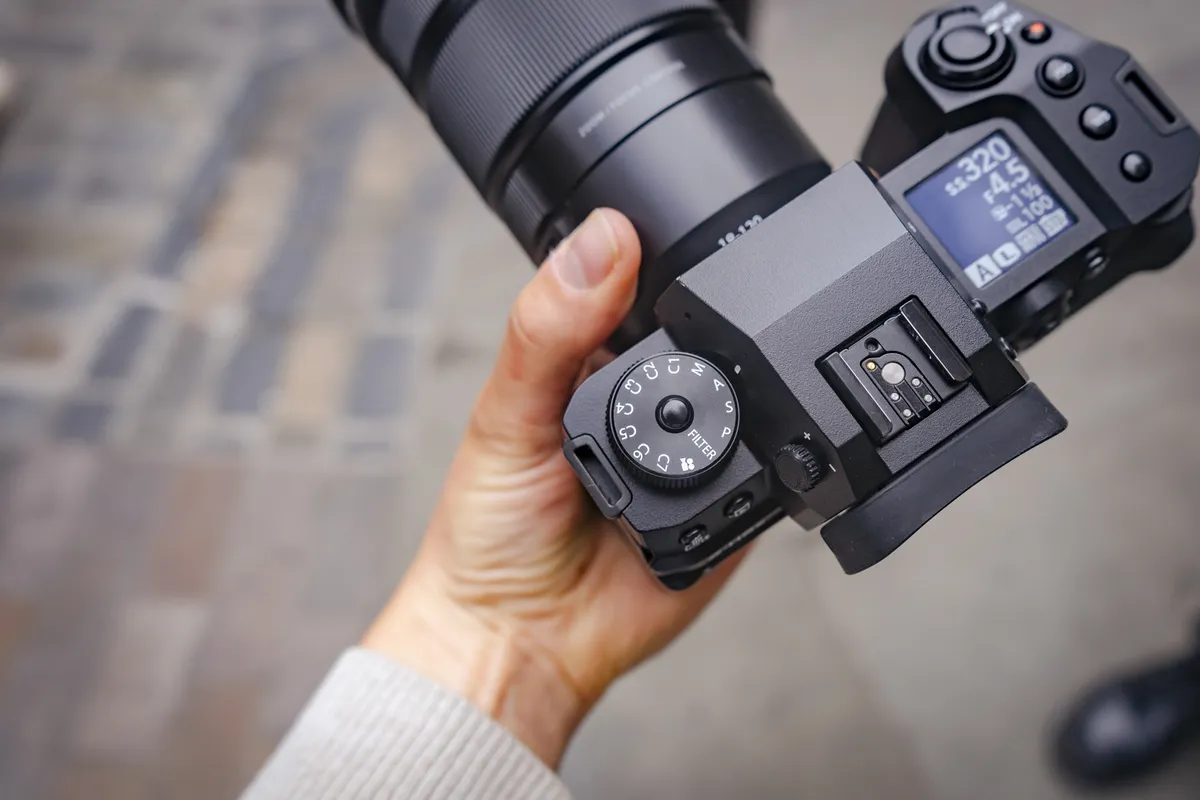
The X-H2S feels more substantially build than the EOS R7, though these cameras are similar in size and weight. (Image credit: Lauren Scott)
(opens in new tab)
•Canon EOS R7: 132.0 x 90.4 x 91.7mm, 612g with card and battery • Fujifilm X-H2S: 136.3 x 92.9 x 84.6mm, 660g with cards and battery
Overall, the X-H2S is larger and about 8% heavier than the Canon R7. However, the X-H2S’s metal body also feels more robust than the R7’s which is made using magnesium alloy and high-strength engineering plastic. The two cameras are also listed as weather-proof and in the absence of ratings, it’s impossible to quantify this, but our bet is that the X-H2S will fare better in the rain than the R7.
We usually associate Fujifilm cameras with traditional exposure controls, but like the Canon R7, the X-H2S has an exposure mode dial (complete with 7 custom options) and dual control dials.
7.Viewfinder and screen
•Canon EOS R7: EVF: 0.39-type 2.36million-dots OLED, Screen: Touch-sensitive vari-angle 2.95-inch LCD with 1.62 million dots • Fujifilm X-H2S: EVF: 0.5-type 5.76million-dots OLED Screen: Touch-sensitive vari-angle 3-inch LCD with 1.62 million dots
While there’s not much to separate the two cameras with regards to their main screens, the Fujifilm X-H2S’s viewfinder is way ahead of the R7’s as it’s bigger and has much greater resolution. Both cameras have a maximum viewfinder refresh rate of 120fps, but the larger size and extra detail visible in the X-H2S’s EVF makes it a nicer option to use.
8. Lenses
•Canon EOS R7: Canon RF-S/RF mount • Fujifilm X-H2S: Fujifilm X mount
The Canon EOS R7 (and R10) are like APS-C versions of Canon’s full frame EOS R cameras. It’s common for camera makers to produce full frame and APS-C camera ranges. However, the APS-C models need standard and wide-angle lenses designed specifically for the smaller sensor, and so far Canon has released only two ‘standard’ zooms. The only other lenses that can be used directly with these cameras right now are Canon’s larger and more expensive full frame RF lenses, which will incur a 1.6x ‘crop factor’, narrowing their angle of view. This is fine for sports and wildlife photography but not wider angle shots. The alternative is to use Canon’s EF-RF lens mount adapter and the company’s older EF DSLR lenses.
The Fujifilm X-H2S, however, has access to a wide range of Fujinon lenses designed specifically for this sensor size, from ultra-wide-angles through compact primes, ‘fast’ primes, portrait and macro lenses through to pro telephotos. For lens support, the X-H2S is a pretty clear winner.
Canon EOS R7 vs Fujifilm X-H2S: conclusions
(Image credit: Digital Camera World/Canon/Fujifilm)
The Canon EOS R7 is Canon’s flagship APS-C format mirrorless camera and it has a fabulous array of features, but the Fujifilm X-H2S is more serious and more comparable with a professional-level full-frame camera. The Fujifilm camera’s build is also more assured.
There is a substantial price difference between these two cameras, but the X-H2S’s build quality, burst speed and video capabilities are pitched at professional content creators while the EOS R7, it could be argued, is aimed more at enthusiasts and full frame EOS R -series users looking for a second body.
Microsoft has officially launched the .NET Community Toolkit, providing developers with a collection of helpers and APIs for .NET developers, agnostic of any UI platform.
Redmond said an updated release of the MVVM (model-view-model) Toolkit is the biggest new feature in the toolkit.
A spin-off of the Windows Community Toolkit, .NET Community Toolkit 8.0.0 was announced August 4, following a preview phase that began in January.
Included with the MVVM Toolkit are new source generators intended to greatly reduce boilerplate code for setting up an application leveraging MVVM. These generators have been rewritten to run faster than before. Writing observable properties has been simplified, C# development enhanced, and messenger APIs have been improved for MVVM applications as well.
The .NET Community Toolkit 8.0.0 also brings improvements to the diagnostics package. The toolkit can be accessed from GitHub.
Although tagged as version 8.0.0, this is actually the first release of the .NET Community Toolkit. The reason for this version naming is all the libraries in the toolkit originally were part of the Windows Community Toolkit, a collection of helpers, extensions, and controls to simplify development of Universal Windows Platform (UWP) and .NET applications for Windows 10 and Windows 11 .
Due to the growing need for APIs targeting .NET without Windows-specific dependencies, Microsoft decided to split these APIs off into a separate project. The last version of Windows Community Toolkit prior to the branching out was 7.1.x; Microsoft decided to follow the same versioning.
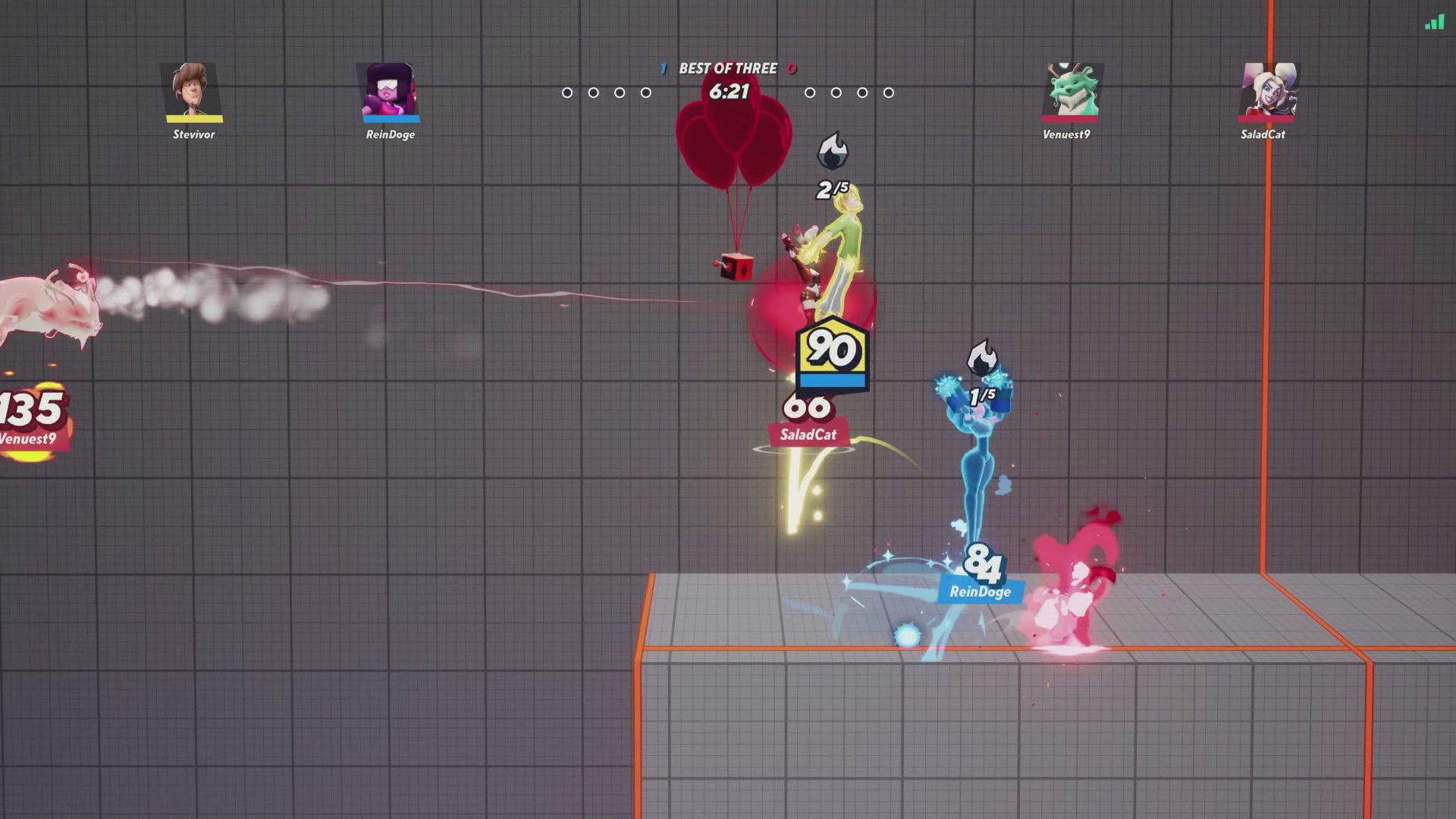
Multi Versus hitbox, hurtbox systems will receive a “big overhaul”, according to game director Tony Huynh.
For those unaware, a character’s hitbox is an invisible barrier around a character that determines if the character is colliding with something, and the hurtbox is a similar barrier that determines places that a player can have damage inflicted upon them.
Huynh provided the information in response to a fan on Twitter, saying some hitboxes and hurtboxes aren’t aligned or working as desired.
“We’ll be looking at Finn in sections, we are working on a big overhaul of our hitbox/hurtbox system so don’t want too many moving parts,” the director wrote.
Fans on Reddit are complaining about Finn and his moveset, with numerous instances of Finn managing to get hits when he shouldn’t technically be able to.
Originally planned for 10 August here in Australia, Multi Versus‘ first season has been delayed indefinitely — likely to implement fixes like the ones Huynh has highlighted.
Multi Versus is available on Windows PC, Xbox One, Xbox Series S, Xbox Series X, PS4 and PS5. We previewed it here and have criticized its microtransations right here.
This article may contain affiliate links, meaning we could earn a small commission if you click-through and make a purchase. Stevivor is an independent outlet and our journalism is in no way influenced by any advertiser or commercial initiative.
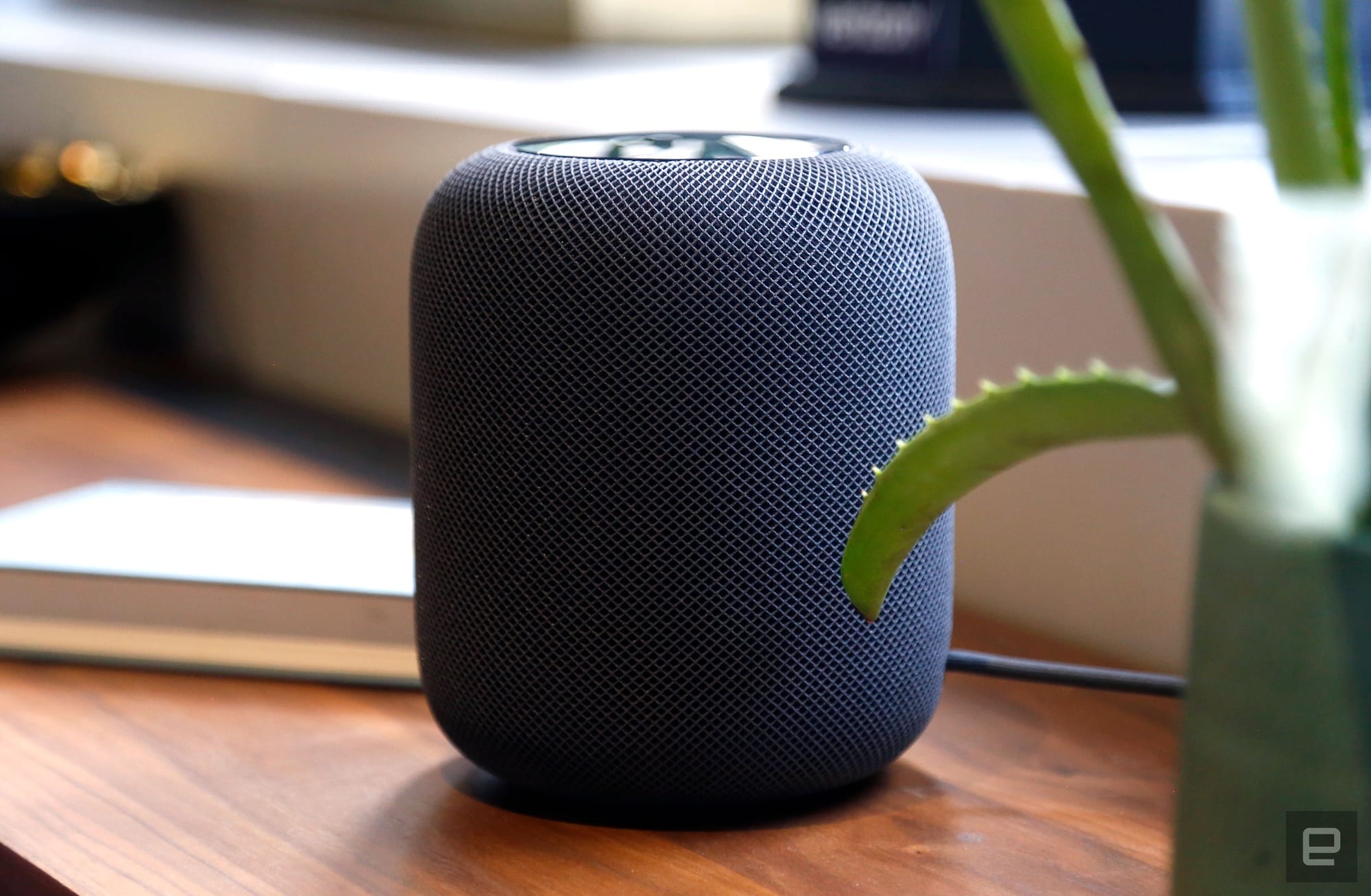
Apple could significantly expand its smart home product line within the next two years, according to Bloomberg’s Mark Gurman. In his latest Gurman reports the company has “at least four new smart home devices in its labs.”
Included in that list is the model Gurman first wrote about back in June, in addition to a refreshed . The former will reportedly look and sound like the . Apple without announcing a direct replacement. The two other devices represent entirely new products for the company.
According to Gurman, one is a kitchen accessory that combines an iPad with a speaker. Meanwhile, the other reportedly brings together the functionality of an Apple TV, camera and HomePod into a living room device. He says Apple could release one of those two products by the end of next year or early 2024 but warns that “not all will see the light of the day.”
A kitchen device would see Apple competing more closely with Amazon and Google. The two are most closely associated with the smart display category thanks to releases like the and . It would be interesting to see what Apple thinks it can bring to the field since most smart displays don’t feel essential.
All products recommended by Engadget are selected by our editorial team, independent of our parent company. Some of our stories include affiliate links. If you buy something through one of these links, we may earn an affiliate commission.
Back in the ’90s, a point-and-click adventure game taken on warcraft was in development, and though it was cancelled, a fan has remastered a build of the game that was leaked years ago.
The leak of the canceled game, Warcraft: Lord of the Clans, appeared online back in 2016, though while very playable, cutscenes were very crunchy and low-resolution, with audio not quite synced, and some cutscenes were simply missing. However, as reported by PC Gamer and first spotted by IndieRetroNews, a fan has spent the past six years remastering all of the cutscenes to make it a bit more enjoyable to experience.
This particular project was led by modder DerSilver83, who paired the release of the mini-remaster with a blog post discussing it. “I have been working on it for the last 6 years and in that time I have done almost all I can do within a reasonable timeframe to complete and enhance the cutscenes,” wrote DerSilver83. “For me the game is very much enjoyable now and I see no real use in enhancing the cutscenes any further.”
As part of the remaster, all of the low-resolution cutscenes that would have originally been drawn by hand had compression artefacts removed by DerSilver83. And some frames and assets had to be redrawn entirely in Photoshop, a significant undertaking.
Some new transitional scenes have been created from the ground up too to make things flow a bit better, and all audio is properly synced up too. Missing voice lines were also created by using text to speech software, based on the original script too. And any continuity errors in the cutscenes have been removed too.
It should be noted that if you want to actually play the remaster, you’ll need the original files, which aren’t easily available due to a DMCA filing from Blizzard back when the leak took place. But you can download the remastered files here if you do have the original rummaging around somewhere, conveniently.
The big day is finally right around the corner for hardcore Samsung fans who feel like foldables are the future (or even the present) of the mobile industry, but if all the pre-Unpacked leaks of the last few… months have left you underwhelmed by the Fold 4 and Flip 4 upgrades, we might have the best possible news to bring you today.
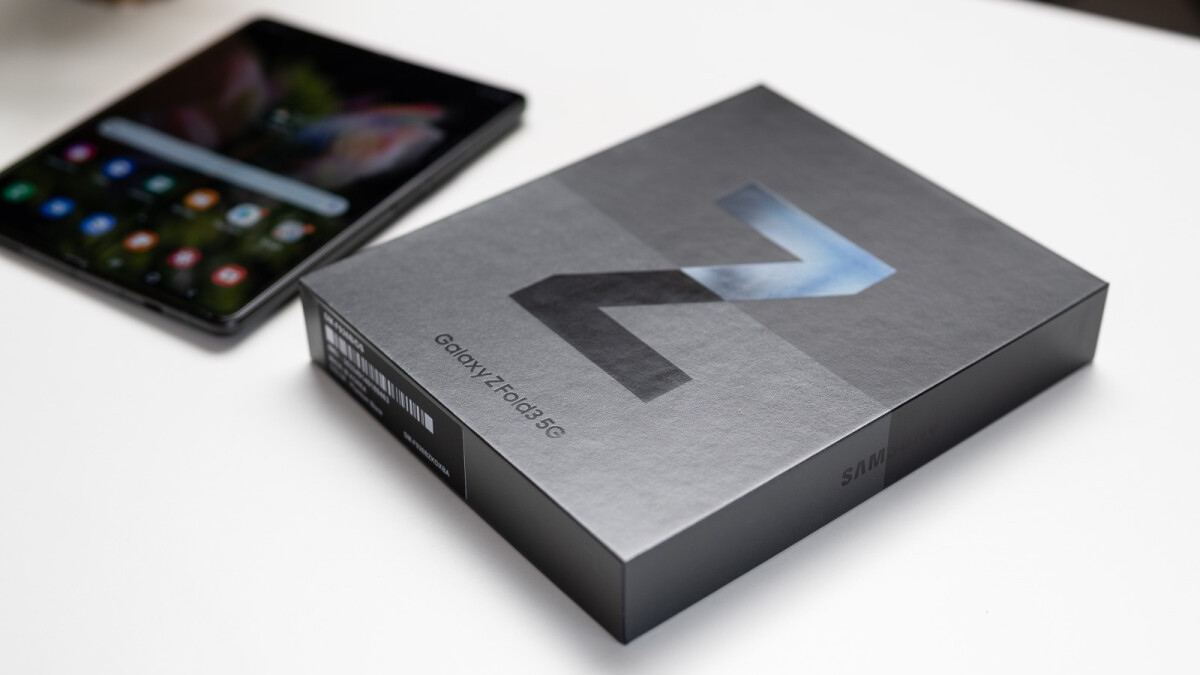
Last year’s Galaxy Z Fold 3 5G, which is still undeniably one of the best phones out there, can be had at an incredible discount of up to 700 bucks with Absolutely no strings attached. This killer new Amazon deal smokes Best Buy’s most recent promotion, which required upfront activation on select mobile network operators, not to mention all of those deeper than deep price cuts offered by Samsung itself with eligible device trade-ins.
The unlocked 5G-enabled Z Fold 3 powerhouse with a Snapdragon 888 processor under the hood is marked down by $600 from a regular starting price of $1,799.99 with 256 gigs of internal storage space and by $700 from $1,899.99 in a 512GB configuration, which makes it pretty easy to choose between the two models.
That’s right, you can currently get a 512 gig variant at the exact same price as an “entry-level” 256GB device, although something tells us Amazon may run out of inventory for the version that’s typically more expensive fairly quickly.
This special offer is extremely close to what Prime members could get for a limited time last month, and naturally, that condition is out of the equation as well.
Reserve the Galaxy Z Fold 4 if you can resist the Z Fold 3
Given how popular the new foldable phones are likely to become, we wouldn’t be 100 percent certain this kind of discount will ever be offered for the Fold 4, so whether or not you’re excited about Samsung’s “next big thing”, we can definitely understand if you also feel like you simply cannot turn down this chance to purchase the Z Fold 3 at an actually reasonable price… all things considered.