Categories
Australia

Pauline Hanson’s One Nation may lose website names registered ahead of Indigenous Voice referendum campaign

A pre-emptive strike by One Nation to register dozens of website addresses that could be used in the Indigenous Voice to Parliament referendum campaign has backfired, with several of the party’s new acquisitions set to be suspended.

One Nation leader Pauline Hanson declared last Friday her party would become the face of the “no” vote in a referendum that could give Aboriginal and Torres Strait Islander people greater constitutional representation.

She said her campaign snatched up 46 website domains, including five that closely match ulurustatement.org, a website address already used by First Nations Australians and supporters of a constitutionally recognized First Nations Voice.

“The ‘yes’ campaign is ill-defined and ill-prepared, not even having the foresight to register the domain names we will use to good effect,” Ms Hanson said.

loading

Some of these websites, registered in bulk by Pauline Hanson’s One Nation and One Nation’s Queensland division, included voicetoparliament.org.au and ulurustatement.com.au.

The practice of registering multiple domain names is known as cyber-squatting and can be used to help maximize search engine traffic.

However, One Nation’s endeavor has failed foul of the entity responsible for licensing Australian domains, the .au Domain Administration (auDA).

The domain license administrator, who was made aware of the websites after the ABC uncovered 37 domains that appeared to be registered to One Nation, will suspend several of One Nation’s domains containing a .au address.

It is unclear how many domains will be taken down but auDA policy stipulates entities must typically have a “close and substantial connection” to their registered .au domain name. For example, the domain must match the name they are known by or a service they offer.

“The rules contain strict criteria that registrants must meet to hold their domain name,” an auDA spokesperson said.

“Where registrants are found not to have met the requirements of the .au licensing rules, a .au domain name may be suspended or canceled by auDA.”

The ABC was able to locate 23 domains linked to One Nation’s opposition to a Voice to Parliament with a .au address.

It found another 14 that had their ownership details redacted, but domain records showed they were registered by a Queensland entity at almost the exact same time as the others on August 2 and shared similar website address names.

None of the domains had active websites.

.

Categories
Australia

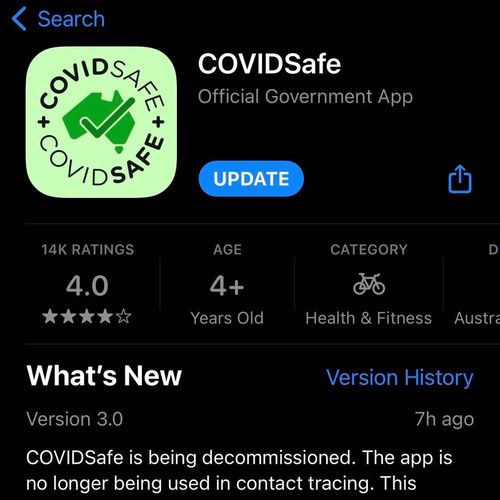
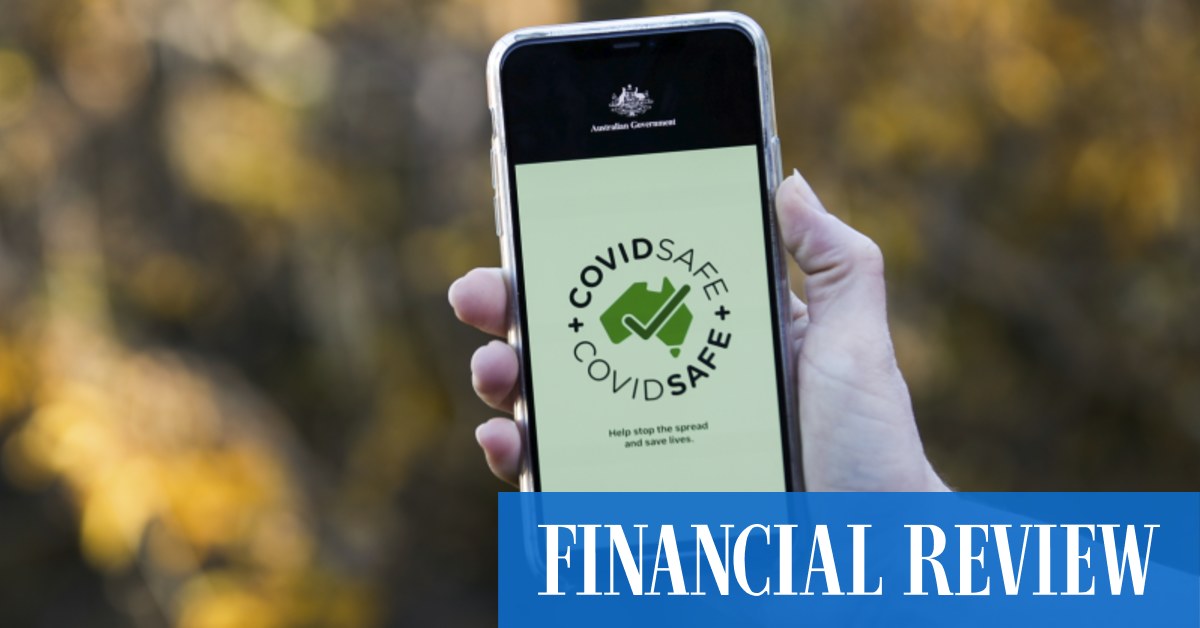
Albanese government kills COVIDSafe app, calling it a ‘colossal waste’ of money

the Albanian government has scrapped the COVID-Safe app after it lay dormant for almost two years.
Health minister Mark Butler released a statement claiming his government has “acted to delete the wasteful and ineffective” app.

The COVIDSafe app was introduced during the first wave of the pandemic in 2020 by the Morrison government with hopes it could contact trace close contacts.

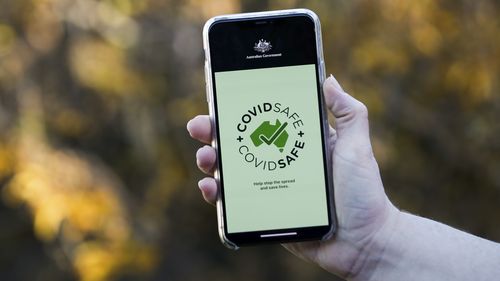
The COVIDSafe App – once touted as a must-have for all citizens – is being decommissioned. (Supplied)

In April 2020, former prime minister Scott Morrison described the app as “Australia’s ticket to a COVIDSafe Australia”.

However, after the app launched concerns were raised about its privacy, security and effectiveness.

Butler claims the app has cost taxpayers more than $21 million while it lay unused for the better part of two years.

“This failed app cost taxpayers more than $10 million in developing the app, a further $7 million on advertising and marketing, $2.1 million on upkeep and more than $2 million on staff,” Butler said.

“The failed app was a colossal waste of more than $21 million of taxpayer’s money.”

The new government has scrapped the COVIDSafe app. (Alex Ellinghausen/Sydney Morning Herald)

Not only did it cost taxpayers a significant amount over its two-year duration, but Butler also claimed the app failed to do what it was intended to – identify COVID-19 cases and close contacts.

“Since it was launched in April 2020 only two positive COVID-19 cases were identified through the app, which were not found by manual contact tracers,” Butler said.

“The app only identified 17 close contacts that hadn’t already been identified through manual contact tracing.”

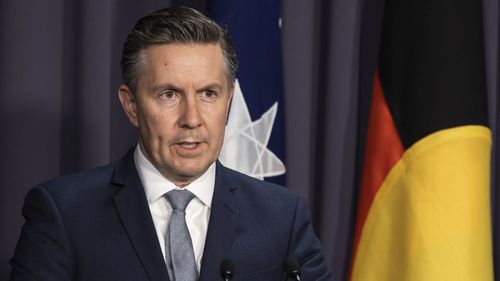
Minister for Health and Aged Care Mark Butler during a press conference at Parliament House in Canberra on Wednesday 3 August 2022. fedpol Photo: Alex Ellinghausen
Minister for Health and Aged Care Mark Butler said the app was a waste of taxpayer’s money. (The Sydney Morning Herald)
Butler said there were 7.9 million registrations on the app between April 2020 and May 2022 but fewer than 800 registrants consented to the government using their data for contact tracing.

Now that the app has been scrapped the health department will no longer collect data from it and it will be removed from app stores.

“The Department is working to delete all COVIDSafe app data as soon as possible, and no COVIDSafe app data will be retained,” the statement said.

The subvariants and mutations of COVID-19

Categories
Australia

Rural ecovillage harvests timber from nearby forest, with houses made from recycled materials

In the Fryers Forest, around 50 kilometers south of Bendigo, one group of residents isn’t feeling the rising cost of living as hard as most.

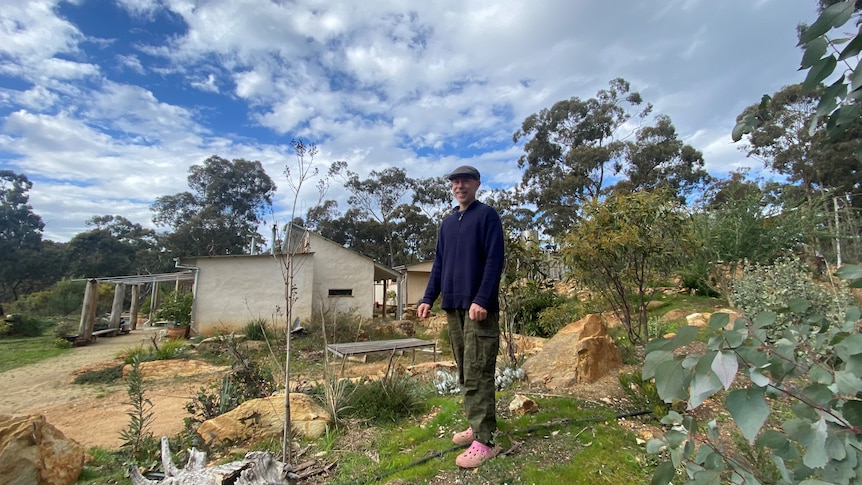
Hamish MacCallum is one of 30 people who live in a rural ecovillage, nestled in the forest in Fryerstown.

Standing in the kitchen of the house he built himself, he proudly explains the kitchen bench was a cypress tree that fell on a local farmer’s property during last year’s storms.

“[It’s about] taking a waste product, a fallen down tree, and turning it into something beautiful,” he says.

“The whole kitchen is recycled.

A man standing in kitchen, kitchen made from timber
A lot of the kitchen cupboards came from someone else’s kitchen.(ABC Central Victoria: Shannon Schubert )

“All the cupboards and drawers, everything came from other kitchens that had been pulled out.”

There’s no heater inside, with the firewood stove in the kitchen emitting more than enough heat to warm the house.

“That’s only been running now for about half an hour,” Mr MacCallum says at 10am.

“It’s generating our hot water and providing us with an oven and a stovetop for cooking on as well.”

A man putting firewood into an oven
Powered by firewood, the house’s stove and oven generates hot water and cooks the family’s meals.(ABC Central Victoria: Shannon Schubert)

Mr MacCallum estimates his power bills are a third of the price of the average family’s electricity bills.

“I’m spending $150 on electricity for three months for the two households,” he says.

“It’s $100 a year for the gas bill.”

The bushfire management consultant and landscape designer put a huge amount of thought into designing and creating the house, with insulation and solar passive design a main priority.

“With a solar passive design, it’s using the sun to heat or cool the house by including or excluding it at particular times of year,” he says.

What looks like a cabin, with wood and roof of foyer room made from wood
The entrance to the houses, also a mudroom, was made from recycled wood, including old furniture.(ABC Central Victoria: Shannon Schubert)

Timber from surrounding forest

Mr MacCallum has become an expert at reusing and recycling.

The house is made from 50 per cent recycled and reused materials, most of which were locally sourced.

On the verandah, two pieces of wooden ‘bush poles’ were eleven trees on this block of land.

A photo of the front door
The two wooden poles were trees on this block of land, which used to be a quarry.(ABC Central Victoria: Shannon Schubert)

Other pieces of wood were collected and stored from unexpected places.

“A lot of the timber came from a timber furniture maker who decided to give up his profession and sell it all on,” he says.

In the Fryers Forest eco-village, residents do forestry work, harvesting timber from the forest around them.

“Our expense is the time we spend collecting the wood from the forest, when we’ve done some tree thinning,” Mr MacCallum says.

A picture of the middle wall of the house, which is mud brick, bordered by wood from trees
The mud brick wall, made from milled timber from the site, collects heat in winter and cool air in summer.(ABC Central Victoria: Shannon Schubert)

“Always when we’re doing forestry, we get the highest value out of the timber as possible.

“Each season, we cut enough to provide the whole village with enough firewood to last them a season.

“The firewood [for the stove] is just a good solid day’s labor and a few days of forestry [work].”

A photo of a wooden frame of a house, when straw was being added as insulation
Some of the materials used for insulation include straw and wool.(Supplied: Hamish MacCallum )

Mr MacCallum refers to the concrete floor as a ‘thermal mass’ which holds the heat and keeps the house warm in winter and cool during summer.

In the middle of the house, a mud brick wall has the same function.

“It stores the cool over the summer and the heat over the winter and then releases it back into the household so you can wake up in the morning without any heating and the house will still be warm,” he says.

“The eaves that overhang the north side of the house, where most of the windows are, stop the sun coming into the house.”

Sharing food eliminates waste

Mr MacCallum’s family shares the house with another family, with two separate living quarters under the one roof.

Their efforts to live sustainably, with as little waste as possible, mean sharing a bathroom, laundry and food.

“A part of our strategy is to buy in bulk foods and to store in a big freezer,” he says.

“I might go hunting and harvest a lot of meat and then store the meat, the fat and the bones … make bone broth or render the fat down into lard or tallow and use that for cooking.”

A man watering a conservatory garden with a hose.
The conservatory stays hot and is able to mimic a tropical climate, for optimal growth conditions.(ABC Central Victoria: Shannon Schubert)

He’s also committed to growing his own fruit and vegetables.

“80 per cent of our fruit and veg can come from [the garden] here,” he says.

But recently Mr MacCallum has been sourcing more of his produce from his local market, rather than his own garden.

“I help him [the seller] pack up and we get to take home a whole heap of fruit and vegetables,” he says.

“Sometimes that means that I’ve got to spend hours or preserving that produce.

“[Sometimes] that’s a few months’ worth of passata bottled and stored in an afternoon.”

Space to play or pause, M to mute, left and right arrows to seek, up and down arrows for volume.
Hamish MacCallum has built his house using 50 percent second hand materials(ABC Central Victoria: Shannon Schubert)

Built to withstand bushfire

Mr MacCallum has spent years teaching others how to retrofit their houses for bushfire safety, so it was always going to be front of mind in designing and building his own eco-friendly house.

“I wanted to demonstrate how landscapes can reduce bushfire risk and be productive at the same time and beautiful at the same time as well,” he says.

Everything in his yard was planted for bushfire mitigation.

Fruit trees border his backyard, providing a heat shield against the fire front.

“The fruit tree hedge, also protected by the stone wall from radiant heat, acts as a heat and ember filter, as well as wind protection for the fruit and vegetable garden,” he says.

It may have taken years to build, and countless tutorials and tradesmen to help him learn new skills, but Mr MacCallum was never going to shy away from the challenge of living as sustainably and efficiently as possible.

“I wanted to take a piece of degraded land and turn it back into something beautiful and productive,” he says.

.

Categories
Australia

Scottish family set to be deported from South Australia tonight

A Scottish family who has been living and working in Australia for the past decade are set to be deported tonight after a visa battle with the nation’s immigration department.
Mark Green was headhunted by a South Australian solar company in 2012 to fill a shortage of highly skilled solar installation electricians.

After Green took the job, it sparked a huge move for his whole family including wife Kelly and daughter Rebecca.

The Green family is set to be deported from South Australia after an immigration battle.
The Green family is set to be deported from South Australia after an immigration battle. (Roy VanDerVegt)

The family had been promised permanent residence by employers.

However, Green’s family has faced a number of hurdles after multiple businesses he has been employed by have gone under, meaning they have not been granted permanent residence and remain on a bridging visa.

The Department of Immigration has decided not to extend the family’s visa and they are set to be deported back to Scotland at 10pm tonight.

South Australian MP Frank Pangallo, who has been fighting to keep the family in Australia, called on the federal government to reconsider their decision while speaking to Ben Fordham on 2GB.

“We’re calling on minister Andrew Giles to intervene and allow them to apply to stay in Australia while they’re in Australia instead of the expense of going to Scotland,” he said.

“The Green family have been here for 10 years, they’ve spent $200,000 trying to meet the requirements of visas here.

“They haven’t been a burden on tax payers, they educated their children out of their own pockets, their own medical expenses.

“They contribute to the community and are well loved.”

9news.com.au has reached out to the Department of Immigration for comment.

Green spoke to Fordham on 2GB last week and said the stress on his family is unexplainable.

“You would not believe the stress, the anxiety and the anger,” Green said.

“I don’t even want to think about what my daughter and wife are going through.

“We are just looking to be classed as Australian citizens, we’re not looking for handouts, we are just looking for a bit of help.”

Kelly and Mark Green when they spoke to A Current Affair about their immigration battle. (A Current Affair)

“Don’t ignore the double standard here, the minister is happy to show compassion when there’s enough publicity for him to look like a hero,” Fordham said.

“He’ll step in to help one family but allow another to be kicked out of Australia.”

A Discovery Village proposed for Darling Harbor would have turned the waterfront into a futuristic theme park, complete with a reflective sphere.  The architect behind the design was Tony Corkill.

Visions of what Sydney might have been

Categories
Australia

Child grooming charge against South Australian teacher Ammy Singleton dropped

Charges have been dropped against a female relief teacher who was accused of grooming a 16-year-old boy for sex.

Ammy Singleton, 28, was charged with communicating to make a child amenable to sexual activity at Port Augusta last year.

But on Wednesday, the Port Augusta Magistrates Court heard the complainant no longer wanted to proceed with the charges and the case against her was dropped.

Ms Singleton was a relief teacher at several schools in Port Augusta.

But the court previously heard the allegations had nothing to do with Ms Singleton’s job as a teacher.

“The [alleged victim] … a 16-year-old young male … ​​became aware of Ms Singleton from a picture taken of her without her knowledge at the club,” Ms Singleton’s lawyer Andrew Fowler-Walker told the court in May.

“[The alleged victim] then obtained details of a chat room from his friends.

“In no way was he ever taught by Ms Singleton.”

Earlier this year, the principals of the Port Augusta West, Augusta Park and Flinders View primary schools sent letters to parents advising them that Ms Singleton, who taught each as a temporary relief teacher, had been charged with a child sex offence.

All the letters stated that no students at those schools were involved in the alleged offending.

Under Ms Singleton’s bail conditions she was banned from engaging in any child-related work.

ABC News has contacted the Department for Education for a response.

Ms Singleton did not comment as she left court.

Space to play or pause, M to mute, left and right arrows to seek, up and down arrows for volume.
Teacher Ammy Singleton leaves Port Augusta court

.

Categories
Australia

Shorter hospital stays solution to elective surgery backlog, new analysis finds

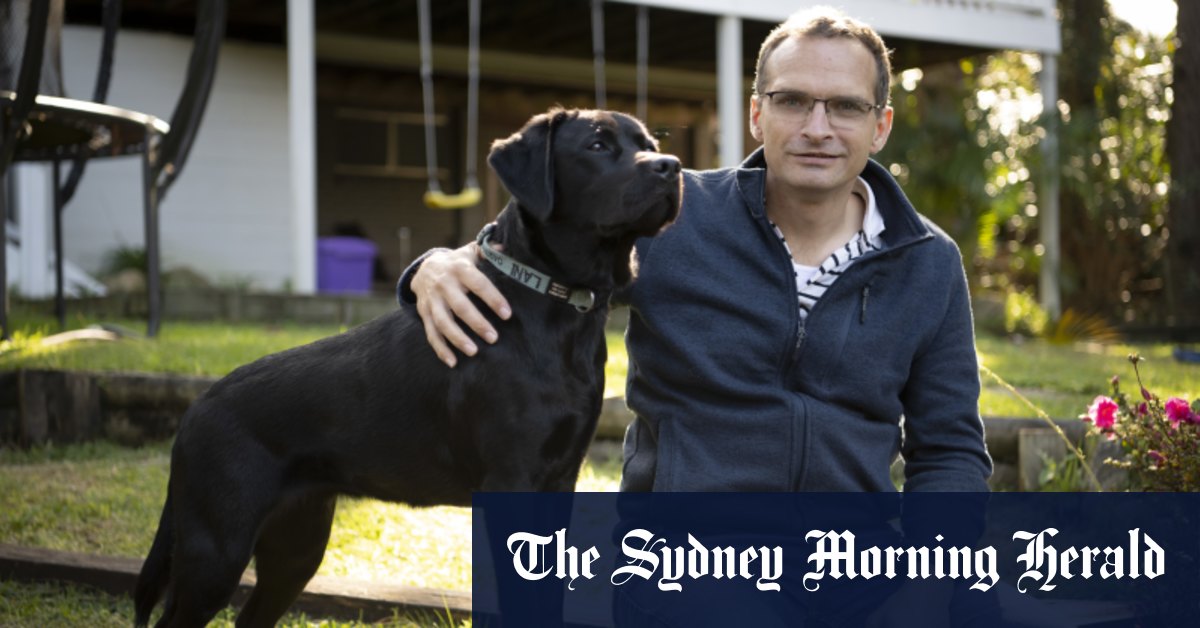
Paul Murgatroyd, 46, chose the short-stay option – only staying in hospital one night – following his right hip replacement in June.

The prospect of recovering in his own home at Allambie Heights, with his wife’s home cooking, three children and pet labrador was considerably more appealing than the bed, food and ambience a hospital would provide.

“It sounds a bit daunting at first that you’ll be coming home after a day in hospital,” Murgatroyd said. “But having done it, it makes a lot of sense.”

“I went home on crutches and had great support from the hospital… I could call at any time. A nurse visited to check up on me and a physiotherapist has come over once a week for six weeks,” he said.

Murgatroyd is planning to use the short-stay option again following his left hip replacement surgery next week.

Wilson said the short-stay model was not for everyone.

loading

He said patients with complex health needs and comorbidities will need longer hospital stays, “but when it is safe to do so, it’s highly regarded, effective and well-liked”.

“Another key driver was removing out-of-pocket costs,” Wilson said.

Hip or knee replacement patients pay on average $1,200 out of pocket, and are expected to pay $1,400 by 2030. Assuming 10 per cent of eligible patients opted for the short-stay program in 2023, they would save $10 million in out-of-pocket costs collectively or $34 million in 2030, the report projected.

The KPMG analysis found there was no significant difference in the probability of having a medical complication between the 284 patients in the short-stay program and patients receiving conventional care in hospital, echoing international studies.

Health and Aged Care program director at the Grattan Institute, Dr Stephen Duckett, said other insurers should follow suit.

loading

“The issue for the insurance industry is that consumers are juggling mortgages that are going up, who also want to buy lettuce and health insurance. Insurers want to keep insurance costs down and private hospitals want to maximize revenue,” Duckett said.

“A private hospital can increase revenue by offering rehabilitation, which might be two hours a day of physiotherapy… but the hospital is getting payment for the days you’re in a bed, plus the meals, the nurses, all those other elements.

“No wonder it’s more cost-effective to have those couple hours of physio at home,” Duckett said.

The Morning Edition newsletter is our guide to the day’s most important and interesting stories, analysis and insights. Sign up here.

Categories
Australia

COVIDSafe app has finally been scrapped

Health Minister Mark Butler said the “failed app” cost taxpayers more than $10 million to develop, a further $7 million on advertising, $2.1 million on upkeep and $2 million in staffing costs.

“This failed app was a colossal waste of more than $21 million of taxpayers money,” Mr Butler said.

“It was contact tracers working on the ground who were the real success story, not this failed app.”

App found 17 close contacts

The spread of the delta variant last year forced health authorities to abandon earlier efforts to identify each individual infected with the virus, raising questions about the usefulness of the app.

Even before the spread of delta, state and territory governments including NSW, Queensland and the ACT had either stopped using the app or never accessed it.

A study by public health experts from UNSW and the University of Queensland found the app had identified just 17 additional close contacts that were not located through contact tracing by NSW Health between May and November 2020.

Of the 619 positive COVID-19 cases recorded in NSW over this time, only 22 per cent were using the app, and the app detected just 15 per cent of true close contacts located by state-based contact tracers.

“In our study, COVIDSafe did not make a meaningful contribution to the COVID response in NSW during 2020. Instead, the app created a high workload for no clear benefit,” the researchers concluded.

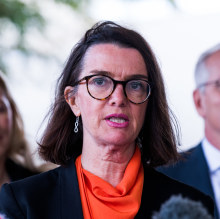
Former social services minister Anne Ruston James Brickwood

Former social services minister Anne Ruston defended the app as having “served a purpose”.

“Even though [17] may seem like a small number, that could have had a very significant impact on the health outcomes or the economic outcomes for our country,” she told a senate committee of the number of cases it had identified.

The Labor-led committee recommended the Morrison government cease any further expenditure on the app.

The COVIDSafe app uses bluetooth technology to identify contacts who also have the app and then filters out all exposures other than those who have been within 1.5 meters of an infected person for a certain period of time. These contact details were made available to contact tracers.

clarification: An earlier version said the COVIDSafe app had cost $9 million. After the government provided further information, the figure was updated to $21 million.

Categories
Australia

Liberal media director Lee Anderson quits

The Victorian opposition has lost another senior staffer just three months out from the state election.

Lee Anderson has quit his role as the Liberal Party’s director of media, effective immediately, just a week after Matthew Guy’s former chief of staff, Mitch Catlin, was forced to stand down.

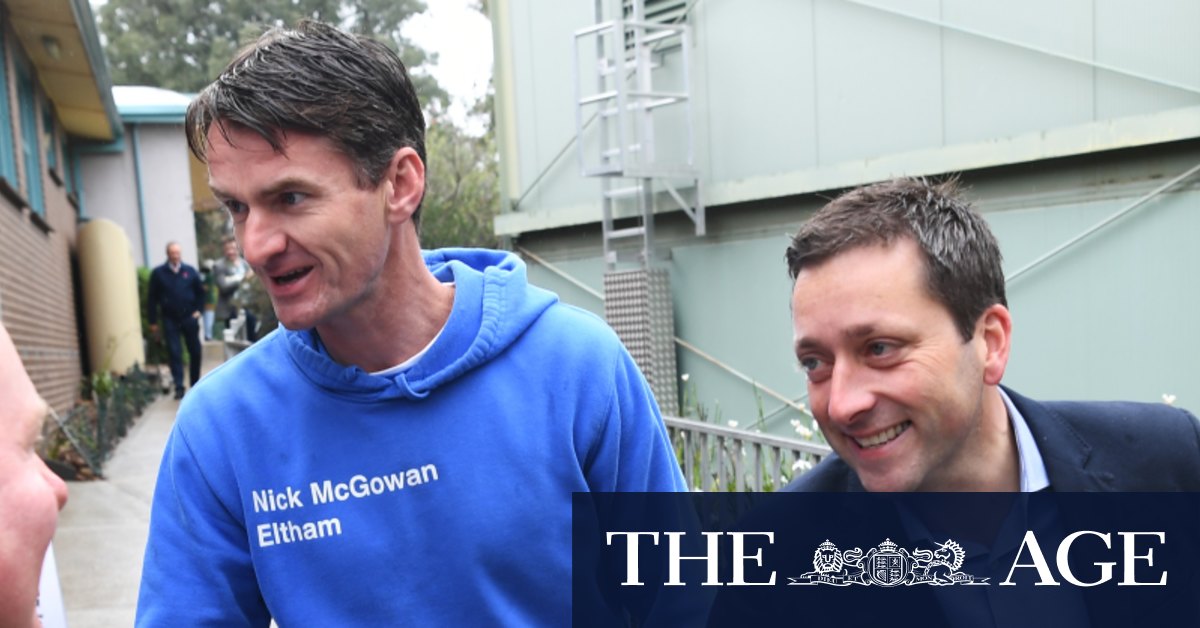
New state Liberal chief of staff Nick McGowan (left) with Opposition Leader Matthew Guy in 2018.

New state Liberal chief of staff Nick McGowan (left) with Opposition Leader Matthew Guy in 2018.Credit:AAP

Catlin’s resignation came after it was revealed he asked billionaire Liberal donor Jonathan Munz to pay more than $100,000 to his private marketing business, in addition to his taxpayer-funded salary.

The contract, which was never executed, would have required the donor to pay $8,333 a month to Catlin’s company, Catchy Media Marketing and Management, for contracting services described as “supporting business interests”.

Alex Woff will replace Anderson as director of media, and Anja Wolff will be promoted to deputy director of communications.

The opposition’s five-person media team lost Nationals media adviser Emma Manser less than a fortnight ago.

The Victorian opposition's director of media, Lee Anderson, has quit.

The Victorian opposition’s director of media, Lee Anderson, has quit.

When asked about Anderson’s departure, opposition health spokeswoman Georgie Crozier said the Coalition was in “full campaign mode”.

“Lee was awesome,” she said.

Categories
Australia

Doonside death: Nine-month-old baby found to have COVID when she died

The baby girl who was found dead in Sydney’s west following a welfare check had COVID when she died, however police say her exact cause of death is still unknown.

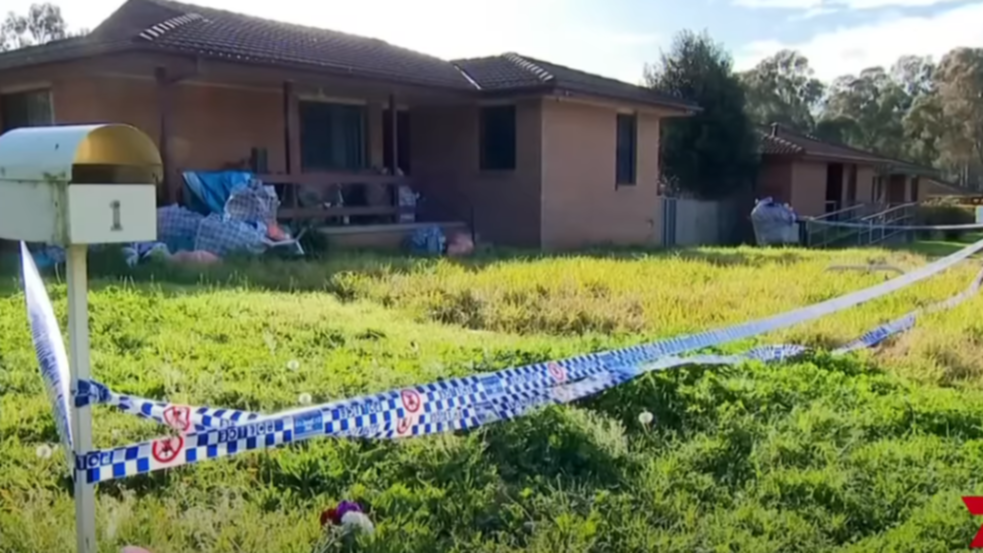
Emergency services were called to a home on Yindi Place, Doonside, just after 10am on Monday where a nine-month-old was found unresponsive.

Paramedics treated the baby at the scene, but she could not be revived.

Watch the latest News on Channel 7 or stream for free on 7plus >>

It has now been revealed that the baby girl had COVID at the time of her death, as did both her parents.

In another development, neighbors told 7NEWS they had heard the 32-year-old mother shout “go, go, go” on Monday.

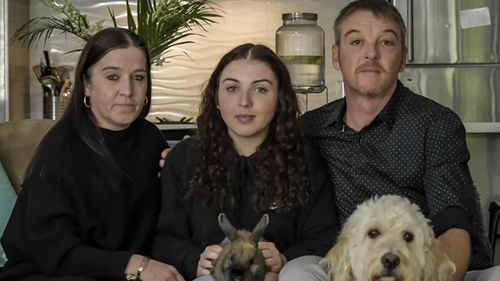
Parents of the nine-month-old baby girl who died on Monday. Credit: 7NEWS

Both parents told investigators that they had woken up to find their daughter unresponsive.

Neighbors told 7NEWS they were shocked by the incident.

“(I’m) devastated, actually, that someone so young won’t continue on with their life,” Karen Nicholas said.

“For a young baby to just die like that …. it’s a pity for our street, it’s very emotional,” neighbor Bondu Allieu said.

According to neighbors the baby’s 32-year-old mother shouted ‘Go, go, go’ the day the child was found unresponsive. Credit: 7NEWS
Police will await results from toxicology reports to determine the exact cause of death. Credit: 7NEWS

However, it’s not the first time Doonside has seen death on one of its streets.

Almost a year ago to the day, a 16-year-old boy was beaten to death by a group of teenagers just a few doors up the street from Yindi Place. All five teenagers involved in the attack were charged with murder.

Despite the revelation that the nine-month-old had COVID, police are keeping an open mind regarding the cause of death, and are awaiting the results of toxicology reports.

Man catapults into insane bellyflop.

Man catapults into insane bellyflop.

.

Categories
Australia

Talking about and planning for death could make life easier for those left behind

Your wishes for what will happen after you die are vitally important but only a third of Australians have made plans about how they would like their lives commemorated in the event of their deaths.

Death has lingered around Della Muscat since she was a young girl.

The 36-year-old, who grew up in Mackay and now lives in Brisbane, said people were never too young to make a plan and let their family and friends know exactly what their wishes were.

Through the creation of a web application, she wants to change the way we talk about and plan for death.

“I know it sounds crazy but I want life celebrants like we have wedding celebrants and venues that are non-secular and beautiful flowers and celebrations of life that someone has created for themselves,” she said.

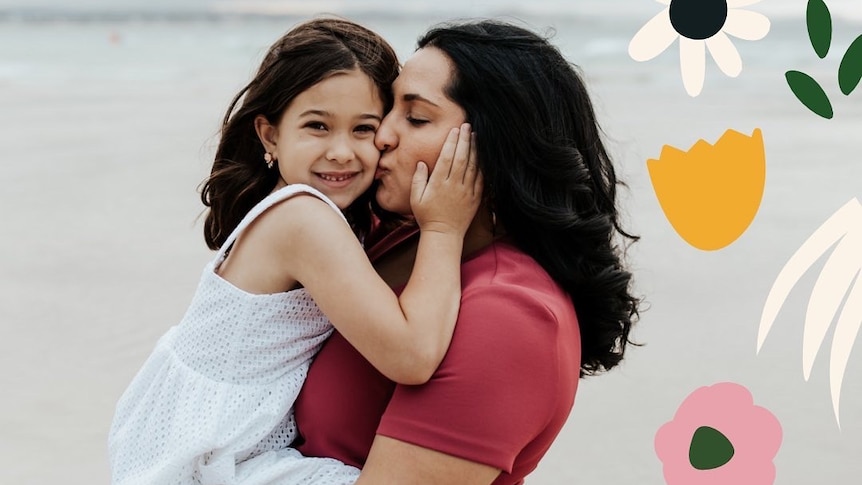
A woman embraces her daughter on the beach.
Ms Muscat is passionate about changing the way we talk about death and dying.(Supplied: Della Muscat)

When Della Muscat was 29, she lost two really good friends in the space of two years.

“One was from ovarian cancer and the other was a tragic car accident.

“The decisions that were left to be made for my friend that suddenly died were so difficult.”

Ms Muscat recalled a casual conversation with her friend Jemma as they sat on Ms Muscat’s deck drinking wine and talking about their plans for death.

No-one knew that Jemma would be dead within a month.

Three young women stand side-by-side, smiling.
Della (centre) with her friends Tamie (left) and Jemma (right).(Supplied: Della Muscat)

“I was a new mum and I was telling Jemma that I had this idea to help people do this,” Ms Muscat said.

“She sort of laughed and said, ‘that’s a really weird idea but I think it could work’.”

The two young women continued to chat about what kind of “celebration” they would want in the event of their death.

Ms Muscat said she wanted a cheap wooden coffin, a paint and sip night and all of her friends in attendance.

“I want everyone to dance around and have lots of drinks and laughs and then cremate me and keep me in an old-school Mexican tequila bottle.

“We giggled and Jemma said the same thing… that she wanted to be cremated.

“Four weeks later she died in a car accident on the way back from a wedding.”

Ms Muscat came to view that conversation was a blessing that changed the course of her life.

“Of course we dread death but if there’s something that can help us and make it a little bit easier, then why not?”

Developing an app

Over the past year-and-a-half, Ms Muscat has poured her life savings into hiring a web developer and creating what she has called “after me”, while still working as a lawyer.

The website, which she hopes to make into an app for mobile devices, is centered around the idea of ​​planning for death and alleviating the stress for loved ones left behind.

Woman on beach laughing.
Della Muscat was a lawyer in Mackay before moving to Brisbane.(Supplied: Della Muscat)

It is not a legally binding will, but rather a safe space you can jot down things such what kind of funeral you would want, who your dog would go to, or whether you want your organs donated.

You can even record voice messages or letters to send to loved ones after you die.

In the event of your death, your profile would be released online to people you have invited to receive the information.

“If you don’t have what’s called an advanced health directive in Australia or a power of attorney in place, your next of kin has to make decisions based on what they feel you might have wanted.

“Let’s hope you’ve had a conversation and your intentions are known.

“We didn’t make it legally binding or go down that road because I want it to be used worldwide, be non-religious and non-legislative.”

Ms Muscat said in addition to the logistical side of things, she wanted it to be about memory journalling, love and grief mitigation.

“I’m surprised it’s not something that’s done more.

“There are formats of it but not modern and recording everything from our heart right through to finances.”

Getting dead set

Cherelle Martin is the national manager for a public health campaign called Dying to Know Day.

Ms Martin said she has noticed online platforms starting delve into the realm of post-death directives.

“I believe in two or three years time, we’ll start to get a sense of how those platforms might play a bigger role in how people want to record their wishes,” she said.

“It’s really great to see these new concepts and ideas coming through.”

This year, The Groundswell Project conducted a survey including more than one thousand people, 18 and older, across all states and territories in Australia.

The results found that 87 per cent of people surveyed believe it is important to do some sort of end of life planning, but only 35 per cent actually had.

64 per cent of people also said they find significant challenges and barriers to recording their wishes.

“That includes death and dying as being too emotional to think about…and the not wanting to talk about it,” Ms Martin said.

On Monday, the campaign hosted its 10th year of events across the country to encourage people to capture their choices.

Two people painting a coffin.
Dying to Know Day events include death cafes, tours of cemeteries and funeral homes, and coffin painting.(Supplied: Cherelle Martin)

Dr John Rosenberg, a palliative care nurse turned academic, spoke at an event hosted in Gympie.

“One of the things we’re looking at in the future is whether we can pitch some conversations around dying to schools with younger adults,” he said.

“If we’re teaching civics at school…if we learn how to vote and we learn how our government works…this would fall beautifully into that kind of learning space.

“What’s required, what responsibilities we have with writing a will for ourselves, writing an advanced care plan so that other people know what our wishes are.”

Dr Rosenberg said we should not be shielding children from the reality of our mortality.

Lisa McAulay, a social worker at Little Haven Palliative Care, said she believes being able to talk about death helps relieve people’s fears.

Woman standing infront of a powerpoint slide that reads Welcome to Dying 2 Know Day.
Lisa McAulay presented at the ‘Dying to Know Day’ information sessions hosted in Gympie.

“All of these little taboo topics, we try and put an age on when they should start being discussed.

“The truth is, there’s a little bit across a lifetime.

“The younger you start, the more prepared you are.”

Della Muscat said she believes leaving post-death directives is a social responsibility.

“Nobody wants to talk about when you die.

“But as sure as we are born, we will die.

“That’s probably the only two certainties in life, and that you’ll pay taxes.”

.