Categories
Sports

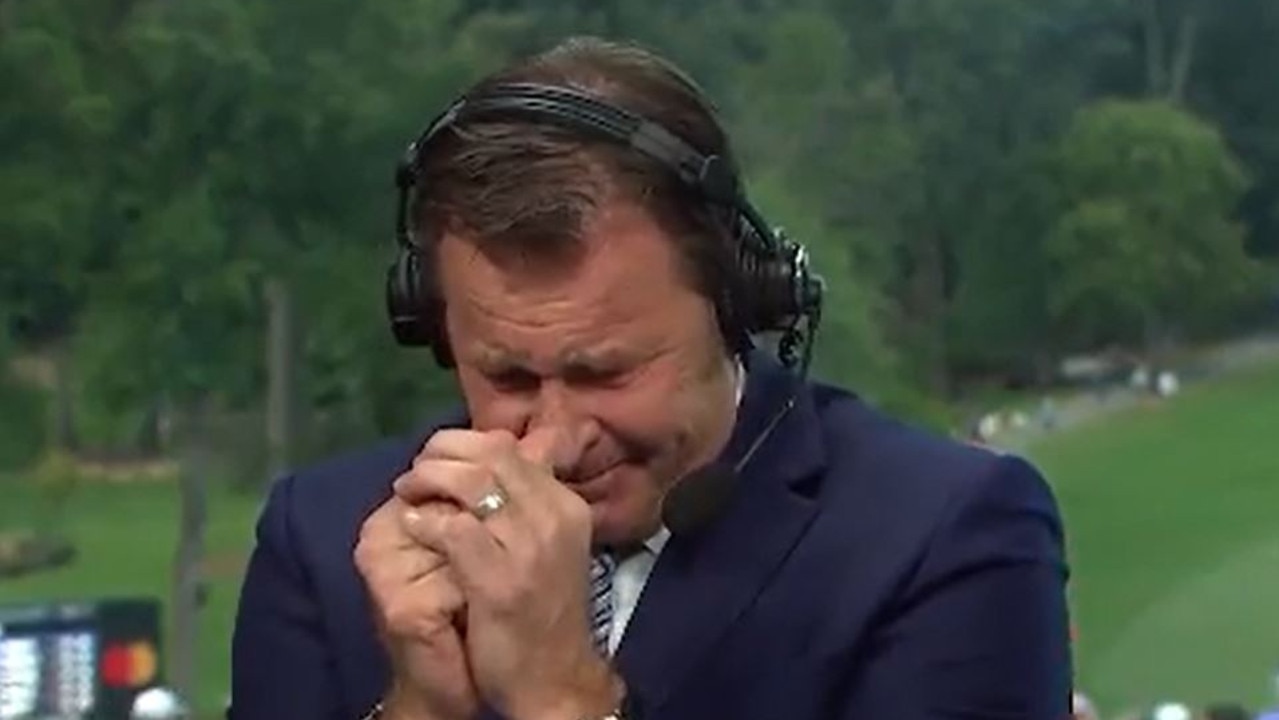
Golf 2022: Nick Faldo breaks down in live TV commentary farewell, CBS, PGA Tour Wyndham Championship scores, result

Golf legend Nick Faldo was reduced to tears and barely able to speak as he signed off on his 16-year career commentary in an emotional live TV segment.

The six-time major winner is leaving CBS and the Golf Channel and plans to focus on running his Montana farm and other business.

Watch LIVE coverage from The USPGA Tour with Fox Sports on Kayo. New to Kayo? Start your free trial now >

Faldo, 65, was a blubbering mess as he attempted to give his final address sitting alongside fellow CBS analysts Jim Nantz, Ian Baker-Finch and Frank Nobilo after the Wyndham Championship at Sedgefield Country Club

“I blew it,” he said, struggling to compose himself. “I was already…”

Faldo wept before finally stringing an emotional sentence together: “So I was on a boat in Ireland… They gave me a call and said, ‘How would you like to sit next to Jim Nantz?’ I literally fell out of the boat. I really did. That was 2006, and here we are, 16 years later.

Australian Baker-Finch and New Zealander Nobilo paid tribute to Faldo before the Englishman uttered an emotional final line.

“I’m a single child and at 65 I found three brothers, thank you,” he said.

Meanwhile South Korean Kim Joo-hyung fired a stunning nine-under par 61 to win the Wyndham Championship, his first US PGA Tour title, and secure his spot in the season-ending playoffs.

Kim’s outstanding effort at Sedgefield Country Club, where the 20-year-old played the first nine holes of the final round in eight-under, capped a remarkable week that opened with his quadruple bogey eight at the first hole on Thursday.

“It’s definitely a week I’ll remember forever,” Kim said after his 20-under total of 260 gave him a five-stroke victory over fellow South Korean Im Sung-jae and American John Huh.

“I can’t believe it — I’m speechless right now,” Kim said, his emotions finally showing after a round in which he looked in supreme control.

“I’ve worked really hard to get to this point,” he said, his voice cracking. “Just walking off that 18th green, just thinking about the behind the scenes work.

“It was a hard day. I didn’t know golf was this stressful,” added the player who goes by the nickname Tom in a nod to his childhood love of Thomas the Tank Engine.

Cameron Percy was the best-placed Australian, finishing tied eighth, nine shots off the lead.

Originally published as Golf legend Nick Faldo reduced to blubbering mess in stirring live TV farewell

.

Categories
Australia

Young adult researchers with Down syndrome hoping to change the narrative

A new study of young adults with Down syndrome has found they often have high aspirations, usually grounded with a sense of realism.

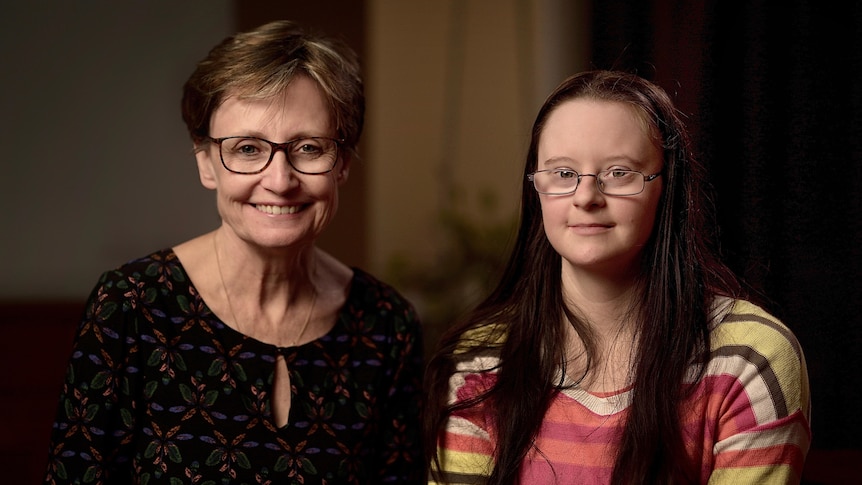
“One of the things I loved seeing was this zest [for] life, the joy and enthusiasm in so many things,” University of Queensland Associate Professor Rhonda Faragher said.

“And a really important finding is that they don’t like to be treated differently. They don’t want to be singled out. They don’t want to be, perhaps, patronized.

“We know a good quality of life is not only possible. It’s common.”

The study ‘Stepping out in the world: the new adulthood for Gen Zs with Down syndrome’ involved interviews with 27 people around Australia as part of a National Disability Research Partnership grant.

“When I was growing up, there weren’t people with Down syndrome around — they were usually taken at birth to live in institutions, often with a short life span,” Dr Faragher explained.

“And we became intrigued by the idea that these young people who had left school were leading very different lives to what people had in the past.”

‘I feel proud’

Six women and two men stand together in a group.
Members of the research team Mia Johnston, Dr Rhonda Faragher, Alana Pettigrew, Bobby Pate, Ruth Faragher, Dr Jan Lloyd, Rebecca Flanagan and Michael Cox.(Supplied: University of Queensland)

The project employed four people with Down syndrome as research assistants who helped with the interviews and took part in the focus groups.

“We don’t do work on people with Down syndrome, we do it with and by,” Dr Faragher said.

Two adults with Down syndrome served on the project’s steering committee, Bobby Pate and Dr Faragher’s daughter, Ruth.

“I got involved in the research with my mum, basically because I’ve got Down syndrome, so I am really good at things,” Ruth Faragher explained.

Research assistant Mia Johnston says she feels like she’s achieved something.

“My family is proud and I feel proud for myself,” she said.

Study participant Catherine Mullany from Brisbane said she told the researchers she has a good life.

“I am 23 years old. I have a job at coffee roasters — and get paid,” she said.

“My dream is to keep my job, get gold medals for swimming, things like that… I love my dreams.”

‘We are people just like everyone else’

A man speaks on stage as four women and one man stand behind him.
Michael Cox and members of the research team present the findings at the University of Queensland.(Supplied: University of Queensland)

The project was carried out by the University of Queensland’s Down Syndrome Research Program, which began in the late 1970s and is believed to be the world’s oldest and longest study of people with the genetic condition.

Dr Faragher first made contact with the program after Ruth was born in 1996.

“I knew a little about Down syndrome, but not much,” she said.

One of the directors of the center at the time was Dr Anne Jobling.

“When I first met Rhonda, she was an anxious mother, and we had much data we could share about developmental progress that was contrary to the literature at that time,” Dr Jobling said.

Dr Faragher was a mathematics teacher when Ruth was born, but she later became an academic and eventually director of the Down Syndrome Research Project.

“What a lovely turn of the circle,” she said.

“Going from when I was receiving the information as a new mother, that came out of the research studies, to now being able to contribute to that work.”

Dr Jobling says stepping out into the adult world is still an enormous challenge for people with Down syndrome, but she’s seen a remarkable change in her lifetime.

“It is absolutely amazing to me that we have been able to come so far,” Dr Jobling said.

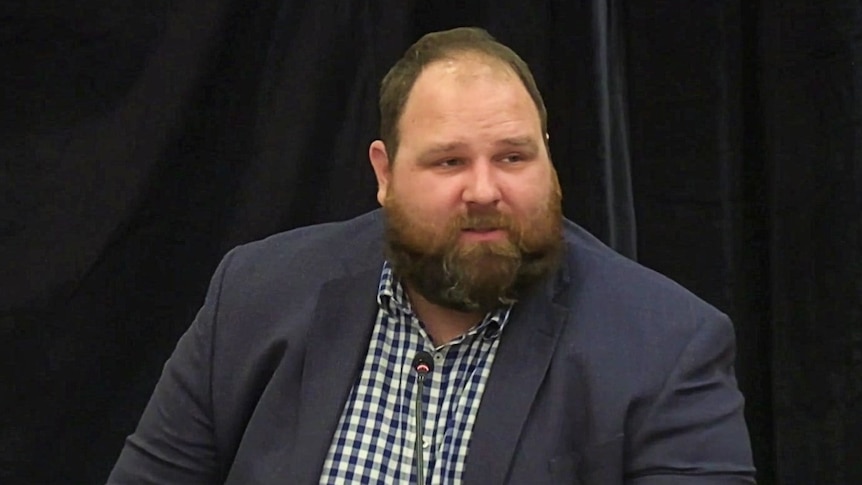
Speaking at the release of the Gen Z report at UQ, research assistant Michael Cox said it was a wonderful opportunity to spread an important message.

“We may have disability. We may have Down syndrome but people do forget that we are people just like everyone else,” he said.

Watch this story on 7.30 on ABC TV and ABC iview.

.

Categories
Business

CEO Ross McEwan says home loans repayments are on track despite rising interest rates

This appears to have spooked the market, with NAB shares falling 3 per cent on Tuesday morning; the stock is essentially flat year-to-date.

But the margin boost is coming, with Citi analyst Brendan Sproules tipping NAB’s NIM will lift from 1.62 per cent in May to 1.64 per cent by September, and then 1.76 per cent a year later.

But with the RBA only starting its tightening cycle in May, later than many of its global peers, investors will need to wait a little longer for this tailwind to really get going.

Of course, rising rates are a double-edged sword for banks, and NAB chief executive Ross McEwan has been vocal in urging borrowers worried about mortgage stress to come forward early and seek help, whether that’s an adjustment to their loan repayments, fixing or splitting their loan, tapping their redraw facility, or plain old hardship assistance.

But for now, NAB’s mortgage book looks to be in pretty good shape.

NAB’s total credit impairment charge for the quarter was just $11 million, less than a third of the charge it took in the March quarter.

Better still, loans 90 days or more past due and gross loans as a percentage of NAB’s lending book continue to decline. Just 0.7 per cent of NAB’s loans were in this “troubled” category at June 30, compared with 0.75 per cent at March 30, and 1.13 per cent at June 30, 2021.

Again, NAB’s June quarter numbers – and Commonwealth Bank’s full-year profits on Wednesday – come too early to reflect the full impact of the RBA’s rate rises, so there is no doubt that what mortgage stress we do see is still some months down the track .

But the fact the percentage of troubled loans in NAB’s book is still falling shows the banks – and households more broadly – ​​will start this tough period in a pretty good spot.

McEwan believes most of his customers can absorb higher rates, with about 70 per cent of home loan repayments ahead of schedule.

Of course, the glass-half-empty view is that there are 30 per cent of customers living mortgage payment to mortgage payment – ​​including a big chunk of borrowers set to shift from fixed rates to variable ones – in an environment where rates will end the year about 3 per cent higher than where they started it.

And, according to Barrenjoey analyst Jonathan Mott, it’s the 10 per cent of households – who account for something like $200 billion of home loans – that represent the real worry; the average customer might be fine, but it’s the tail that can hurt the banks.

But as McEwan points out, this slowdown won’t look like your parent’s three decades ago – historically low unemployment and historically high household savings should provide resilience this time around.

If consumer spending can moderate, as appears likely, and wage growth doesn’t get out of control, perhaps the soft landing that the RBA craves can be engineered.

Categories
Sports

Georgia Godwin rise highlights new way for gymnastics

“Recently I’ve tried to look after Georgia the person before Georgia the gymnast,” she said. “That’s been a huge step in my journey this year, really trying to find me as a person and not have my whole identity as a gymnast, which has been challenging because gymnastics is very tightly knit into my life.”

Such an attitude is nearly revolutionary in a sport where gymnasts have often suppressed their needs while striving for success, stressed by the idea that careers draw to a close with puberty.

All this stands in stark contrast to what the sport has been pummeled for after athlete Athe Netflix documentary that chronicled the rampant abuses within women’s elite gymnastics.

American superstar Simone Biles was among those calling for change.

American superstar Simone Biles was among those calling for change.Credit:Getty Images

athlete A sparked a global outpouring of gymnasts sharing their traumatic experiences, including in Australia, where more than two dozen former national team members took to social media to expose what many allege amounted to abusive treatment.

That sparked an official inquiry by the Australian Human Rights Commission, whose findings exposed the sport’s “win-at-all-costs” culture. Liddick, who is no longer a national coach, was sanctioned by the National Sports Tribunal earlier this year and acknowledged in a letter that she “engaged in unacceptable coaching behaviours, in particular the use of negative language which was belittling, offensive, and humiliating”.

The careers of Godwin and several of her teammates straddle the old way of training elite gymnasts and a more athlete-centric model where gymnasts and their personal coaches have more freedom to decide what’s best that is slowly coming into form in Australia.

The new methods — training hard but smart, taking time off to take care of injuries, and most of all speaking up when they have something to say — provide a blueprint for conduct that many athletes, including Olympic superstar Simone Biles, have now spent years advocating for.

When Godwin’s mental health needed tending to after a bout of post-Olympic blues threatened to halt her progress, she called a meeting of her team and told them point-blank how she had been feeling.

Godwin (left) embraces countrywoman and fellow Birmingham gold medalist Kate McDonald.

Godwin (left) embraces countrywoman and fellow Birmingham gold medalist Kate McDonald.Credit:AP

“And they were so helpful!” she marveled, adding that the Australian Institute of Sport’s mental health referral network found someone to help her. “For a long time we’ve internalized everything, and so it’s a bit of a challenge to try and change that, but I do want to see a big change in speaking up about your program and speaking up about how you’re feeling and things like that. I’m trying to show the young ones that it’s OK to be a little bit open and vulnerable. My main goal is to show them that you can enjoy the experience, plus you can do well.”

That has translated to small changes, like having the freedom to wander the Commonwealth athletes village — “to go outside, talk to people, enjoy being there,” Godwin said — and bigger ones, too. When Commonwealth Games beam gold medalist Kate McDonald was looking to change gyms late last year, she did a trial at the gym where she presently trains and was astounded when other athletes literally applauded her skill.

“And as soon as that happened I was like, wow, this is crazy, this environment is so different and I’m already in love with this place,” McDonald, 22, said. “That’s really given me such a good turn in my gymnastics, and I’m just so happy now.”

Godwin is yet to decide whether she will push on to the Paris Olympics in two years.

Godwin is yet to decide whether she will push on to the Paris Olympics in two years.Credit:Getty

Godwin did not begin the sport with big ambitions. She dabbled in tennis and athletics as a child, but she kept returning to gymnastics, attracted by the fun of flying through the air but also by the building-block nature of the sport. But by the time she reached her upper echelons, the Olympics were well in view.

She swallowed the disappointment of missing Glasgow and stuck it out when Australia failed to qualify a team for the 2016 Olympics in Rio de Janeiro. She made it to Tokyo on the strength of her individual performance at the 2019 World Championships, then waited through the pandemic to be able to travel and compete again. She finished 37th all-around in Tokyo.

After an Olympics and Commonwealth glory, what comes next? “There’s no specific competition I want to tick off, but it’s just the experience and the atmosphere that I really want to dive into,” Godwin said.

McDonald, for her part, feels she is just getting started. “I feel like I still have so much time and so much more to give in the sport,” she said. “You can be 25, 26. Georgia’s 24 and she’s still producing amazing results.”

Godwin has yet to decide whether she will go for the 2024 Olympics, or even to return to England for the World Championships in Liverpool in October. She and her teammate Emily Whitehead, also a Tokyo Olympian, have informed Gymnastics Australia that they will reassess their status once they return home.

“We’ve already told GA where we’re at physically and mentally, and they’re starting to listen, which is nice. They’ve really put a hold on it and we’ll let them know,” Godwin said.

At the moment, London and Paris beckon for a long-awaited holiday. The 2024 Olympic host city is of particular interest to Godwin, who enjoyed a small taste of it during a pre-Games training camp.

loading

“The vibe and the atmosphere in Paris was like one big party,” Godwin said.

“So I’m quite excited to go back post competing and actually get involved in the party.”

Blyth Lawrence is a freelance American journalist specializing in gymnastics and Olympic sports.

Categories
Australia

Diagnosed with PTSD and depression, ex-serviceman William considers himself one of the ‘lucky’ ones

A 2015 military deployment to Egypt changed former soldier William McCann’s life.

Frozen by the constant sound of alarms and gunfire while on deployment there, he feared he would die.

On his return to Australia, that fear and distress spilled out when he met his newborn son for the first time.

“I sort of regret it a little bit today that my first words to him, I don’t know why I said this was, ‘I didn’t think I would get to see you’,” he told the Royal Commission into Defense and Veterans’ Suicide.

“[They] were my first words to my son. It was probably an indicator then [of post-traumatic stress disorder] too, but I didn’t want to admit it to myself.”

Mr McCann said he became so overwhelmed by the noise of “rounds landing, rounds firing and alarms constantly resounding” in Egypt that it triggered his fight or flight response, resulting in him freezing and laying on the ground for an undetermined amount of time.

That incident, and a combination of shame and embarrassment around his reaction, led to a severe deterioration in his mental health.

“I started to realize I was really lacking a lot of confidence… I felt like I really didn’t belong,” he said.

“I felt like I was failing at every step along the way, and I got to feel that my motivation was gone; I just didn’t have that spark I had once before.”

He also started having daily thoughts about taking his own life.

Mr McCann was initially diagnosed with depression upon his return but was diagnosed with PTSD two years later in 2018.

He was eventually medically discharged in early 2019, exactly 13 years after he joined the Australian Defense Force.

Initially feeling like he had been “left in the lurch” by the Army when he was discharged shortly after receiving the diagnosis, Mr McCann quickly turned his focus to getting as much support as possible before he left.

“I didn’t want to be a financial burden on my family,” he said.

He completed multiple PTSD short courses and began the arduous process of finding a new psychologist — something he said was much more difficult outside of the ADF.

A screen inside the royal commission shows the Australian Government logo and signage.
The commission will finish its Hobart hearings on Wednesday.(ABC News: Luke Bowden)

One of the ‘lucky’ ones

Mr McCann said he was inspired to give evidence at the royal commission to bring awareness to the struggles that people who experienced less support than he did had faced during and after their careers.

.

Categories
US

Tucker Carlson ‘Shitting Himself’ Scared That His Alex Jones Texts May Leak

This reporting appears as one of several scoops featured in this week’s edition of trust, the newsletter pulling back the curtain on the media. Subscribe here and send your questions, tips, and complaints here.

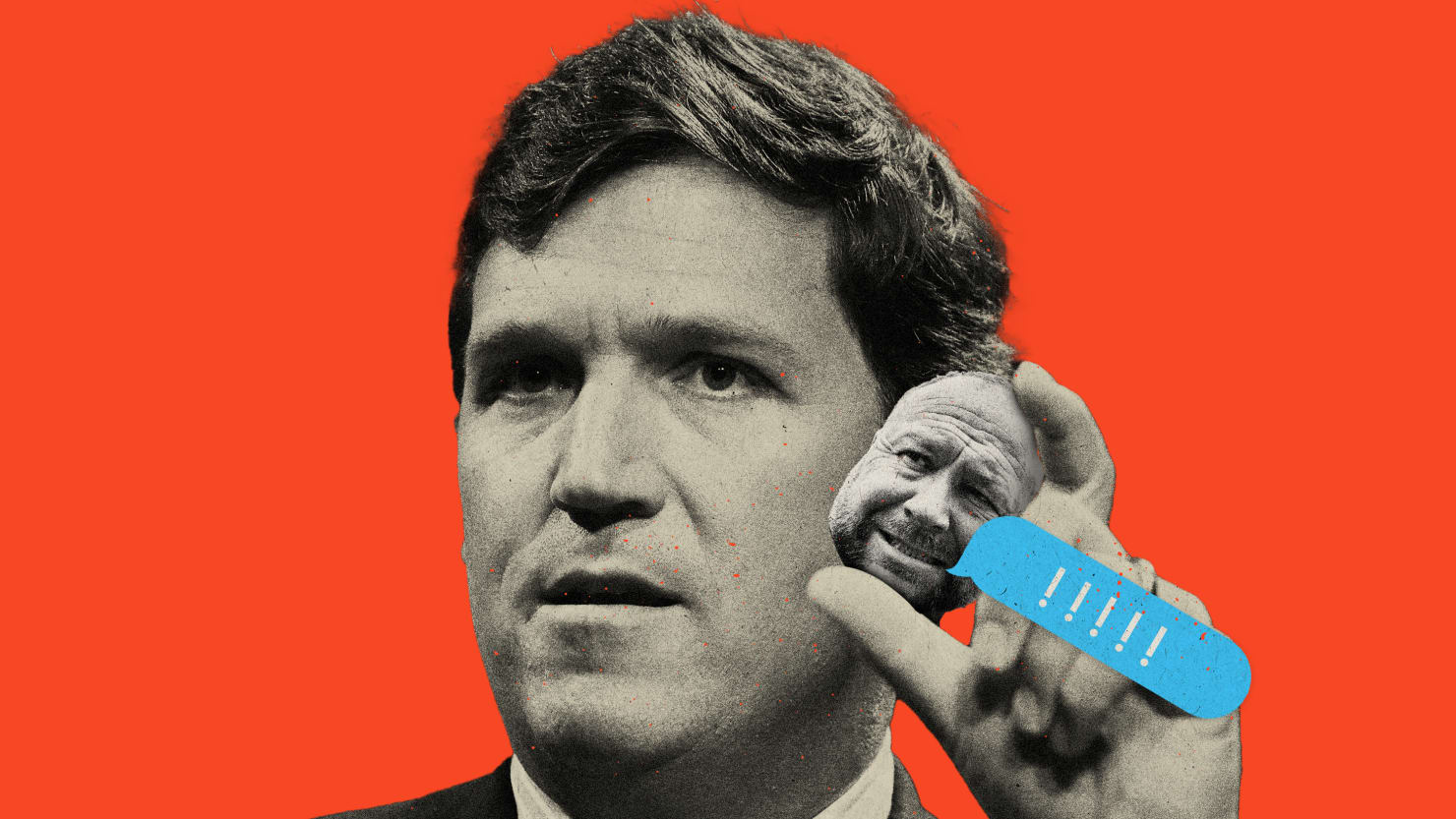
Tucker Carlson is “shitting himself” over the possibility that texts between him and far-right conspiracy loon Alex Jones will leak, a source close to the Fox News star told Confider.

Carlson and the raving Infowars ranter trade text messages on a daily basis, according to two people familiar with their relationship. If made public, these sources said, the text messages would be “highly embarrassing” for Carlson.

Two years’ worth of text messages sent and received by Jones are now in the possession of the US House committee investigating the Jan. 6 Capitol insurrection after the far-right conspiracy king’s lawyers accidentally sent a digital copy of all his texts to the lawyers representing the families affected by the Sandy Hook elementary school massacre, which Jones repeatedly dubbed a “hoax.” (Last week, a Texas jury ruled that Jones must pay a combined $49 million in compensatory and punitive damages to the parents of one of the schoolchildren killed in that 2012 mass shooting.)

Like what you’re reading? Subscribe to the Confider newsletter here and have The Daily Beast media team’s stellar reporting sent straight to your inbox every Monday night.

The lawyer representing the families, Mark Bankston, has publicly said the texts include “intimate messages” between Jones and self-described “dirty trickster” Roger Stone, who melted down on Telegram and called for Jones to sue his own attorney.

Carlson and Jones have maintained a friendly relationship for years. The Fox News primetime star has made multiple appearances on Infowars, gushed over Jones’ unhinged rhetoric, branded him “more talented than I am,” and supplied a fawning blurb for the bullshitting blowhard’s upcoming book.

“Maybe Alex Jones is onto something,” Carlson wrote of his pal on the back cover of The Great Reset: And the War for the World. “Read this book and decide for yourself who’s crazy.”

Carlson and Jones did not respond to multiple requests for comment.

Subscribe to the Confider newsletter here and have The Daily Beast media team’s stellar reporting sent straight to your inbox every Monday night.

.

Categories
Business

Australian social media company Linktree sacks 17 per cent of staff

An Australian social media start-up that was recently valued at $1.78 billion is sacking 17 per cent of staff from its global operations.

The company, whose main offices in Australia are based in Sydney and Melbourne, said it has 25 million users and is one of the top 300 most popular websites globally with 1.2 billion monthly views.

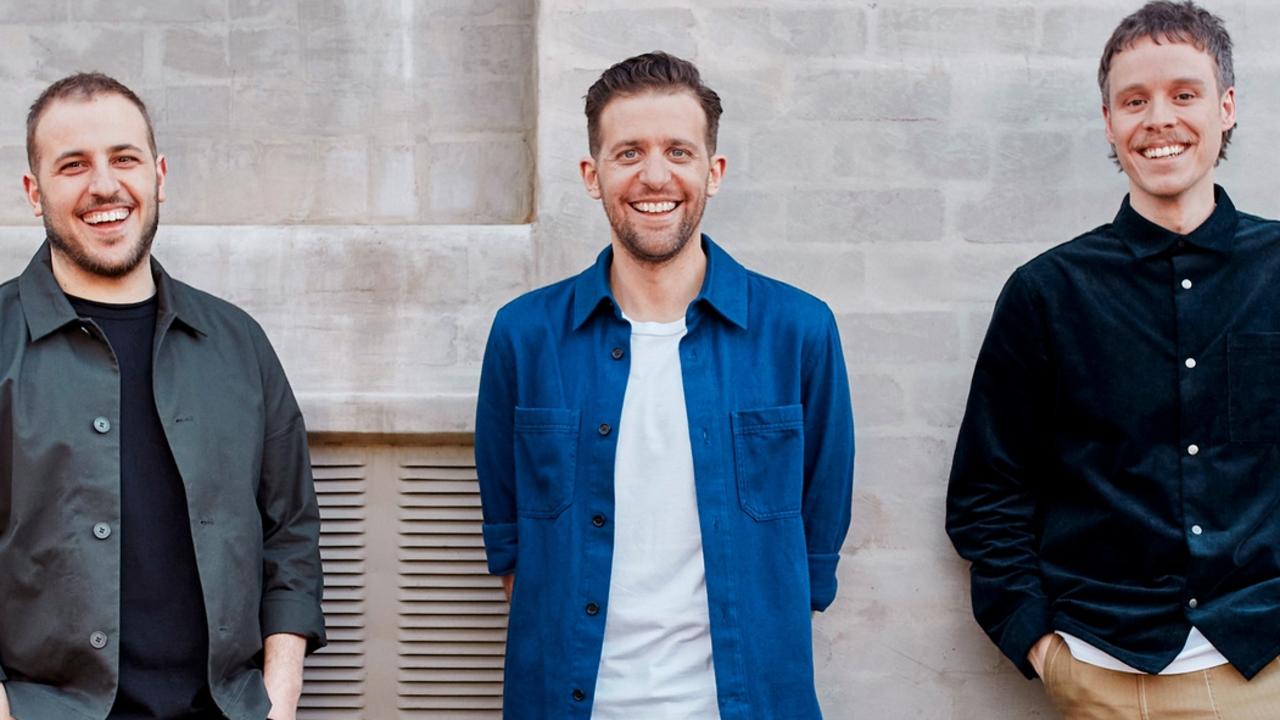
Yet, his co-founder and chief executive Alex Zaccaria, revealed on LinkedIn that he was “heartbroken” to announce that staff would be axed.

The news came despite the company, which has been backed by billionaire Afterpay co-founder Nick Molnar, raising $US110 million ($A1578 million) in March.

It also announced a brand transformation in June and revealed plans for a whole suite of new tools and features set to be released over the coming months.

The company is believed to have around 300 employees, with the 17 per cent figure equating to around 50 staff that will be sacked, with roles impacted understood to cover talent acquisition, people and culture, design and marketing.

Mr Zaccaria said he had shared the “difficult news” with staff about the cuts, which were being made to “emerge stronger from the economic downturn”.

“Our people have built Linktree into what it is today: trusted by millions of people around the world. I’m heartbroken to say goodbye to some incredible teammates today, and want to do all I can to support them,” he said.

“On Friday, we will post a public, opt-in Airtable for those of our team impacted and ask you to please consider this group of incredibly talented and passionate people for roles you have open. I can assure you they will make huge contributions wherever they land.

“If you’d like to speak to me personally about any individual, my DM’s are open.”

The cuts come after the company introduced a $6000 reward annually to staff just six months ago, with the perk described as “mind-blowing” by employees at the time.

Linktree started off as a way for influencers to link to everything from their outfits, blog posts, podcast episodes and social media, but has evolved into a platform that enables brands, artists and businesses to monetize their content through social media.

Its high-profile users feature Selena Gomez and Dwayne ‘The Rock’ Johnson as well as brands such as TikTok and Red Bull.

Mr Zaccaria also revealed that the company had made some “big bets” and hired in line with its ambitions, but economic conditions had changed in 2022 forcing the company to make the cuts.

“Conditions changed faster than expected and those assumptions I made were wrong,” he said. “I have many learnings to take into the next phase of building Linktree. That next phase involves narrowing our focus on our long-term strategy by reducing roles that are no longer aligned with our road map.”

In a further letter to Linktree staff, Mr Zaccaria said he would be hosting a weekly ‘Ask Me Anything’ session to staff for the next four weeks.

“Friday will be a company-wide mental health day at Linktree. For a company like ours, so focused on culture and camaraderie, this will be difficult news,” he said.

“I don’t expect anyone to be their normal selves. We will also be allocating you an additional mental health day that you can take at a time that suits you.

“The opportunity for Linktree is immense and I have no doubt we’ll achieve everything we intend to and more for our creators.

“The right path is rarely the easy path. Today’s change to our team is the hard way, but it puts us in a strong position to deliver on the opportunity we have in front of us.”

Staff that have been made redundant will receive an average of 11 weeks pay, mental health support for three months and laptops and work from home equipment will be gifted.

The company is still actively recruiting for roles on LinkedIn including product managers, integrated marketing managers and engineers, with 16 jobs currently advertised.

Tech sector bloodbath

Linktree’s staff are the latest casualties in the tech sector, which has seen a spate of companies firing staff as conditions get tougher.

Immutable, an Australian crypto company valued at $3.5 billion was facing a fierce backlash last week after sacking 17 per cent of its staff from its gaming division, while continuing to “hire aggressively” after raising $280 million in funding in March.

Australian healthcare start-up Eucalptys that provides treatments for obesity, acne and erectile dysfunction fired up to 20 per cent of staff after an investment firm pulled its funding at the last minute.

Debt collection start-up Indebted sacked 40 of its employees just before the end of the financial year, despite its valuation soaring to more than $200 million, with most of the redundancies made across sales and marketing.

Then there was Australian buy now, pay later provider Brighte, that offers money for home improvements and solar power, which let go of 15 per cent of its staff in June, with roles primarily based on corporate and new product development.

Another buy now, pay later provider with offices in Sydney called BizPay made 30 per cent of its redundant workforce blaming market conditions for the huge cut to staffing in May.

Earlier this year, a start-up focused on the solar sector called 5B Solar, which boasts backing from former prime minister Malcolm Turnbull, also sacked 25 per cent of its staff after completing a capital raise that would inject $30 million into the business

.
Categories
Technology

Mobile Is the Main Source of Revenue for Activision Blizzard

Microtransactions aren’t about to end.

Activision Blizzard is one of the biggest gaming companies. The California-based organization is behind some popular licenses like Call of Duty, Devil, Overwatchor world of warcraft. If for years the core of Activision Blizzard activities was focused on PC gaming, this trend has shifted with the release of various mobile titles. The latest and most controversial one is Devil Immortal and its microtransactions.

“Do you guys not have phones?” When Blizzard developer Wyatt Cheng said this during BlizzCon 2018, gamers got their pitchforks out. But mobile games might become the new trend for Activision Blizzard, considering this is now the biggest source of revenue for the company.

The organization’s latest financial report reveals that during the second quarter of 2022, more than half of Activision Blizzard’s revenues came from mobile games. The company earned $332 million from PC in this period, and $376 million on combined console sales. Mobile gaming brought in more than PC and console combined, with over $831 million in revenue.

Last year, the revenues from mobile gaming were roughly the same as consoles – mobiles made $795 million, while consoles brought it $740 million. Consoles sold more last year than this one thanks to the release of Call of Duty: Vanguard. A new installment in this series will come out later in 2022, with Call of Duty: Modern Warfare II coming out on October 28.

While Activision’s 2022 catalog has been pretty thin on consoles, Devil Immortal turned into a cash machine for the company on mobile platforms. This free-to-play game became controversial among players because of its emphasis on micro-transactions. But if that didn’t make gamers happy, it seemed to have fulfilled its goal of bringing some money for Activision Blizzard.

Two months after its release, Devil Immortal surpassed $100 million in global player spending. Micro-transactions are everywhere, and some players even paid $100,000 to improve their character.

Last January, Microsoft announced its intent to acquire Activision Blizzard for the whopping amount of $68.7 billion. If this purchase may change the controversial company culture, it seems unlikely Microsoft would turn down the immense profits that come from mobile gaming.

Source

Categories
Sports

Wallabies’ 2024 gameplan development starts now

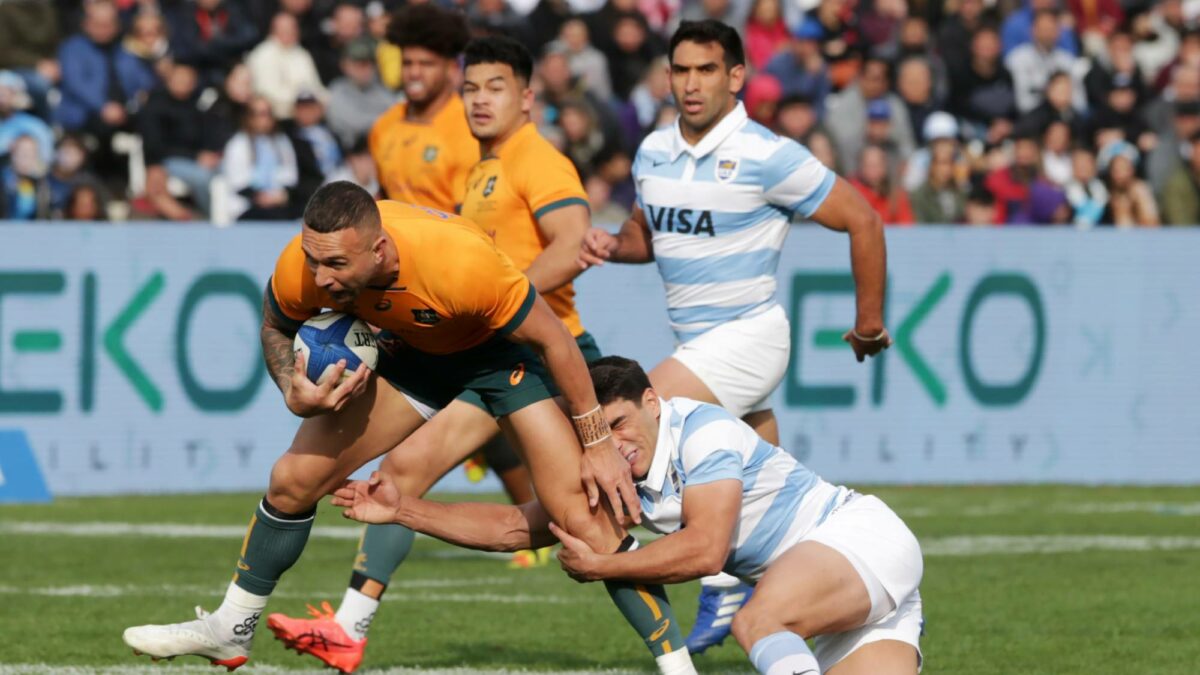
A gutsy, come-from-behind Wallabies win in Mendoza on Sunday morning (AEST) was sadly soured by two significant events.

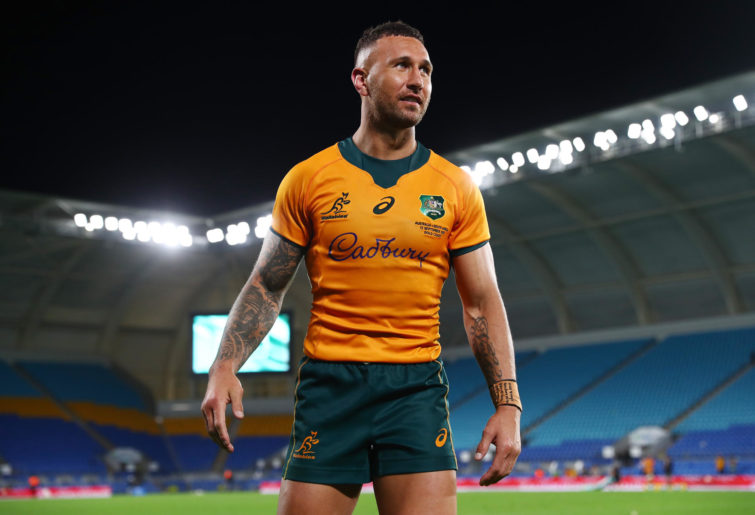
The first was the Achilles injury suffered by Quade Cooper in the 48th minute itself. The second was the almost immediate realization of the major ramifications for game development, specifically leading into the Rugby World Cup next year in France.

A ruptured Achilles tendon is a major injury with full recovery typically outlined in nine-to-12-month terms.

The tendon itself can take around six to ten weeks to heal, according to online resources, but it could be as long as four to six months before a patient is in a position to commence relatively normal activity, like walking or running. Even if this is achieved, the general advice appears to be a that it will likely take another six months or so of rehabilitation treatment before the injury is considered fully recovered.

Obviously – as if this even needs to be said – these timeframes are indicative only, and equally obviously, every patient is different. TheRoarunsurprisingly, is not the best place for medical advice.

Harry Johnson-Holmes suffered a ruptured Achilles almost immediately after arriving in camp from the Australia A squad last month in the midst of the front-row injury crisis, and his training and recovery to restore the strength and conditioning he needs for the front row is going to be a lot different to Cooper’s.

But this point remains: even if Cooper can get the best possible treatment available and strictly adheres to his rehab while maintaining the best fitness and body condition he possibly can going into next year, he’s still going to be a 35-year-old coming off an Achilles rupture.

If Johnson-Holmes is racing the clock, so too is Cooper.

Quade Cooper of the Wallabies

(Photo by Chris Hyde/Getty Images)

Which all amounts to the Wallabies no longer having the option of basing a gameplan around Cooper at flyhalf for the World Cup.

And that probably means that the post-RWC – and post Cooper – thinking around the way the Wallabies approach and play the game needs to be identified and employed well ahead of time.

Maybe not this week, because the next game is probably too close, and Argentina is not exactly an easy commute. But certainly in this Rugby Championship the Wallabies have just begun, and certainly over the course of the five-Test Spring Tour in late October and November.

And all the thinking for 2024 would hinge around two key questions that now need answers in August 2022.

How do the Wallabies want to play? And…

Who do are the best options to fit into and drive that approach?

The Roar experts Brett McKay, Harry Jones and Jim Tucker review Australia’s win in Mendoza

With Cooper back in the No.10 for the first time this year, Australia looked very different in attack in Mendoza than they did against England in July, and that would have surprised no-one.

There were noticeably more flat runners, and more inside lines being offered – Jordan Petaia’s for the first try being an obvious example – as Cooper looked for and played toward any chinks he could find in Los Pumas’ defense.

Nic White’s role was to play field position and get Cooper the ball where he needed it and when he wanted it. Hunter Paisami’s role was play support to Cooper and often trigger the next phase of attack when Cooper ran, while Len Ikitau and the back three were the guys running the lines that Cooper needed, from first phase, as an inside option, and obviously to support any tackle busts and line breaks.

On the whole, it went OK. Cooper showed plenty of signs in the first half that he’d not played a great deal of rugby since late May, and that’s not unexpected given the nature of the injury that sidelined him in July.

But he was starting to look more dangerous and the Wallabies attack more threatening when the old sniper in the stands got him eight minutes after halftime.

When Cooper went off, White and to a lesser extent Paisami took more control of the play, with Reece Hodge admirably playing the distributor and linking role in between them. The Aussies simplified their attack, increased their pace as they entered the attacking zone, and guys in space had supporting options around them.

So the Wallabies need to work out if they want to play primarily off 10 or distribute the playmaking across 9, 10 and 12. Then they need to work who the best options are for whichever method they want to deploy.

Indeed, it could be that they want the ability to play both styles, and maybe even use different players accordingly.

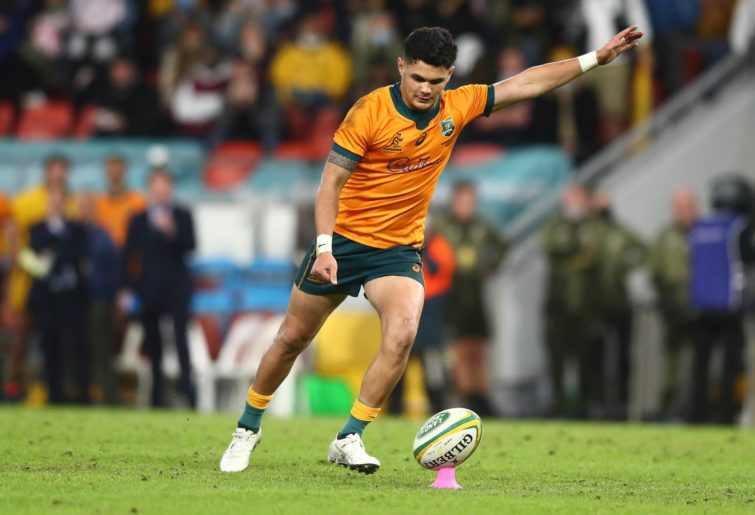
If Noah Lolesio is now the man, then the team needs to play within his capabilities and to his strengths. If it’s Ben Donaldson, then he needs to be added to the squad at the first logically and logistically possible opportunity to start gaining experience. Same applies for Tane Edmed or any other young options.

Noah Lolesio kicks the winning goal for the Wallabies

(Photo by Chris Hyde/Getty Images)

James O’Connor may be an option if he’s fit. Hodge did exactly what he was asked of in Mendoza, but would be a questionable long-term option.

But further, the Wallabies now more than ever need to ensure the Super Rugby sides are on the same page. If it’s Lolesio, then Stephen Larkham and the Brumbies need to know what they need to start building into Lolesio’s game in January, so that he’s right for the national team in July and August. If it’s Donaldson or Edmed, then Darren Coleman and the Waratahs could do a lot worse than play to the same attacking structure.

Communication with the states is going to be crucial. Coordinated planning and feedback and tinkering between the national coaches and their Super counterparts will need to be deliberate and careful and regular.

And it’s all achievable, importantly. The Brumbies-Wallabies conduit is well established. With Jason Gilmore taking charge of Australia A this year and employing Dave Rennie’s structures, it won’t be foreign to the Waratahs, either.

If Cooper can recover in time get enough game time into his body, then by all means, take him to France.

But the Wallabies can’t wait and see.

Any success they achieve in France next September needs to come from steps taken and methods employed in the next few months.

And the very real prospect that it may not involve Cooper at all.

Categories
Australia

Bunbury Outer Ring Road last-minute Federal Court challenge fails, construction in Gelorup to resume

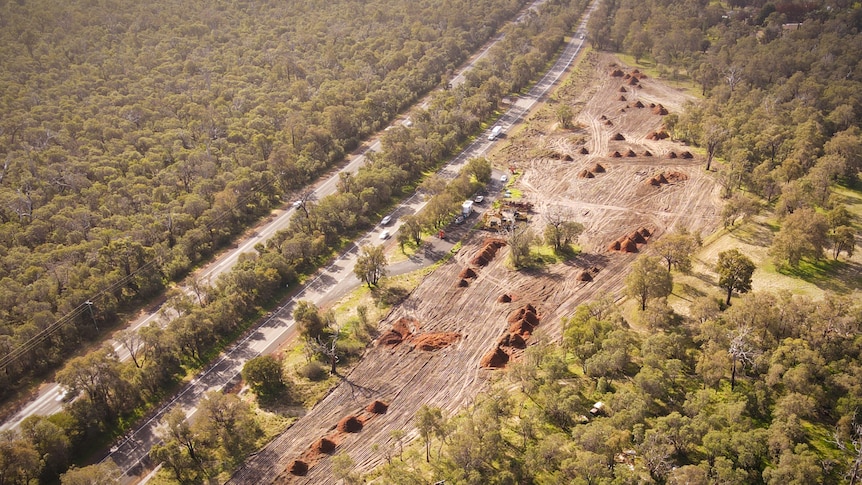
A last-minute legal challenge against the construction of a controversial bypass highway in WA’s south has failed in its bid to stop bulldozers from clearing native bushland.

On Friday, construction was halted at the southern and final leg of the $1.25 billion Bunbury Outer Ring Road when an eleventh-hour injunction was granted by the court.

But the court today agreed with government lawyers that the legal challenge “had no legs”, and dismissed the injunction, clearing the way for construction to resume today.

Judge Craig Colvin was not satisfied with the opponents’ legal argument about the legitimacy of the federal process Environment Minister Tanya Plibersek took to grant environmental approval.

Work to clear 71 hectares of native habitat for the road began last week, prompting protests from members of the local community who have said the impact on the critically endangered western ringtail possum would be too great.

At least five people were arrested for trespassing onto the site and locking themselves on to machinery and trees.

.