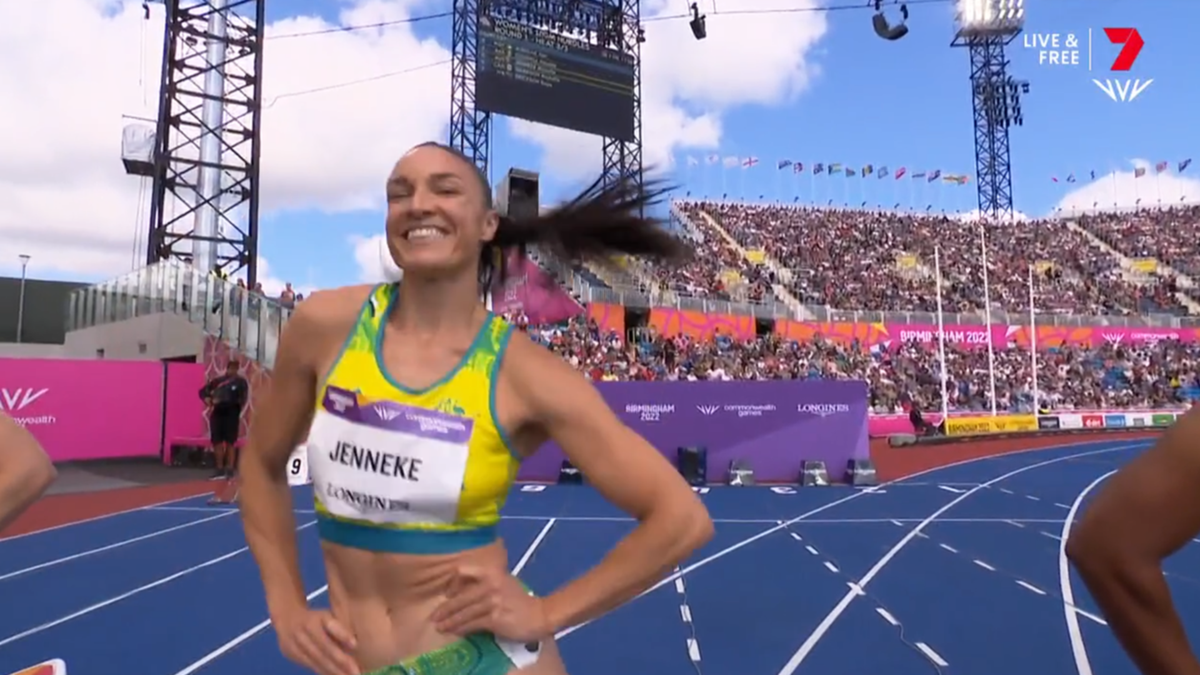
Anyone who thinks Michelle Jenneke’s pre-race ritual distracts her, just watch how she breezed through her heat in the Women’s 100m hurdles at the Commonwealth Games in Birmingham.
The 29-year-old Aussie has been known as ‘The Dancing Hurdler’ ever since her pre-race warm-up went global.
See the dance – and Michelle Jenneke smash her heat – in the video player above
Stream Seven’s coverage of the Commonwealth Games 2022 for free on 7plus >>
On Friday, she cut a very relaxed figure despite being laned right next to Nigeria’s Tobi Amusan – the current world record holder at the event.
There were lots of dancing, and smiles all round. She was introduced to the crowd over the speakers as ‘The Dancing Australian’.
She waved with grin from ear to ear. It was a special moment for Jenneke.
Michelle Jenneke cut a very relaxed figure despite being laned right next to Nigeria’s Tobi Amusan – the current world record holder at the event. Credit: Seven
She’s in the best form of her career, coming off an exceptional performance at the world championships in the US earlier in July.
Jenneke knew she would likely have to again go close to her new PB of 12.66 seconds, just to make it through to the final.
And boy, didn’t she deliver.
Amusan, who won gold in the event at the Commonwealth Games on the Gold Coast in 2018, flew home to win the heat in a time of 12.40 – a new Commonwealth Games record.
Jenneke, crossed the line in second to qualify for the final in a time of 12.63 – that’s the fastest she’s ever run.
BIRMINGHAM, ENGLAND – AUGUST 05: Michelle Jenneke of Team Australia reacts after qualifying in the Women’s 100m Hurdles Round 1 heats on day eight of the Birmingham 2022 Commonwealth Games at Alexander Stadium on August 05, 2022 on the Birmingham, England. (Photo by Michael Steele/Getty Images) Credit: Michael Steele/Getty Images
“She will be very happy with how she executed that race,” Aussie athletics legend and Channel 7 Tamsyn Manou said after the race.
“Michelle wasn’t overwhelmed by being in the same race as Amusan. She had a clean run. She has just really used her speed and her technical ability over those hurdles.
“She’s an incredible hurdler and she’s in great shape.
“She’s had so many issues with injuries that it’s been really hard for her to get a block of training done. Ella she comes into these championships with a block of training.”
See the original pre-race warm-up that made Michelle Jenneke a household name in the video player below
Michelle Jenneke at the Junior World Championships.
Michelle Jenneke at the Junior World Championships.
After the race, Jenneke told Seven’s Jason Richardson she is racing the best she ever has.
I’m in the shape of my life,” she said.
“It’s really exciting. I still feel like I’ve got a little more in the tank, so we’ll see how we go in a couple of days.”
Jenneke is now in with a great shot to hit the podium at the Commonwealth Games. And Manou won’t mind seeing the pre-race warm-up dance again.
“I think sometimes people forget just how talented she is as an athlete,” Manou said.
“Athletes come in and they know what works for their psyche. For Michelle, it’s about relaxing and enjoying herself and that’s how she gets the most about herself.”
After the race, Jenneke told Seven’s Jason Richardson she is racing the best she ever has.
Credit: Seven
Jenneke maintained that nothing is changing any time soon.
“Honestly, I feel like I run the best when I’m happy and relaxed and just soaking it all up,” she said.
“That’s what works for me, so that’s what I do.”
Australia’s Celeste Mucci will also race in the final after qualifying eighth fastest in her heat.
The 22-year-old equaled her personal best in a very clean run at her second Commonwealth Games..
Democrats faced a wave of complaints that their proposed new minimum tax on corporations, which they’ve now agreed to narrow, would disproportionately hit manufacturers.
At the same time, their plan to target the “carried interest” loophole that’s now being dropped had riled powerful Wall Street lobbyists.
But the buyback tax, which Democrats have been contemplating for months, has been relatively uncontroversial — at least for a tax increase. That’s probably because it is so small.
“It’s not like business endorsed this, but they also didn’t lay across the train tracks to try to stop it,” said Todd Metcalf, a former top Senate tax aide now at the consulting firm PwC.
“This is the lowest hanging fruit.”
The swap will not only help secure Sinema’s support. It will also allow Democrats to say they are raising taxes on the well-to-do while scratching their long-standing itch to do something about corporate stock reprochases. Democrats were infuriated when, in the wake of Republicans’ 2017 tax cuts, many companies used their savings to buy back stock, enriching shareholders.
The change will also blunt Republican charges Democrats are hurting manufacturers at a time when supply chains remain snarled.
The excise tax appears to be more than enough to cover the $14 billion lost with the carried interest proposal and by squeezing the 15 percent corporate minimum levy, or “book-income” tax. Democrats say it would generate $74 billion in revenue, which would keep the overall savings in the package in the neighborhood of $300 billion.
The savings are less, though, than the $124 billion budget forecasters had estimated last year when House Democrats considered the proposal. One reason for the difference is that the tax would have begun in January of this year, so Democrats have now lost a year of revenue.
The tax changeup could be a little awkward for Sen. Joe Manchin (DW.Va.), who has repeatedly argued in recent days that Democrats’ bill is merely closing loopholes, not imposing new taxes.
“It will take a very, very creative messaging person to say that this excise tax is closing a loophole,” said Metcalf. “It clearly is a new tax.”
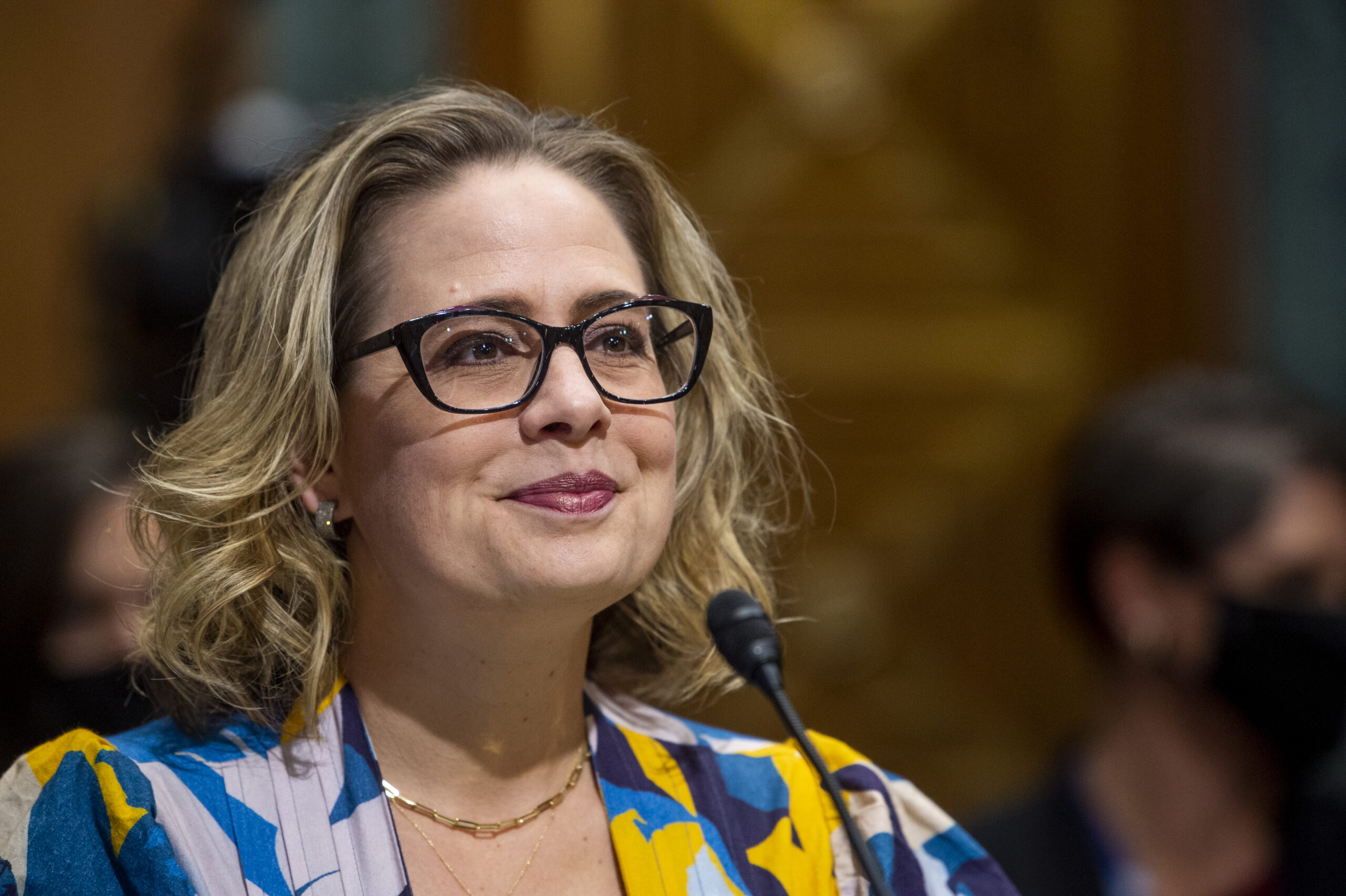
It’s the latest change forced by the enigmatic Sinema (D-Ariz.), who has repeatedly forced Democrats to rewrite their tax plans — all the while saying little publicly about what she wants and why. Senate Democrats aim to pass the legislation next week, with the House planning to quickly follow.
“I hate stock buybacks,” Senate Majority Leader Chuck Schumer (DN.Y.) said Friday. “I think they’re one of the most self-serving things that corporate America does. Instead of investing in workers and in training and in research and in equipment, they simply — they don’t do a thing to make their company better and they artificially raise the stock price by just reducing the number of shares.”
One reason Wall Street is shrugging at the buyback tax is because it is so small. Few expect it to discourage many companies from purchasing their own stock. Many firms see their daily stock prices fluctuate by much more than 1 percent each day.
And some say the tax doesn’t look so bad compared to others that Democrats had been pushing.
“It’s not exactly popular in the business community, but stopping it was never the top priority,” said Capital Alpha Partners’ James Lucier in a research note.
“We don’t believe it’s a good thing for investors, but given the options for increased revenue on the table to help pay for the Inflation Reduction Act (IRA), it’s probably the least bad.”
The biggest threat for Wall Street could come later: It would be the government’s first tax on buybacks and once it’s on the books Democrats could come back later and increase it.
Neil Bradley, chief policy officer at the US Chamber of Commerce, said: “Unfortunately, the new excise tax on stock buybacks will only distort the efficient movement of capital to where it can be put to best use and will diminish the value of Americans’ retirement savings.”
The problem Democrats faced with their minimum tax on big companies is that the tax code gives capital-intensive industries generous deductions for buying plants and equipment — which can drive a firm’s well below the 15 percent floor.
That led to a torrent of complaints from manufacturers, echoed by Republicans, that they would be hammered by what they called a backdoor repeal of popular depreciation allowances.
Democrats say they’veAgreed to spare accelerated depreciation from the minimum tax calculations, though the reported cost of doing that — $55 billion, according to Schumer — is lower than many anticipated, and some are eager to see the fine print of the plan. Before the changes, the minimum tax was projected to hit about 150 companies and produce $313 billion in revenue.
“We are glad to hear that accelerated depreciation provisions are removed, but we remain skeptical and will be reviewing the revised legislation carefully,” said Jay Timmons, head of the National Association of Manufacturers.
As for the carried interest provisions, Schumer said he had no choice but to delete it in order to win Sinema’s support.
Lawmakers have been trying to cut or eliminate the break for well over a decade—and somehow, regardless of which party is in charge, the break always manages to live on.
“Carried interest is the greatest survival story since the Shackleton expedition,” tweeted Jon Lieber, a former top aide to Senate Republican Leader Mitch McConnell (R-Ky.).
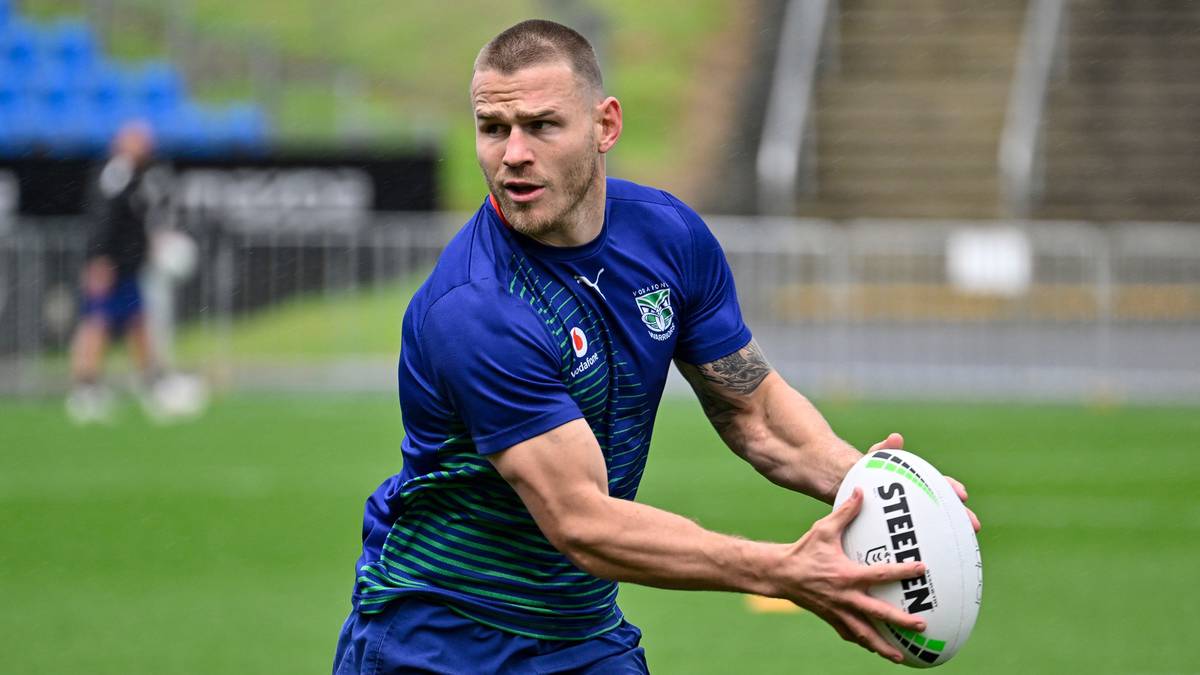
Euan Aitken will return to his preferred position for the first time since July last year. Photo / Photosport
When Euan Aitken was recruited by the Warriors ahead of the 2021 season, he was brought in as a senior centre, after 121 games for St George-Illawarra.
It was a logical move – as the club lacked depth in that position – but hasn’t worked out as expected, with Aitken spending most of his time in the pack.
On Saturday Aitken, who has only played eight of his 31 Warriors matches at centre, will return to his preferred position for the first time since July last year.
He was initially moved to the second row to cover some injuries, which made sense on a short term basis, before the shift seemed to become permanent this year.
It was a brave call by coach Nathan Brown but also risky, as Adam Pompey (34 NRL games at the start of this season) and Jesse Arthars (29 matches) were the most experienced of the other options available, alongside rookies Rocco Berry and Viliami Okay.
Aitken has mostly performed well in the forwards, with his industrious approach but the opportunity cost of the change has been considerable.
The Warriors have had defensive issues all season – only the Gold Coast Titans have conceded more points – and have been particularly vulnerable on the edge, with center arguably the hardest defensive position in the sport.
When Stacey Jones assumed the interim head coach role, he always planned to restore Aitken to the backs and selected him there for the homecoming match against the West Tigers on July 3.
Some late withdrawals curtailed that plan, but Aitken’s switch will finally happen against South Sydney on Saturday.
“I’ve been wanting to put him back there and just [solidify] our defence,” said Jones, who explained that the return of second rowers Jack Murchie and Bailey Sironen from injury had offered the opportunity.
Euan Aitken celebrates during the Warriors’ victory over the Wests Tigers. Photo / Photosport
For his part Aitken, 27, is looking forward to more space and time, one spot closer to the flank.
“It’s probably the one on one attacking opportunities that you get in the centers,” said Aitken, when asked what he has missed the most about playing out wide. “I’m a pretty strong ball runner and I like to beat my defender so I’m excited to get a few more opportunities.”
Despite spending the entire season in the forwards, Aitken has maintained his pace. He tried to bulk up in pre-season but couldn’t keep the extra weight on: “It’s hard to maintain when you are making over 40 tackles.”
Aitken, who is moving to the Redcliffe Dolphins next season, remains confident the Warriors are on the right track, despite two wins in their last 12 games.
“As a team we are sticking together quite well – there’s a decent culture here,” said Aitken. “I feel like we are heading in the right direction, especially in the last three weeks since that Tigers win. We have shown good glimpses of having a strong team but we just can’t put it together over 80 minutes yet, not through lack of trying just errors in fatigue or a little bit of game smarts.”
With their playoff hopes buried weeks ago, Aitken hopes pride and a sense of fun – “the reason we play football is because we enjoy it” – can keep confidence and motivation levels high, along with the desire to hear their victory song again.
“I’m always trying to win,” said Aitken. “That is the number one achievement. I’d like to finish the year playing some good football and if we can get some wins it definitely makes things a bit more enjoyable.”
The Warriors have a dreadful recent record against the Rabbitohs. They have lost 12 of the last 13 encounters dating back to 2013, with their only win coming on the opening weekend of the 2018 season in Perth.
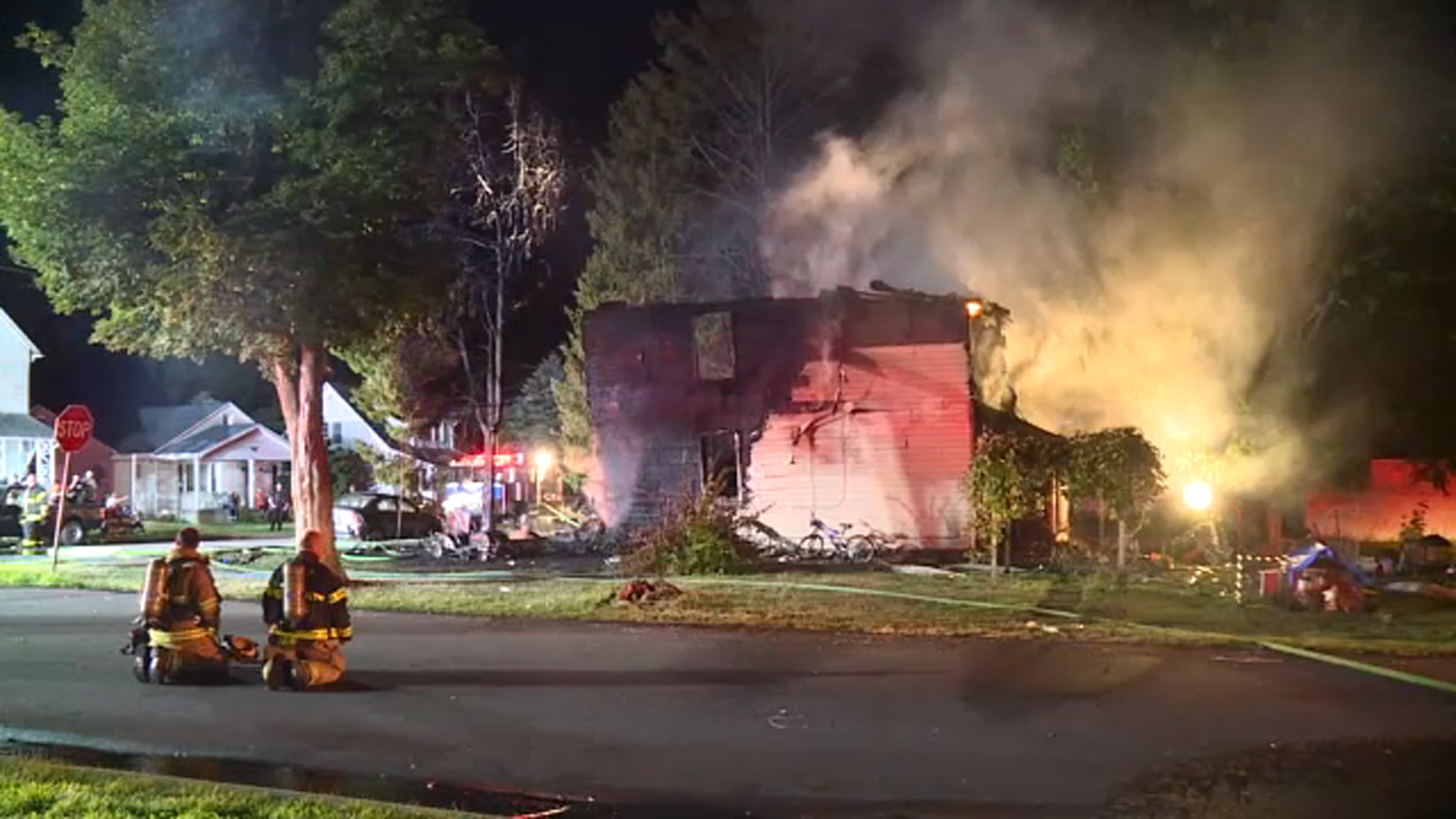
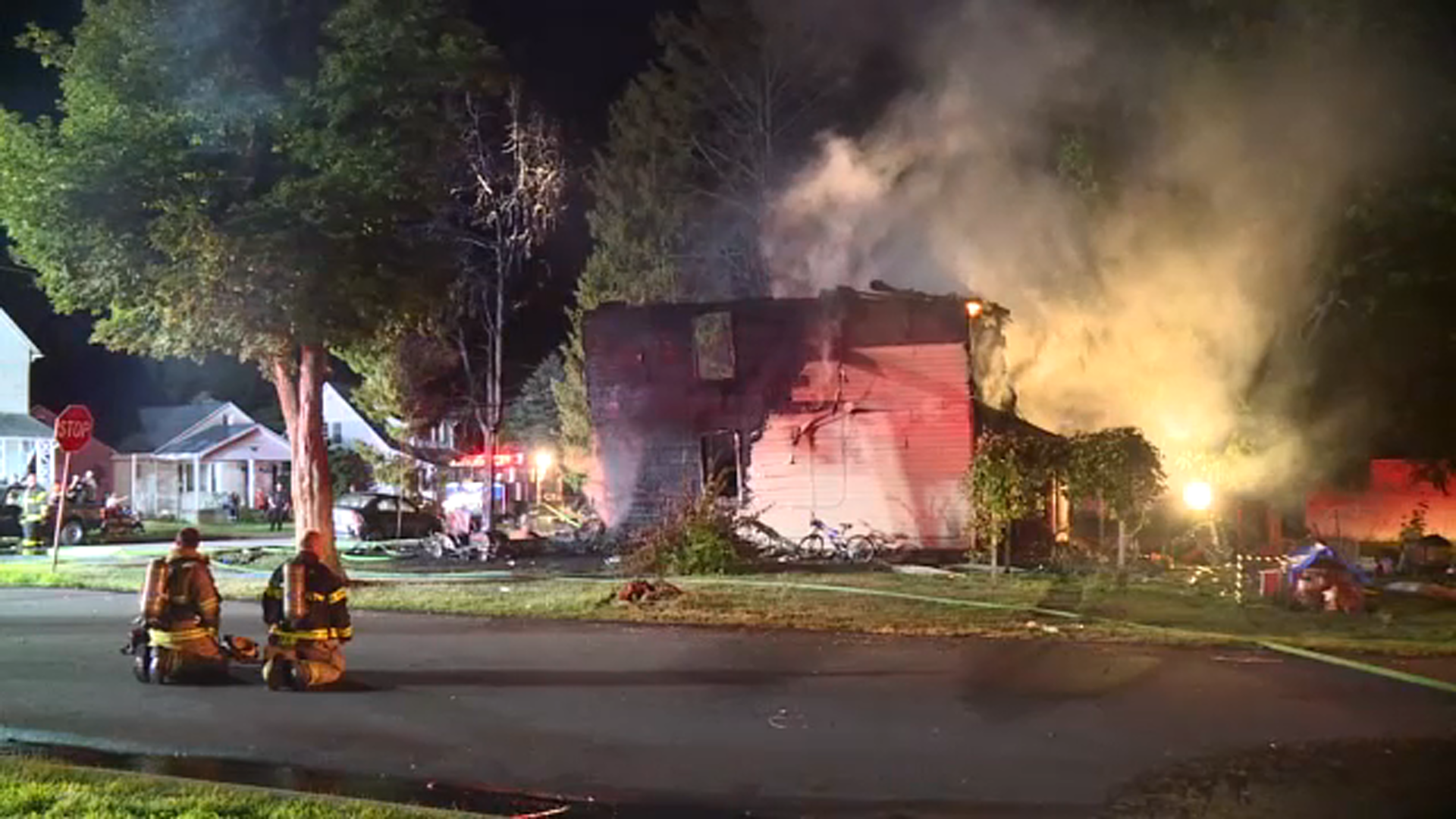
NESCOPECK, Pa. — Fire tore quickly through a Pennsylvania home in the wee hours of Friday, killing seven adults and three children and horrifying a volunteer firefighter who arrived to battle the blaze only to discover that the victims were his family, authorities said.
A criminal investigation into the fire is underway, authorities said. The children who died in the fire were ages 5, 6 and 7, Pennsylvania State Police said in a news release.
Nescopeck Volunteer Fire Co. firefighter Harold Baker told the Citizens’ Voice newspaper of Wilkes-Barre that the 10 victims included his son, daughter, father-in-law, brother-in-law, sister-in-law, three grandchildren and two other relatives.
The fire in Nescopeck was reported around 2:30 am One person was found dead inside the single-family home shortly after emergency responders arrived, while two other victims were found later in the morning.
Some people were able to safely flee the burning home, authorities said.
Baker said that the address initially given for the call was a neighboring home, but that he realized it was his family’s residence as the fire truck approached.
“When we turned the corner up here on Dewey (Street) I knew right away what house it was just by looking down the street,” Baker told the Citizens’ Voice. “I was on the first engine, and when we pulled up, the whole place was fully involved. We tried to get in to them.”
Neighbors reported hearing a loud popping sound or explosion before seeing the front porch of the home rapidly consumed by flames. Some also reported hearing a young man screaming in front of the home, “They’re all dead.”
Baker, who was relieved of his firefighting duties because of his relationship to the victims, said 14 people were living in the home. One of them was out delivering newspapers, and three others escaped, he said.
“It’s a complex criminal investigation with multiple fatalities,” Pennsylvania State Police Lt. Derek Felsman said. Troopers were interviewing survivors, he said.
Australia v New Zealand, 6pm local (3am Sunday AEST)
Medal matches, Sunday August 7, Edgbaston
Bronze medal match, 10am local (7pm AEST)
Gold medal match, 5pm local (2am Monday AEST)
How can I watch?
Channel Seven hold the exclusive rights for the live coverage, replays and highlights for the Commonwealth Games in Australia.
Fans can keep up with the semi-finals (and Australia’s pursuit of gold in every sport!) across Seven, 7mate and streaming via 7plus. Seven will be providing coverage across all the Games’ events, so for unfiltered and uninterrupted cricket coverage, your best bet is to tune in to a 7plus stream.
Australia’s Lisa Sthalekar will lead the cricket commentary team, along with Alison Mitchell, ex-West Indies cricketer Stacy Ann King and Natalie Germanos, while those who prefer radio will be able to listen to SEN, who will broadcast the live Seven commentary via their network .
I’ve grown so much: The evolution of Ashleigh Gardner
What if it rains?
Fortunately, there is no rain forecast for Birmingham this weekend. But if that does suddenly change, there is no reserve day for the semi-finals, so in the event of a washout, Australia and England would advance as the higher-ranked qualifiers. However, if a medal match cannot be completed on Sunday due to rain, Monday has been set aside as a reserve day.
Semi-final 2: Australia v New Zealand
Edgbaston, 6pm local (3am AEST, 2.30am ACST, 1am AWST)
Likely teams
Australia have gone unchanged throughout the tournament and that seems set to remain the case for the semi-final, unless there is a last-minute injury, or if the change from a hybrid pitch to a traditional turf pitch prompts a change in tactics.
New Zealand have stuck to a similar line-up through the group change, bringing in Rosemary Mair for their second game and rotating left-arm orthodox bowler Fran Jonas with off-spinner Eden Carson, so it is unlikely much will change against Australia.
Australia: Alyssa Healy (wk), Beth Mooney Meg Lanning (c), Tahlia McGrath, Rachael Haynes, Ashleigh Gardner, Grace Harris, Alana King, Jess Jonassen, Megan Schutt, Darcie Brown
New Zealand: Sophie Devine (c), Suzie Bates, Amelia Kerr, Maddy Green, Brooke Halliday, Hayley Jensen, Izzy Gaze (wk), Lea Tahuhu, Hannah Rowe, Rosemary Mair, Fran Jonas
ICC T20I Rankings
Australia: 1st; New Zealand 3rd
Road to the semi-finals
Australia’s form line (most recent first): WWW
New Zealand’s form line: WWL
Australia advanced through the group stage unbeaten but were forced to dig deep at various stages. They recovered from 5-49 against India to pull off a three wicket win chasing 155, thanks to a match-winning partnership between Ashleigh Gardner and Grace Harris. They rolled Barbados for 64 in a nine-wicket win, then come back from a sluggish start against Pakistan to put on a commanding 160, sealing a 44-run win.
New Zealand started the tournament with an all-important win over South Africa that put them in the box seat for a return to the knockout stages of a major tournament. They were shaky at times batting first against Sri Lanka but with the help of a Lea Tahuhu cameo, they were able to post a winning total. However they will need to move on quickly from their humbling defeat to England, which saw them score 9-71 from their 20 overs before losing by seven wickets.
overall record
Played 46 | Australia 23 | New Zealand 21 | Tied 1 | did not result 1
Last time they met in T20Is
Australia 4-129(Mooney 61, Haynes 29; Mackay 2-20) lost to New Zealand 6-131 (Mackay 46, Kerr 36; Schutt 2-24) by four wickets in 20 overs at McLean Park, Napier in March 2021
In-form players
Leg-spinner Alana King has been the standout bowler of Australia’s UK tour and has five wickets already these Commonwealth Games. The batters have shared the spoils, but Tahlia McGrath looks to be finding good all-round form, having taken six wickets in the last two games alongside her unbeaten 78 against Pakistan.
For New Zealand, Hayley Jensen has been finding swing with the new ball – she credits new coach Ben Sawyer for her improvement – and will be key to picking up early wickets. Suzie Bates is the tournament’s leading run scorer despite missing out against England.
So how do they stack up?
Recent results, depth and history are in Australia’s favour, but New Zealand have renewed confidence under new coach Ben Sawyer and will back themselves to cause an upset. No team with Sophie Devine, Suzie Bates and Amelia Kerr can ever be discounted, and they have a habit of turning up against their trans-Tasman rivals.
Keeping it simple: Get to know Shelley Nitschke
Semi-final 1: England v India
Edgbaston, 11am local (8pm Sunday AEST, 7.30pm ACST, 6pm AWST)
Likely teams
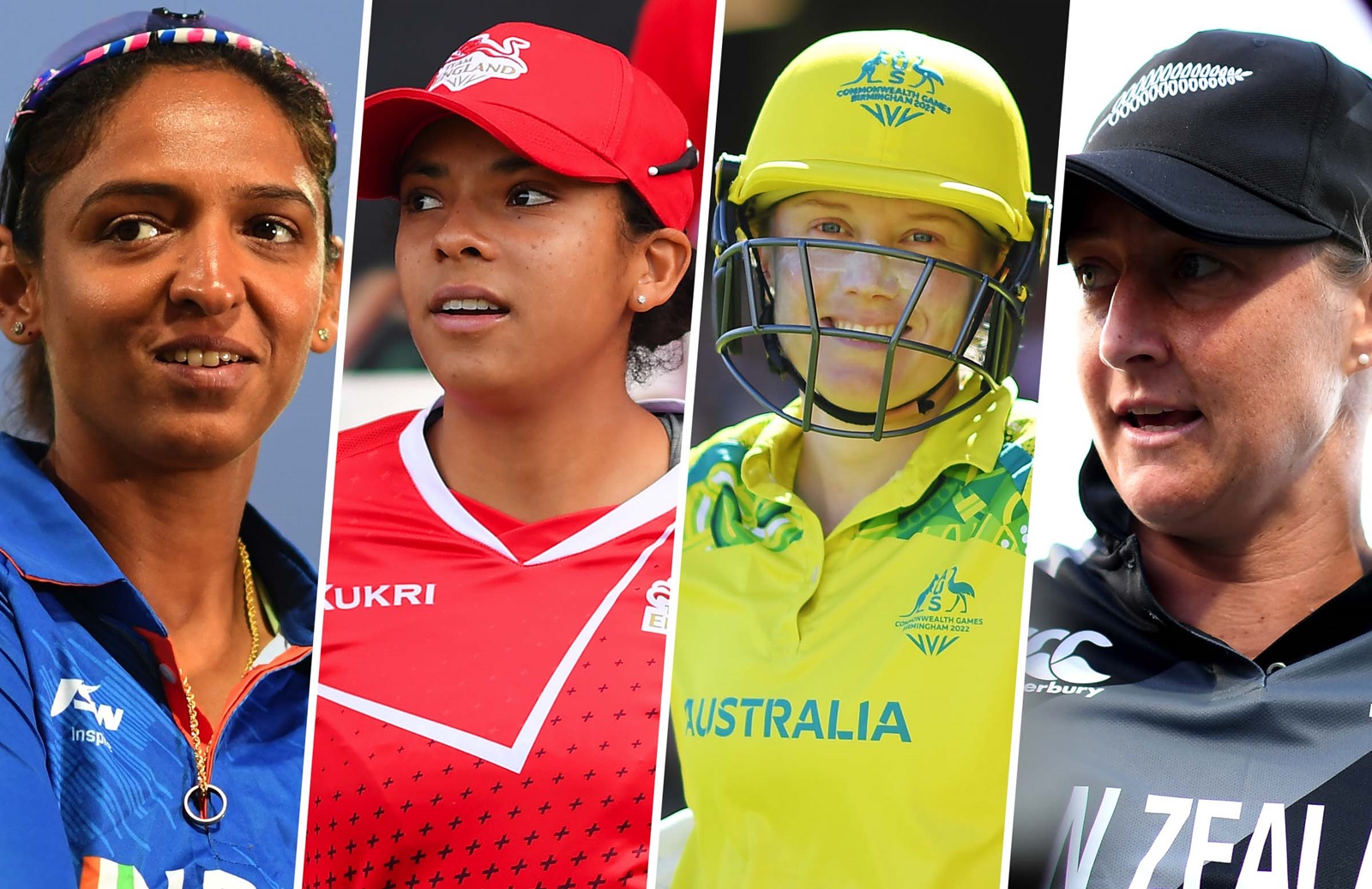
England have already confirmed captain Heather Knight has been ruled out of the Games with a hip injury suffered during the recent T20 series against South Africa, with Natalie Sciver to continue leading in her place. Like Australia, they have remained unchanged through the Games so far so can be expected to stick with the same line-up.
India have swapped their spinners and adjusted their middle-order but now that Pooja Vastrakar has re-joined the side followed her delayed arrival due to COVID, and given their 100-run win in their most recent outing against Barbados, they are unlikely to be making many changes for the semi-final.
England: Danielle Wyatt, Sophia Dunkley, Alice Capsey, Natalie Sciver (c), Amy Jones (wk), Maia Bouchier, Katherine Brunt, Sophie Ecclestone, Freya Kemp, Issy Wong, Sarah Glenn
India thought they had Australia on the ropes in the opening match of the Games, but they learned an important lesson about the depth in Meg Lanning’s side as they ultimately suffered a three-wicket defeat. They bounced back in style, smashing Pakistan by eight wickets and Barbados by 100 runs.
England were not wholly convincing in their first game, beating Sri Lanka by five wickets having been set 107 for victory, before 17-year-old Alice Capsey shone against South Africa, scoring her first international half-century to help set up a 26- run win. But they will take plenty of confidence from routing New Zealand, restricting the Kiwis to 9-71 before chasing the target with relative ease.
overall record
Played 22 | England 17 | Indian 5
Last time they met in T20Is
India 6-153 (Mandhana 70, Kaur 36; Ecclestone 3-35) lost to England 2-154 (Wyatt 89*, Sciver 42; Rana 1-27) by eight wickets in 18.4 overs at Chelmsford in July 2021
In-form players
For England, Sophie Ecclestone has continued to prove why she is the world’s top-ranked T20I bowler, capturing five wickets and maintaining an economy rate of 4.75 through the group stage. With the bat, 17-year-old Alice Capsey has made an impressive start to her international career, hitting fifty against South Africa.
For India, Renuka Singh Thakur – the architect of Australia’s top-order collapse – has taken nine wickets in three games and will be targeting Danni Wyatt and Sophia Dunkley. Shafali Verma has not hit a fifty but is India’s leading run scorer from the group stage, with those runs coming at a damaging strike rate of 157.
So how do they stack up?
England and India go head-to-head in a semi-final once more, and unlike the 2020 T20 World Cup, this time it does not look like rain will spoil the party! England are full of confidence and have the home advantage – they also have more experience at winning knockout matches. The washout of 2020 aside, England came out on top in their two previous knockout meetings, defeating India in the 2018 T20 World Cup semi-final, and the 2017 World Cup final. But India have more than enough firepower to upset the hosts and this is shaping up to be a cracking contest.
Decision-making would be vastly improved by the Voice as an authoritative representative body to inform Canberra about the on-the-ground reality in local communities. It would be, as the PM says, an “unflinching source of advice and accountability” holding politicians’ and bureaucrats’ feet to the fire to ensure better outcomes for communities and best value for all taxpayers. Canberra’s handful of hard-working Aboriginal MPs cannot represent such diversity, and it’s unfair to expect that from them.
Second, they call for “more detail.” Before the apology, I faced weeks of demands to publish the full wording along with confidential policy advice. There was nothing earth-shattering there. Many just wanted material they could misrepresent for political effect – standard procedure in Tory politics.
Critics now demanding the government detail how the Voice would function ignore the fact that, because of the government’s conservative approach, this is not for the Labor Party to dictate. It is for successive parliaments to design and refine how the Voice makes its recommendations through processes that reach across the partisan divide. And they will be informed by the extensive 269-page report produced under that infamous radical, Scott Morrison. A more prescriptive referendum is exactly the sort of radical change that conservatives should oppose.
Third, they raise fear that the change is unworkable or even dangerous. For example, the week before the apology, Peter Dutton was claiming it could cost taxpayers billions in compensation, despite this claim having been debunked by John Howard’s own attorney-general. This was classic Dutton and designed only to engender anxiety and fear.
Abbott’s dystopic vision of a three-chambered parliament, activist judges overruling parliament and lawyers lining their pockets is similarly fanciful. Albanese could not be clearer: the Voice is “not a third chamber, not a rolling veto, not a blank check”. Abbott, like Dutton, is misleading the public for political ends.
loading
Fourth, they claim it will be “divisive.” The critics told the apology would rip the country apart because non-Indigenous Australians, who take pride in their forebears’ achievements, would not acknowledge what those forebears might have gotten wrong. The apology actually united Australians, rather than dividing them. It was a cathartic opportunity for all of us, whatever our origins. When it was done, most people were left wondering what all the fuss was about.
The arc of history, as it has been described, does indeed bend slowly. But unhappily for Dutton and Abbott it will continue to bend because Australians are fundamentally decent.
Former Prime Minister Kevin Rudd is co-chair of the National Apology Foundation.
The Opinion newsletter is a weekly wrap of views that will challenge, champion and inform your own. Sign up here.
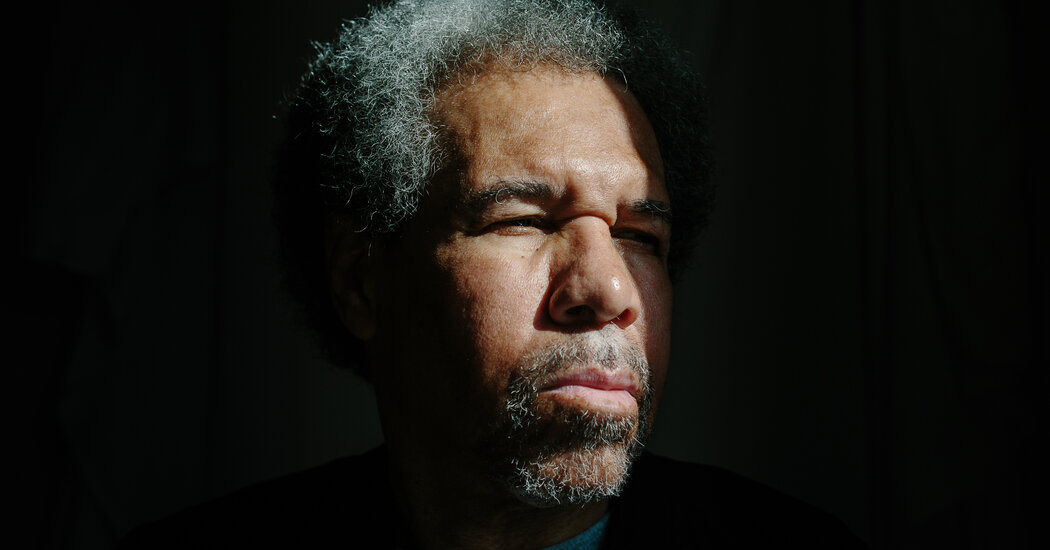
Albert Woodfox, who spent 42 years in solitary confinement — possibly more time than any other prisoner in all of American history — yet emerged to win acclaim with a memoir that declared his spirit unbroken, died on Thursday in New Orleans. He was 75.
His lead lawyer, George Kendall, said the cause was Covid-19. Mr. Kendall added that Mr. Woodfox also had a number of pre-existing organ conditions.
Mr. Woodfox was placed in solitary confinement in 1972 after being accused of murdering Brent Miller, a 23-year-old corrections officer. A tangled legal order ensued, including two convictions, both overturned, and three indictments stretching over four decades.
The case struck most commentators as problematic. No forensic evidence linked Mr. Woodfox to the crime, so the authorities’ argument depended on witnesses, who over time were discredited or proved unreliable.
“The facts of the case were on his side,” The New York Times editorial board wrote in a 2014 opinion piece about Mr. Woodfox.
But Louisiana’s attorney general, Buddy Caldwell, saw things differently. “This is the most dangerous person on the planet,” he told NPR in 2008.
Mr. Woodfox’s punishment defied imagination, not only for its monotony — he was alone 23 hours a day in a six-by-nine-foot cell — but also for its agonies and humiliations. He was gassed and beaten, he wrote in a memoir, “Solitary” (2019), in which he described how he had kept his sanity, and dignity of him, while locked up alone. He was strip-searched with needless, brutal frequency.
His plight first received national attention when he became known as one of the “Angola Three,” men held continuously in solitary confinement for decades at the Louisiana State Penitentiary, which is commonly called Angola, after a slave plantation that once occupied the site.
In 2005, a federal judge wrote that the length of time the men had spent in solitary confinement went “so far beyond the pale” that there seemed not to be “anything even remotely comparable in the annals of American jurisprudence.”
Mr. Woodfox would spend more than another decade in solitary before becoming, in 2016, the last of the three men to be released from prison.
His first stint at Angola came in 1965, after he was convicted of a series of minor crimes committed as a teenager. The prison was notoriously harsh, even to the point of conjuring the days of slavery. Black, like Mr. Woodfox, did field work by hand, overseen by white prison guards on horseback prisoners, shotguns across their laps. New inmates were often induced into a regime of sexual slavery that was encouraged by guards.
Released after eight months, he was soon charged with car theft, leading to another eight months at Angola. After that, he embarked on a darker criminal career, beating and robbing people.
In 1969, Mr. Woodfox was convicted again, this time for armed robbery, and sentenced to 50 years. By then a seasoned lawbreaker, he managed to sneak a gun into the courthouse where he was being sentenced and escaped. I have fled to New York City, landing in Harlem.
A few months later he was incarcerated again, this time in the Tombs, the Manhattan jail, where he spent about a year and a half.
It proved to be a turning point, he wrote in his memoir. At the Tombs, he met members of the Black Panther Party, who governed his tier of cells not by force but by sharing food. They held discussions, treating people respectfully and intelligently, he wrote. They argued that racism was an institutional phenomenon, infecting police departments, banks, universities and juries.
In solitary confinement, Mr. Woodfox was alone for 23 hours a day in a six-by-nine-foot cell.Credit…via Leslie George
“It was as if a light went on in a room inside me that I hadn’t known existed,” Mr. Woodfox wrote. “I had morals, principles and values I never had before.”
I added, “I would never be a criminal again.”
He was sent back to Angola in 1971 thinking himself a reformed man. But his most serious criminal conviction — for murdering the Angola corrections officer in 1972, which he denied — still lay ahead of him, and with it four decades in solitary, a term broken for only about a year and a half in the 1990s while he awaited retrial.
The other two members of the Angola Three, Robert King and Herman Wallace, were also Panthers and began their solitary confinement at Angola the same year as Mr. Woodfox. The three became friends by shouting to one another from their cells. They were “our own means of inspiration to one another,” Mr. Woodfox wrote. In his spare time, he added, “I turned my cell into a university, a hall of debate, a law school.”
He taught one inmate how to read, he said, by instructing him in how to sound out words in a dictionary. He told him to shout to him at any hour of the day or night if he could not understand something.
Albert Woodfox was born on Feb. 19, 1947, in New Orleans to Ruby Edwards, who was 17. He never had a relationship with his biological father, Leroy Woodfox, he wrote, but for much of his childhood he considered a man who later married his mother, a Navy chef named James B. Mable, his “daddy.”
When Albert was 11, Mr. Mable retired from the Navy and the family moved to La Grange, NC Mr. Mable, Mr. Woodfox recalled, began drinking and beating Ms. Edwards. She fled the family home with Albert and two of his brothers from him, taking them back to New Orleans.
As a boy, Albert shoplifted bread and canned goods when there was no food in the house. He dropped out of school in the 10th grade. His mother tended bar and occasionally worked as a prostitute, and Albert grew to loathe her.
“I allowed myself to believe that the strongest, most beautiful and most powerful woman in my life didn’t matter,” he wrote in his memoir.
His mother died in 1994, while he was in prison. He was not allowed to attend her funeral.
The first of the Angola Three to be let out of prison was Mr. King, whose conviction was overturned in 2001. The second, Mr. Wallace, was freed in 2013 because he had liver cancer. He died three days later.
In a deal with prosecutors, Mr. Woodfox was released in 2016 in exchange for pleading no contest to a manslaughter charge in the 1972 killing. By then he had been transferred out of Angola.
His incarceration over, the first thing he wanted to do was visit his mother’s grave.
“I told her that I was free now and I loved her,” he wrote. “It was more painful than anything I experienced in prison.”
Mr. Woodfox is survived by his brothers, James, Haywood, Michael and Donald Mable; a daughter, Brenda Poole, from a relationship he had in his teenage years; three grandchildren; four great-grandchildren; and his life partner of him, Leslie George.
Ms. George was a journalist who began reporting on Mr. Woodfox’s case in 1998 and met him in 1999. They became a couple when he was released from prison.
Ms. George co-wrote Mr. Woodfox’s book, which was a finalist for the National Book Award and the Pulitzer Prize in nonfiction. In a review in The Times, Dwight Garner called “Solitary” “uncommonly powerful”; in The Times Book Review, the writer Thomas Chatterton Williamsdescribed it as “above mere advocacy or even memoir,” belonging more “in the realm of stoic philosophy.”
After being released, Mr. Woodfox had to relearn how to walk down stairs, how to walk without leg irons, how to sit without being shackled. But in an interview with The Times right after his release from him, he spoke of having already freed himself years earlier.
“When I began to understand who I was, I considered myself free,” he said. “No matter how much concrete they use to hold me in a particular place, they couldn’t stop my mind.”
Australia began day eight of the Commonwealth Games with 50 gold medals, a metaphorical bat raised towards the pavilion with hopes of more to come. Instead, after such a dominant opening week, the Australian team stalled for the first time and were unable to add to their golden tally in Birmingham.
Host nation England promptly closed the gap on the medal board with a swag of golds to sit on 47, trailing by just three with as many days to go. But the one-day drought did not mean the day was a complete disappointment for Australia.
Decathlete Cedric Dubler will forever be remembered for the outstanding sportsmanship and selflessness he showed at the Tokyo Olympics last year, but for all the backslapping that followed, Dubler is a competitive beast and he wanted his own medal. Now he has a bronze.
Over the past two days, the Queenslander was center stage throughout the decathlon when engaging in an enthralling battle with Grenadian Lindon Victor and fellow Australian Daniel Golubovic. After eight events, Dubler had the lead. But the defending Commonwealth Games champion Victor rebounded strongly in the javelin, his favorite event from him, to seize control. By the end, Golubovic passed Dubler as well when claiming the 1500m in brilliant fashion to clinch the silver in what provided a great event to watch.
Australia also produced medal-winning performances at the gymnastics and the aquatic centre, while Jayden Lawrence claimed a bronze in wrestling in the 86kg class. Despite competing in his last two fights with a torn anterior cruciate ligament, the 27-year-old managed to win the nation’s first medal in the sport since the Delhi Games in 2010. Asked whether battling through the pain was worth it, he told the Seven Network; “Bloody oath.”
Diver Brittany O’Brien was struggling to leap from the platform in her favored event 10m a year ago when her coach suggested a change in focus. She switched to the springboard and will return to Australia with a silver medal after an outstanding effort in the 1m event.
Sam Fricker partnered Shixin Li to a bronze medal in the 3m springboard, while Dom Bedggood and Cassiel Rousseau matched the feat in the synchronized 10m platform. Alexandra Kiroi-Bogatyreva also claimed a bronze in the rhythmic gymnastics all around event.
Brittany O’Brien on her way to silver in the 1m springboard event. Photograph: Darren England/AAP
On the track, Ella Connolly qualified for the women’s 200m final with a time of 23.41 seconds, while Michelle Jenneke hurdled superbly in the 100m. Connolly ran a brilliant semi-final when placing second behind Namibian teenager Christine Mboma with an outstanding performance she described as “crazy”.
The final appeals as a match race between Mboma and Jamaican legend Elaine Thompson-Herah, who is seeking to complete a Commonwealth Games 100m and 200m sprint double after completing the feat in the Rio De Janeiro and Tokyo Olympics. But Connelly has vowed to give her very best of her as she fights for a medal. “I need to get out to a good start again and hold my form in the last 100m and just stay relaxed,” she said.
Jenneke ran a personal best of 12.63 seconds when qualifying for the 100m hurdle final, though it will not count on her official record given it was wind-assisted. Ella’s key to her return to form, and to succeeding this weekend, is staying happy and relaxed. “I’m not someone who likes to be super focused on what I do. Even in the call room I am chatting with officials. That’s what I do,” she said.
But there was disappointing news for cycling star Caleb Ewan who was forced to withdraw from Sunday’s road race after undergoing surgery to remove a plate from his collarbone. Ewan is devastated and so is Tokyo Olympics silver medalist Nicola Olyslagers, who has withdrawn from the women’s high jump final on Saturday with a calf tear.
The Hockeyroos closed out an entertaining Friday when defeating India in a penalty shootout, in doing so, they avenged a heartbreaking loss in the quarter-finals of the Tokyo Olympics. But it was not without drama, with India leveling late at 1-1 to force a penalty shootout. Australia were able to make their first three attempts at the shootout, while India failed to convert, to progress to Sunday’s final against England. It may provide a decisive battle to the overall medal tally.
The Energy minister, Chris Bowen, has outlined proposals for six offshore wind projects around the country, including a 200-turbine windfarm off the Gippsland coast, claiming the industry could support up to 8,000 jobs and help shore up the nation’s energy security.
“We have some of the best wind resources in the world – just one rotation of one offshore wind turbine provides as much energy as an average rooftop solar installation generates in one day,” Bowen said.
A day after the government’s 43% emissions reduction bill passed the House of Representatives, Bowen laid out plans to harness what he called “world-class offshore wind energy potential”.
It included a project off the Gippsland coast in Victoria, with possible locations off Inverloch and Woodside beach. A 60-day public consultation period opened on Friday.
Five other proposals include developments off the Hunter and Illawarra coasts in New South Wales, near Portland in Western Victoria, in Bass Strait north of Tasmania, and in the Indian Ocean off Perth and Bunbury. Consultation periods for those proposals are yet to be announced.
Bowen said the sites were chosen because of “good to excellent” wind resources, existing energy generation facilities, connections to transmission networks, and locations near ports or industrial hubs.
The windfarms would be built in Commonwealth waters, starting 5.5km from shore, and feature up to 200 turbines.
Australia currently had no offshore wind generation, which has previously been considered too expensive and difficult to build compared to onshore wind or solar. In September, the Morrison government introduced legislation to establish a framework for the construction and operation of offshore power generation, including wind.
The director of climate change and energy at Ai Group, Tennant Reid, said offshore wind had “enormous” energy potential, utilizing the more consistently strong winds off the coast.
The Labor government plans to generate 82% of Australia’s energy from renewable sources by 2030. Bowen said Australia was “way behind the rest of the world” in generating wind power.
Map of proposed offshore wind sites
The Nationals MP for Gippsland, Darren Chester, said his electorate had “abundant” wind resources, and he expected the proposal to build a 200-turbine wind farm off the Gippsland coast would be warmly received by most constituents.
The turbines would be placed between 7km and 25km offshore and could meet up to 20% of Victoria’s electricity needs.
“Respectful community consultation and engagement is now critical to ensure the region understands the potential impacts and benefits of offshore wind projects,” Chester said.
“It’s important that issues surrounding transmission lines through private property to link large-scale renewable projects to the national grid are handled sensitively and transparently.”
Bowen said he expected there would be “very genuine concerns” raised by some locals and the fishing industry about the Gippsland project, dubbed the Star of the South, and that his department would listen.
“Around the world people have found a way for recreational and commercial fishing to work together with offshore wind,” he said.
The Liberal MP for the northern Tasmania seat of Braddon, Gavin Pearce, said he welcomed a proposal to develop offshore wind power in the waters north of his electorate but wanted to see “affordable, reliable, practical” energy generation.
“All I hear from the government is about investment in intermittent renewable energy resources,” he said.
The chief executive of the Clean Energy Council, Kane Thornton, said offshore wind was “an enormous opportunity for Australia”.
Sign up to receive the top stories from Guardian Australia every morning
Reed said there were still questions remaining around the dispatchability of offshore wind power, and the periods it would be available, but that it had the potential to add “tens of gigawatts” to Australia’s grid.
“Offshore wind increasingly looks like it will play a quite important role in the whole system,” he said.
“The challenge is to match what’s happened in Europe. It’s not just a matter of higher ambition but [also depends] if we’ve got the skills, supply chains, regulatory approvals and supporting policies on demand in place.”
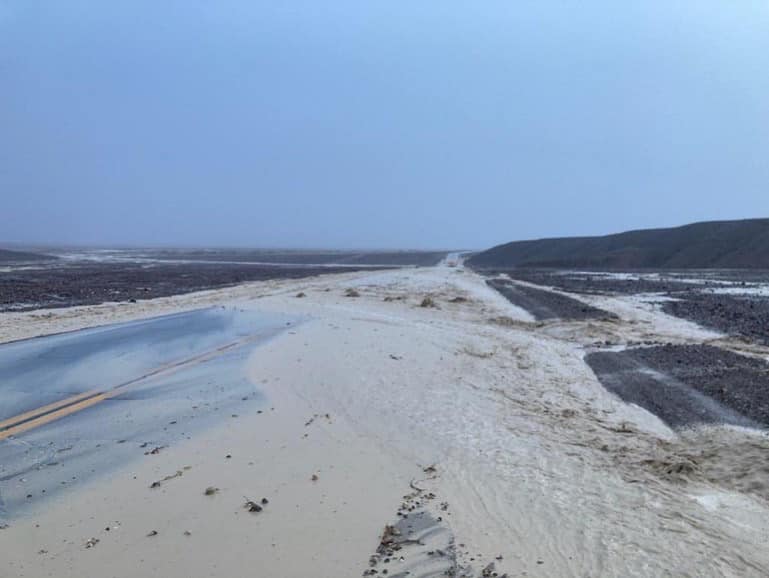
Flash floods sweeping through Death Valley National Park have closed the park, including all roads in and out of the park, as well as the Furnace Creek Visitor Center.
Approximately 1,000 people are stranded in the park, according to park officials. No injuries have been reported.
The park received 1.7 inches of rain on Friday morning, an entire year’s worth of rain for the area in a few hours. Annual rainfall for the park is 2 inches.
DEATH VALLEY FLOODING: Highway 190 is closed in Death Valley due to flooding Friday morning. FOX5 viewer Landt Robert shared video of flooding in the area that he captured at about 7 am Friday. pic.twitter.com/2XGaaL1blE
“Highway 190 is closed, and additional roads in the park may be impacted or impassable due to flash floods,” a post on the Death Valley National Park Facebook account warned. “Use extreme caution.”
Caltrans has estimated that it will take about four to six hours for roads to reopen.
“Caltrans and National Park Service crews are working to plow ‘admin use’ lanes out of the park,” Abigail Wines, a spokesperson for Death Valley National Park, told SFGATE. “Some vehicles have been able to get out via CA-190 to Death Valley Junction, depending on what type of vehicle they have.”
Here is a look at some of the flood waters currently pouring over State Route 190 through @DeathValleyNPS . The highway, which stretches from Olancha to Death Valley Junction, remains closed at this time due to flooding. pic.twitter.com/z8M4N6ARKH
/cloudfront-ap-southeast-2.images.arcpublishing.com/nzme/WSMRVQINFPFWCOHPRKMN4VC66Q.jpg)