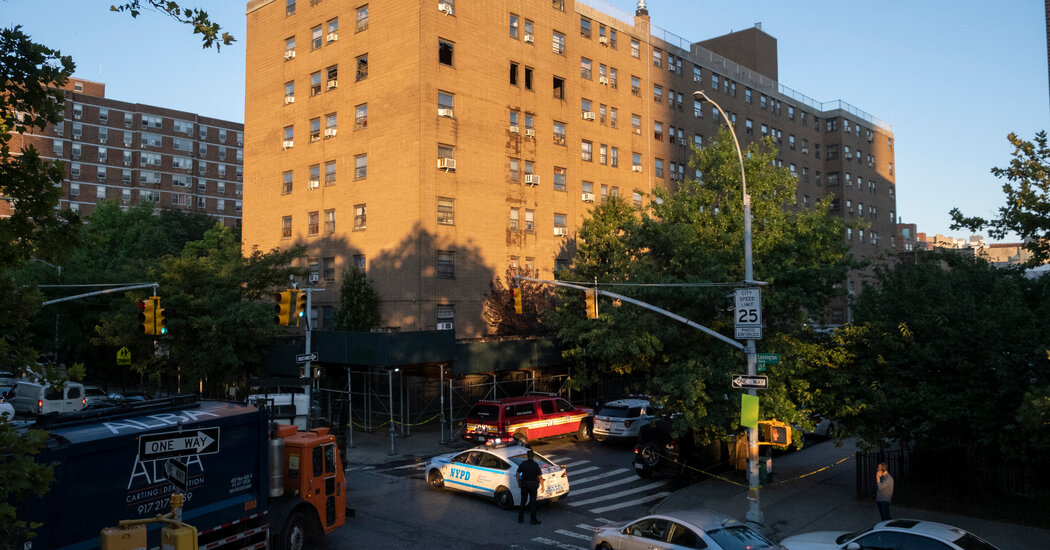
A fire in a Harlem apartment early Wednesday sparked by the lithium-ion battery on an electric scooter killed a 5-year-old girl and a 36-year-old woman, and left the child’s father in critical condition, the police and fire officials said.
Firefighters responded just after 2:30 am to a blaze that broke out in a sixth-floor apartment in the Jackie Robinson Houses, owned and managed by the New York City Housing Authority. The scooter was inside the front door of the apartment, blocking the exit, according to the Fire Department. The fire was contained to one apartment and brought under control about an hour later. A firefighter and at least one other person sustained minor injuries.
Outside the multistory NYCHA building on Wednesday, a charred scooter sat unattended. Former co-workers and neighbors of the father, whom they identified as Erick Williams, 46, said it belonged to him. They described him as fun-loving and said he had previously worked for the Parks Department. His name of him, and that of his daughter of him and the woman, who neighbors said was his girlfriend of him, were not immediately released by the police.
Electronic bikes and scooters have been implicated in numerous fires in recent months, leading the housing authority to propose banning them from its buildings entirely. Experts say the problems are often linked to aging, damaged or malfunctioning batteries and charging devices. The Fire Department has repeatedly warned of the dangers of lithium-ion batteries.
Another fire on Monday on Townsend Avenue in the Bronx was also sparked by lithium-ion batteries from electronic bikes or scooters, fire marshals said. Wednesday’s fire brought the number of fatalities linked to lithium-ion batteries this year to five, according to Fire Department statistics.
Marshals have conducted 121 battery-related investigations so far this year — already exceeding the 104 carried out last year — and have recorded 66 related injuries. For all of 2021, there were 79 injuries and four deaths related to lithium-ion batteries. (While those batteries are also found in cellphones, laptops and electric cars, there have not been widespread reports of those items catching fire.)
According to NYCHA, since 2019, there have been about 10 fires in public housing that have received an official or probable cause related to lithium-ion batteries. In a statement on Wednesday, a spokeswoman for the agency said that the public-comment period for the proposed new policy to ban e-bikes and e-bike batteries in its buildings had been extended until Sept. 6, and that the agency would issue a final policy after that date.
The Fire Department distributed pamphlets and fliers about fire safety and advice for using electronic bikes and scooters near the site of the fire on Wednesday. Among the tips: Before buying an e-bike, make sure it has the UL Mark, which means it has been tested and meets safety standards. Follow the manufacturer’s instructions for charging and storage, and only use that company’s power cords.
The popularity of e-bikes has grown dramatically in recent years, but many who use them — for both work and pleasure — may struggle with those guidelines. Doing so can be much more costly than buying off-brand or refurbished equipment. And e-bikes are often used by delivery workers who are making very low wages and who have to scrounge to afford the bikes in the first place.
E-bikes were only legalized in New York City in 2020, when many residents were relying on delivery services, though they were a common sight before then. In addition to concerns about fire safety, there has also been growing friction over traffic safety on the city’s crowded streets.
Inside the Harlem building on Wednesday, the walls in the hallway near the apartment were blackened, and the smell of smoke lingered. A woman who lives on the fifth floor said she had escaped with her children from her, including a 3-month-old.
“It’s scary,” she said. “It’s a tragedy that it happened, a little girl’s life was lost.”
Outside, a pair of former co-workers — Stephanie Cardona, 46, and Courtney Story, 52 — discussed setting up a memorial. They had worked with Mr. Williams at the Parks Department, where they said he was a crew chief. The scooter, they said, was “his transportation of him.”
Ms. Cardona recalled that Mr. Williams was always in the local park with his daughter and three Huskies, which they said also perished in the fire.
Ms. Story held back tears as she contemplated the struggle that Mr. Williams had ahead of him.
“I hope to God he pulls through,” she said. “It’s going to be a process to pull through, and then your baby is gone.”
“The world is not playing fair at all,” she added.
The West Virginia Coal Association and several other state-based coal industry groups on Wednesday blasted the tax and climate deal that Sen. Joe Manchin (DW.Va.) agreed to last week, warning it will “severely threaten American coal” and an estimated 381,000 jobs.
“This legislation is so egregious, it leaves those of us that call Sen. Manchin a friend, shocked and disheartened,” the groups wrote in a blistering statement that accused the West Virginia senator of zigzagging in the energy debate.
“Sen. Manchin has seemingly fought against numerous climate measures advanced over the past year by the national democratic establishment,” the groups said. “The current Schumer-Manchin draft agreement on climate and energy frankly leaves us questioning the motivation and sincerity of Manchin’s previous stance and his repeated chant from him: we must ‘innovate not eliminate.’”
The groups warn the deal Manchin crafted with Senate Majority Leader Charles Schumer (DN.Y.) after months of negotiation “will quickly diminish our coal producing operations and all but obviate any need to innovate coal assets.”
The groups argue the bill — which Democrats have dubbed the Inflation Reduction Act and plan to pass this weekend — will do “nothing for coal or coal generation” and won’t reduce inflation or lower household energy costs.
“By turbocharging the lofty incentives that already extend to renewable energy, our nation’s baseload (reliable) coal electric generation assets will continue to be devalued and thrust into rapid decline,” the groups warned.
The statement was signed by Chris Hamilton, the president of the West Virginia Coal Association, as well as the leaders of the Kentucky, Illinois, Indiana, Ohio, Pennsylvania, Texas and Wyoming mining associations.
Manchin on Tuesday said he didn’t agree with predictions the bill will lead to coal plants closing in his state.
“I don’t think that’s the case at all,” he told reporters. “We have to have a vibrant fossil industry. We have a lot of coal plants that have been pretty old.”
“Coal is going to be needed for the base load that we’re going to have to have,” he said, arguing that coal will continue to generate enough electricity to meet minimum domestic demand.
Manchin also cited permitting reform, an initiative he is pushing in conjunction with the energy and climate provisions in the budget bill, as something that will also help fossil fuel producers.
ROLLING MEADOWS, Ill. (WL S) — A Rolling Meadows father hospitalized after a wrong-way I-90 crash that killed seven people, including his wife and four children in Hampshire, has died.
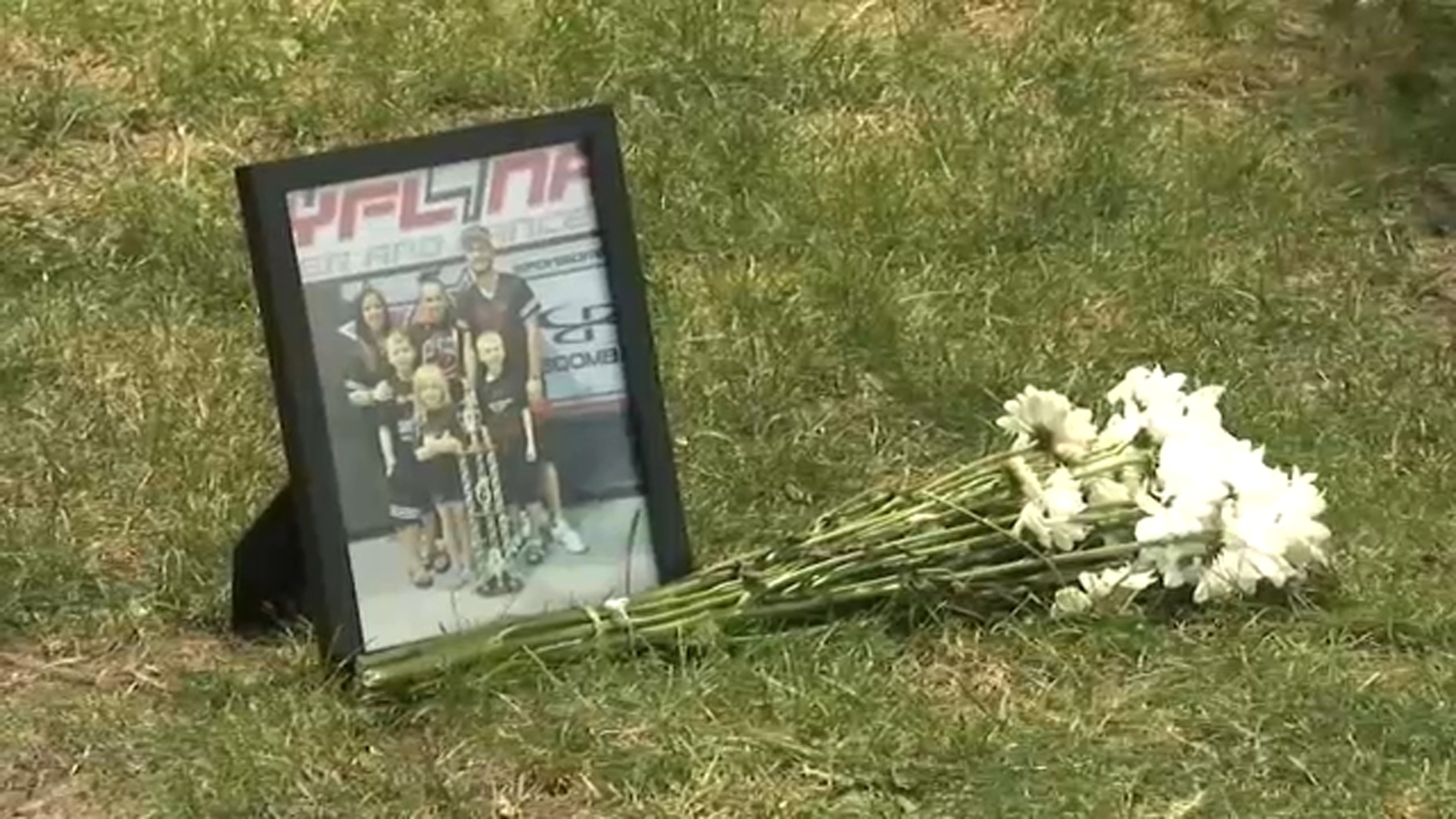
Thomas Dobosz, 32, was hospitalized at Loyola University Medical Center after the crash in McHenry County Sunday. A coach with the Oriole Park Falcons told ABC7 Wednesday that Dobosz died.
Investigators said just after 2 am Sunday, Dobosz was driving westbound on I-90 near Hampshire in a blue Chevy van when the driver of a gray Acura, identified as 22-year-old Jennifer Fernandez of Carpentersville, was driving in the opposite direction and collided with Dobosz’s vehicle head on. Both cars were totally engulfed in flames.
Troopers said they found Fernandez dead on scene, as well as all of Dobosz’s passengers, identified as 31-year-old Lauren Dobosz and five children: two 13-year-old girls, 7- and 6-year-old boys, and a 5-year-old girl.
RELATED: Woman crashes into van on I-90, killing 7, including 5 kids from Rolling Meadows: ISP
Neighbors in Rolling Meadows said four of them were the couple’s kids, Emma, Lucas, Nicky and Ella. The other 13-year-old girl was a friend, relatives said.
The Oriole Park Falcons are a tightly knit community.
The Falcons return to the practice field for the first time Wednesday after that unthinkable crash over the weekend took the entire Dobosz family.
The coach of the team said his faith is what is sustaining him during this hard time.
“The belief in God. That there is a reason for this. That we all are in this together,” said Oriole Park football coach Sam Filpi.
Filpi said the Dobosz family was very involved with the Oriole Park Falcons football and cheer squads, whether it was volunteering, coaching, playing or fundraising.
“I just basically dropped my phone and I just couldn’t believe it,” Filpi said. “We didn’t know what to do. We didn’t know. You don’t know what to do in that situation.”
RELATED: Community devastated after 7 killed in Hampshire crash
Filpi coached two of their four kids and Lauren was the team mom.
“They were always there. And her as a team mom, they were always there. That’s commitment and love of a program, a love of the people in the program. That’s how we felt about them,” he said.
Even after moving 15 miles northwest to Rolling Meadows, Filpi said the Dobosz’ never missed a practice with their unwavering commitment.
“Lauren and Tom were like, ‘Hey, what do you guys need, we got it?’ Or the shed needs to be fixed up, Tom would go fix the door on the shed,” Filpi recalled.
As the Falcons prepare to take the field again, a small reminder of the Dubosz family legacy remains under the scoreboard.
“We are in this as a family, I mean Oriole Park football and cheerleading is a family,” Filpi added.
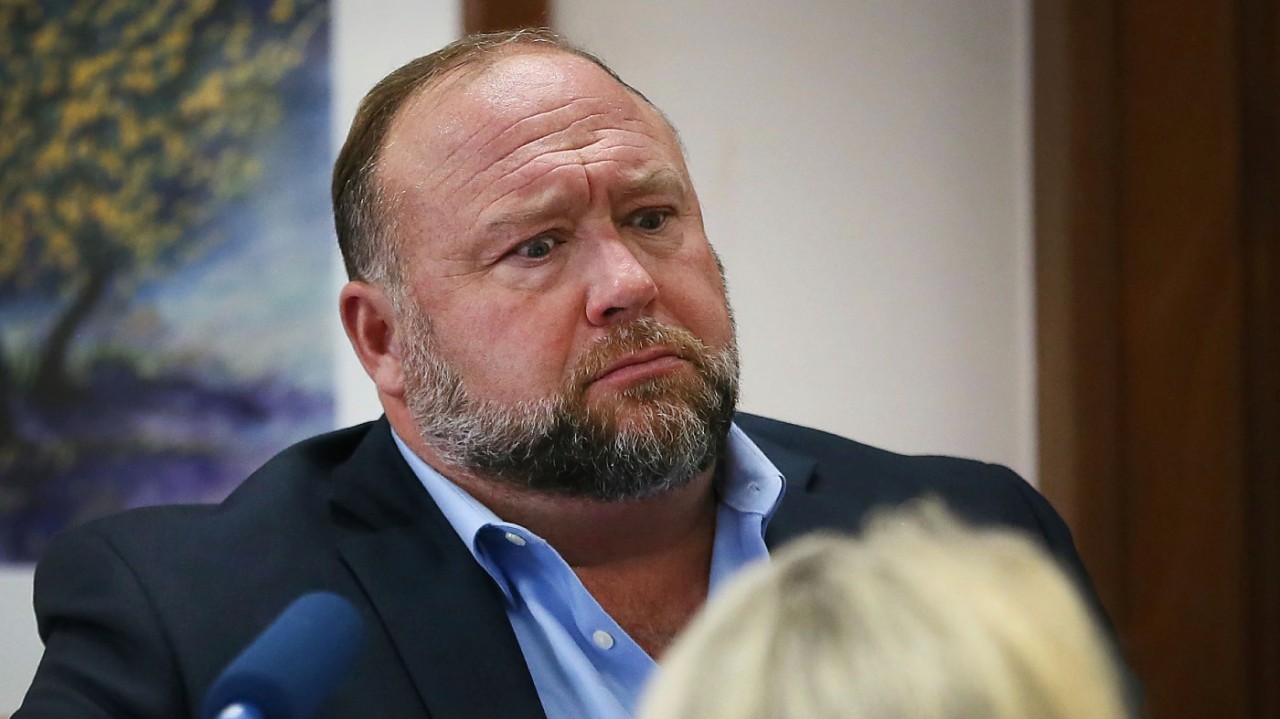
The legal team for far-right conspiracy theorist Alex Jones accidentally sent two years of his phone records to the attorneys for parents of a Sandy Hook school shooting victim, cross-examination revealed Wednesday during his defamation trial.
“Your attorneys messed up and sent me an entire digital copy of your entire cellphone with every text message you’ve sent for the past two years,” attorney Mark Bankston Told Jones during a hearing to decide damages in the civil case.
“And that is how I know you lied to me when you said you didn’t have to text messages about Sandy Hook,” he added.
Jones has long touted a theory that the 2012 shooting that killed 20 children and six teachers at Sandy Hook Elementary School in Newtown, Conn., was a hoax.
He was found guilty by default in four defamation cases last year after failing to comply with court orders.
Bankston argued Wednesday that Jones lied under oath about having searched his own phone for the texts and withheld the evidence in lawsuits brought by Sandy Hook families.
Jones replied that he’d given his phone over to his team.
“This is your Perry Mason moment,” he told Bankston, making reference to the fictional TV lawyer who often presented dramatic evidence at trial that changed the proceedings.
Bankston is part of the legal team representing Neil Heslin and Scarlett Lewis, parents of 6-year-old Sandy Hook shooting victim Jesse Lewis.
The Washington Post reported that Bankston caught Jones in a similar contradiction about related emails, showing the court copies of emails sent by Jones despite his insistence that he does not use email.
Bankston also revealed evidence indicating that Jones had not been truthful about his financial situation, perhaps in an effort to skirt the $150 million in defamation damages that the Sandy Hook parents are seeking, The New York Times reported.
Jones’s company, Free Speech Systems, filed for bankruptcy at the start of the trial — and his far-right website Infowars did the same back in April.
Jones testified Wednesday that he now acknowledges that the Sandy Hook massacre was real.
He said that meeting the victims’ parents, whom he previously called “crisis actors,” changed his mind. “It’s 100 percent real,” Jones said, according to The Associated Press.
Despite this concession, Jones continues to defend his actions and argues that the trial violates his free speech rights.
He arrived at the courthouse last week with “Save the 1st” written on a strip of duct tape over his mouth.
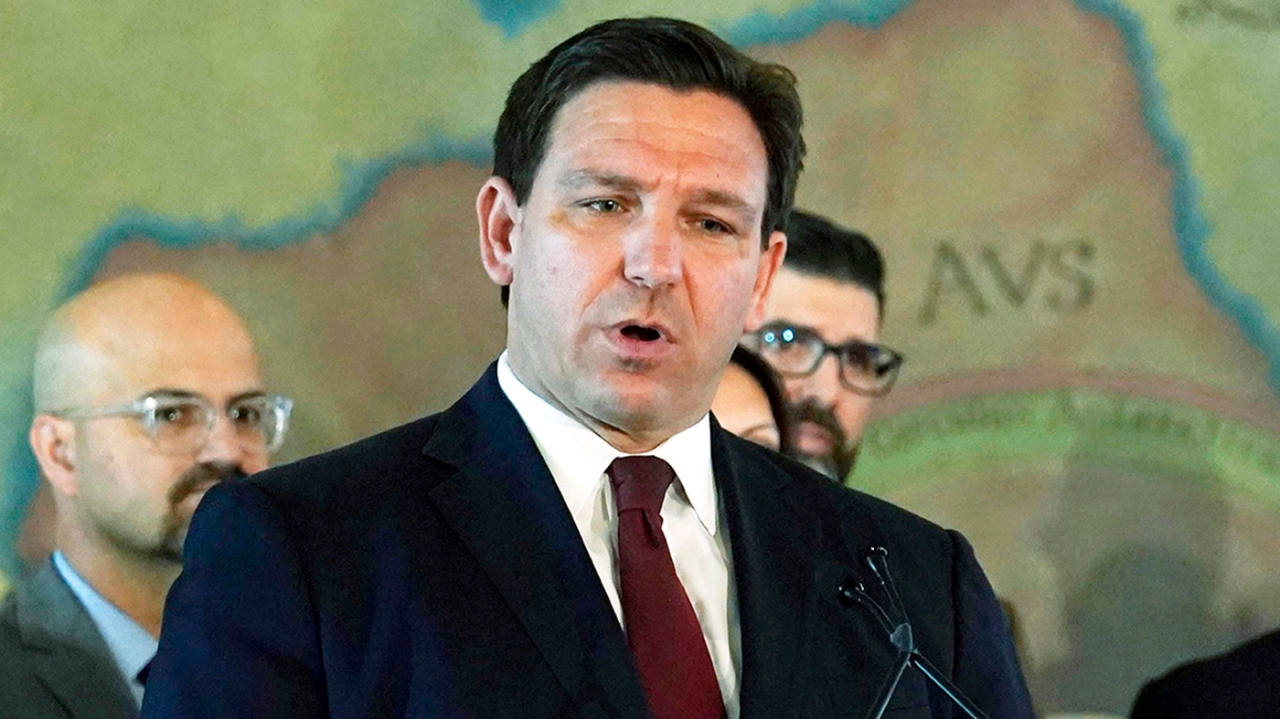
Florida Gov. Ron DeSantis (R) rejected growing concerns over monkeypox during a press conference Wednesday, arguing that the media and politicians were unnecessarily stoking fear about the illness.
“I am so sick of politicians, and we saw this with COVID, trying to sow fear into the population,” the Republican governor said. “We had people calling, mothers worried about whether their kids could catch it at schools.”
“We are not doing fear,” he added. “And we are not going to go out and try to rile people up and try to act like people can’t live their lives as they’ve been normally doing because of something.”
DeSantis, who has been a vocal critic of the Biden administration’s response to COVID-19, also slammed states imposing emergency measures in regard to monkeypox.
“You see some of these states declaring states of emergency. They’re going to abuse those emergency powers to restrict your freedom. I guarantee you that’s what will happen,” DeSantis said.
New York Gov. Kathy Hochul (D) declared a disaster in her state of her last weekend over the outbreak. California Gov. Gavin Newsom and Illinois Gov. JB Pritzker, both Democrats, also declared states of emergency over the virus on Monday.
Rep. Charlie Crist (D-Fla.), who is running against DeSantis in the Florida gubernatorial race, criticized the governor’s comments on Twitter.
“While Governor DeSantis dismisses Monkeypox, at-risk Floridians still need better information, better testing, and access to vaccines for prevention,” Crist wrote.
The governor’s comments come as Florida has recorded 525 monkeypox cases, according to the Centers for Disease Control and Prevention. There are 6,617 confirmed cases throughout the US as of Wednesday.
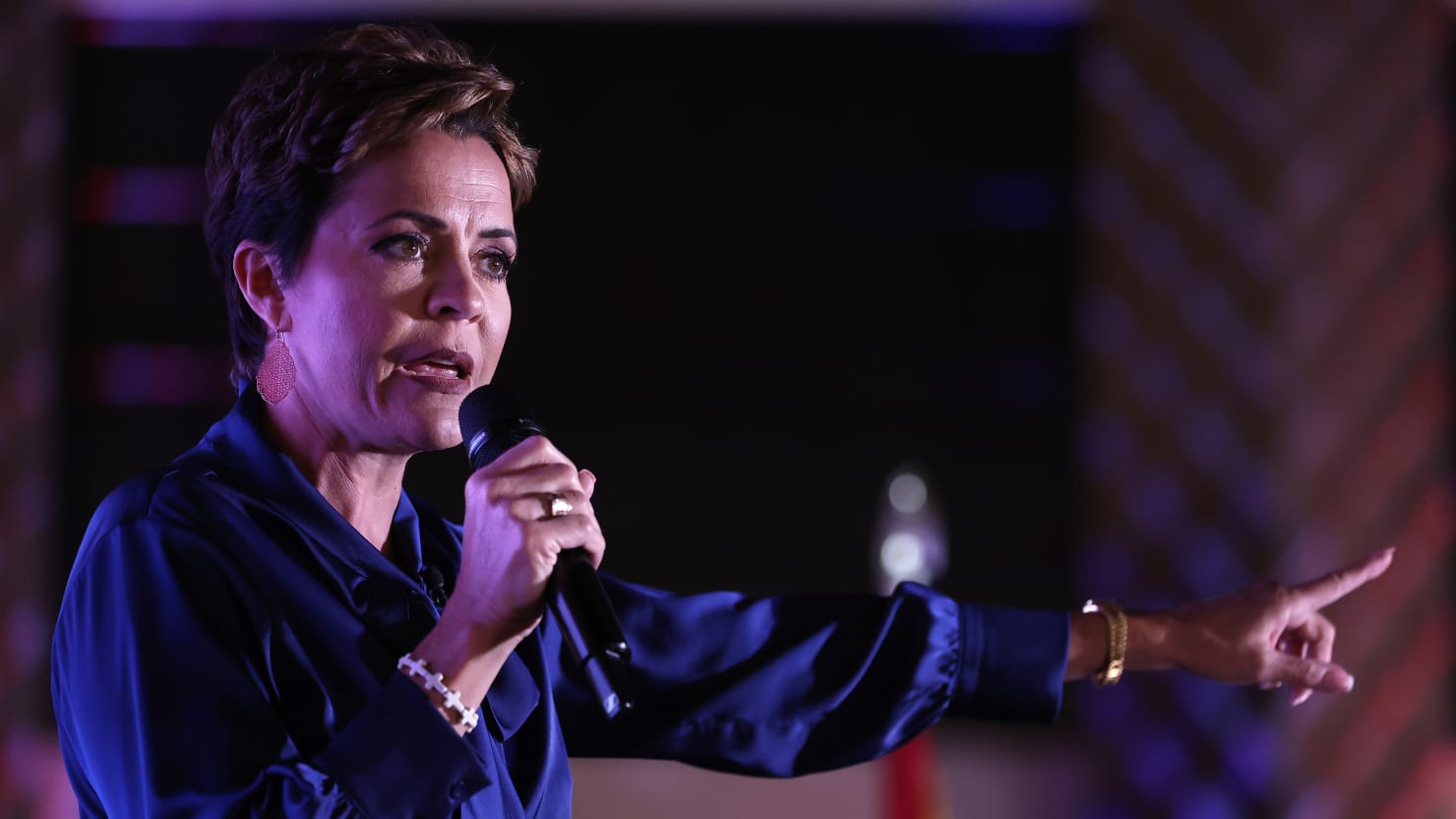
When the initial votes in Arizona started rolling in Tuesday night and Kari Lake was trailing, she and her fellow MAGA allies resorted to a familiar election-night tactic: They cried foul.
But overnight, Lake made up the ground she’d lost to Karrin Taylor Robson, her main rival for Arizona’s GOP nomination for governor. Now, on the cusp of winning the hotly contested primary, Lake and her allies de ella found themselves squirming to explain how the election she was on track to win was still, somehow, as corrupt and fraudulent as they’d already claimed it was.
“There is no path to victory for my opponent, and we won this race, period,” Lake proudly declared to a group of supporters, but that didn’t stop her from cautioning them that fraud was occurring.
“But there’s a ton of problems with the system,” the candidate warned, before immediately predicting victory again.
“We are going to win this when the votes are counted,” the candidate said. “We are not going to take our election systems being this messed up.”
Before Lake even spoke, MAGAworld pundits were already at work spreading rumours, without evidence, that election wrongdoing was underway.
The far-right blog, The Gateway Pundit wrote that something “suspicious” had occurred in the race, adding that it was “another [Brad] Raffensperger special.”
As Lake trailed Robson late into the evening, others resurrected a set of conspiracy theories from November 2020.
One involved an allegation that poll workers deliberately distributed Sharpies to voters that would render their ballots invalid. A second, alleged election officials printed ballots on thinner-than-usual paper leading to would-be MAGA faithful ballots being tossed out due to ink bleed-through. Both were debunked shortly after it was raised after the election in 2020 when Arizona’s Pima County tweeted: “No ballots will be discarded because of the method used to color in the ovals,” referring to “Sharpiegate.”
But that didn’t stop pro-Trump firebrand Charlie Kirk and Turning Point USA contributor Drew Hernandez from launching “Sharpiegate 2.0.”
“I had primal rage today when my family called me and said that they had to re-run their ballot through multiple times,” pro-Trump firebrand Charlie Kirk said, “because the Sharpie bled through the ballot.”
Similarly, far-right Real America Voice correspondent Ben Berquam, citing an alleged voter he spoke to, claimed that this time around, the ballots were printed on “thicker paper.”
“Sharpiegate 2.0, here we are!” echoed Turning Point USA contributor Drew Hernandez.
MyPillow CEO Mike Lindell, an early and outspoken supporter of Lake, attempted to square the ideas of voter fraud and the belief of a decisive Lake victory.
“She won, what are you talking about? Of course, there was election fraud,” he told The Daily Beast in an interview on Wednesday. “Ella She won in spite of the algorithm,” he added, attempting to reason obvious dissonance between the two ideas. “So much corruption in Arizona!”
The Lake campaign didn’t return The Daily Beast’s request for comment and the race still had not been called by Wednesday night.
In fitting fashion for one of the far right’s most high-profile culture warriors and 2020 election conspiracists, Lake is now one crucial step closer to the top office of a key battleground state.
In a contest that became an expensive and nasty proxy war between factions of the GOP, Lake’s victory amounts to a triumph for the MAGA wing—and a blow to Republicans who were growing optimistic that the party might move past Trump’s cult of personality and his 2020 choice obsession.
A well-known local news anchor turned political firebrand, Lake was endorsed by Trump and a number of Trumpworld luminaries and hangers-on. In turn, she endorsed baseless claims and narratives about the 2020 election, and amplified Arizona Republicans’ shambolic attempts to prove that Trump actually won the state.
Robson, meanwhile, had the backing of much of the state’s GOP establishment—including incumbent Gov. Doug Ducey, to Trump foe—along with former Vice President Mike Pence. Although she ran on hardline conservative positions on hot-button issues, Robson notably stayed away from Trump’s rhetoric on 2020 and said Republicans needed to move on.
Robson’s camp went all-in on a strategy to paint Lake as a phony, highlighting her previously liberal views and past support for Barack Obama. At one point, Robson’s allies ran an ad, narrated by a drag queen, attacking Lake for hanging out with drag queens before turning on them as part of the MAGA culture wars.
Although Lake led in initial polls of the race, Robson spent a staggering $15 million of her own money on her campaign, which funded an ad blitz that helped catapult her to within striking distance of Lake.
While some Arizona Republican voters were baffled that Trump endorsed Lake, given her history, some found her story—a member of the media turned anti-media crusader—compelling, not contradictory.
Beyond that, plenty of GOP voters in Arizona clearly still have an appetite for red meat about the 2020 election.
The stage is now set in Arizona for one of the most competitive and consequential governor races in recent memory. On Tuesday, Democrats nominated Katie Hobbs—the incumbent secretary of state who Lake called to throw in jail over baseless fraud allegations.
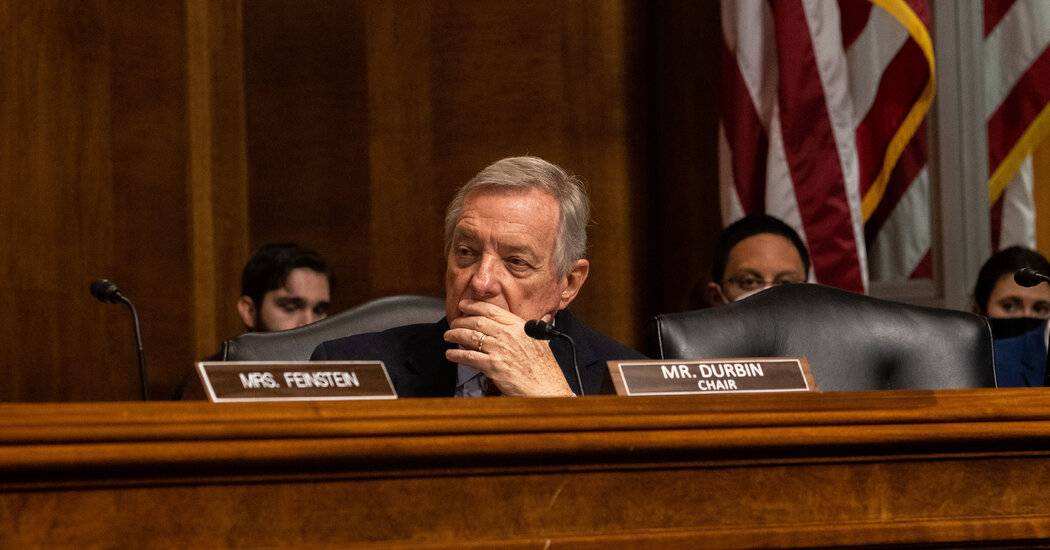
WASHINGTON — The No. 2 Senate Democrat on Wednesday called for an inspector general investigation into missing text messages from top Defense Department officials in the Trump administration related to the Jan. 6 attack on the Capitol.
Senator Richard J. Durbin of Illinois, the chairman of the Judiciary Committee, said he was sending a letter to Sean O’Donnell, the Defense Department’s inspector general, seeking an investigation into the disappearance of text messages from the phones of at least five former Trump administration officials, including Christopher C. Miller, the acting defense secretary; Kash Patel, the Pentagon’s chief of staff; and Ryan D. McCarthy, the Army secretary.
The officials were involved in discussions about sending the National Guard to the Capitol during the mob violence.
“The disappearance of this critical information could jeopardize efforts to learn the full truth about Jan. 6,” Mr. Durbin said in a statement. “I don’t know whether the failure to preserve these critical government texts from Jan. 6 is the result of bad faith, stunning incompetence or outdated records management policies, but we must get to the bottom of it.”
A spokeswoman for the inspector general said he was awaiting Mr. Durbin’s letter and would “review the letter once we receive it.”
Key Revelations From the Jan. 6 Hearings
Cards 1 of 9
Making a case against Trump. The House committee investigating the Jan. 6 attack is laying out a comprehensive narrative of President Donald J. Trump’s efforts to overturn the 2020 election. Here are the main themes that have emerged so far from eight public hearings:
Mr. Durbin’s call for an investigation into the missing texts from the Pentagon came on the same day the Justice Department filed a civil suit against a former White House adviser to Mr. Trump, Peter Navarro, saying that Mr. Navarro had failed to preserve messages from a private email address he used in conducting government business.
In the suit, the Justice Department said that it had reached out to Mr. Navarro about providing the emails, but that he had declined to provide the records “absent a grant of immunity for the act of returning such documents.”
Mr. Navarro was indicted in June on two charges of contempt of Congress after failing to comply with subpoenas from the House Jan. 6 committee seeking his testimony and documents.
Mr. Navarro’s lawyers, John Irving and John Rowley, said that he had “never refused to provide records to the government.”
“As detailed in our recent letter to the Archives, Mr. Navarro instructed his lawyers to preserve all such records, and he expects the government to follow standard processes in good faith to allow him to produce records,” the lawyers said in a statement. “Instead, the government chose to file its lawsuit today.”
In the case of the missing Pentagon texts, Mr. Durbin wrote to the inspector general a day after the watchdog group American Oversight sent a letter to Attorney General Merrick B. Garland calling for an investigation. CNN reported earlier on the agency’s missing texts.
American Oversight discovered the issue in March through litigation over the Defense Department’s response to public records requests it filed related to the Jan. 6, 2021, attack on the Capitol. In a court filing, lawyers for the Defense Department and the Army told the group that the government could not produce certain communications because when an administration official leaves a post, “he or she turns in the government-issued phone, and the phone is wiped .”
“For those custodians no longer with the agency, the text messages were not preserved,” the lawyers wrote, although they added that they would try to retrieve the texts through other means.
American Oversight had been seeking senior officials’ communications with Mr. Trump and Vice President Mike Pence on Jan. 6.
The group has specifically asked for the communications of Mr. Miller; Mr Patel; Mr McCarthy; Paul Ney, the general counsel for the Defense Department; Gen. James McConville, the Army chief of staff; James E. McPherson, the general counsel of the Army; and Lt. Gen. Walter E. Piatt, the director of the Army staff.
Mr. Miller, Mr. Patel, Mr. Ney, Mr. McCarthy and Mr. McPherson all left the Defense Department or the Army by the end of the Trump administration.
Mr. Durbin’s letter came after he called on Mr. Garland last week to take over an investigation into missing Department of Homeland Security text messages from Jan. 5 and Jan. 6, 2021, including those on the phones of Secret Service agents. Also missing were the texts of Mr. Trump’s homeland security secretary, Chad Wolf, and Kenneth T. Cuccinelli II, his deputy.
Two influential House Democrats have also called for two officials at the Department of Homeland Security’s independent watchdog to testify to Congress about the agency’s handling of missing Secret Service texts from Jan. 6, accusing their office of engaging in a cover-up.
“The court practically dared women in this country to go to the ballot box to restore the right to choose,” President Biden said by video Wednesday, as he signed an executive order aimed at helping Americans cross state lines for abortions. “They don’t have a clue about the power of American women.”
In interviews, Senator Elizabeth Warren, Democrat of Massachusetts, urged Democrats to be “full-throated” in their support of abortion access, and Representative Sean Patrick Maloney, the chairman of the House Democratic campaign arm, said the Kansas vote offered a “preview of coming attractions” for Republicans. Representative Elissa Slotkin, a Michigan Democrat in a highly competitive district, issued a statement saying that abortion access “hits at the core of preserving personal freedom, and of ensuring that women, and not the government, can decide their own fate.”
Republicans said the midterm campaigns would be defined by Mr. Biden’s disastrous approval ratings and economic concerns.
Both Republicans and Democrats caution against conflating the results of an up-or-down ballot question with how Americans will vote in November, when they will be weighing a long list of issues, personalities and their views of Democratic control of Washington.
“Add in candidates and a much more robust conversation about lots of other issues, this single issue isn’t going to drive the full national narrative that the Democrats are hoping for,” said David Kochel, a veteran of Republican politics in nearby Iowa. Still, Mr. Kochel acknowledged the risks of Republicans’ overstepping, as social conservatives push for abortion bans with few exceptions that polls generally show to be unpopular.
“The base of the GOP is definitely ahead of where the voters are in wanting to restrict abortion,” he said. “That’s the main lesson of Kansas.”
Read More on Abortion Issues in America
Polls have long shown most Americans support at least some abortion rights. But abortion opponents have been far more likely to let the issue determine their vote, leading to a passion gap between the two sides of the issue. Democrats hoped the Supreme Court decision this summer erasing the constitutional right to an abortion would change that, as Republican-led states rushed to enact new restrictions, and outright bans on the procedure took hold.
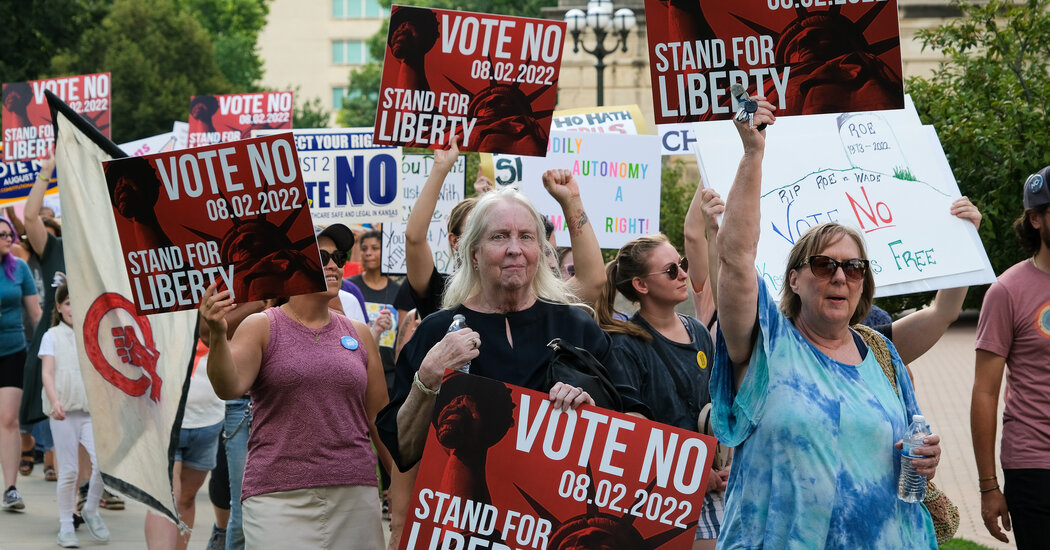
The Kansas vote was the most concrete evidence yet that a broad swath of voters — including some Republicans who still support their party in November — were ready to push back. Kansans voted down the amendment in Johnson County — home to the populous, moderate suburbs outside Kansas City — rejecting the measure with about 70 percent of the vote, a sign of the power of this issue in suburban battlegrounds nationwide. But the amendment was also defeated in more conservative counties, as abortion rights support outpaced Mr. Biden’s showing in 2020 nearly everywhere.
After months of struggling with their own disengaged if not demoralized base, Democratic strategists and officials hoped the results signaled a sort of awakening. They argued that abortion rights are a powerful part of the effort to cast Republicans as extremists and turn the 2022 elections into a choice between two parties, rather than a referendum just on Democrats.
“The Republicans who are running for office are quite open about their support for banning abortion,” said Senator Warren. “It’s critical that Democrats make equally clear that this is a key difference, and Democrats will stand up for letting the pregnant person make the decision, not the government.”
A Kansas-style referendum will be a rarity this election year, with only four other states expected to put abortion rights directly to voters in November with measures to amend their constitutions: California, Michigan, Vermont and Kentucky. However, the issue has already emerged as a defining debate in some key races, including in Michigan and Pennsylvania, where Democratic candidates for governor have cast themselves as bulwarks against far-reaching abortion restrictions or bans. On Tuesday, Michigan Republicans nominated Tudor Dixon, a former conservative commentator, for governor, who has opposed abortion in cases of rape and incest.
And in Pennsylvania, Doug Mastriano, the far-right Republican nominee for governor, said, “I don’t give a way for exceptions” when asked whether he believes in exceptions for rape, incest or the life of the mother. Governor’s contests in states including Wisconsin and Georgia could also directly affect abortion rights.
Other tests of the impact of abortion on races are coming sooner. North of New York City, a Democrat running in a special House election this month, Pat Ryan, has made abortion rights a centerpiece of his campaign, casting the race as another measure of the issue’s power this year.
“We have to step up and make sure our core freedoms are protected and defended,” said Mr. Ryan, the Ulster County executive in New York, who had closely watched the Kansas results.
Opponents of the Kansas referendum leaned into that “freedom” message, with ads that cast the effort as nothing short of a government mandate — anathema to voters long mistrustful of too much intervention from Topeka and Washington — and sometimes without using the word “abortion” at all.
Some of the messaging was aimed at moderate, often suburban voters who have toggled between the parties in recent elections. Strategists in both parties agreed that abortion rights could be salient with those voters, particularly women, in the fall. Democrats also pointed to evidence that the issue may also drive up turnout among their base voters.
After the Supreme Court’s decision, Democrats registered to vote at a faster rate than Republicans in Kansas, according to a memo from Tom Bonier, the chief executive of TargetSmart, a Democratic data firm. Mr. Bonier said his analysis of him found roughly 70 percent of Kansans who registered after the court’s decision were women.
“It is malpractice to not continue to center this issue for the remainder of this election season — and beyond,” said Tracy Sefl, a Democratic strategist. “What Democrats should say is that for Americans your bedroom is on the ballot this November.”
Inside the Democratic Party, there has been a fierce debate since Roe was overturned over how much to talk about abortion rights at a time of rising prices and a rocky economy — and that is likely to intensify. There is always the risk, some longtime strategists warn, of getting distracted from the issues that polls show are still driving most Americans.
Senator Brian Schatz, Democrat of Hawaii, said he understood the hesitancy from party stalwarts.
“The energy is on the side of abortion rights,” he said. “For decades that hasn’t been true so it’s difficult for some people who have been through lots of tough battles and lots of tough states to recognize that the ground has shifted under them. But it has.”
He urged Democrats to ignore polling that showed abortion was not a top-tier issue, adding that “voters take their cues from leaders” and Democrats need to discuss abortion access more. “When your pollster or your strategist says, ‘Take an abortion question and pivot away from it’ you should probably resist,” he said.
A Kaiser Family Foundation poll released this week showed that the issue of abortion access had become more salient for women 18 to 49 years old, with a 14-percentage-point jump since February for those who say it will be very important to their vote in midterm elections, up to 73 percent.
That is roughly equal to the share of voters overall who said inflation would be very important this fall — and a sign of how encouraging abortion has become for many women.
Still, Republicans said they would not let their focus veer from the issues they have been hammering for months.
“This fall, voters will consider abortion alongside inflation, education, crime, national security and a feeling that no one in Democrat-controlled Washington listens to them or cares about them,” said Kellyanne Conway, the Republican pollster and former senior Trump White House adviser.
Michael McAdams, the communications director for the National Republican Congressional Committee, said that if Democrats focused the fall campaign on abortion they would be ignoring the economy and record-high prices: “the No. 1 issue in every competitive district.”
One of the most endangered Democrats in the House, Representative Tom Malinowski of New Jersey, agreed that “the economy is the defining issue for people.”
“But there is a relationship here, because voters want leaders to be focused on fighting inflation, not banning abortion,” he said. Mr. Malinowski, who said he was planning to advertise on abortion rights, said the results in Kansas had affirmed for him the significance of abortion and the public’s desire to keep the government out of such personal decisions.
“There is enormous energy among voters and potential voters this fails to make that point,” he said.
peter baker contributed reporting from Washington.
LURCHING RIGHT — Even before Donald Trump, Arizona Republicans had a soft spot for hard-liners. Think Evan Mecham and Joe Arpaio, or the party’s pre-Trump censorship of the late Sen. John McCain.
But what may soon be different after Tuesday’s elections is that with Kari Lake poised to win the gubernatorial primary alongside a stable of fellow election conspiracy theorists, there is no longer any traditionalist wing of the Republican Party in Arizona holding the line.
Not McCain or Doug Ducey, the outgoing Republican governor who went in for Lake’s more establishment-minded opponent, Karrin Taylor Robson. Not former Vice President Mike Pence, whose own trip to the state to help Robson — and oppose Trump — fell flat.
In some states where Trump’s endorsed candidates have lost primaries this year, including in Georgia, Nebraska and Idaho, institutionalists held on. But in one of the most critical swing states in the country — and in a place where Trump’s brand may be especially damaging in the general election and in 2024 — the old Republican establishment has been replaced with election deniers from the top to the bottom of the statewide ticket.
“I will call in a bit to talk about the doomsday ticket,” Barrett Marson, a Republican political strategist in the state, said today, when Nightly reached out to him to talk about the results. “Let me wake up and finish crying.”
A prominent Republican in the state had texted him a GIF of Thelma and Louise driving off the cliff.
Marson’s concerns are shared by mainstream Republicans in other states. But Arizona has an especially toxic relationship with Trump. The GOP during his tenure de el lost two Senate seats and a presidential election in the state for the first time since 1996. Trump-ism, as was painfully obvious to the GOP in Arizona in 2020, is a hard sell in Phoenix and its heavily populated suburbs.
Yet if Trump-y politics are difficult for the GOP in Arizona, that’s about all the state party has going now.
As of this evening, Lake, a former TV anchor who has said she would not have certified the 2020 election, had pulled ahead in the gubernatorial race. If her lead de ella holds, as Republicans in Arizona expect, she will now be the party’s standard bearer.
Then there’s state Rep. Mark Finchem, a celebrity in election conspiracy circles, who won his primary for secretary of state. Republican speaker of Arizona’s House Rusty Bowers, who was censored by the state Republican Party for testifying to the Jan. 6 committee about Trump’s efforts to overturn the election, got shellacked by a Trump-backed challenger who thinks the devil was at work in the 2020 outcome.
In the primary for state attorney general, Trump-endorsed Abe Hamadeh, another election denier — and a critic of “weak-kneed Republicans” — prevailed. And in the US Senate primary, Blake Masters, who maintains Trump won in 2020also won.
“The Trump-endorsed candidates ran the table,” said Stan Barnes, a former state lawmaker and longtime Republican consultant.
For Democrats, this was all good news.
Instead of inflation or education any of the other “traditional campaign issues that candidates normally discuss,” Barnes said, Democrats in Arizona this fall “get to talk about the Trump candidates. They get to talk about running against Donald Trump.”
It might be enough to keep Trump’s class of Arizona Republicans from ever taking office. On the other hand, the environment is so good for the GOP nationally this year that some or all of them may win.
For Republicans hoping for a post-Trump reform, that outcome may be even worse.
“I think the only way back is by humiliation at the ballot box, and the problem is the Democrats aren’t strong enough to do that,” said Bill Gates, a Republican Maricopa County supervisor.
Of the Republicans, he said, “I think they are electable, which is frightening.”
“The election last night was a catastrophe for the Arizona Republican Party,” Gates said, “and, I would argue, our democracy.”
Welcome to POLITICO Nightly. Reach out with news, tips and ideas at [email protected]. Or contact tonight’s author at [email protected] or on Twitter at @davidsiders.
— Indiana GOP Rep. Walorski, 3 others die in auto accident:The Indiana Republican was a senior House member, her party’s top member on the House Ethics Committee and a member of the Ways and Means Committee. Her communications director de ella, Emma Thomson, and Zachary Potts of the St. Joseph County Republican Party were also killed in the accident, the sheriff’s office announced, as was the driver of the vehicle that collided with theirs. Walorski’s death is a shock to the Capitol community, where two other sitting House members have died this year: Rep. Don Young (R-Alaska) and Jim Hagedorn (R-Minn.) died within a month of each other earlier this year.
— Justice Department sues Peter Navarro for Trump White House emails:The Justice Department today sued the former Trump trade adviser in an effort to force him to turn over emails from his tenure in the White House. Navarro, who worked for the White House during the entirety of Trump’s presidency, had used “at least one non-official email account … to send and receive messages constituting Presidential records,” the Justice Department said in a court filing. Attorneys also accused him of “wrongfully retaining them” in violation of federal record-keeping laws, as Navarro did not copy the messages into an official government account, nor did he respond to the National Archivist’s initial request for the emails.
— Sinema requests changes to party-line climate, health care and tax bill:Sen. Kyrsten Sinema (D-Ariz), who has not weighed in on whether she will vote for the legislation, wants to nix language narrowing the so-called carried interest loophole, which would change the way some investment income is taxed, according to three people familiar with the matter. Cutting that provision would ax $14 billion of the bill’s $739 billion in projected revenue. Sinema also wants roughly $5 billion in drought resilience funding added to the legislation, a key request for Arizona given the state’s problems with water supply.
— Biden and Harris praise Kansas voters for defeating anti-abortion amendment:President Joe Biden today lauded voters in Kansas for rejecting a constitutional measure that would have stripped abortion protections from the state’s constitution. The failed Kansas amendment comes as the Biden administration makes a move to protect pregnant people who travel for access to reproductive care. Biden signed an executive order at today’s meeting that would examine ways to protect pregnant people who have to travel out of state for an abortion if their state bans it.
— Senate overwhelmingly backs NATO membership for Finland, Sweden:The Senate today voted overwhelmingly to admit Finland and Sweden to NATO, putting the military alliance on track for a historic expansion in response to Russia’s war in Ukraine. With 95 senators voting in favor, the defense treaty heads to President Joe Biden’s desk where he is expected to ratify it in the coming days, making the US the 22nd NATO nation to give its approval. All 30 NATO members are expected to complete the ratification process before the end of the year, in a signal to Moscow that the alliance will not shirk from deterring future Russian aggression. Josh Hawley (R-Mo.) was the only senator to vote against the treaty.
DOWN TO THE WIRE — The European Union is making a final push to save the Iran nuclear deal, agreeing all negotiators for an unexpected and sudden resumption of talks on Thursday, three sources familiar with the situation told POLITICO.
The goal — as it has been for months — is to restore a 2015 deal that saw Iran agree to limit its nuclear ambitions in exchange for heavy sanctions relief, writes Stephanie Lichtenstein. The agreement has been all but dead since the US pulled out in 2018. Talks to revive it ran aground earlier this year.
Negotiators are now descending on Vienna to see if there’s any sliver of hope left. Diplomats will be present from the US, Iran, China, Russia, Germany, Britain and France, as well as the EU, which is acting as a mediator since Iran refuses to talk directly to the US
It is not yet clear how senior the present officials will be and how long the talks will last. Sources familiar with the negotiations played down expectations and cautioned that it was far too early to say whether the talks will be successful.
PERMISSION FOR FLYBY — Washington is on edge as China readies a series of provocative military drills set to kick off on Thursday in response to House Speaker Nancy Pelosi’s visit to Taiwan, writes Lara Seligmann and Paul McLeary. Beijing has threatened incursions into the island’s territory, and for the first time, conventional missile launches over the island.
The Chinese navy is positioning warships around the island, including its two aircraft carriers that have left port in recent days, in what officials described as a blockade. The Chinese defense ministry released a map of six zones surrounding the island where it plans to conduct the drills, some of which potentially overlap with Taiwan’s territorial waters. The live-fire exercises will begin at noon local time on Thursday and last three days.
Officials say they see China’s moves thus far as mostly bluster. But there are signs Beijing is planning more provocative military actions during the upcoming exercise. China has never before flown aircraft or launched missiles into Taiwan’s territorial waters — something that could happen during the drills, said Bonnie Glaser, an East Asia analyst at the German Marshall Fund of the United States.
WALKING BACK — Conspiracy theorist Alex Jones testified today that he now understands it was irresponsible of him to declare the Sandy Hook Elementary School massacre a hoax and that he now believes it was “100% real,” according to the Associated Press.
Speaking a day after the parents of a 6-year-old boy who was killed in the 2012 attack testified about the suffering, death threats and harassment they’ve endured because of what Jones has trumpeted on his media platforms, the Infowars host told a Texas courtroom that he definitely thinks the attack happened.
“Especially since I’ve met the parents. It’s 100% real,” Jones said at his trial to determine how much he and his media company, Free Speech Systems, owe for defaming Neil Heslin and Scarlett Lewis. Their son Jesse Lewis was among the 20 students and six educators who were killed in the attack in Newtown, Conn., which was the deadliest school shooting in American history.
At one point, Heslin and Lewis’s lawyer Mark Bankston informed Jones that his attorneys had mistakenly sent Bankston the last two years’ worth of texts from Jones’ cellphone. Jones had previously testified in a deposition that he had no texts on his phone about the shooting. “Do you know what perjury is?” Bankston asked Jones.
Did someone forward this email to you? Sign up here.
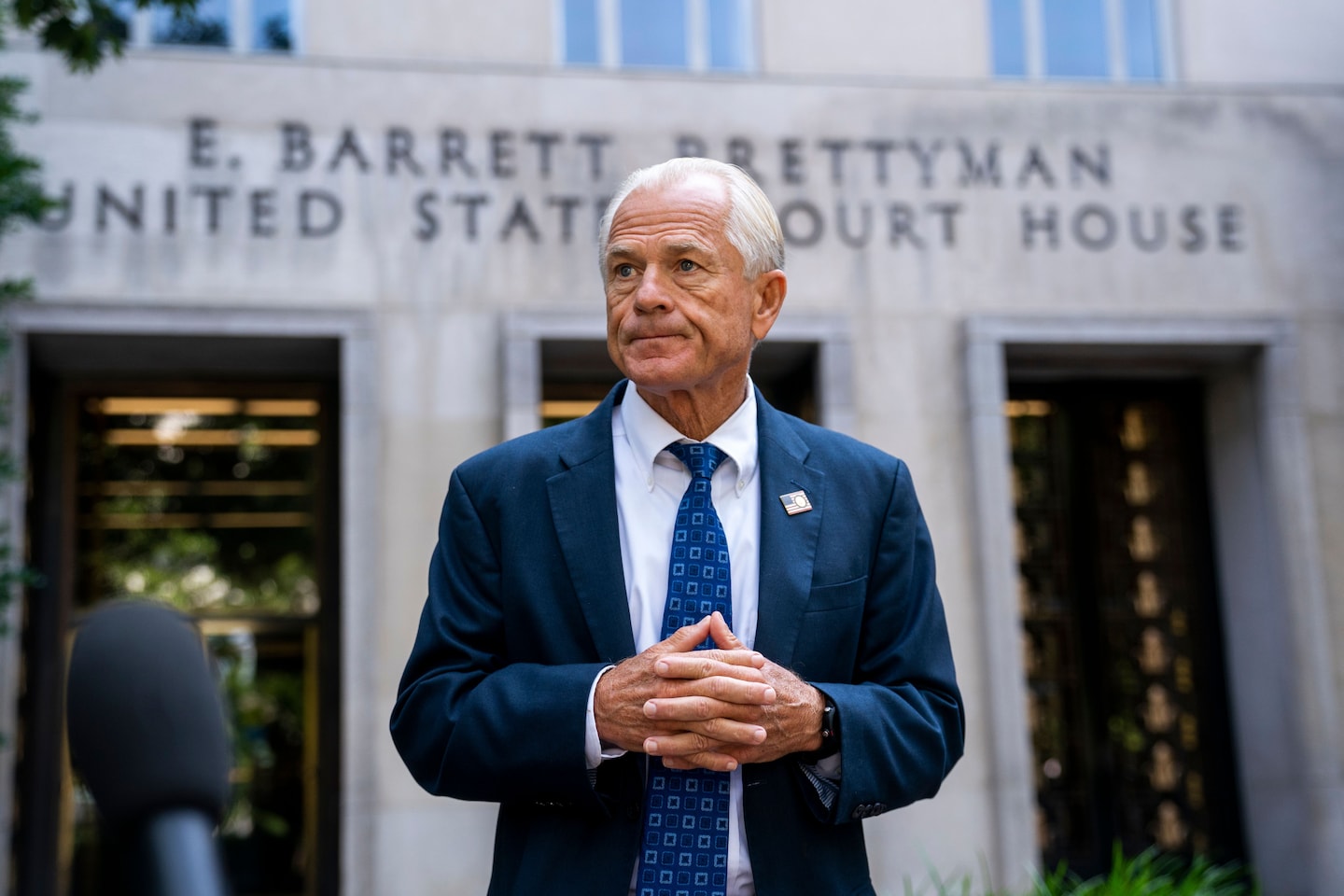
Peter Navarro, the oft-combative former Trump adviser already facing a fall trial on charges of contempt of Congress, was sued by the government Wednesday over his refusal to turn over private emails he allegedly used to conduct White House business during the Trump administration.
Navarro, according to the court papers filed by the Justice Department on behalf of the National Archives, “has refused to return any Presidential records that he retained absent a grant of immunity for the act of returning such documents.”
The lawsuit charges the economic adviser “is wrongfully retaining Presidential records that are the property of the United States, and which constitute part of the permanent historical record of the prior administration.”
A lawyer for Navarro did not immediately return a call seeking comment.
More than 1,000 election-worker threats reported in past year, official tells Senate committee
The court filing says the controversy surrounding Navarro’s emails began when a congressional committee reviewing how the government handled the coronavirus pandemic discovered that Navarro, who often played an outsize role in the Trump White House’s public discussion of the pandemic response, had used a private email account to conduct government work. From the National Archives’ point of view, those emails were official government records.
After more than a month of discussions about the subject with government lawyers, Navarro’s attorney told officials that they estimated between 200 and 250 documents could be considered presidential records.
Separately, Navarro has sparred repeatedly with government officials since his arrest in June on charges of contempt of Congress for allegedly refusing to provide testimony or documents to the House select committee investigating the Jan. 6 attack.
Navarro publicly denounced the agents who arrested him, and is due back in court next week as he prepares for a November trial on contempt charges. Another former Trump adviser, Stephen K. Bannon, was convicted last month in a similar case.