Categories
US

Kyrsten Sinema says she will ‘move forward’ on economic bill, putting Biden’s agenda on the cusp of Senate approval

Sinema’s support means Democrats likely will have 50 votes in their caucus to push the bill through their chamber by week’s end, before it moves to the House next week for final approval.

And while the plan is scaled back from Biden’s initial Build Back Better package, the latest bill — named the Inflation Reduction Act — would represent the largest investment in energy and climate programs in US history, extend expiring health care subsidies for three years and give Medicare the power for the first time to negotiate prescription drug prices. The legislation would impose new taxes to pay for it.

A remaining hurdle for Democrats: A review by Senate parliamentarian Elizabeth MacDonough, who must decide whether the provisions in the bill meet strict rules to allow Democrats to use the filibuster-proof budget process to pass the legislation along straight party lines.

But after days of talks with Senate Majority Leader Chuck Schumer, Sinema indicated she was ready to vote to proceed.

“Subject to the Parliamentarian’s review, I’ll move forward,” she said in a statement after maintaining silence over the bill for more than a week.

In the statement, Sinema indicated that she won several changes to the tax provisions in the package, including removing the tax on carried interest, which would have impacted hedge fund managers and private equity. That proposal would have raised $14 billion. She also suggested that she won changes to Democrats’ plans to stop back how companies can deduct depreciated assets from their taxes — a key demand by manufacturers that had lobbied Sinema over their concerns this week.

“We have agreed to remove the carried interest tax provision, protect advanced manufacturing, and boost our clean energy economy in the Senate’s budget reconciliation legislation,” Sinema said.

To make up for the lost revenue, Democrats agreed to add a 1% excise tax on companies’ stock buybacks as part of the agreement, raising another $73 billion, according to a Democratic aid.

“The agreement will include a new excise tax on stock buybacks that brings in far more revenue than the carried interest provision did, meaning the deficit reduction figure will remain at $300 billion,” a Democrat familiar with the agreement told CNN.

The $300 billion target in deficit reduction had been a key priority of Sen. Joe Manchin, a West Virginia Democrat who signed onto the deal after negotiations with Schumer last week.

“The agreement preserves the major components of the Inflation Reduction Act, including reducing prescription drug costs, fighting climate change, closing tax loopholes exploited by big corporations and the wealthy, and reducing the deficit by $300 billion,” Schumer said in a statement. “The final version of the Reconciliation bill, to be introduced on Saturday, will reflect this work and put us one step closer to enacting this historic legislation into law.”

High-stakes negotiations
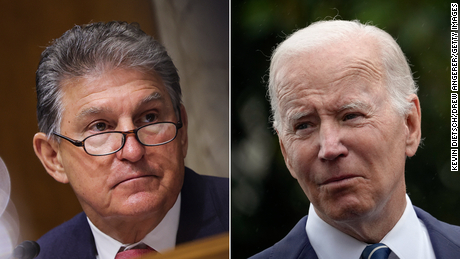
What's in the Manchin-Schumer deal on climate, health care and taxes

Earlier Thursday, top Senate Democrats engaged in high-stakes negotiations with Sinema, actively discussing potential changes to major tax components in order to secure the Arizona moderate’s support.

In private discussions, Sinema had expressed concern over key parts of the Democrats’ plan to pay for their climate and health care package — imposing a 15% tax minimum tax on big corporations and taxing so-called carried interest, which would mean imposing a new levy on hedge fund managers and private equity.

As a result, Democrats had been scrambling to find new revenue sources to meet the goal of saving $300 billion over a decade.

“Failure is not an option,” said Sen. Richard Blumenthal, a Connecticut Democrat, expressing the view of much of his caucus earlier Thursday that Sinema would eventually get on board.

Schumer announced earlier on Thursday that the Senate will reconvene on Saturday and plans to take the first procedural vote to proceed to the bill. If the vote gets the backing of all 50 members of the Democratic caucus, there would then be up to 20 hours of debate. Following debate time, there would be a process colloquially referred to on Capitol Hill as “vote-a-rama,” which is the marathon series of amendment votes with no time limit before the final vote. If the bill ultimately passes, the House would need to act.

Democrats are trying to wrap up negotiations and pass their economic passage before leaving town for a month-long August recess. The measure would invest $369 billion into energy and climate change programs with the goal of reducing carbon emissions by 40% by 2030. For the first time, Medicare would be empowered to negotiate the prices of certain medications, and it would cap out-of- pocket costs at $2,000 for those enrolled in Medicare drug plans. It would also extend expiring enhanced subsidies for Affordable Care Act coverage for three years.

It’s not clear if all these provisions will survive the parliamentarian’s review.

Heavy pressure on Sinema

Will the Senate climate and health care deal reduce inflation?  Depends whom you ask

Sinema was not part of the deal, learning of it when the news broke last week. She had refused to comment publicly on the deal, with her aides de ella only saying she would wait until the Senate parliamentarian’s review is done before ella taking a position. Yet she had been making her demands clear with Democratic leaders, including seeking to add $5 billion to help the Southwest cope with its multi-year drought, according to multiple sources.

As Democrats courted her, Republicans and business groups made their concerns known. In a private call this week, the Arizona Chamber of Commerce and the National Association of Manufacturers, urged Sinema to press to change the corporate minimum tax. The president of the Arizona business group, Danny Seiden, told CNN that he expressed the business community’s opposition to the 15% tax provision, noting it would particularly hit manufacturers that take advantage of an accelerated depreciation tax deduction that lowers their tax burden.

“Is this written in a way that’s bad?” Sinema asked, according to Seiden, president of the Arizona Chamber of Commerce, who relayed the call to CNN.

“It gave me hope that she’s willing to open this up and maybe make it better,” Seiden said.

Two sources told CNN that Sinema had privately relayed those concerns to top Democrats, arguing it would hurt manufacturers including in her state.

In an effort to break the log jam, Colorado Sen. John Hickenlooper, a freshman Democrat, proposed the excise tax on stock buybacks to Schumer as a way to make up for the revenue lost by Sinema’s requests, according to a Democratic aid.

At issue are changes proposed by Democrats on bonus depreciation that the GOP enacted in the 2017 tax law, which allows companies to deduct 100% of the cost of an asset the year it is placed in service. The new legislation proposed to phase that down starting next year.

It’s unclear exactly how the new language is structured on this issue.

Defending the new tax, the Democratic-led Senate Finance Committee released date on Thursday from the non-partisan Joint Committee on Taxation showing that up to 125 billion-dollar companies averaged only a 1.1 percent effective tax rate in 2019. The committee argues in its release that this shows the “rock-bottom tax rates” that some companies are able to pay.

“While we know that billion-dollar companies are avoiding paying their fair share, these tax rates are lower than we could have imagined,” said Senate Finance Chairman Ron Wyden, an Oregon Democrat. “We’re going to put a stop to it with our 15 percent minimum tax.”

This story and headline have been updated with additional developments Thursday.

CNN’s Jessica Dean, Ella Nilsen, Clare Foran and Alex Rogers contributed to this report.

.
Categories
US

Does the Inflation Reduction Act violate Biden’s $400,000 tax pledge?

JimWatson | Afp | Getty Images

Senate Democrats’ package of climate change, health-care, drug pricing and tax measures unveiled last week has proponents and opponents debating whether the legislation violates a pledge President Joe Biden has made since his presidential campaign, to do not raise taxes on households with incomes below $400,000 a year.

The answer isn’t quite as simple as it seems.

“The fun part about this is, you can get a different answer depending on who you ask,” said John Buhl, an analyst at the Tax Policy Center.

More from Personal Finance:
Embryos can count as dependents on Georgia state tax returns
Would you be included in student loan forgiveness?
Remote work is helping fight inflation

The White House has used $400,000 as a rough dividing line for the wealthy relative to middle and lower earners. That income threshold equates to about the top 1% to 2% of American taxpayers.

The new bill, the Inflation Reduction Act, doesn’t directly raise taxes on households below that line, according to tax experts. In other words, the legislation wouldn’t trigger an increase on taxpayers’ annual tax returns if their income is below $400,000, experts said.

But some aspects of the legislation may have adverse downstream effects — a sort of indirect taxation, experts said. This “indirect” element is where opponents seem to have directed their ire.

What’s in the Inflation Reduction Act

The legislation — brokered by Senate Majority Leader Chuck Schumer, DN.Y., and Sen. Joe Manchin, DW.Va., who’d been a key centrist holdout — would invest about $485 billion toward climate and health-care measures through 2031, according to a Congressional Budget Office analysis issued Wednesday.

Broadly, that spending would be in the form of tax breaks and rebates for households that buy electric vehicles and make their homes more energy-efficient, and a three-year extension of the current Affordable Care Act subsidies for health insurance.

The bill would also raise an estimated $790 billion via tax measures, reforms for prescription drug prices and a fee on methane emissions, according to the Congressional Budget Office. Taxes account for the bulk — $450 billion — of the revenue.

Critics say corporate changes could affect workers

Specifically, the legislation would provide more resources for IRS enforcement of tax cheats and would tweak the “carried interest” rules for taxpayers who earn more than $400,000. Carried-interest rules allow certain private equity and other investors to pay a preferential tax rate on profits.

Those elements aren’t controversial relative to the tax pledge — they don’t raise the annual tax bills middle and low earners owe, experts said.

The Inflation Reduction Act would also implement a 15% corporate minimum tax, paid on the income large companies report to shareholders. This is where “indirect” taxes might come into play, experts said. For example, a corporation with a higher tax bill might pass on those additional costs to employees, perhaps in the form of a lower raise, or reduced corporate profits may hurt 401(k) and other investors who own a piece of the company in a mutual fund.

The Democrats’ approach to tax reform means increasing taxes on low- and middle-income Americans.

Sen. mike krapo

Republican of Idaho

The current corporate tax rate is 21% but some companies are able to reduce their effective tax rate and therefore pay back their bill.

As a result of the policy, those with incomes below $200,000 would pay almost $17 billion in combined additional tax in 2023, according to a Joint Committee on Taxation analysis published July 29. That combined tax burden falls to about $2 billion by 2031, according to the JCT, an independent scorekeeper for Congress.

“The Democrats’ approach to tax reform means increasing taxes on low- and middle-income Americans,” Sen. Mike Crapo, R-Idaho, ranking member of the Finance Committee, said of the analysis.

Others say financial benefits outweigh indirect costs

However, the JCT analysis does not provide a complete picture, according to experts. That’s because it doesn’t account for the benefits of consumer tax rebates, health premium subsidies and lower prescription drug costs, according to the Committee for a Responsible Federal Budget.

Observers who consider indirect costs should weigh these financial benefits, too, experts argue.

“The selective presentation by some of the distributional effects of this bill neglects benefits to middle-class families from reducing deficits, from bringing down prescription drug prices and from more affordable energy,” a group of five former Treasury secretaries from both Democratic and Republican administrations wrote Wednesday.

The $64 billion of total Affordable Care Act subsidies alone would “be more than enough to counter net tax increases below $400,000 in the JCT study,” according to the Committee for a Responsible Federal Budget, which also estimates Americans would save $300 billion on costs and premiums for prescription drugs.

The combined policies would offer a net tax cut for Americans by 2027, the group said.

Further, setting a minimum corporate tax rate shouldn’t be viewed as an “extra” tax, but a “reclaiming of revenue lost to tax avoidance and provisions benefitting the most affluent,” argued the former Treasury secretaries. They are Timothy Geithner, Jacob Lew, Henry Paulson Jr., Robert Rubin and Lawrence Summers.

There are additional wrinkles to consider, though, according to Buhl of the Tax Policy Center.

For example, to what extent do companies pass on their tax bills to workers versus shareholders? Economists differ on this point, Buhl said. And what about companies with a lot of excess cash on hand? Might that cash buffer lead a company not to levy an indirect tax on its workers?

“You could end up going down these rabbit holes forever,” Buhl said. “It’s just one of the fun parts of tax pledges,” he added.

.

Categories
US

Republicans Begin Adjusting to a Fierce Abortion Backlash

Republican candidates, facing a stark reality check from Kansas voters, are softening their once-uncompromising stands against abortion as they move toward the general election, recognizing that strict bans are unpopular and that the issue may be a major driver in the fall campaigns.

In swing states and even conservative corners of the country, several Republicans have shifted their talk on abortion bans, newly emphasizing support for exceptions. Some have noticeably stopped discussing details at all. Pitched battles in Republican-dominated state legislatures have broken out now that the Supreme Court has made what has long been a theoretical argument a reality.

In Pennsylvania, Doug Mastriano, the Republicans’ ardently anti-abortion candidate for governor, has lately taken to saying “the people of Pennsylvania” will “decide what abortion looks like” in the state, not the governor. In Minnesota, Scott Jensen, a family physician who said in March that he would “try to ban abortion” as governor, said in a video released before the Kansas vote that he does support some exceptions: “If I’ve been unclear previously, I want to be clear now.”

Republican consultants for Senate and House campaigns said Thursday that while they still believe inflation and the economy will drive voters to the GOP, candidates are going to have to talk about abortion to blunt Democratic attacks that the party’s position is extreme. They have started advising Republicans to endorse bans that allow exceptions for pregnancies from rape or incest or those that threaten the life of the mother. They have told candidates to emphasize care for women during and after their pregnancies.

“If we are going to ban abortion, there are things we’ve got to do to make sure the need for abortion is reduced, and that women are not endangered,” said Representative Nancy Mace, Republican of South Carolina, who won an exemption for rape and incest in her state’s abortion law as a state representative. Now, she says Republicans need to press to expand access to gynecological and obstetrics care, contraception, including emergency contraception, and even protect the right of women to leave their states to get an abortion without fear of prosecution.

Messaging alone cannot free the GOP from the drumbeat of news after the Supreme Court’s decision, including the story of a 10-year-old rape victim who crossed state lines to receive an abortion, and headlines about women who confronted serious health problems under new, far-reaching restrictions or bans.

On Thursday, Gov. Ron DeSantis of Florida, who has recently avoided talking about abortion, suspended a state attorney from Hillsborough County who refused to prosecute people who try to provide abortions prohibited by the state’s new 15-week ban, prompting angry recriminations from Democrats.

The recalibration for some began before voters of deeply Republican Kansas voted overwhelmingly on Tuesday against removing abortion rights from the state’s constitution. Since the Supreme Court overturned Roe v. Wade, retracting the constitutional right to the procedure, many Republicans were slow to detail what would come next. As they rush to enact long-promised laws, Republican-led legislatures have learned how difficult banning abortion can be.

“Not just the pro-choice movement but the pro-life movement was caught by surprise” by the Supreme Court, said Brandon Steele, a West Virginia delegate who pressed for an abortion ban without exceptions in a special session of the legislature that ended this week with the Republican supermajority stymied. “Without having the talking points, without being told what to do, legislators had to start saying what they were actually going to do. You could see the confusion in the room.”

“We’re finding out who is really pro-life and who is pro-life only to get elected, not just in West Virginia but across the country,” Mr. Steele said.

In Indiana, a special session of the state legislature to consider a near-total abortion ban has had brutal debates over whether to include exemptions and how far those exemptions should go.

“For some it’s very black and white: if you’re pro-life with no exceptions or if you’re pro-choice with no restrictions,” said State Senator Kyle Walker, an Indiana Republican who said abortion should be legal during at least the first trimester of pregnancy. “When you are in the gray area, you are forced to reconcile in your own mind where your own limits are.”

For months, Republicans have maintained that abortion rights would be a footnote in a midterm campaign driven by the worst inflation in 40 years, crime, immigration and a Democratic president whose approval ratings are mired around 40 percent.

That is still the public line, even after the Kansas referendum, where voters faced a single issue, not the multiplicity of factors they will be considering in November.

But the reality on the campaign trail is different. Sarah Longwell, a Republican pollster, said in her focus groups that swing voters do bring up inflation and the economy when asked what issues are on their minds. But when prompted to discuss abortion, real passion flares. That indicates that if Democrats can pursue a campaign to keep the issue front and center, they will find an audience, she said.

Ms. Mace agreed, saying that abortion is rising fast and that Republicans have to respond.

In Minnesota, Dr. Jensen, the Republican candidate expected to take on Gov. Tim Walz, suggested it was interactions with voters after the fall of Roe that, he said, prompted him to clarify his position on abortion.

“Once the Roe v. Wade decision was overturned, we told Minnesota, and basically told everybody that we would engage in a conversation,” he said. “During that conversation, I learned of the need for me to elaborate on my position.”

That elaboration included embracing a family and maternity leave program, promoting a $2,500-per-child adoption tax credit, and improving access to birth control, including providing oral contraceptives over the counter with a price ceiling. And, like adam laxaltthe GOP Senate nominee in Nevada, Dr. Jensen pointed to abortion protections already in place in Minnesota to cast the matter as settled rather than on the ballot this year.

Mr. Walz said he would stay on offense, and did not accept any softening of the Republican line.

“I take them at their first word,” he said of Dr. Jensen and his running mate, Matt Birk, a former NFL player and anti-abortion rights advocate. “If they get the opportunity they will criminalize this while we’re trying to protect it. So it’s become a central theme, obviously, I think that flip on their part was in response to that.”

The Kansas vote implies that around 65 percent of voters nationwide would reject rolling back abortion rights, including a majority in more than 40 of the 50 states, according to a New York Times analysis.

Republicans believe their party can grab the mantle of moderation from Democrats, in part by conveying empathy toward pregnant women and offering exemptions to abortion bans, and casting Democrats as the extremists when it comes to regulating abortion. If Democrats insist on making abortion the centerpiece of their campaigns, they argue, they risk looking out of touch with voters in an uncertain economy.

But Republicans who moderate their views must still contend with a core base of support that remains staunchly anti-abortion. Abortion opponents said Thursday that Republican candidates should not read too much into the Kansas vote, a single-issue referendum with language that was criticized by voters on both sides as confusing.

“Regardless of what the consultant class is telling the candidates, they would be wise to recognize that the right-to-life community is an important constituency and an important demographic of voters,” warned Penny Nance, chief executive and president of Concerned Women for America, a conservative organization that opposes abortion rights.

After the Kansas vote, Democrats stepped up efforts to squeeze their opponents between a conservative base eager for quick action to ban all abortions and a broader electorate that wants no such thing. Representative Elaine Luria, a moderate Democrat running in a Republican-leaning district in southeastern Virginia, released a new advertisement against her Republican opponent, Jen Kiggans, painting her as “too extreme” on abortion. Ms. Luria had initially said she would campaign on her work for the district and her support for the Navy, a big force in the region, but the landscape has shifted. Ms. Kiggans’s campaign did not respond to a request for comment.

A group aligned with the Democratic Governors Association is already advertising off abortion-related remarks made by Tudor Dixon of Michigan, who won the Republican nomination for governor this week.

“If you take Tudor Dixon at her word when it comes to outlawing abortion, she’s told us exactly who she is,” the spot, titled “No Exceptions,” intones, featuring clips of Ms. Dixon highlighting her opposition to a range of abortion -related exceptions. Ms. Dixon was unambiguous about her position earlier this summer, writing on Twitter“My only exception is to protect the LIFE of the mother.”

In a lengthy statement that highlighted her opposition to an expected ballot measure in Michigan intended to protect abortion rights, Ms. Dixon also insisted that her race would be defined by jobs, schools, crime and being “able to afford your gas and groceries.”

For Republicans, one problem might be the extensive trail on the issue they left during the primary season.

In May, Mr. Mastriano was unequivocal in Pennsylvania as he courted Republican primary voters: “That baby deserves a right to life whether it is conceived in incest or rape or there are concerns otherwise for the mom.”

Last month, he said it was not up to him. “You decide on exceptions. You decide on how early. And that’s in the hands of the people,” he said on Philadelphia talk radio. “That’s a fact. That’s not a dodge.”

mitch smith, trip gabriel and Reid J. Epstein contributed reporting.

Categories
US

What’s Next in the Alex Jones Trial? Jury to Weight Additional Damages

After ordering the conspiracy theorist Alex Jones to pay more than $4 million in compensatory damages to the parents of a child killed in the mass shooting at Sandy Hook Elementary School, jurors will return on Friday to consider awarding punitive damages.

The jury, which announced the partial award on Thursday after several dramatic days in court, is scheduled to hear additional testimony about Mr. Jones and his misinformation-peddling media outlet Infowars that is likely to include discussion of his net worth and his company’s.

Compensatory damages are based on proven harm, loss or injury, and are often calculated based on the fair market value of damaged property, lost wages and expenses, according to Cornell Law School. Punitive damages are designed to punish especially harmful behavior and tend to be granted at the court’s discretion, and are sometimes many multiples of a compensatory award.

Mr. Jones is accused of defaming the families of children killed in the mass shooting at the Sandy Hook school in 2012, falsely describing them as actors participating in a hoax (he acknowledged this week that the shooting was “100 percent real”). The award on Thursday announced for Scarlett Lewis and Neil Heslin, whose 6-year-old son, Jesse Lewis, died in the attack, was the first to arise from several lawsuits filed by victims’ parents in 2018.

A trial for damages in another of the suits was scheduled to begin next month in Connecticut, but it could be delayed because of a bankruptcy filing last week by Free Speech Systems, Infowars’ parent company. Lawyers for the families criticized the move as another attempt by Mr. Jones to shield his wealth from him and evade judgment.

Starting on Friday, lawyers for Ms. Lewis and Mr. Heslin are expected to delve more deeply into Mr. Jones’ financial situation, calling an economist as an expert witness. This week, they presented records showing that, at one point in 2018, Infowars made more than $800,000 a day.

The parents had sought $150 million in compensatory damages.

Categories
US

White House summons Chinese ambassador for rebuke on Taiwan response

Comment

The White House summoned China’s ambassador on Thursday to condemn Beijing’s escalating actions against Taiwan and reiterate that the United States does not want a crisis in the region, after a visit to the island by House Speaker Nancy Pelosi (D-Calif.) sharply escalated tensions in the Taiwan Strait this week.

“After China’s actions overnight, we summoned [People’s Republic of China] Ambassador Qin Gang to the White House to démarche him about the PRC’s provocative actions,” National Security Council spokesman John Kirby said in a statement provided to The Washington Post. “We condemned the PRC’s military actions, which are irresponsible and at odds with our long-standing goal of maintaining peace and stability across the Taiwan Strait.” A démarche is a protest lodged through diplomatic channels.

China’s show of force against Taiwan on Thursday included firing missiles into the sea and threatening the island’s territorial waters. Taiwan said China fired 11 ballistic missiles into the waters off its northeastern and southwestern coasts, and Japanese officials said five Chinese missiles landed in Japan’s exclusive economic zone.

The White House also reiterated to Qin that it wants to keep all lines of communication open and that nothing has changed about the United States’ one-China policy, which stipulates that there is a single Chinese entity and no independent enclaves. But the White House also stressed that it found Beijing’s actions unacceptable and would stand up for its values ​​in the Indo-Pacific.

The meeting, which has not been previously reported, was between Qin and Kurt Campbell, deputy assistant to President Biden and coordinator for Indo-Pacific affairs on the National Security Council, according to a White House official, who spoke on the condition of anonymity to share details of a private conversation.

China’s military actions Thursday increased tensions in the Taiwan Strait to the highest level in decades, raising fears of a dangerous miscalculation in one of the world’s most charged geopolitical flash points. Beijing has openly voiced its anger over Pelosi’s visit to Taiwan, which it considers part of its territory awaiting unification, and US-China relations were already strained because of disputes over trade, human rights and other issues.

Pelosi: Why I’m visiting Taiwan

The White House highlighted to Qin a statement from the Group of Seven industrialized democracies, Kirby said, which stressed that China should not use Pelosi’s visit as a pretext for aggressive military action in the Taiwan Strait. The White House also expressed support for a statement from the Association of Southeast Asian Nations, or ASEAN, which called on all sides to de-escalate tensions and engage in dialogue.

“We made clear once again as we have done privately at the highest levels and publicly: Nothing has changed about our one-China policy. We also made it clear that the United States is prepared for what Beijing chooses to do,” Kirby said. “We will not seek and do not want a crisis. At the same time, we will not be deterred from operating in the seas and skies of the Western Pacific, consistent with international law, as we have for decades — supporting Taiwan and defending a free and open Indo-Pacific.”

Chinese state broadcaster CCTV said the Eastern Theater Command of the People’s Liberation Army (PLA) carried out long-range, live-fire exercises and “precision strikes” on eastern parts of the strait. Taiwan’s Defense Ministry said the PLA fired 11 Dongfeng ballistic missiles.

The White House sought to de-escalate tensions with China ahead of and during Pelosi’s visit, which the speaker undertook against the administration’s wishes. White House officials warned earlier this week that China was preparing for possible aggressive actions that could continue well beyond Pelosi’s visit.

Virtually all the senior members of Biden’s national security team had privately expressed deep reservations about the trip and its timing, the White House official said. They were especially concerned because US-China tensions are already high, and Washington is seeking China’s cooperation on the war in Ukraine and other matters.

Top White House officials defended Pelosi’s right to travel to Taiwan both publicly and to their counterparts in China, but even so, some of them still did not think the trip was a good idea, the official said.

China has sought for years to diplomatically isolate Taiwan. The Chinese Communist Party claims the island, a self-governing democracy that is home to over 23 million people, as its territory, and Chinese leader Xi Jinping has pledged to “reunify” Taiwan with China, by force if necessary.

Chinese ambassador: Why we opposed Pelosi’s visit

But Pelosi doubled down on Thursday, saying China would not succeed in bullying the island.

“They may try to keep Taiwan from visiting or participating in other places, but they will not isolate Taiwan,” Pelosi said in Tokyo, the last stop of her tour. “They are not doing our traveling schedule. The Chinese government is not doing that.”

At a news briefing Thursday, Kirby said the United States is responding to China’s actions.

The United States will conduct standard air and maritime transits through the Taiwan Strait over the next few weeks, he said, and will take “further steps” to stand with its allies in the region, including Japan, although he did not specify what those actions would be. The aircraft carrier Ronald Reagan and its battle group will remain near Taiwan to monitor the situation, Kirby added.

Lily Kuo contributed to this report.

Categories
US

Alabama Girl Was Kept Captive With Remains of Mother and Brother – NBC 7 San Diego

What to Know

  • After being held captive for a week, the 12-year-old girl managed to escape by gnawing through restraints tying her to a bed while her captor was away.
  • Police found two dismembered bodies in the mobile home after the child escaped, the remains of her mother and brother.
  • The mother’s live-in boyfriend has been arrested, police said.

A 12-year-old girl who was held captive for a week in a mobile home with the dismembered remains of her mother and brother provided key information that led to the arrest of the woman’s live-in boyfriend, authorities said Thursday.

The girl, who gnawed through restraints to escape from the residence while the man was away, “is a hero for surviving the incident and coming forward with the information that she provided us in order to charge him,” said Tallapoosa County Sheriff Jimmy Abbett.

Discovered along a country road by a passerby following her escape on Monday, the child is now safe in the custody of state child welfare officials. Assaulted and plied with alcohol to keep her in a stupor, the girl fled after chewing through the ties that held her down on a bed, authorities said in court documents.

José Paulino Pascual-Reyes, 37, was charged with kidnapping and multiple counts of capital murder in the slayings of the girl’s mother, 29-year-old Sandra Vazquez Ceja, and her son, who court records show was younger than 14.

“They were boyfriend and girlfriend,” Abbett said of Pascual-Reyes and Ceja. “They were actually living there all together.”

The kidnapping charge alleges that the girl was held hostage against her will, not that she was physically abducted from elsewhere and taken to the home, Abbett said.

The girl was taken captive on July 24 around the time her mother and brother were killed, allege authorities, and police found two dismembered bodies in the mobile home after the child escaped on Monday morning. Abbett declined to comment on whether the girl knew the fate of her mother and brother de ella while she was still a hostage, but the chopped-up remains were found inside the home.

Pascual-Reyes was arrested Monday night while working at a construction site in Auburn, more than 20 miles (32 kilometers) from the mobile home. He is being held without bond. Two attorneys appointed to represent him did not immediately respond to an email seeking comment on his behalf.

Reyes, who is from Mexico, was in the country illegally after being deported and returning without proper documentation, Abbett said. It wasn’t clear when he last entered the United States, said the sheriff, but the group had been living in the mobile home since February.

Ceja and the two children entered the United States from Mexico in 2017 and remained after requesting asylum, but their claims had yet to be decided by immigration officials, the sheriff said.

While a few other people live near the mobile home and others had lived at the residence, there’s no indication anyone else knew about the killings or that the girl was being held against her will, Abbett said.

“No one has come forward with information,” he said.

.

Categories
US

Sen. Kyrsten Sinema announces deal on Inflation Reduction Act

Categories
US

Analyzing how 3 US presidents announced the deaths of terrorist leaders : NPR

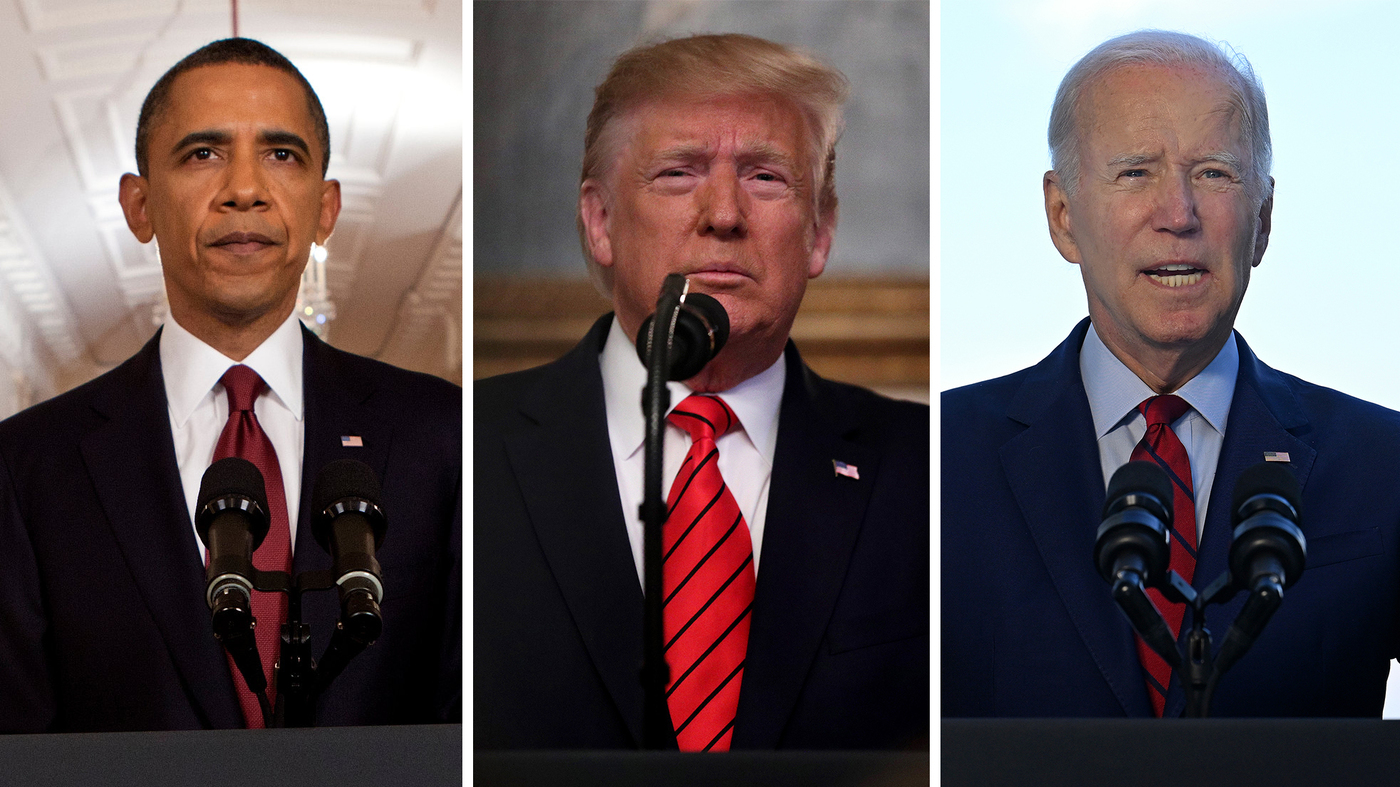
President Barack Obama delivers a televised statement that Osama bin Laden was killed in 2011. President Donald Trump makes a statement announcing the death of ISIS leader Abu Bakr al-Baghdadi in 2019. President Biden announces on Monday that a US drone strike in Afghanistan killed al -Qaeda leader Ayman al-Zawahiri.

Brendan Smialowski/Pool; Alex Wong; Jim Watson/Pool/Getty Images


hide caption

toggle caption

Brendan Smialowski/Pool; Alex Wong; Jim Watson/Pool/Getty Images


President Barack Obama delivers a televised statement that Osama bin Laden was killed in 2011. President Donald Trump makes a statement announcing the death of ISIS leader Abu Bakr al-Baghdadi in 2019. President Biden announces on Monday that a US drone strike in Afghanistan killed al -Qaeda leader Ayman al-Zawahiri.

Brendan Smialowski/Pool; Alex Wong; Jim Watson/Pool/Getty Images

The sight of a US president announcing the death of a terrorist leader has been a fixture in American politics over the past 11 years.

The words each president uttered and their mannerisms at the podium reveal a lot about the type of leaders former Presidents Barack Obama and Donald Trump attempted to be and in the case of President Joe Biden, attempt to be.

This week, Biden announced that the US had killed al-Qaida leader Ayman al-Zawahiri in Kabul over the weekend.

In 2019, Trump revealed that the US killed ISIS leader Abu Bakr al-Baghdadi. And in 2011, Obama shared with the American people that Osama bin Laden, the architect of the 9/11 terrorist attacks on the US, was killed.

In the days following Biden’s announcement, edited videos have popped up online comparing the speeches by Biden, Obama and Trump. Though some of the videos are created to put certain leaders in a bad light, analyzing these three speeches is worthwhile, according to historians and rhetoric experts who spoke to NPR.

Taking a deeper look at each speech, their delivery, even down to the words each used, provides a small window into each man, those experts said.

Though starkly different characters, there are similarities worth noting, said Thomas Schwartz, a professor of history, political science, and European studies at Vanderbilt University.

The fact that Obama, Trump and Biden took center stage to announce the execution of another person is “a little bloodthirsty,” Schwartz said.

“But they do recognize that there’s a domestic political gain from taking out terrorist leaders, and they want to claim it,” he added.

Each president in their speech makes a special note to say that they directed the military and intelligence officers to act on the intel provided, that they gave the orders, Schwartz said. Each man ultimately wants to assert his leadership from him on the global stage, he said.

“Underneath it all are presidents trying to justify themselves politically and gain something politically,” Schwartz said. “So I think our comparison on that level is probably justified even if, on stylistic things, it also reminds people what they liked and didn’t like about various presidents.”

Obama’s speech on bin Laden looms large

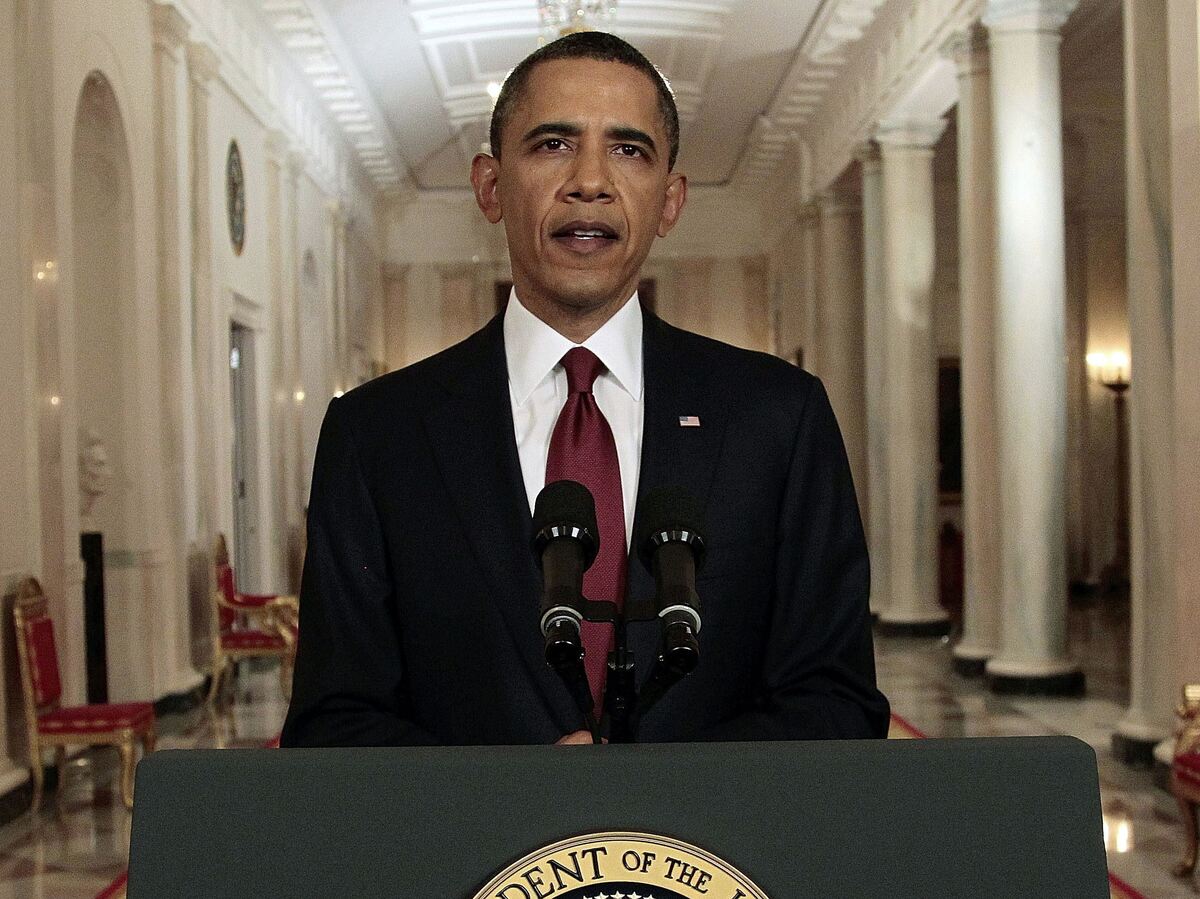
President Barack Obama reads his statement to photographers after making a televised statement on the death of Osama bin Laden from the East Room of the White House on May 1, 2011.

Pablo Martinez Monsivais/AP


hide caption

toggle caption

Pablo Martinez Monsivais/AP


President Barack Obama reads his statement to photographers after making a televised statement on the death of Osama bin Laden from the East Room of the White House on May 1, 2011.

Pablo Martinez Monsivais/AP

Each expert who spoke to NPR agreed: Obama’s speech was iconic. Though Trump and Biden took out major terrorist leaders, the gravity of killing bin Laden is unmatched. To some degree, Trump and Biden attempted to even emulate Obama’s bin Laden speech, Schwartz said.

“Bin Laden was, of course, someone who was a household name in a way that the other two men were not,” said Margaret O’Mara, a history professor at the University of Washington. “So it was sort of an extraordinary historic moment, and something that in a way looms larger than the other two, because it was bin Laden.”

O’Mara noted that Obama took time to acknowledge the emotion for victims of 9/11 nearly a decade after the attacks.

“Obama’s speaking almost within a decade of 9/11 so it’s much more raw,” she said.

Obama, in a measured and somber tone, said in his nine-minute speech: “It was nearly 10 years ago that a bright September day was darkened by the worst attack on the American people in our history.”

In this image released by the White House and digitally altered by the source to diffuse the paper in front of Secretary of State Hillary Rodham Clinton, President Barack Obama and then-Vice President Joe Biden, along with members of the national security team, receive an update on the mission against Osama bin Laden in the Situation Room of the White House on May 1, 2011.

Pete Souza/AP


hide caption

toggle caption

Pete Souza/AP


In this image released by the White House and digitally altered by the source to diffuse the paper in front of Secretary of State Hillary Rodham Clinton, President Barack Obama and then-Vice President Joe Biden, along with members of the national security team, receive an update on the mission against Osama bin Laden in the Situation Room of the White House on May 1, 2011.

Pete Souza/AP

He went on to say: “And yet we know that the worst images are those that were unseen to the world. The empty seat at the dinner table. Children who were forced to grow up without their mother or their father. Parents who would never know the feeling of their child’s embrace. Nearly 3,000 citizens taken from us, leaving a gaping hole in our hearts.”

Obama also carefully described how the White House came to receive intelligence on bin Laden and a short description of the steps special forces took to kill him.

“There’s no question that watching Obama, you got reminded of how deliberative and almost academic his style could be in discussing things,” Schwartz noted.

Trump rejects traditional presidential rhetoric

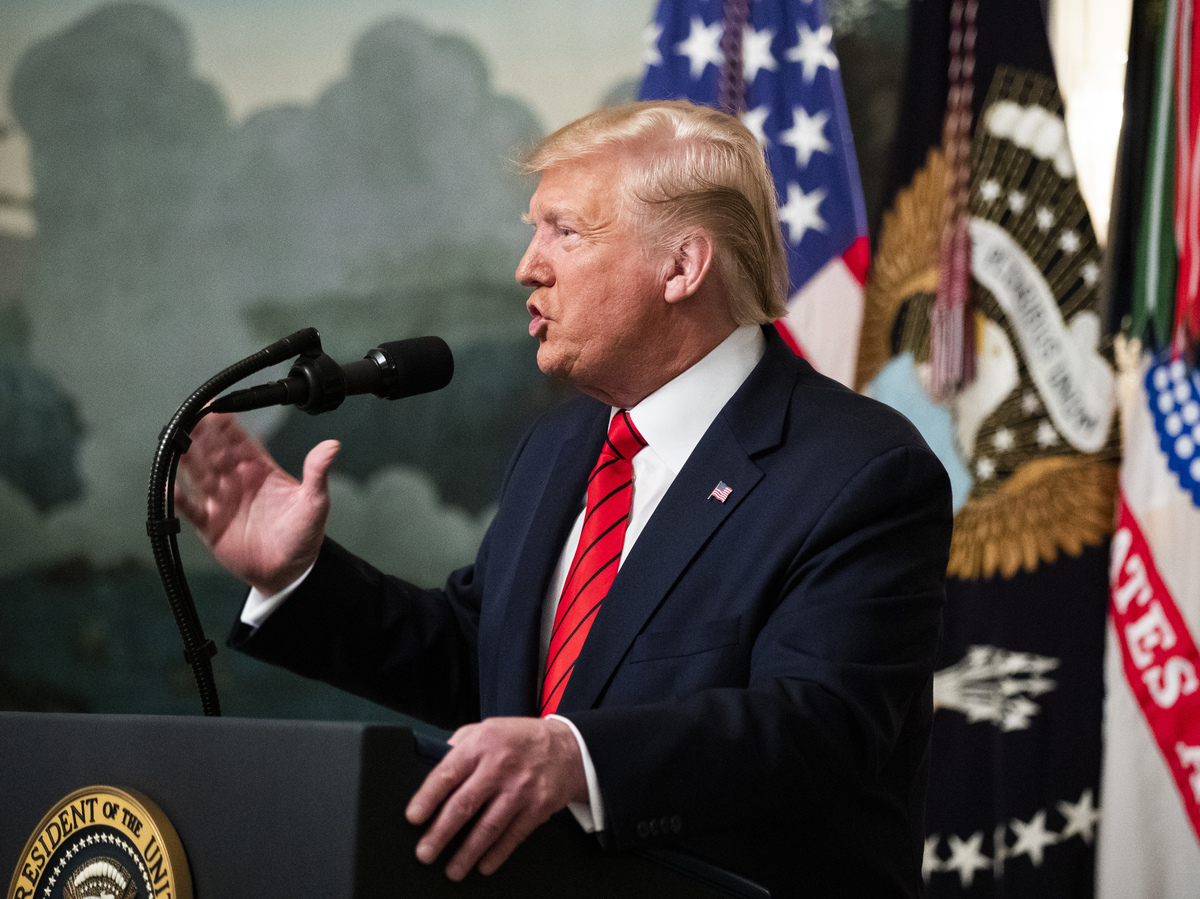
Former President Donald Trump speaks on Oct. 27, 2019 in the Diplomatic Room of the White House, announcing that Abu Bakr al-Baghdadi, the leader of the Islamic State group, is dead after being targeted by a US military raid in Syria.

Manuel Balce Ceneta/AP


hide caption

toggle caption

Manuel Balce Ceneta/AP


Former President Donald Trump speaks on Oct. 27, 2019 in the Diplomatic Room of the White House, announcing that Abu Bakr al-Baghdadi, the leader of the Islamic State group, is dead after being targeted by a US military raid in Syria.

Manuel Balce Ceneta/AP

Former President Trump took a far different approach in announcing the execution of Islamic State leader Abu Bakr al-Baghdadi in 2019.

Taking a moment to analyze Trump’s speech in comparison to Obama and Biden provides “a window into a lot of things,” O’Mara said.

“In kind of a very blunt way, it’s a window into how Trump was such a very different president — and not just different from the two men who were on either side of him, but modern presidents generally,” she said. “If you dial back and look at presidential oratory of presidents of both parties, it’s very different in terms of not only the tone, but what type of information is being relayed.”

Trump, known for lengthy rally speeches during his presidency, spoke for far longer than Obama or Biden in this announcement. His initial speech from him went on for over eight minutes, but he went on to take questions from reporters for another 40 minutes.

And with his usual flair, Trump spoke about the raid in dramatic detail using emotive language to describe both al-Baghdadi and the manner in which he died.

“No personnel were lost in the operation, while a large number of Baghdadi’s fighters and companions were killed with him. He died after running into a dead-end tunnel, whimpering and crying and screaming all the way,” Trump said.

He went on describing the operation, saying, “The thug who tried so hard to intimidate others spent his last moments in utter fear, in total panic and dread, terrified of the American forces bearing down on him.”

This goes back to Trump’s background not in politics, but as a businessman and reality TV star, these experts noted.

“One of the things that was very noteworthy about Trump’s presidential rhetoric was that he claimed to not want to use it, he said that he didn’t want to be presidential,” said Jennifer Mercieca, a historian of American political rhetoric and professor at Texas A&M University. “I thought that presidential [style] was boring and lame and he thought that he won the office of the presidency by being dynamic and interesting. And so that’s, I think, very clearly reflected.”

In comparison, Biden and Obama delivered very somber speeches, she said.

Biden tries to project strength

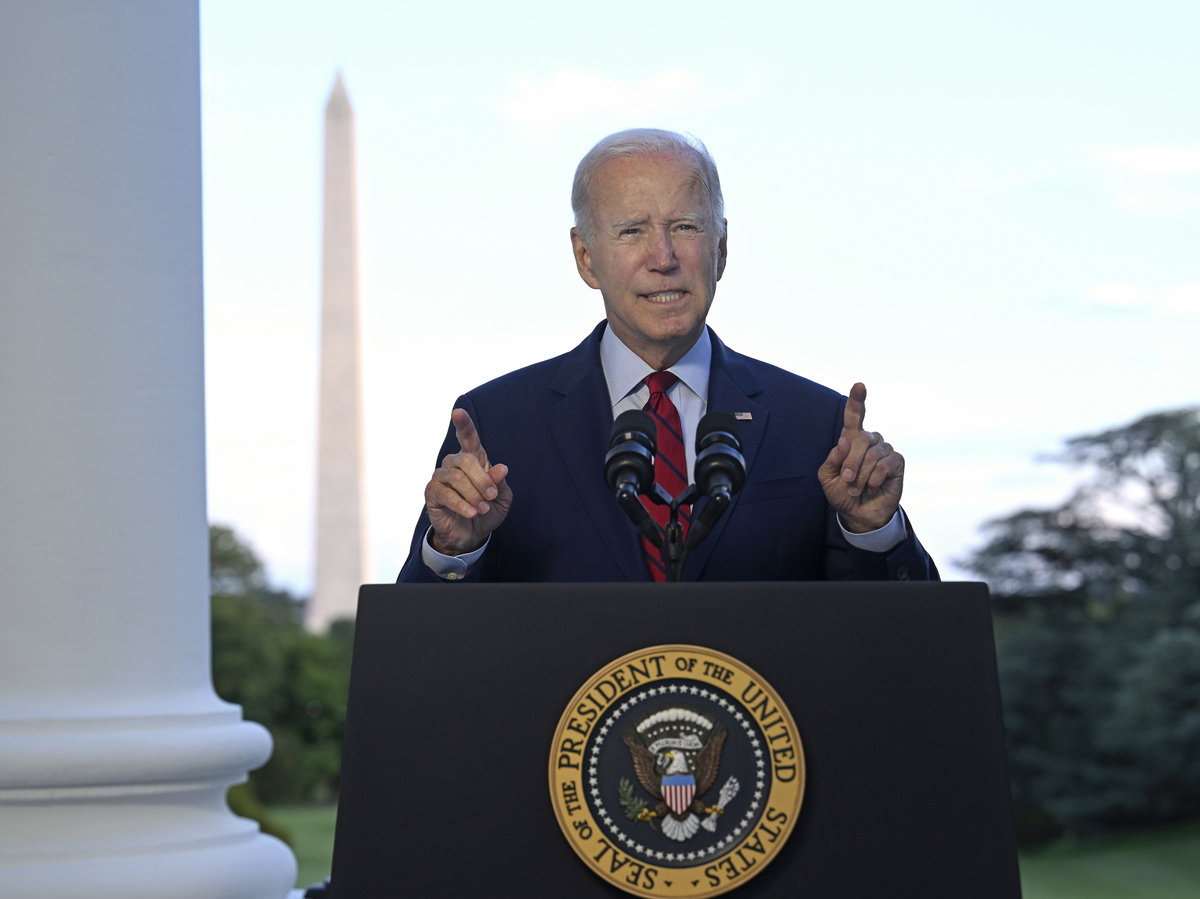
President Biden speaks from the Blue Room Balcony of the White House on Monday as he announces that a US drone strike killed al-Qaida leader Ayman al-Zawahiri in Afghanistan.

Jim Watson/AP


hide caption

toggle caption

Jim Watson/AP


President Biden speaks from the Blue Room Balcony of the White House on Monday as he announces that a US drone strike killed al-Qaida leader Ayman al-Zawahiri in Afghanistan.

Jim Watson/AP

Biden is known to struggle with blunders and flubs in speeches. He’s even sometimes said the opposite of what he means, as noted by a New York Times piece during the 2020 presidential campaign.

For the announcement regarding the killing of al-Zawahiri, Biden (like the two presidents before him) wanted to communicate strength and power, Schwartz said.

Both Obama and Biden showed restraint in the language and description used to explain the killing of al-Zawahiri and bin Laden, Mercieca said.

Both men used the office of the president to sound official and to talk about justice owed to victims of 9/11.

Biden said of al-Zawahiri: “He carved a trail of murder and violence against American citizens, American service members, American diplomats, and American interests. And since the United States delivered justice to bin Laden 11 years ago, Zawahiri has been a leader of al Qaeda—the leader.”

He added: “Now justice has been delivered, and this terrorist leader is no more.”

Presidents do this to “sort of elevate what could be a very crass event, which is that the United States has exacted revenge and murdered someone else,” Mercieca said.

“What Donald Trump did was the opposite. He didn’t try to elevate it,” she said. “Instead, he called the person a ‘dog,’ he very crudely described how they died, and what it meant.”

Categories
US

DeSantis suspends elected Democratic prosecutor who signed pledge on abortion cases

Comment

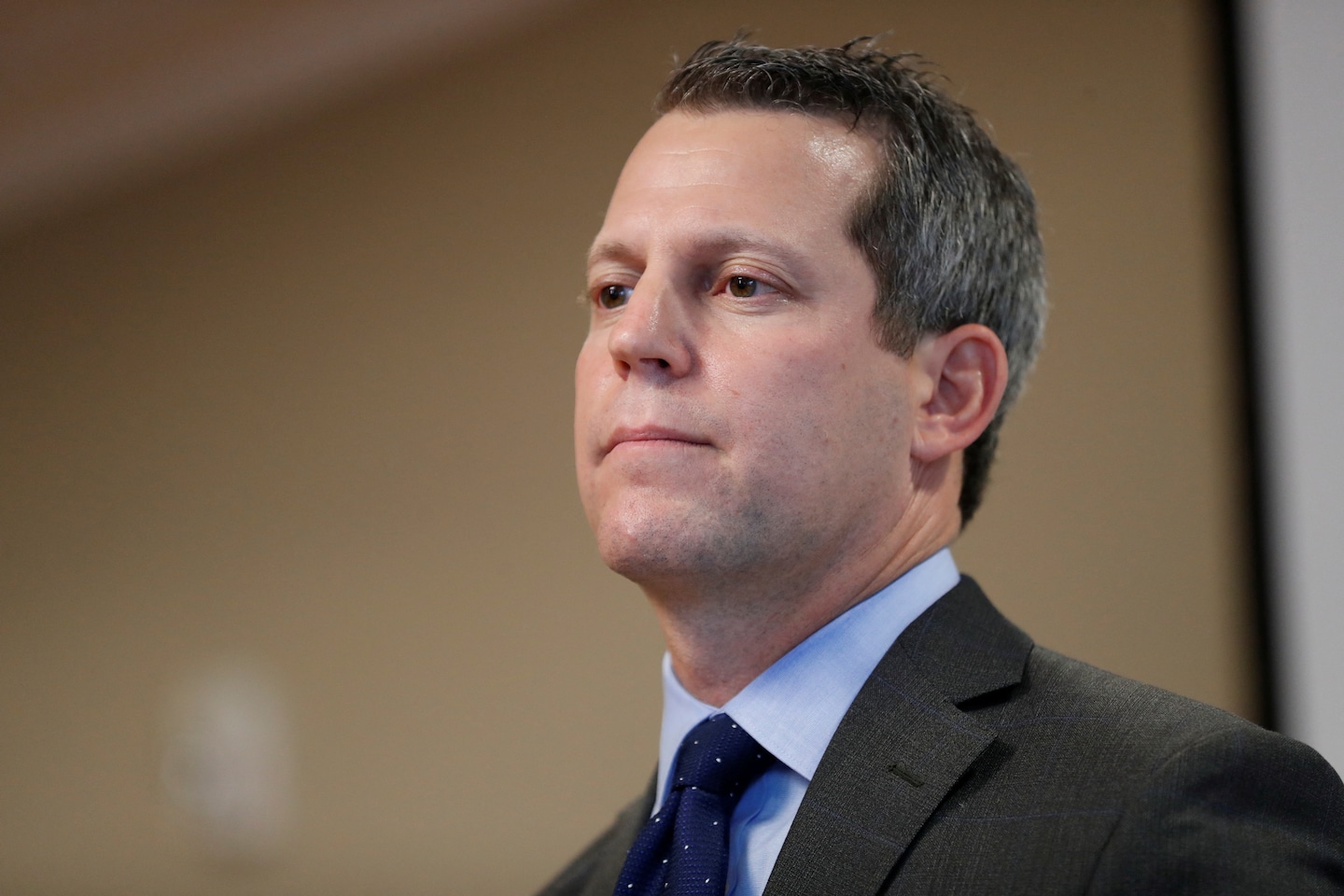
Florida Gov. Ron DeSantis (R) suspended the Tampa Bay area’s top state prosecutor Thursday after he vowed not to prosecute potential crimes related to abortion restrictions or gender-affirming care for minors.

Legal experts described the decision to suspend Hillsborough County State Attorney Andrew Warren (D) as alarming because it appears to be punishing an elected official exercising prosecutorial discretion on issues the governor disagrees with.

“It’s shocking and disturbing behavior,” said University of Miami law professor Tamara Lave. “[Warren is] a democratically elected official put in that office by voters. They elected him twice. If his constituents do not like what he was doing, they have the ability to vote him out of office.

Warren was first elected in 2016, and reelected in 2020. He signed a pledge in June with dozens of other prosecutors from around the country that said they would “refrain from using limited criminal legal system resources to criminalize personal medical decisions.”

Warren signed a similar pledge in 2021 that stated prosecutors would “use our discretion and not promote the criminalization of gender-affirming healthcare or transgender people.”

DeSantis signed into law this year a ban on abortions after 15 weeks of pregnancy with no exceptions for rape or incest. A lawsuit claiming the ban violates the right to privacy in the Florida constitution is being heard on appeal.

While there currently is no ban in the state on gender-affirming surgery, DeSantis said Warren shouldn’t preemptively say he would not prosecute if a law is passed.

DeSantis, surrounded by law enforcement officers at a news conference at the Hillsborough County Sheriff’s Office in Tampa on Thursday, said Warren was trying to “nullify” state laws.

“This prosecutor, this state attorney for this judicial circuit, Andrew Warren, has put himself publicly above the law,” DeSantis said.

DeSantis said Warren had a “very, very troublesome record.”

Warren has taken other actions that DeSantis criticized, including declining to prosecute 67 protesters arrested for unlawful assembly during the demonstrations over the murder of George Floyd by Minneapolis police in 2020.

Warren was also instrumental in helping formerly incarcerated people regain their voting rights after DeSantis signed into law restrictions to a voter-approved constitutional amendment allowing them to register to vote.

Warren also created a conviction review office to examine innocence claims. During a news conference that had been scheduled Thursday before DeSantis suspended him, Warren announced the success of one of those cases. After leading an investigation that in 2020 freed a man wrongly convicted of murder, Warren’s staff continued to pursue the case, and on Thursday he announced that an examination of DNA linked two other men, currently in prison, to that murder, as well as other murders in the area in 1983.

Linda Sheffield, a niece of Linda Lansen, one of the victims, appeared alongside Warren and thanked him for getting justice for her family after four decades.

“I keep saying thank you to him, and he keeps saying no. But it’s true, we need this. We need this here,” Sheffield said. “We also need it all over the state.”

Warren was asked at the news conference what he was doing when he learned that DeSantis had suspended him.

“I was doing the work that I was elected to do as a state attorney,” Warren said. “I was focused on delivering justice to Linda and her family de ella that they’ve been waiting 39 years to get… and I was overseeing the office of 300 people that keeps 1.5 million people safe in Hillsborough County. So the governor wants to do his side show with his cronies of him, I’m the one who’s upholding the law and keeping the community safe. ”

In his order suspending Warren, DeSantis said the prosecutor “demonstrated his incompetence and willful defiance of his duties” when he signed the pledge to “use our discretion and not promote the criminalization of gender-affirming healthcare or transgender people.”

DeSantis supporters in the GOP-led Florida legislature applauded the governor’s move. Incoming state House speaker Paul Renner tweeted that state attorneys “don’t get to choose which laws you uphold … that’s the California way.”

Rep. Fentrice Driskell, leader of the Florida House Democrats, called the suspension “a mean-spirited political stunt.” Driskell, who is from Tampa, said Warren has done a good job as a state attorney.

“Andrew Warren’s statements are well within his prosecutorial discretion,” Driskell said. “I don’t believe the governor has authority to remove him just because of decisions he doesn’t agree with. Voters put Andrew Warren in office. We have a governor who doesn’t respect representative democracy.”

Warren said at the Thursday afternoon news conference that he still considered himself to be the state attorney for the 13th Judicial Circuit, and that he hadn’t read DeSantis’s order suspending him.

“And just based on the governor’s track record with unconstitutional orders, I have a feeling that this is going to be just as unconstitutional as the 15-week ban on abortion, the anti-protest law and [a] dozen other things,” Warren said. “The governor is trying to overthrow the results of a fair and free election. … This is the governor trying to overthrow democracy here in Hillsborough County.”

Categories
US

Key US Senator Sinema agrees to $430 billion drug, energy bill

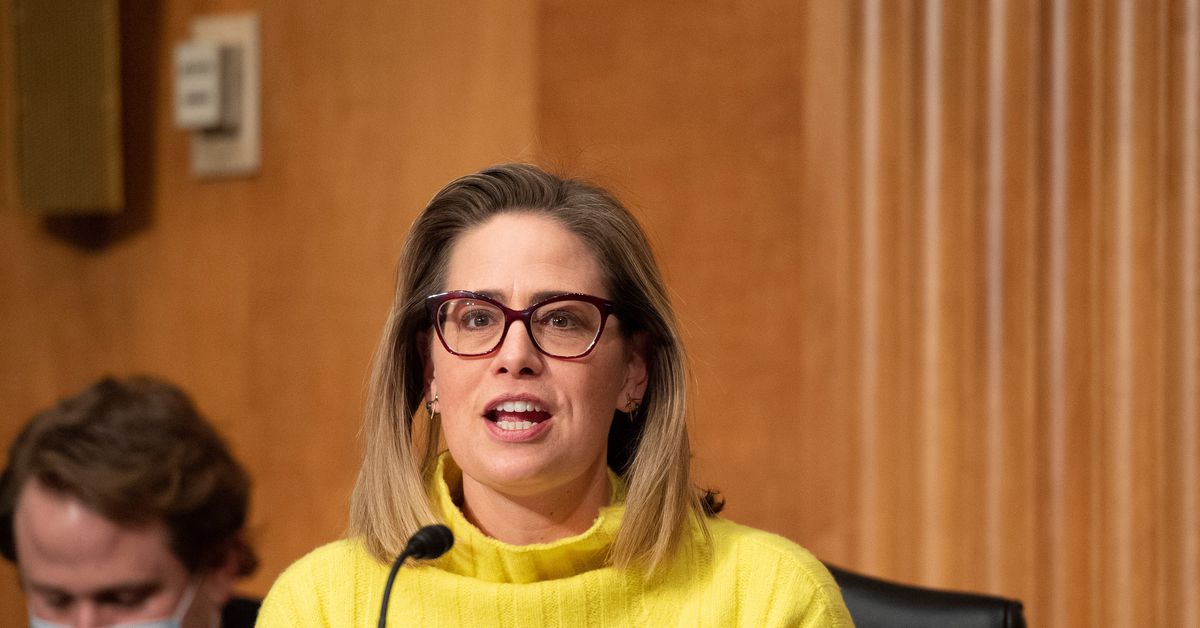
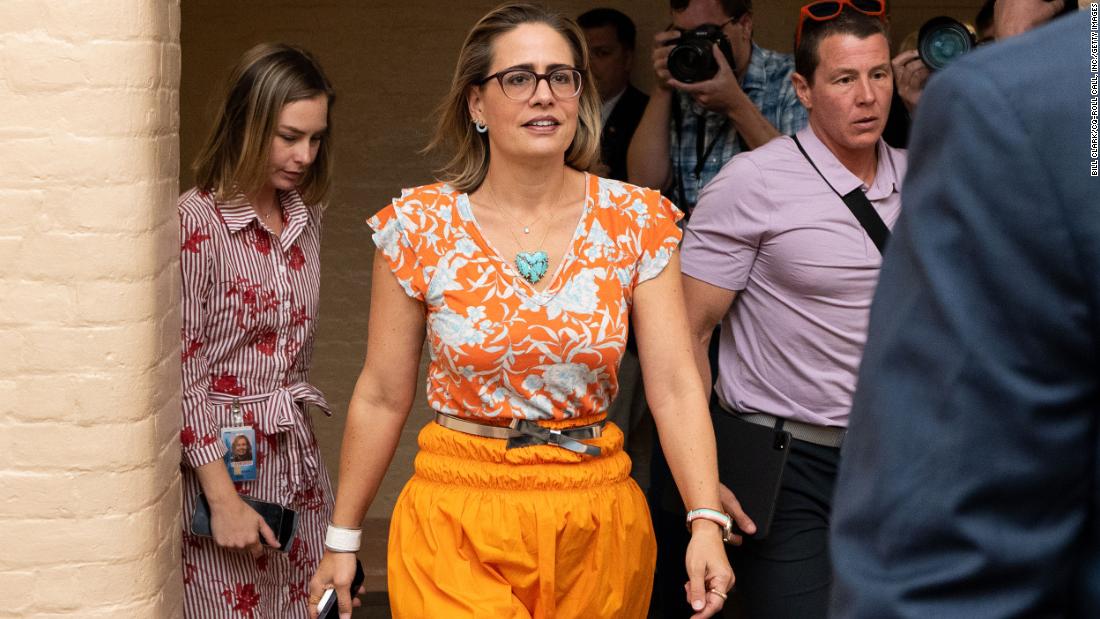
WASHINGTON, Aug 4 (Reuters) – Democratic US Senator Kyrsten Sinema said on Thursday she agreed to “move forward” on a $430 billion drug pricing, energy and tax bill, subject to a Senate arbitrator’s approval of the bill, which Democrats intend to pass over Republican objections.

Senate Majority Leader Chuck Schumer said earlier on Thursday the chamber would convene on Saturday to vote on a motion to proceed and then begin debate on the bill.

The bill known as the Inflation Reduction Act, introduced last week by Schumer and Democratic Senator Joe Manchin, is a key priority for Democrats and President Joe Biden ahead of November’s election battle for control of the US Congress.

Register now for FREE unlimited access to Reuters.com

The act will help people save money on prescription drugs and health premiums, Biden said in a statement on Thursday.

“It will make our tax system more fair by making corporations pay a minimum tax,” he said.

With the 100-seat Senate split 50-50, Democrats plan to pass the bill without Republican support through a parliamentary process known as reconciliation.

But they cannot afford to lose support from a single lawmaker. Sinema’s agreement was a critical breakthrough. Another worry is COVID-19 – senators can only vote in person, so Schumer will need his full caucus to be present and healthy to pass the measure if Republicans remain unified in opposition.

Sinema said she had reached an agreement with other Democrats to remove a provision that would impose new taxes on carried interest. Without the provision, private equity and hedge fund financiers can continue to pay the lower capital gains tax rate on much of their income, instead of the higher income tax rate paid by wage-earners.

She cautioned that her agreement to “move forward” was subject to the review of the Senate parliamentarian. The parliamentarian has to approve the contents of the bill to allow it to move forward through the “reconciliation” process that Democrats plan to use to bypass the chamber’s normal rules requiring 60 Senators to agree to advance most legislation.

Schumer, in a statement, said, he believed he now had the votes to pass the bill.

“The agreement preserves the major components of the Inflation Reduction Act, including reducing prescription drug costs, fighting climate change, closing tax loopholes exploited by big corporations and the wealthy, and reducing the deficit by $300 billion,” Schumer said.

Register now for FREE unlimited access to Reuters.com

Reporting by Scott Malone, Additional reporting by Shivani Tanna in Bengaluru; Editing by Daniel Wallis, Shri Navaratnam and Tom Hogue

Our Standards: The Thomson Reuters Trust Principles.

.