Categories
Technology

Purpose-Driven Leadership: John Graell

When John took over as CEO in 1992, the Chilean company had recently achieved the milestone of processing 13 per cent of all molybdenum in the Western world. Today, its global market share is 37 per cent for molybdenum and 70 per cent for rhenium – both byproducts from copper mining.

In the 90s, the molybdenum market was starting to take off with a big demand from steel, metallurgical, aerospace and chemical industries. And so, over time, Molymet set up operations in Mexico, Germany and Belgium, and established commercial offices in England, Brazil, China and the United States.

“As a young leader, I was attracted by the pioneering spirit of our company and the challenge of driving international expansion. Chile is at the southernmost tip of the world and we needed to be closer to our customers. But I really could not have done it without a huge level of commitment from our employees. We have been able to attract top professionals, which is so essential to our processes, and they really understand our reason for being,” John says.

This is how this company is driven by a purpose that today guides its strategic agenda, where the innovation and development behind its laboratories, with an open management approach, has allowed it to generate value in the search for solutions. “And this second half, full of cultural transformations, has also allowed us to redouble the commitment of all our employees. This is reflected in the low internal turnover rates, the high organizational commitment, together with solid and long-term relationships with our different stakeholders,” he says.

What differentiates Molymet from its global competitors

Molymet transforms raw materials into valuable products for other industries. Therefore, their main business is not mining but the value they add to products.

“Two things set us apart: first, everything we do is based on our objectives so we don’t get side-tracked; and second, we have an incredible team of people who have helped us to develop very specific know-how and skills.”

While his early years were focused on growth, the second half of John’s career has been about consolidation – strengthening Molymet’s industry leadership through innovation and an ongoing search for new business opportunities in strategic metals.

Equally important has been the journey of rethinking the company’s purpose. A quietly-spoken man, John feels that purpose is not something that leaders can impose on people. It has to come from within.

“Everyone who is linked to Molymet around the world knows that we are who we say we are – that we act consistently.” – John Grael

“In defining our purpose, we gathered our teams together to look back at where we had started. Then we looked at the difference we want to make in the world today and the legacy we want to leave for future generations.”

As one of Molymet’s executives, Carolina Lopez, says: “Our purpose was already there, it is not something we suddenly invented, but we had to delve into our history, look at the impact of what we do so that we could put it into words.”

John wanted the purpose written in plain language so that each employee and stakeholder around the world can translate it into their daily decisions and interactions – and this is how it is expressed:

We generate value for the evolution of humanity, through products developed by people who believe in the wellbeing of our planet.

He says it expresses a lived belief of wanting to be a company that makes a lasting difference over time. Its impact is reflected in lower staff turnover and solid relationships with multiple stakeholders. Having a clear purpose has taken Molymet to the next level of maturity and enhanced the integration of sustainability into the business. Its sustainability strategy has already reached 77 per cent compliance and its board has set commitments at an even higher level with their 2030 Sustainability Agenda.

What are the company’s growth plans in the medium to long-term?

Molymet has a substantial market share today, with one-third of the global market and 50 per cent in Western markets, excluding China. But John points out that when you reach a mature market share, growth rates are less important than a focus on constant improvement. He says they are looking at how to replicate their molybdenum business in other metal markets and leverage their expertise more efficiently.

What would be your key business message to face the current times?

Managing a company is about meeting stakeholder needs and expectations. John believes that, more than ever, companies must tangibly demonstrate that people, the communities around plants, suppliers, customers, authorities and the environment are indeed at the center of decision-making.

“Everyone who is linked to Molymet around the world knows that we are who we say we are – that we act consistently. This, of course, goes hand-in-hand with understanding the environmental, social and governance impacts of our business, and we are taking clearly defined steps to address these with sustainability as our guiding goal.”
Categories
Technology

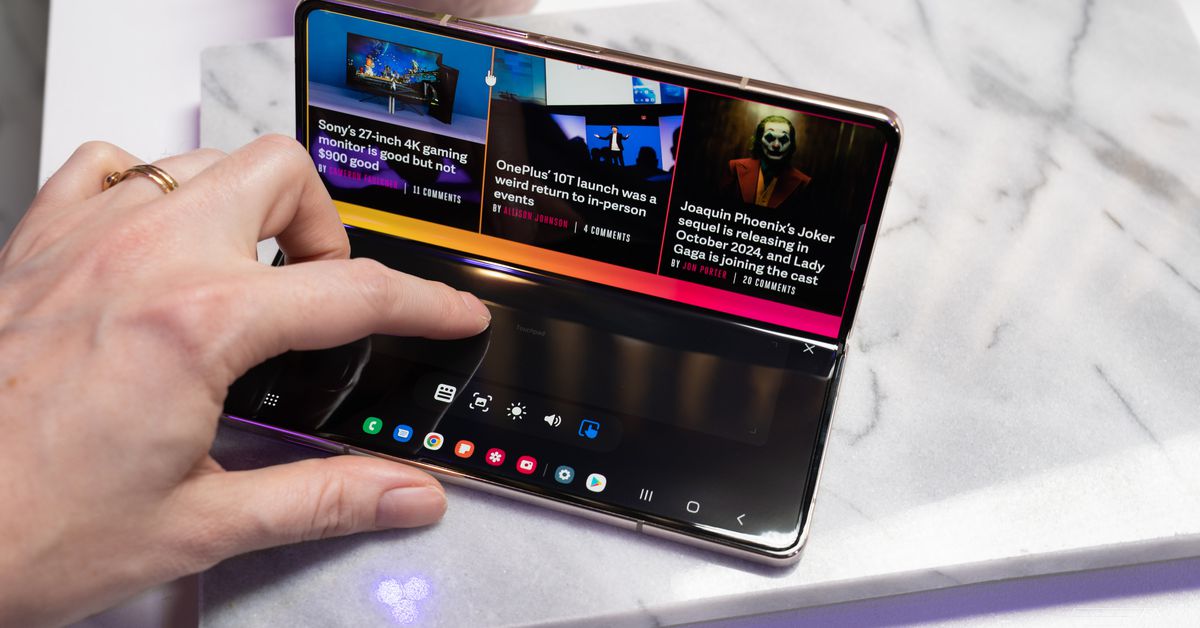
Vergecast: Samsung’s newest foldables and Disney’s prices go up

Every Wednesday and Friday, TheVerge publishes our flagship podcast, The Vergecast, where our editors make sense of the week’s most important technology news. On Fridays, Verge editor-in-chief Nilay Patel, editor-at-large David Pierce, and managing editor Alex Cranz discuss the week in tech news with the reporters and editors covering the biggest stories.

On today’s show, Nilay, David, and Alex are joined by Verge senior news editor Richard Lawler to discuss the foldable phones announced at Samsung’s Galaxy Unpacked event this week: the Z Fold 4 and the Z Flip 4. Samsung basically owns the foldable category in the US, and the devices are getting better with each generation. But do people actually hold on to them? The crew shares their thoughts.

Later on, the topic shifts to the rising cost of Disney’s streaming services. Disney Plus, Hulu, and ESPN Plus will increase $3 per month later this year. With HBO Max on the chopping block and Netflix subscribers dropping, where is the future of streaming headed for consumers?

The Vergecast gets into that and a whole lot more — including Gmail spam-proofing politicians’ emails, Ethereum’s proof-of-stake blockchain, and Google trying to publicly shame Apple into adopting RCS — so listen here or in your preferred podcast player for the full discussion .

Categories
Technology

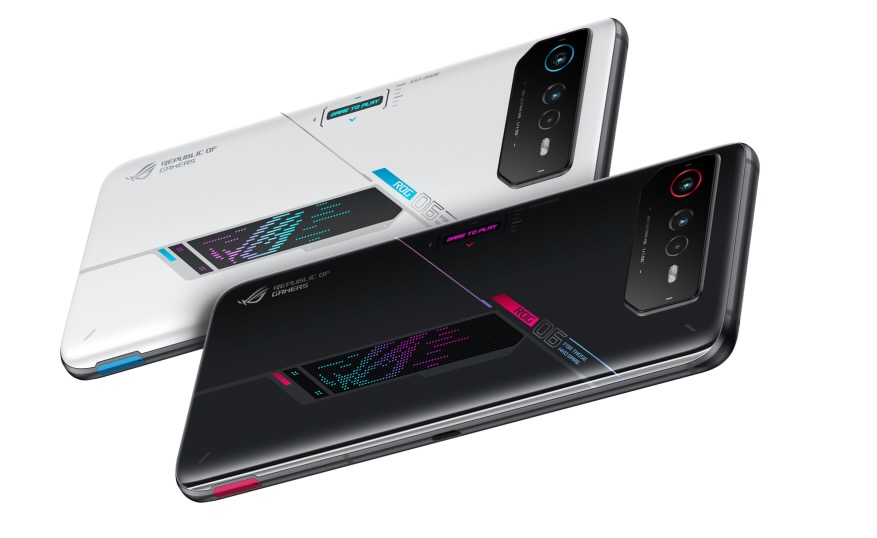
ASUS ROG Phone 6 Series take mobile gaming to an all-new level

ASUS Republic of Gamers (ROG) have announced the pricing and availability of its highly anticipated new high powered gaming devices – ROG Phone 6 series.

ROG Phone 6 and ROG Phone 6 Pro are powered by the latest Snapdragon 8+ Gen 1 Mobile Platform with up to 3.2Ghz CPU clock speeds, up to an incredible 18GB RAM and 512GB storage.

Also on board is an upgraded GameCool 6 cooling system which includes 360-degree CPU cooling technology to dramatically increase heat dissipation.

The device also has a new performance manager so ROG Phone 6 users can tune the performance settings based on the type of games they’re playing to help get that competitive edge.

The ROG Phone series have a 6.78-inch 165Hz AMOLED HDR 10+ display with a 720Hz touchsampling rate and 23ms ultra low touch latency.

The screen provides an unparalleled mobile gaming experience with stunning colors and crisp resolution.

The GameFX audio system aboard the ROG Phone 6 series includes symmetrical 7-magnet dual speakers which fire forward to provide an immersive soundtrack.

The 6000mAh battery offers optimized performance for longer playtime and 65W hypercharge for fast charging when it’s time to power up again.

On the camera side, the ROG Phone 6 has a triple camera system which includes a 50-megapixel main wide-angle camera with improved image quality and HDR processing, an ultra-wide 30-megapixel camera and a macro camera.

The ROG Phone 6 with 16GB RAM and 512GB storage is available in Phantom Black and Storm White and includes Aura RGB lighting on the rear panel.

The ROG Phone 6 Pro with 18GB RAM and 512GB storage is available exclusively in Storm White and includes a color ROG Vision mini display on the back panel.

PRICING

ROG Phone 6 – RRP $1,799, available August at JB Hi-Fi

ROG Phone 6 Pro – $1,999 RRP, available September at JB Hi-Fi

Categories
Technology

Breedlove Guitars are back in Australia

Words by Peter Hodgson

Breedlove Guitars came to prominence right as the Unplugged phenomenon of the ’90s was really taking hold, as even non-acoustic players began to think, “Hmm, maybe I need a really nice acoustic instead of the cheap basher I’ve been dragging to the beach’.

The company’s Concert shape rapidly became a classic, and this distinctive cutaway outline informs the four models in the company’s line-up today.

But for a while it was impossible to buy a Breedlove locally in Australia.

Now Amber Technology has taken on the Breedlove line in Australia, right in time for a new collection designed to reflect the guitar-maker’s commitment to ecologically friendly, sustainable luthiery.

Read all the latest features, columns and more here.

“The team at Amber is pleased to welcome Breedlove Guitars into our musical instrument portfolio,” Amber Technology managing director Peter Amos says. “Breedlove offers guitarists a unique opportunity to combine music with the environment, and we look forward to working with the Breedlove team.”

Designed in Breedlove’s Bend, Oregon HQ with Chief Product Designer Angela Christensen – who apprenticed under company co-founder Kim Breedlove – the ECO Collection is built using exclusively clear-cut free, salvaged, and individually harvested native and exotic tonewoods. Breedlove owner Tom Bedell personally took it upon himself to visit forests the world over to source raw materials from local families, mills, and suppliers, with the aim of preserving and protecting the world’s forest habitats and the communities who strive to peacefully coexist alongside them.

The line is built around a specially formulated laminate featuring a resonant core tonewood layer of clear-cut free, individually harvested African mahogany, rather than the softer, less musical woods used in standard guitar manufacturing. Breedlove says that this, combined with their research into body shapes, allows the company to build to a target tonewood weight. All ECO Collection guitars feature Breedlove’s pinless bridge design.

“For the first time, this new collection allows musicians to play in an environmentally friendly way featuring a solid top guitar with vibrant, renewable, sound enhancing EcoTonewood back and sides,” Breedlove owner Tom Bedell says.

“The new Breedlove Discovery S, Pursuit Exotic S, and all-African mahogany Rainforest S models feature fully sustainable, integrated tonewood technology, meaning that great, affordable, natural sound can be good for the earth, too.”

The Breedlove ECO Collection is arranged into three models at ascending price points. The beginner-friendly Discovery S Series, the Rainforest S Series which Breedlove says is designed to honor the sounds of the Congo River Basin (in multiple finishes including Papillon, Midnight Blue, Black Gold, and Orchid), and the Pursuit Exotic S Series, which features a TUSQ nut and saddle along with the most eye-catching of tops including koa and myrtlewood. Side-mounted Fishman Presys I electronics (with built-in tuner, volume, contour and phase controls) are included.

Amber is of course also importing Breedlove’s USA-Made in Bend instruments, which are handcrafted, handvoiced, and Sound Optimized – Breedlove’s proprietary system for carefully matching tops and backs sanded to weight, not thickness, and tuned to target frequencies for tone, projection, and sustain.

Breedlove was founded in 1990 when pioneering California luthiers Larry Breedlove and Steve Henderson left their jobs at Taylor Guitars in San Diego County and headed for the rural vibe of Tumalo, Oregon, just northwest of Bend, opening a shop in what was basically an old barn . In forging their own identity Breedlove developed advances such as graduated tops, bridge trusses, asymmetrical headstocks, and winged bridges.

The company Two Old Hippies, led by Tom Bedell, bought Breedlove in 2010, after the workshop had already been moved into Bend. A larger facility was opened in 2012 and remains the home of the USA-Made In Bend guitars, crafting around two thousand instruments a year all by hand, by a team of nearly three-dozen craftspeople.

The Breedlove Sound Optimization process is a good example of the innovation that happens behind the scenes so that when you strum a chord, you feel a living, breathing instrument. The process involved experienced luthiers meticulously tapping, listening, and shaving away tiny curls of tonewood to target specific, measurable frequencies to make each instrument hit its tonal sweet-spot.

Each species of wood is carefully milled, weighed and evaluated, tuning backs and tops not only to each other, but with consideration to the specific qualities of each guitar shape. When Christensen designs a guitar, she’s thinking not only of the set of variables that can be controlled by Sound Optimization, but also the unique relationship between an instrument’s body shape and size and the dimension of the soundhole and how those parameters interact with specific pieces of wood.

“Breedlove has continued, really, from the dreams of Larry and Steve,” Bedell says. “Everything we’re doing today is still based on innovation and customization. Those are the themes that inspire us. We’re constantly learning. It’s just this real passion to create the best sounding instruments possible.

“A big part of Breedlove’s history has to do with redefining body shapes. We keep the very first Concert (which Bedell acquired from Larry Breedlove) ever made on display in the lobby!”

The Breedlove ECO Collection is arriving at selected reseller partners now, and Amber Technology will release the Breedlove Made In Bend range later in the year.

Head to Breedlove for more information. For local inquiries, reach out to Amber Technology.

Categories
Technology

Flagship mild-hybrid S8 priced for Oz

AUDI has revealed Australian pricing and details of its flagship mild-hybrid S8 sedan, offering a sharper design, new tech, and the same stonking performance we’ve come to expect.

The luxe limousine sits at the top of the A8 range and will cost Aussie buyers $273,400 plus on-road costs, making it the most expensive Audi on-sale Down Under and a fair chunk of change more than the outgoing model.

The $13,523 price hike over the outgoing model is somewhat justified, as the upcoming S8 scores new digital matrix LED headlights borrowed from the e-tron S, the A8’s 48-volt mild-hybrid system as standard, and a twin-turbo V8 with cylinder deactivation.

“The new Audi S8 is in rarefied air at the pinnacle of our model range,” said Audi Australia director Jeff Mannering.

“The Audi S8 is one of those truly special vehicles that is revered by many, but only owned by a few.”

The new S8 represents Audi’s no-holds-barred attempt at blending luxury with performance, as the car-maker’s top dog sedan since 1994.

“It stands apart for its unique combination of performance, luxury and innovation that is scarcely found anywhere in the market,” said Mr Mannering.

“The refreshed S8 continues this legacy, with new features that will ensure it retains its eminence at the peak of the Audi range, and of the luxury sedan market.”

On the performance front, power comes courtesy of a 4.0-litre TFSI twin-turbo V8 with ‘cylinder on demand’ (CoD), helped along by the S8s mild-hybrid system, producing 420kW of power and 800Nm of torque.

These hefty power figures equate to a 0-100km/h time of 3.8 seconds and electronically limited top speed of 250km/h – plenty of performance for a luxury sedan.

Drive is sent through a tiptronic eight-speed transmission, with quattro all-wheel drive system allowing up to 85 per cent of torque to be sent to the rear treads. Under normal operation. torque is distributed 40:60 front to back but remains variable.

Audi attributes the V8s soundtrack to its 1-3-7-2-6-5-4-8 firing order, funneled through a dual exhaust system that is controlled via the Audi drive select system.

The 48-volt mild-hybrid system can recover up to 8kW of power while coasting or under light throttle openings, as well as providing power for the idle-stop system, equating to a fuel saving of up to 0.8 liters per 100km.

Audi’s CoD cylinder deactivation technology takes fuel savings one step further, allowing the S8 to run on four of its eight cylinders, contributing to the claimed 10.5L/100km combined fuel consumption.

Comfort is a key factor in the S8 and the upcoming model features ‘predictive active suspension’ technology, acting off various sensors and a video camera to constantly adjust the ride.

The S8 is even capable of loading or unloading individual wheels via an electric motor, balancing the chassis to achieve what Audi claims are “physics-defying dynamics”.

A modernized exterior design remains Audi-esque, muscular enough to hint at the S8s performance potential while retaining luxury limousine lines.

Digital matrix LED headlights have been borrowed from the e-tron S as standard, with 1.3 million micromirrors splitting the light into tiny pixels. OLED taillights are standard, which increase visibility based on proximity to trailing vehicles.

Occupants are treated to the same level of luxury they will be used to in the outgoing S8, but a new digital TV complements the well-appointed infotainment offering.

Audi’s latest safety tech is fitted to the S8, with park assist, 360-degree cameras, and all the usual driver safety aids.

Particularly handy, is Audi’s pre-sense technology that will raise one side of the vehicle to mitigate impact in the event of a side collision. Another new addition is night vision assist, which uses the digital matrix LED headlights.

.

Categories
Technology

Sneaky iPhone 14 Decision, Latest Mac Mini Delay, Google’s iMessage Fight With Apple

Taking a look back at another week of news and headlines from Cupertino, this week’s Apple Loop includes Apple’s powerful iPhone 14 Pro decision, increased iPhone 14 orders, the second Mac Mini is delayed, important iOS changes, USB-C for AirPods Pro, Apple slows acquisitions, and Google challenges aim at iMessage.

Apple Loop is here to remind you of a few of the very many discussions that have happened around Apple over the last seven days (and you can read my weekly digest of Android news here on Forbes).

Will Apple Perform Some Sleight Of Hand Games Over iPhone 14 Chip?

March saw news leak that Apple would be restricting the new A16 chip for the iPhone 14 Pro and Pro Max models, leaving the smaller and cheaper iPhone 14 and 14 Max models to last year’s A15. That would create a bit of a marketing quandary with no Apple Silicon annual update.

Industry insider LeaksApplePro has suggested a potential solution; we might see some sleight of hand over the branding, with the appearance of a tweaked A15 badged as the A16 chipset for the lower specced iPhones and an A16 Pro for the more expensive models. Forbes’ Gordon Kelly reports:

“Speaking to me [LeaksApplePro said] Apple is fixed on using the iPhone 13’s year-old A15 chipset in its standard iPhone 14 models… “The iPhone 14 has the A15 even though Apple will call it A16,” explains LeaksApplePro. “The 14 Pro has the real A16 [tipped to be called the ‘A16 Pro’]; there are a lot of differences.”

(Forbes).

More iPhones Heading Your Way

Nonetheless, Apple is hopeful for an upswing in iPhone sales, with production orders bumped up ahead of the September launch:

“A Taiwanese report says that Apple had told its suppliers to increase initial iPhone 14 production from 90M units to 95M, an increase of more than 5%. In response, lead iPhone assembler Foxconn is said to have substantially increased its recruitment bonus for iPhone workers .”

(United Daily News via 9to5Mac).

Mac Mini The Second

The M1 Mac Mini was launched alongside the M1 MacBook Air and MacBook Pro. Many wondered if the Mac Mini would follow the MacBook Pro with its own M1 Pro version – a scenario that has yet to happen. Indications are this model was planned but has been cancelled. Instead, the Mac Mini is going straight to the M2 Apple Silicon later this year, with a base M2 and a more powerful M2 Pro being prepared:

“Apple’s new M2 chip will power the updated Mac Mini, while the Pro version will include an as-yet unreleased M2 Pro chip with eight performance cores and four efficiency cores. This M2 Pro will, we assume, have significantly improved graphics over the M2 with extra GPU cores.”

(DigitalTrends).

How Much Battery Has Your New iPhone?

Another round of developer betas for iOS (and macOS) sees more tweaks and stability changes in the code. In addition, some UI changes will benefit consumers. It may have taken several beta versions to get there, but it will be there for the public launch of the iPhone 14:

“For the first time since the debut of Face ID iPhones, notched iPhone users can now view the battery percentage in the status bar — thanks to iOS 16 beta 5. Though, the feature seemingly doesn’t work on the iPhone XR, iPhone 11 , iPhone 12 Mini, and iPhone 13 Mini.”

(XDA Developers).

Who Is Listening About USB-C Charging

The tide of USB-C charging is turning, with European legislation and discussion in the US putting Apple’s lightning port on notice. One product that may soon join the move to the port are the AirPods Pro. While that may not happen with the AirPods Pro 2 when they launch, a USB-C-equipped charging case may be available in the future:

“Many people have been clamoring for Apple to switch to USB-C, but that apparently won’t happen with AirPods Pro 2. According to a recent tweet by TF International Securities analyst and leading Apple tipster Ming-Chi Kuo, AirPods Pro 2 May not ship with USB-C charging cases.However, even though AirPods Pro 2 could stick to Lightning, Kuo claims that Apple is planning to launch USB-C charging cases for all AirPods models next year.”

(ScreenRant).

Apple Slows Acquisitions

With the economy slowing down, Apple has also slowed down the rate it acquires companies and brings them into the mothership. Perhaps it has all the features it needs for the future, maybe the rapid expansion with Apple Silicon is slowing down, or maybe there’s nothing interesting that fits Apple’s future plans?

“Apple Inc., which used to acquire a company every three or four weeks, has dramatically slowed its dealmaking in the past two years, a sign the tech giant is being more choosy in the face of a shaky economy and heightened government scrutiny. The company spent just $33 million on payments connected to acquisitions in its last fiscal year and $169 million in the first nine months of the current year, according to regulatory filings. That’s down from $1.5 billion in fiscal 2020.”

(Bloombergs).

And Finally…

Google has been subtly pushing its agenda of bringing the RCS messaging standard across all smartphones and platforms. One of the biggest hold-outs in this look towards universality is Apple, whose iMessage proprietary methods remain at the forefront on the iPhone. Jon Porter looks at the reasons Apple may well be reluctant to adopt RCS:

“So, will Google’s new publicity campaign finally be the thing that pushes Apple to see the light and roll out RCS support on its phones? Given the huge incentives Apple has for not playing ball, I have to say the search giant’s chances don’t At this point, Apple adopting RCS feels about as likely as the US collectively ditching iMessage and moving to an encrypted cross-platform messaging service like WhatsApp or Signal.”

(TheVerge).

Apple Loop brings you seven days worth of highlights every weekend here on Forbes. Don’t forget to follow me so you don’t miss any coverage in the future. Last week’s Apple Loop can be read here, or this week’s edition of Loop’s sister column, Android Circuit, is also available on Forbes.

.

Categories
Technology

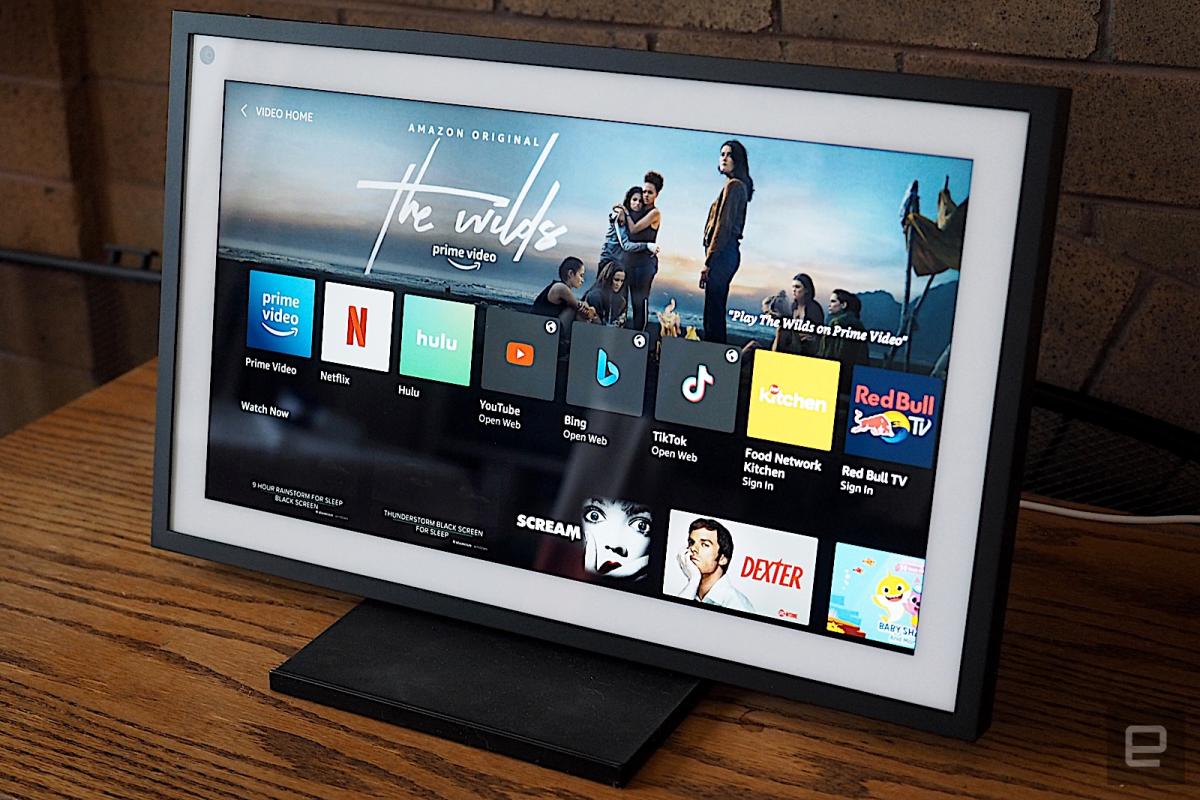
Amazon brings Echo Show 15’s photo frame feature to all models

Amazon’s Echo Show 15 comes with a digital photo frame picture that enables it to display only photos or artwork, uninterrupted by random Alexa skill suggestions, recipes or your schedule. Only the 15.6-inch had that feature, though — until now. According to TheVergethe e-commerce giant has recently added its dedicated photo frame feature to all Echo Show Models in the US, the UK, Canada, Germany, France, Italy, Spain and Australia.

The Verge says you can activate the slideshow by saying the voice command: “Alexa, start Photo Frame.” Your smart display will then start a slideshow using the contents of your Amazon Photos and your Facebook account. It can also display a random selection of stock images if you’ve yet to upload your personal photos or have yet to link your accounts with the device. Don’t worry: You can choose which album the feature uses for the slideshow under device settings if there are certain images you’d rather not show everyone else in your home.

The photo frame mode hides all the other elements you usually see on an Echo Show display, including the weather. All you’ll see are the images themselves and a small note on when they were taken and which album they’re from. The said, the slideshow only lasts uninterrupted for three hours, after which you’ll have to activate it again to turn your device into a digital photo frame.

Categories
Technology

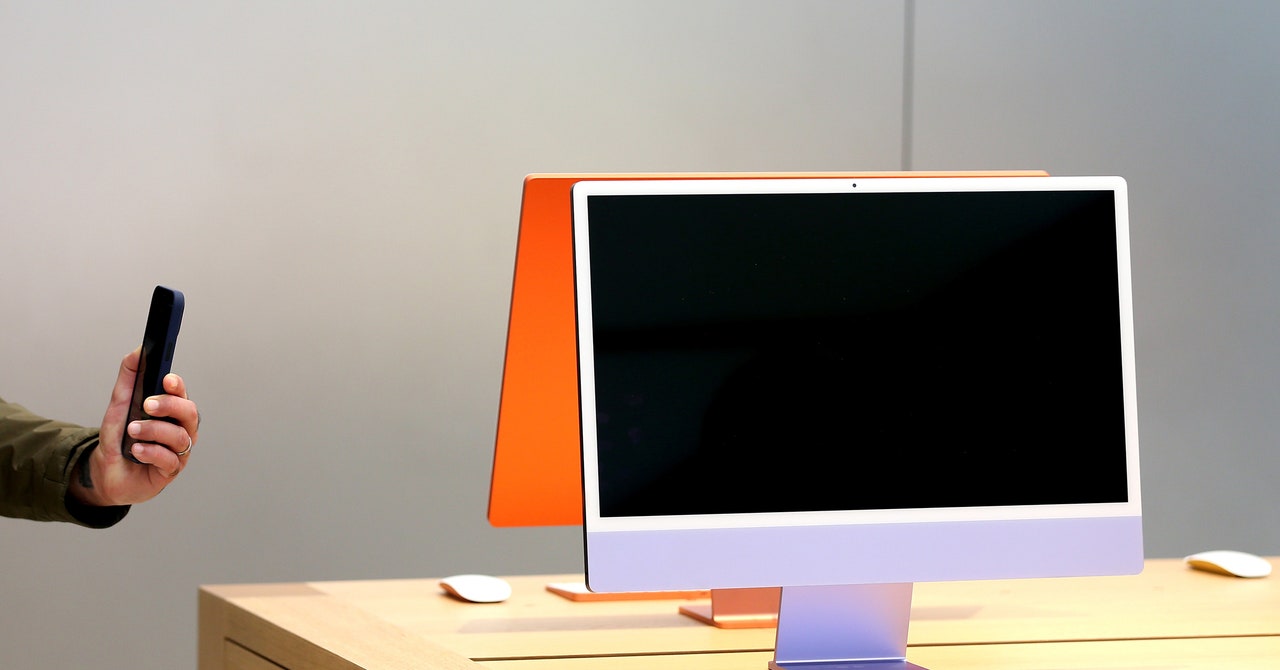
A Single Flaw Broke Every Layer of Security in MacOS

Every time you shut down your Mac, a pop-up appears: “Are you sure you want to shut down your computer now?” Nestled under the prompt is another option most of us likely to overlook: the choice to reopen the apps and windows you have open now when your machine is turned back on. Researchers have now found a way to exploit a vulnerability in this “saved state” feature—and it can be used to break the key layers of Apple’s security protections.

The vulnerability, which is susceptible to a process injection attack to break macOS security, could allow an attacker to read every file on a Mac or take control of the webcam, says Thijs Alkemade, a security researcher at Netherlands-based cybersecurity firm Computest who found the flaw. “It’s basically one vulnerability that could be applied to three different locations,” he says.

After deploying the initial attack against the saved state feature, Alkemade was able to move through other parts of the Apple ecosystem: first escaping the macOS sandbox, which is designed to limit successful hacks to one app, and then bypassing the System Integrity Protection (SIP ), a key defense designed to stop authorized code from accessing sensitive files on a Mac.

Alkemade—who is presenting the work at the Black Hat conference in Las Vegas this week—first found the vulnerability in December 2020 and reported the issue to Apple through its bug bounty scheme. He was paid a “pretty nice” reward for the research, he says, although he refuses to detail how much. Since then Apple has issued two updates to fix the flaw, first in April 2021 and again in October 2021.

When asked about the flaw, Apple said it did not have any comment prior to Alkemade’s presentation. The company’s two public updates about the vulnerability are light on detail, but they say the issues could allow malicious apps to leak sensitive user information and escalate privileges for an attacker to move through a system.

Apple’s changes can also be seen in Xcode, the company’s development workspace for app creators, a blog post describing the attack from Alkemade says. The researcher says that while Apple fixed the issue for Macs running the Monterey operating system, which was released in October 2021, the previous versions of macOS are still vulnerable to the attack.

There are multiple steps to successfully launching the attack, but fundamentally they come back to the initial process injection vulnerability. Process injection attacks allow hackers to inject code into a device and run code in a way that’s different from what was originally intended.

The attacks are not uncommon. “It’s quite often possible to find the process injection vulnerability in a specific application,” Alkemade says. “But to have one that’s so universally applicable is a very rare find,” he says.

The vulnerability Alkemade found is in a “serialized” object in the saved state system, which saves the apps and windows you have open when you shut down a Mac. This saved state system can also run while a Mac is in use, in a process called App Nap.

.

Categories
Technology

Xbox, PlayStation and the new normal subscription

It’s been more than a month since PlayStation Plus Premium went live, cementing the video game industry’s shift toward cloud gaming and subscriptions. PlayStation’s game-streaming scheme is competing directly with Xbox Game Pass, the service that provided the concept by earning more than 25 million subscribers over the past five years, leveraging Microsoft’s massive cloud network.

As the two main console manufacturers and the owners of huge franchises, Sony and Microsoft set the stage for the rest of the video game marketplace, and the transition to streaming subscriptions is no different. Here we’ll break down what they’re each offering and take a look at the industry from the perspective of the cloud.

PlayStation Plus has three tiers: Essential, Extra and Premium. Essential costs $10 a month or $60 a year, and it’s basically the PlayStation Plus you’re used to, offering three games to download each month, access to online multiplayer features, cloud storage and discounts. PS Plus Extra costs $15 a month or $100 a year, and has everything in the Essential tier plus a library of up to 400 downloadable PS4 and PS5 games.

PS Plus Premium costs $18 a month or $120 a year, and adds up to 340 games from past PlayStation consoles. This is also the tier that unlocks cloud gaming, supporting more than 700 titles and adding the ability to stream or download games from older eras. This tier actually replaces PlayStation Now, Sony’s often-underwhelming cloud gaming service that launched on PS4. With PS Plus Premium, cloud gaming is available on PS4, PS5 and PC, but not on mobile devices.

PSPlus

PSPlus

That’s one difference between Sony and Microsoft’s approach, as Xbox titles are playable on mobile devices as well as consoles and PC. But the bigger distinction is the type of games that are available on each network. Sony doesn’t plan on adding big exclusive games like forspoken or God of War Ragnarok to Plus on day one, meaning subscribers will have to buy these titles separately if they want to play right away. On the Xbox side of things, Game Pass Ultimate offers a streaming library of more than 300 titles, and it includes big first-party drops like halo-infinite on release day. That’s significant, considering Xbox owns influential studios including Bethesda and id Software, and it’s in the process of acquiring Activision Blizzard. Xbox offering the next Doom or Elder Scrolls on day one is a bigger draw than Sony offering strayeven if Stray is the most adorable game of the year.

Xbox has been the loudest proponent of cloud gaming in the console space, and with the support of a robust network from Microsoft and years of public testing, Game Pass has set the standard when it comes to subscription services. Game Pass has PC-only and console-only tiers providing access to a library of more than 300 downloadable games for $10 a month, while Game Pass Ultimate unlocks cloud play on PC, mobile and Xbox consoles for $15 a month. Assuming you pay for PS Plus Premium up-front, this puts the annual price of Game Pass Ultimate ahead of Premium by $60 – which is roughly what it’ll cost PlayStation subscribers to buy one of those first-party Sony games, so it all shakes out in the end.

Microsoft Xbox Series S

Microsoft Xbox Series S

Xbox has been steadily building the foundation for an industry that isn’t limited by hardware, relying on cloud gaming rather than console generations, while Sony still seems married to the idea of ​​hardware cycles and more traditional game sales. Despite being there first with PlayStation Now, when it comes to streaming, Sony is playing catch-up to Microsoft, but it still has plenty to offer in the form of classic games and new exclusives. Cloud play is here to stay and it’s possible that other services like Steam and the Epic Games Store will follow Xbox and PlayStation’s lead in the coming years. Nintendo is bringing up the rear in terms of online, cloud, and anything resembling 21st century technology, but it has an unrivaled back catalog and Switch Online unlocks a number of NES, SNES and N64 games.

This isn’t about any one service being better than the others. This is about adjusting to the new normal for video games, where your money won’t be spent on a $60 disc or a discrete download code, but will instead be spread among streaming services with individual purchases on the side. We’re used to this idea when it comes to TV and movies, and streaming technology is almost reliable enough to make it the standard in gaming.

These are the new calculations we’ll be running each month: Do I value Game Pass Ultimate over Netflix? Or PS Plus Premium over Spotify? New subscription services pop up almost weekly; something’s gotta give.

Categories
Technology

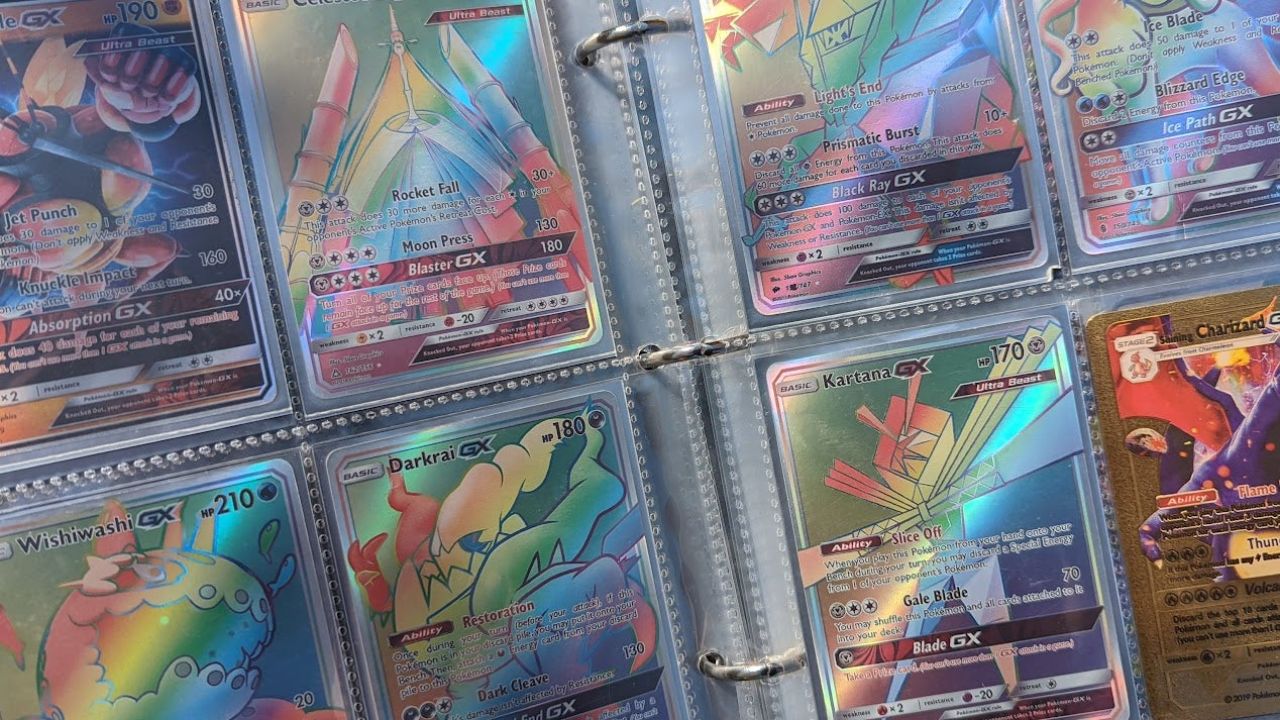
$AU98,252 Pokémon Card Thief Hid Them At Mum’s House

A warehouse worker for one of the UK’s biggest collectable card-selling companies was found guilty last week of stealing over $US70,000 ($97,174) of Pokemon cards, and then hide them in…his mum’s house.

Over the last few years, Pokémon cards have become a hot commodity, with specific cards fetching extraordinary prices at auction. Even recently out-of-print card packs can fetch large numbers, and this has led to an increasing number of stories about theft of the valuable cardboard. The Pokémon Company has attempted to address this by printing billions more cards, but it seems they remain a strong temptation to thieves.

Kyriacos Christou worked in the warehouse for Magic Madhouse Ltd, an online store for CCG and tabletop gaming, based in Enfield, North London. Over a series of months, he stole an increasing number of Pokemon cards, becoming ever more brazen in his thefts, Magic Madhouse’s owner Michael Duke told Kotaku.

“He would take cards out of boxes, and put them in his pocket, Duke explained. “We didn’t have any CCTV in the premises at the time, so if he was isolated he was using it as an opportunity to grab things.” This included individual cards, booster packs, and booster boxes, the latter worth anything from $US100 ($139) to $US1,000 ($1,388). “I have aimed at the higher rarity stuff, a lot of promotional stuff. We were in the process of re-cataloguing our cards, and we were halfway through Pokemon, so we hadn’t quite finished cataloging the whole range. Initially, he was aiming at cards we hadn’t finished cataloguing.”

ReadMore: The Top 12 Most Valuable Pokémon Cards In History

But as time went on, Christou became less careful, and starting stealing cards for which they had specific records. “The stuff that was going missing was stuff that was out of print,” Duke detailed to Kotaku. “Evolutions was going missing, they’re almost four-digits a box.”

Once the thefts were getting noticed, Duke says he was able to pinpoint specific things that were going missing, and started looking on eBay for the missing items. “I stumbled across this eBay store,” he told us, “and looking what the person had up for sale, and looking for things [missing from] our inventory, and I found discrepancy after discrepancy.” Duke went on to work out which areas of the warehouse were seeing the highest amount of theft, and set up secret cameras. “Less than twelve hours later, I caught the person stealing.”

Photo: KotakuPhoto: Kotaku

The court case, originally reported by The Daily Star, revealed that Christou’s eBay store had sold one booster box for £520 ($US630 ($875)), as well as a collection of 22 rare holos for £450 ($US545 ($757)). A single first-edition Lugia went for $US1,200 ($1,666).

All the cards were being kept in Christou’s mother’s house, which was also shared by Christou’s brother, a Pokemon YouTuber. According to the Starthere were over half a million Pokemon cards in the house. Duke said the police told him, “There were cards everywhere, all over the house. In the living room, kitchen, everywhere.” This complicated things, because it made it hard for the police to know which cards were stolen, and which belonged to his brother. So the police focused on Christou’s bedroom and the cards found there.

After pleading guilty, 28-year-old Christou was given a 16-month suspended sentence, meaning he’s spared jail time on the condition that he re-pays £6,000 ($US7,270 ($10,092)) within 28 days of the sentencing, as well as completing 175 hours of unpaid work, and doesn’t reoffend for the next two years. He also went to some effort to return cards he hadn’t yet sold, including the rarest stolen item, one of 32 cards given to winners during a World Championship Pokemon game. This, apparently, swayed the judge away from giving him immediate jail time. This is something Duke says he’s happy with. “It was a massive weight off my shoulders,” he told us. “I’ve been rewarded some compensation for losses. I’ve managed to secure a bunch of cards back. And while not being anywhere near perfect, it’s probably the best I could have hoped for.”

This doesn’t mean Duke came out even. When I asked how much he thinks he lost, he replied, “25, maybe £30,000.” ($36,353 ($50,465)). But it seems to be the emotional toll that has worse affected the business owner. “I’m doing better now,” he told Kotaku. “For several weeks after, it affected me quite badly. I wasn’t able to focus, I wasn’t able to sleep properly, I had bad trust issues. Then I thought I got better, but I realized I was suffering from other things as well. I’ve been using the Apple Health app on my phone a lot more recently, and I can start to see all the trends. ‘Ah, that’s when this started happening. And that’s when Este started happening.’ It’s honestly been a real struggle.”

With the court case over, and now the warehouse has security cameras and other measures in place to prevent something similar from happening again, Michael Duke says he hopes to find some closure.

Given Magic Madhouse is an officially recommended reseller by PokemonI figured it would be a good idea to also ask Duke if he thought the recent crazy prices for Pokemon cards would continue. “I think it’s settled down now,” he explains. “The recent craze died off at the start of this year. Now there’s a remarkable disparity, some people selling a card for £150, others selling it for £500. It’s harder to price cards, but I think you find the same in a lot of collectable markets.”