Categories
Technology

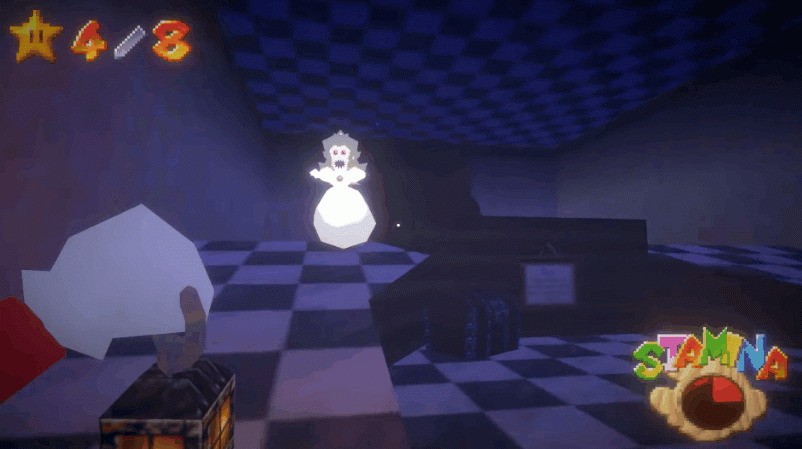
Super Mario 64 Becomes A First-Person Horror Game

A guy gets a mysterious letter from his girlfriend, arrives at a castle to find her missing, and loads of rooms full of monsters…it’s the setup to 1996’s classic Super Mario 64sure, but it’s also very much also a survival horror pitch, which is why this new fan-made project is such a perfect fit.

Via nintendo lifethis is Another Princess Is In Our Castle“a Super Mario 64 inspired horror experience”, where you “decide to come back to Peach’s castle a few years after the princess’ death, but something isn’t quite right…”

While this looks like a first-person mod it’s actually an entirely fan-made project from the ground up, designed with the perspective in mind, and while it’s currently just a short playable demo, its creator Claudio Mondin hopes to eventually flesh it out into something more substantial.

Here’s a trailer made by Mondin:

And here’s some gameplay footage, showing how the main point is to sneak around the castle collecting items, all the while trying to avoid a Princess who is definitely not peachy:

Like Mondin says, it’s pretty much just a demo, so don’t go expecting too much out of it outside of some sneaking (and the very cool novelty of it). I’m going to play some more later today though just to see what the promised mystery really is though (hopefully the ghost is just upset that her cake turned out dogshit).

You can download the demo and play it yourself here. I don’t want to hear anything about lawyers in the comments, either, just go and enjoy something cool that a fan made.

Categories
Technology

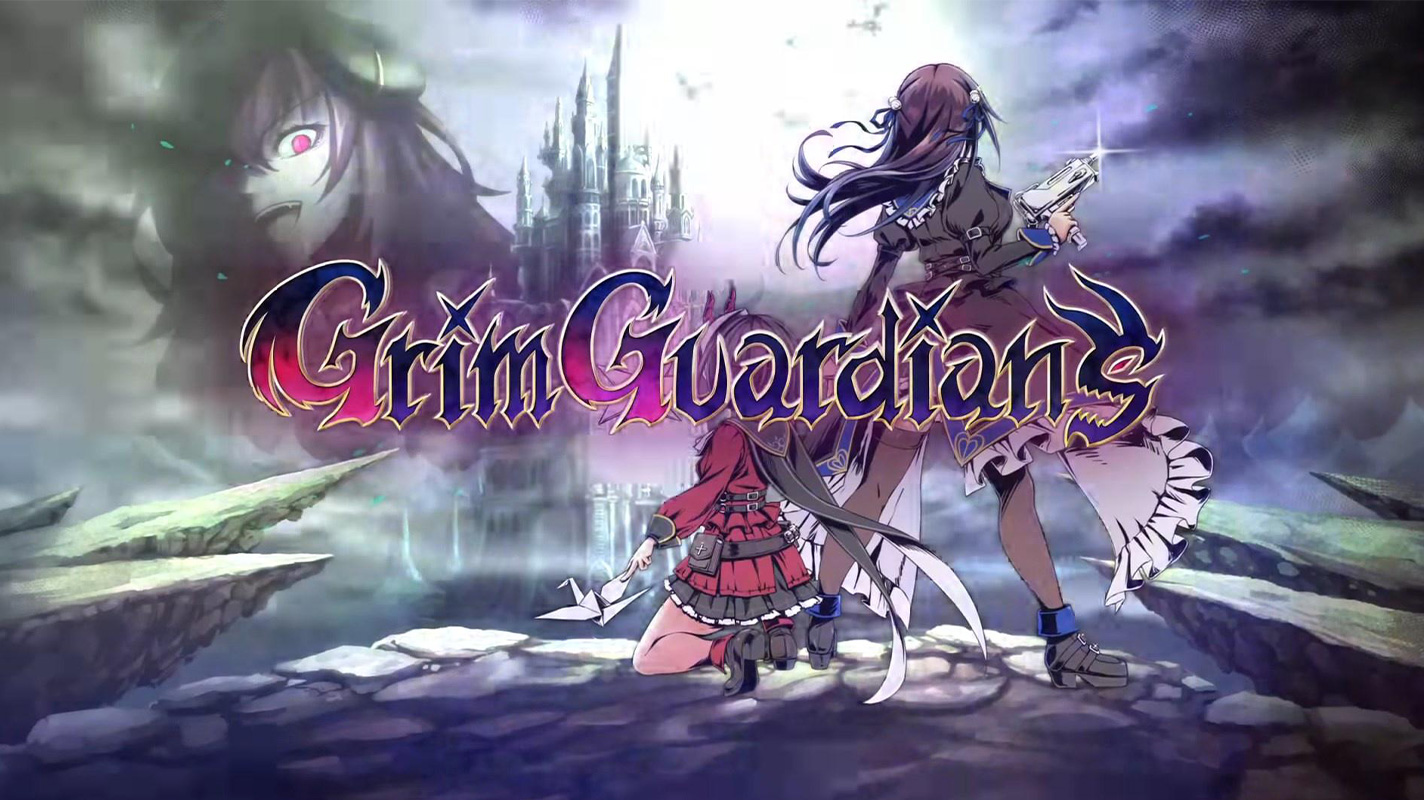
Inti Creates announces new gothic action platformer Grim Guardians

Right off the back of their latest release, the long-awaited Azure Striker Gunvolt 3, Inti Creates has decided not to rest on its laurels.

Grim Guardians: Demon Purge is an all-new 2D action platformer that looks to be taking influence from all of Inti Creates’ greatest hits. It’s got very Castlevania-like gothic horror themes, much like Bloodstained Curse of the Moon, and some absolutely stunning-looking gameplay, comprising of a duo of instant-swappable characters — Shinobu Kamizono, a Mega Man/Gunvolt-style long-range shooter , and Maya Kamizono, a Mega Man Zero-style close-up brawler. The game also features two-player co-op, which lets two players each take control of one of the characters to use their skills simultaneously, rather than one at a time. It all looks incredibly spectacular (and as a side note, the revive animation for co-op is extremely funny).

We don’t know exactly when Grim Guardians will be releasing, but when it does it’ll be available on Switch, as well as pretty much every other platform under the sun.

When a demon’s castle darkens the land, two sisters challenge its halls. Together they can break the curse. Development has begun on a 2D action platformer starring two demon hunters on a mission to save their school!

Players take control of the two sisters with different attacks and capabilities to challenge the demon castle and the bosses waiting within. Discover new routes through the castle using the sisters’ unique abilities! The stars of Grim Guardians are the long-distance focused “Shinobu Kamizono” and the close-range brawler “Maya Kamizono.” Players will need to consider the situation when choosing which sister to control as they make their way through the castle, investigating the mystery of what happened to their school and its students.

Other features include 2-player co-op with special actions, extensive difficulty options with the “Style System,” unique changes on repeat plays, and most importantly the quality and challenge players have come to expect from Inti Creates titles, this time with a new gothic horror aesthetic.

Inti Creates

Categories
Technology

Made in Abyss: Binary Star Falling into Darkness details game-original story character appearances, Notebook

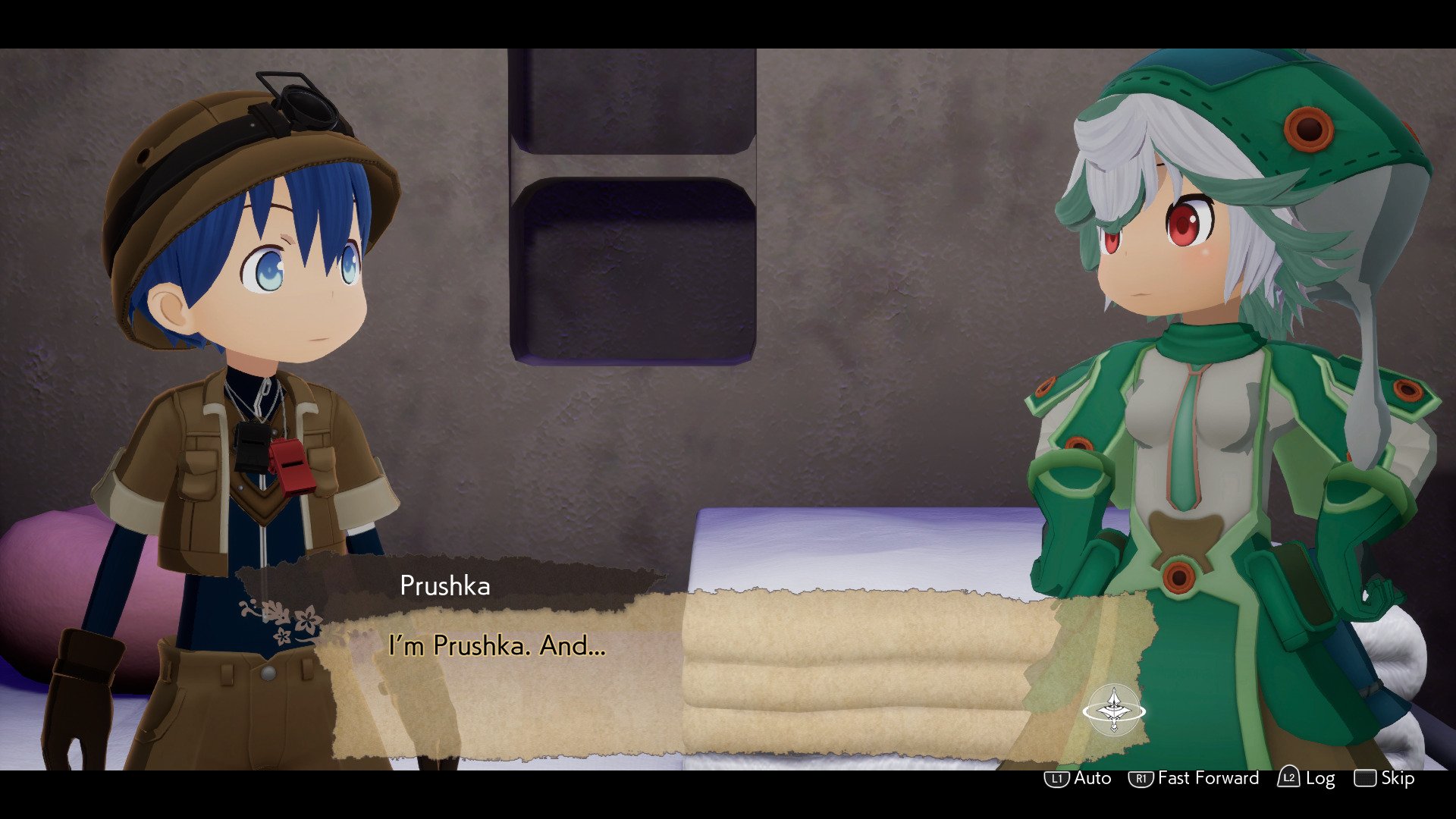
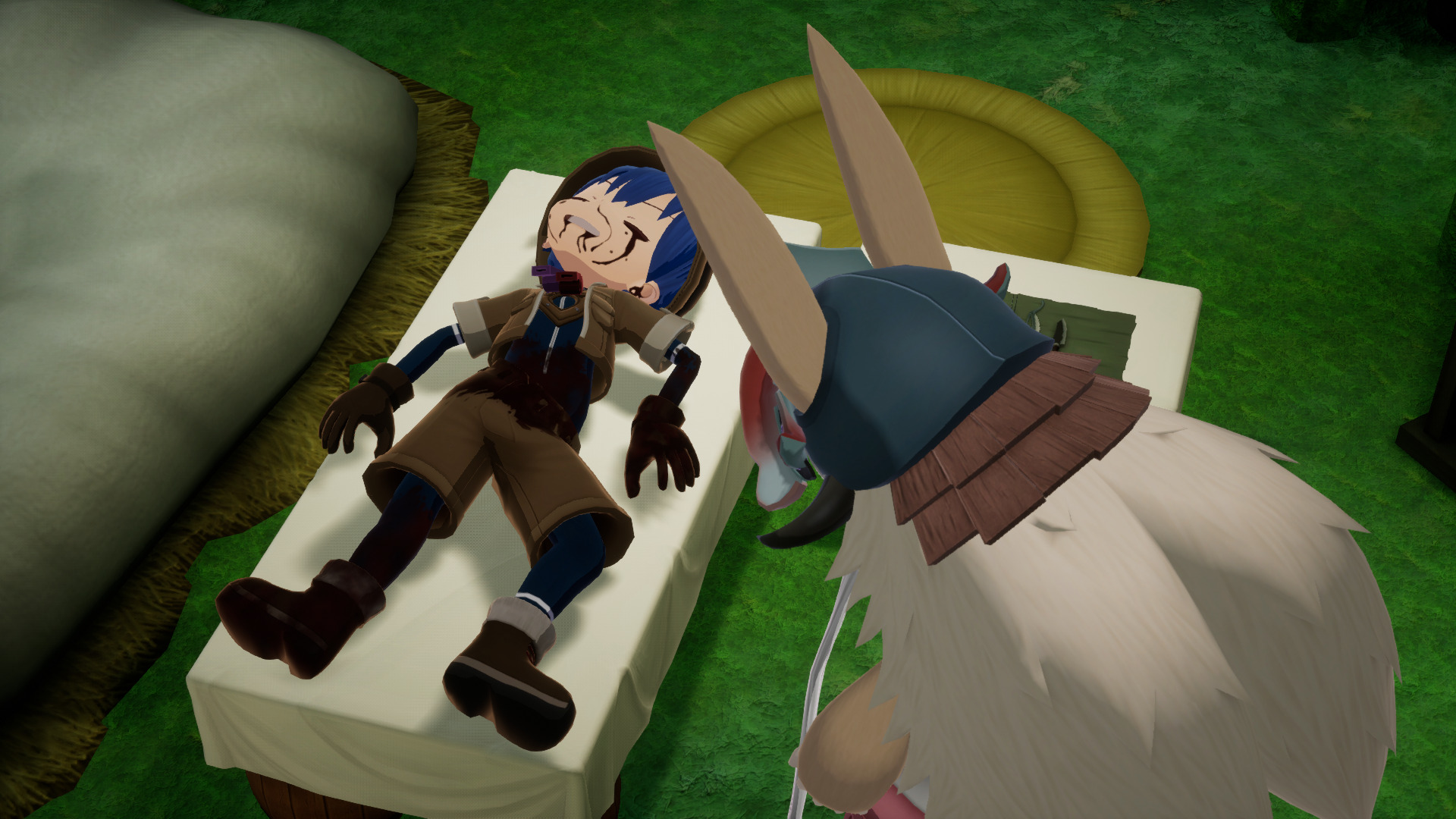
Publisher Spike Chunsoft and developer Chime Corporation have released new information and screenshots for Made in Abyss: Binary Star Falling into Darkness introducing the characters from Made in Abyss that appear in the game-original story mode, and the Notebook.

Get the details below.

Original Story features Characters from Made in Abyss

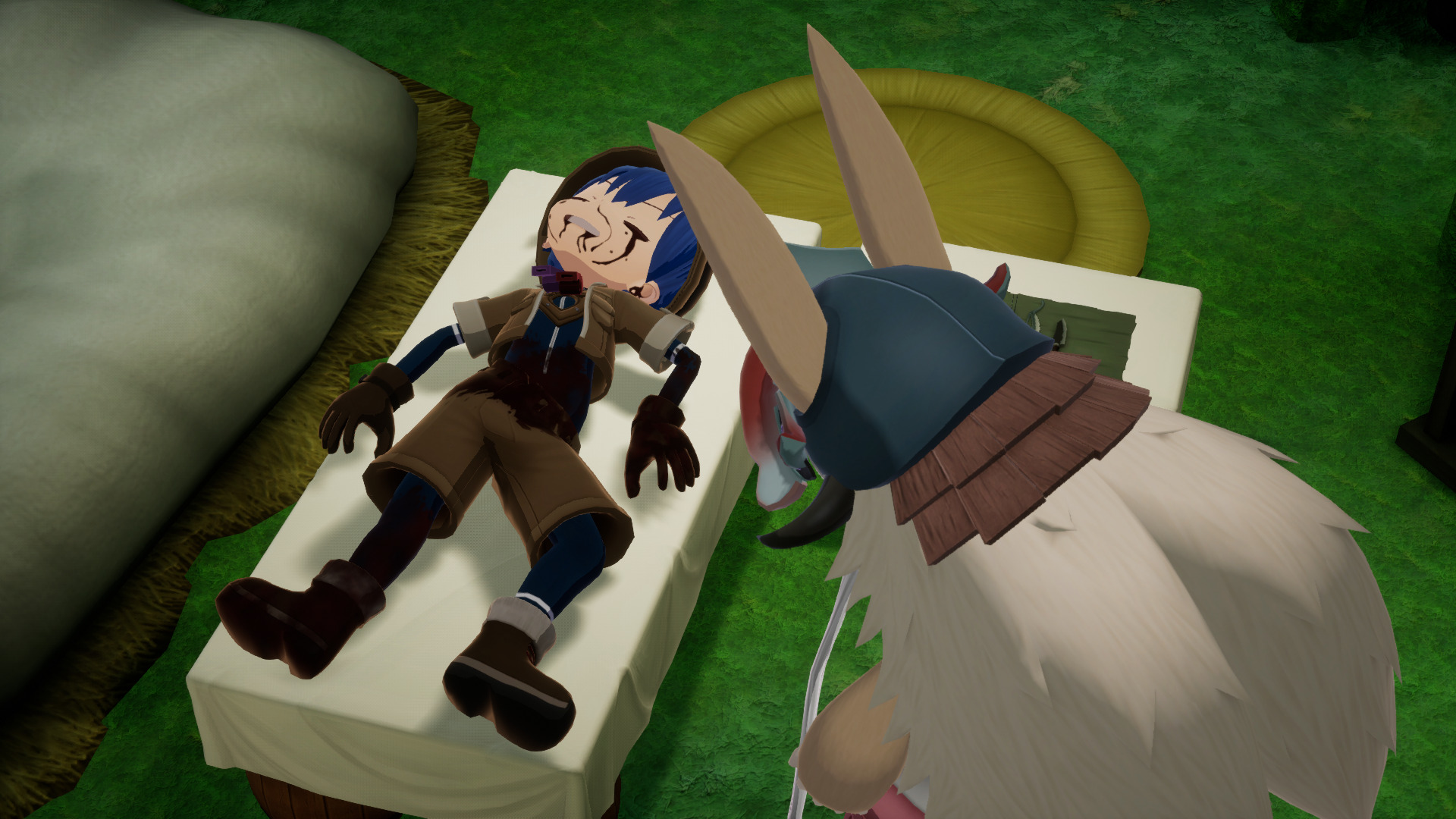
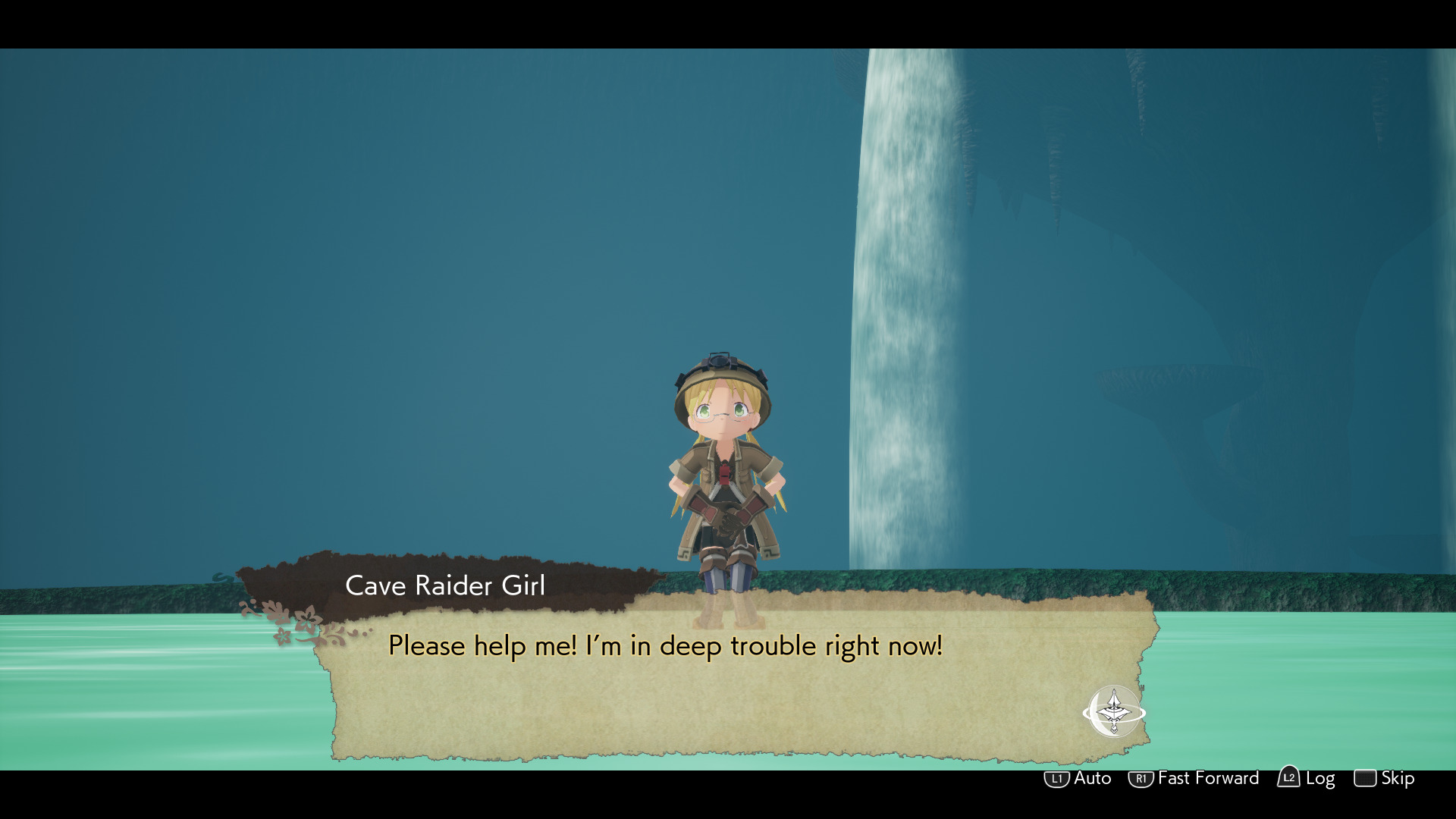
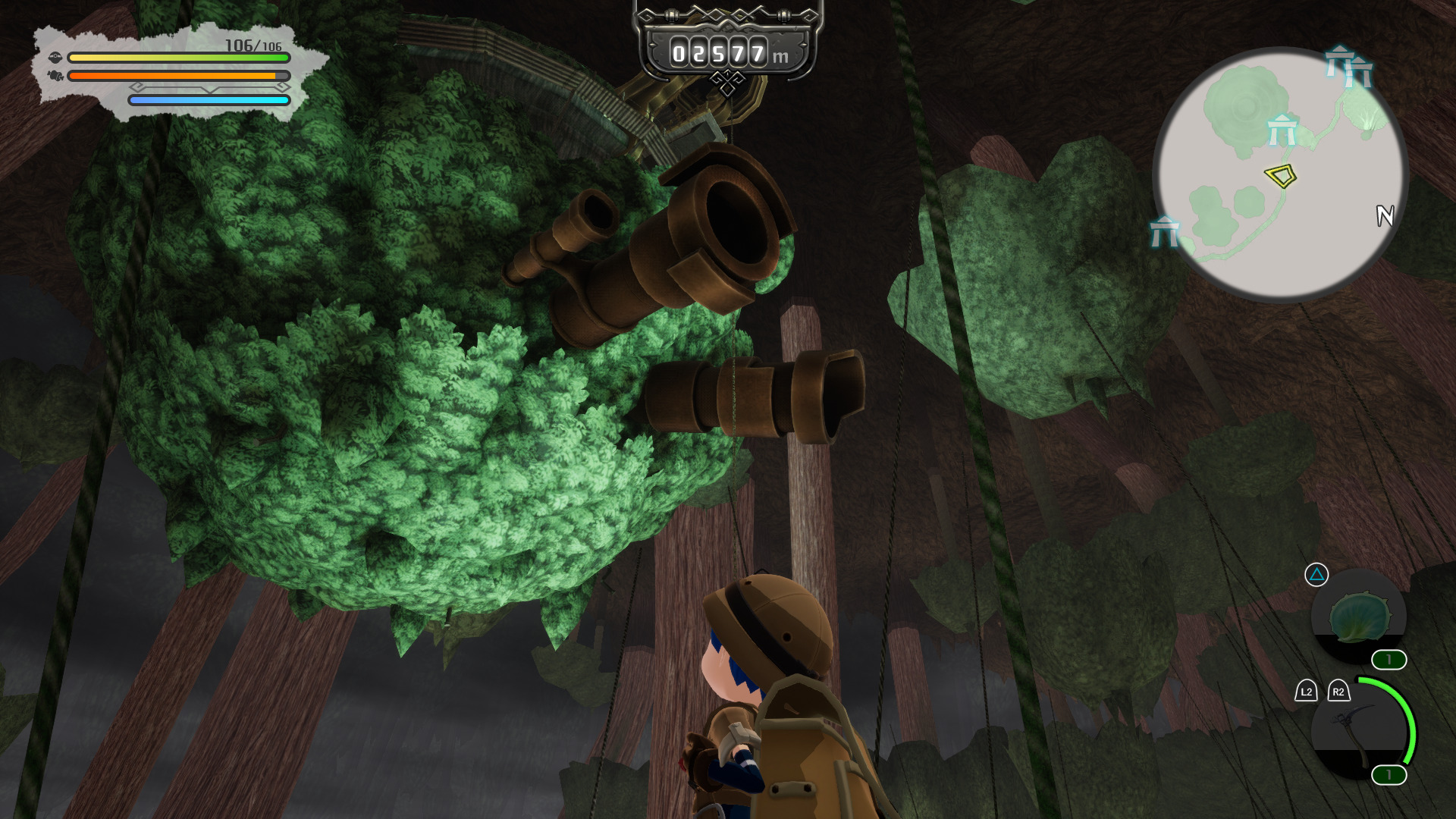
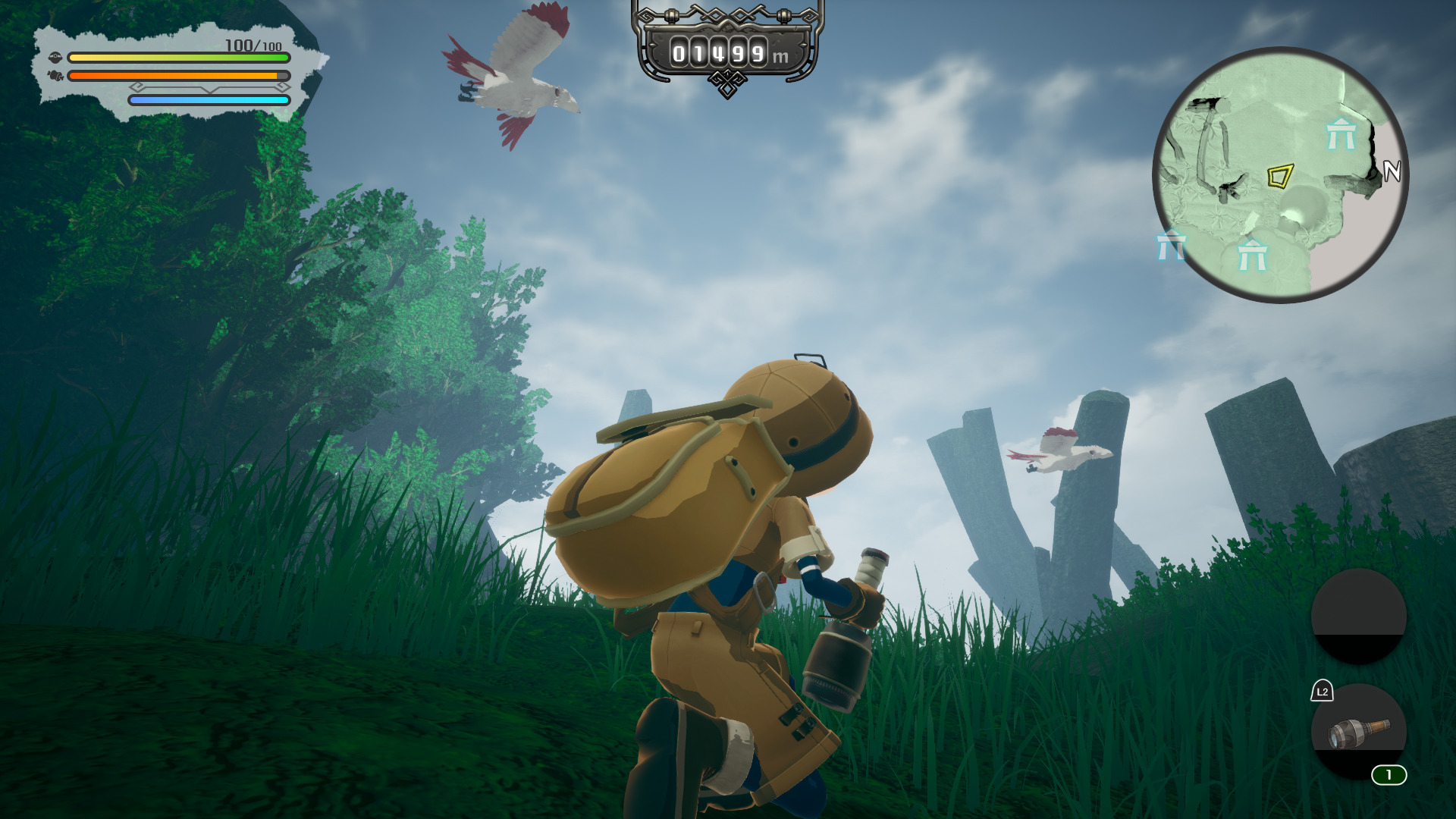
In “Deep in Abyss” mode, many characters from Made in Abyss appear as the story unfolds. The main character who becomes a Cave Raider grows with the help of more experienced Cave Raiders from the orphanage Nat, Shiggy, as well as help from Black Whistle Hablog and others. These familiar characters from Made in Abyss appear in the main story or are sometimes shown as having a connection to the protagonist in side quests.

Made in Abyss: Binary Star Falling Into Darkness

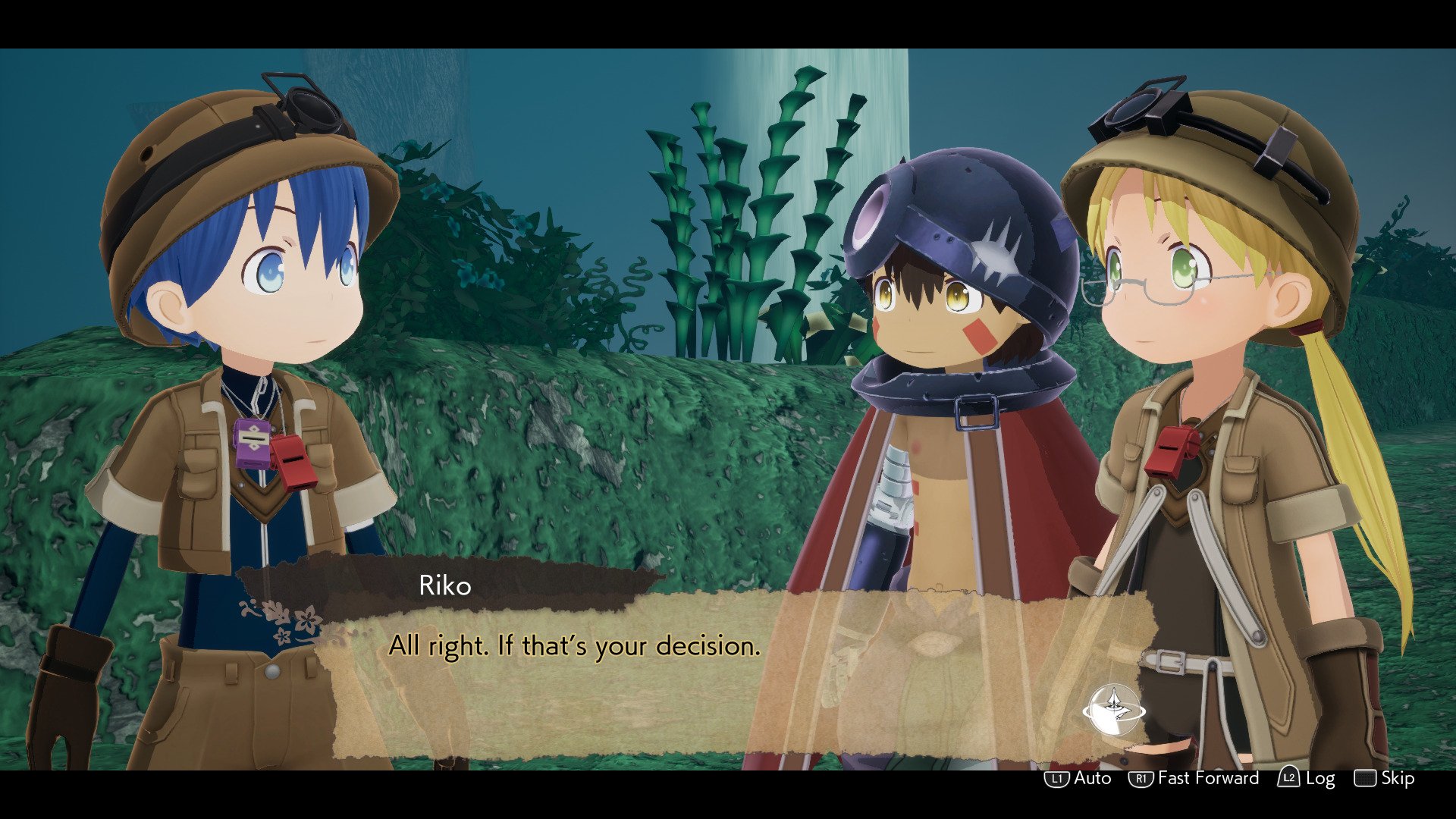
—At the start of “Deep in Abyss” Riko and Reg have already set out from, the bottom of the Abyss. We will meet them in the course of our exploration.

Made in Abyss: Binary Star Falling Into Darkness

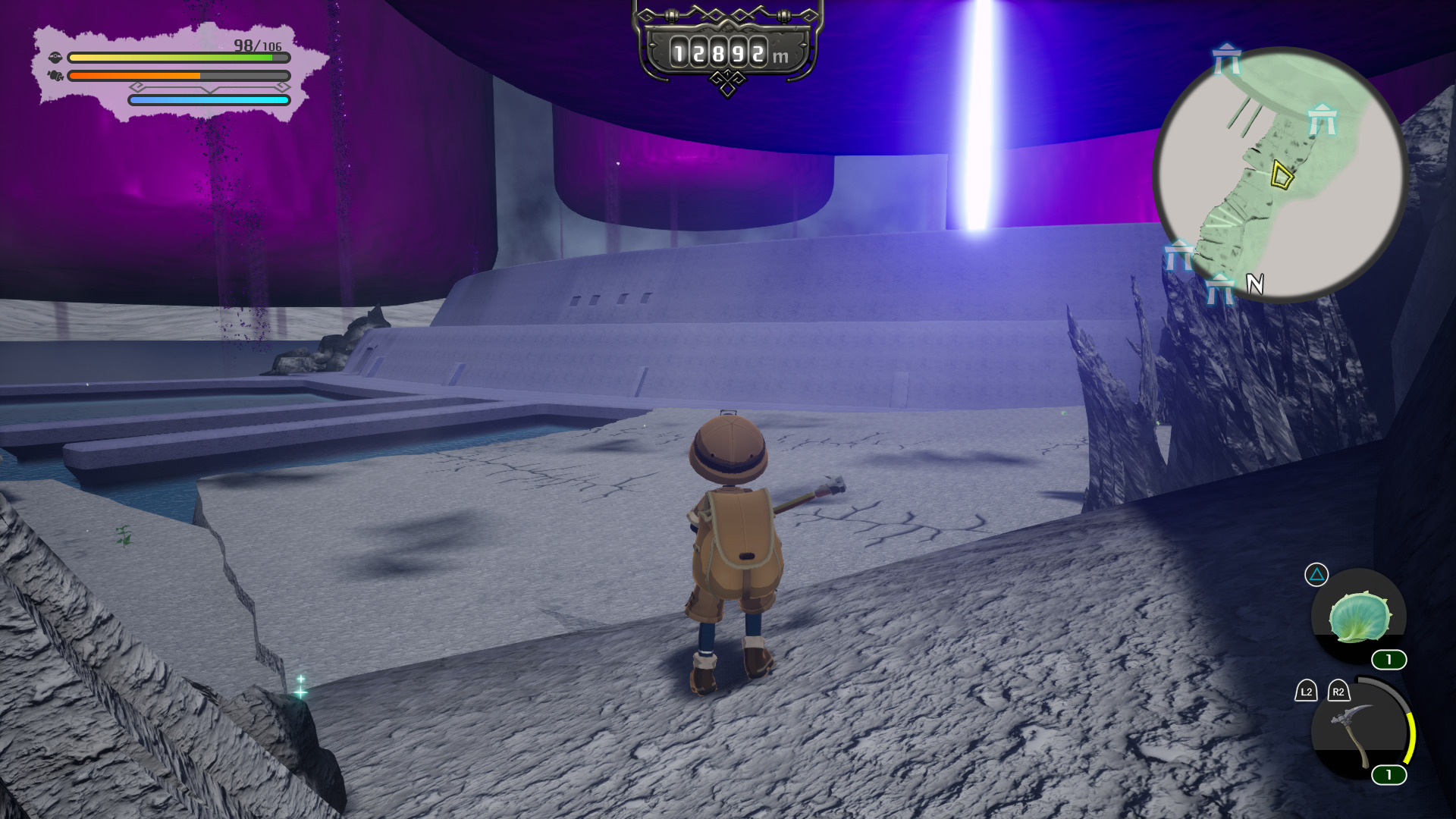
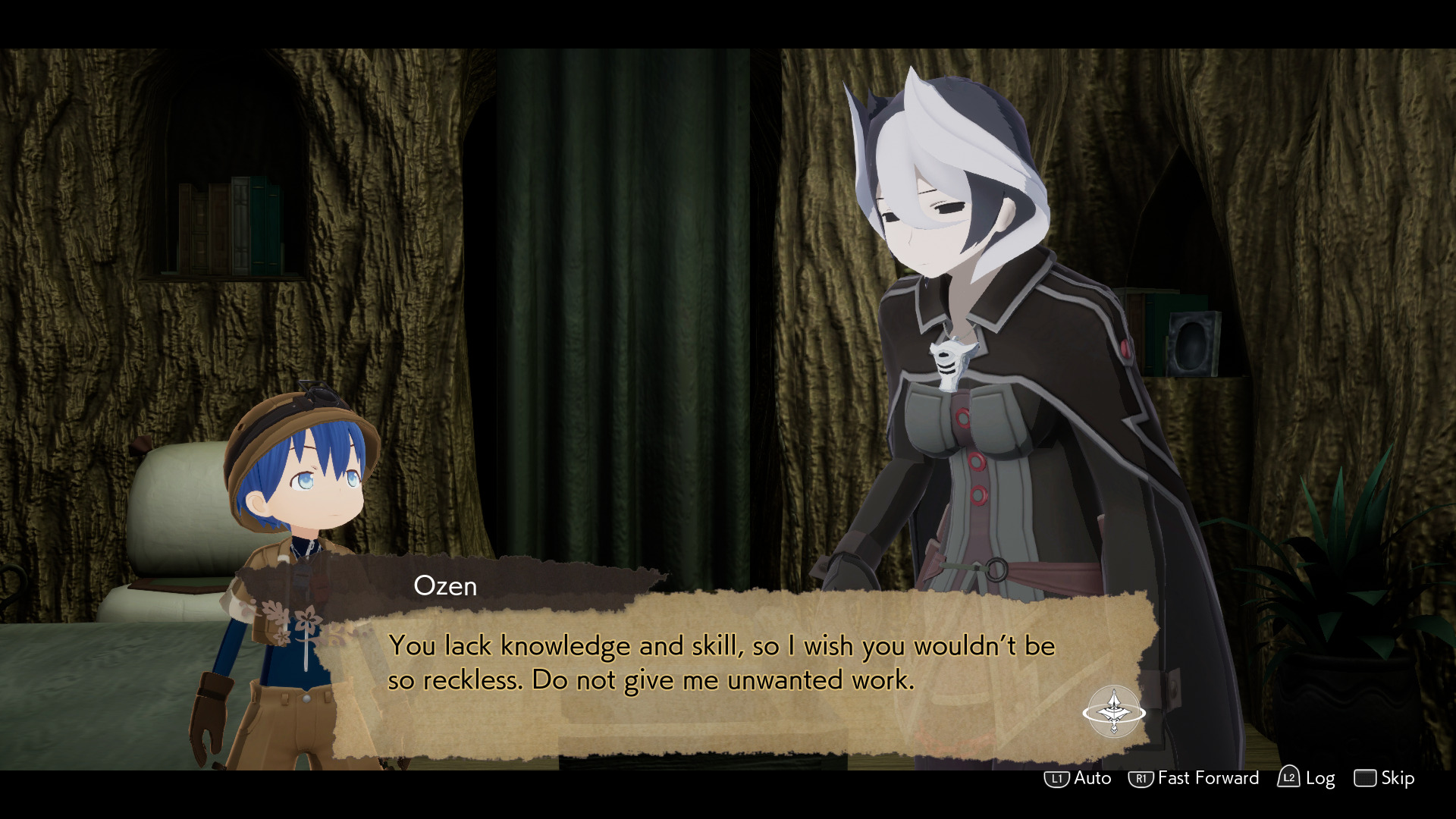
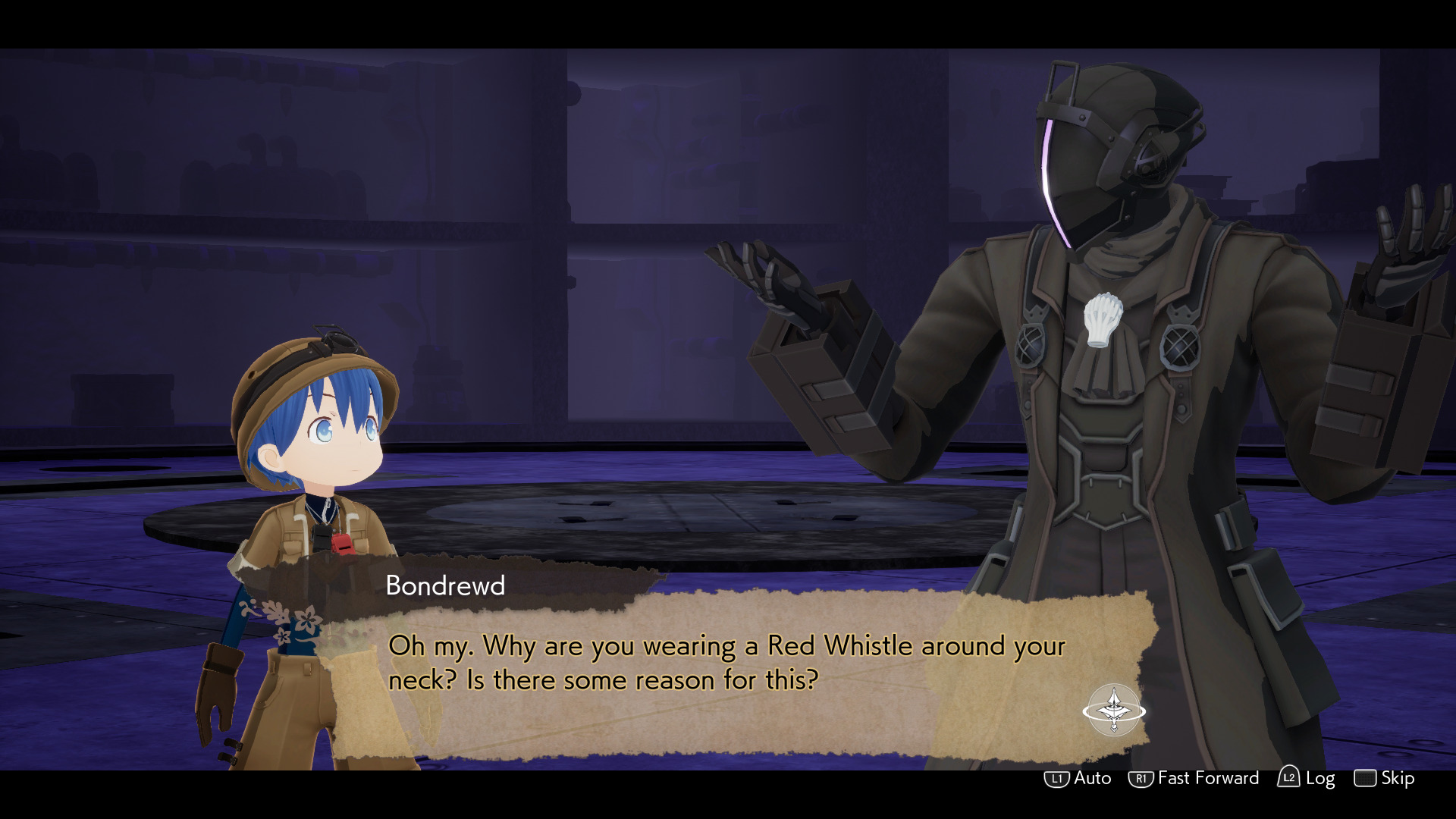
As you progress to deeper layers, you may visit facilities where a White Whistle (the highest rank) resides, such as the Seeker Camp in the second layer of the Abyss, and the frontline base in the fifth layer of the Abyss There are also quests that involve the current White Whistles, Ozen and Bondrewd.

Made in Abyss: Binary Star Falling Into Darkness

Aim to Complete your Notebook

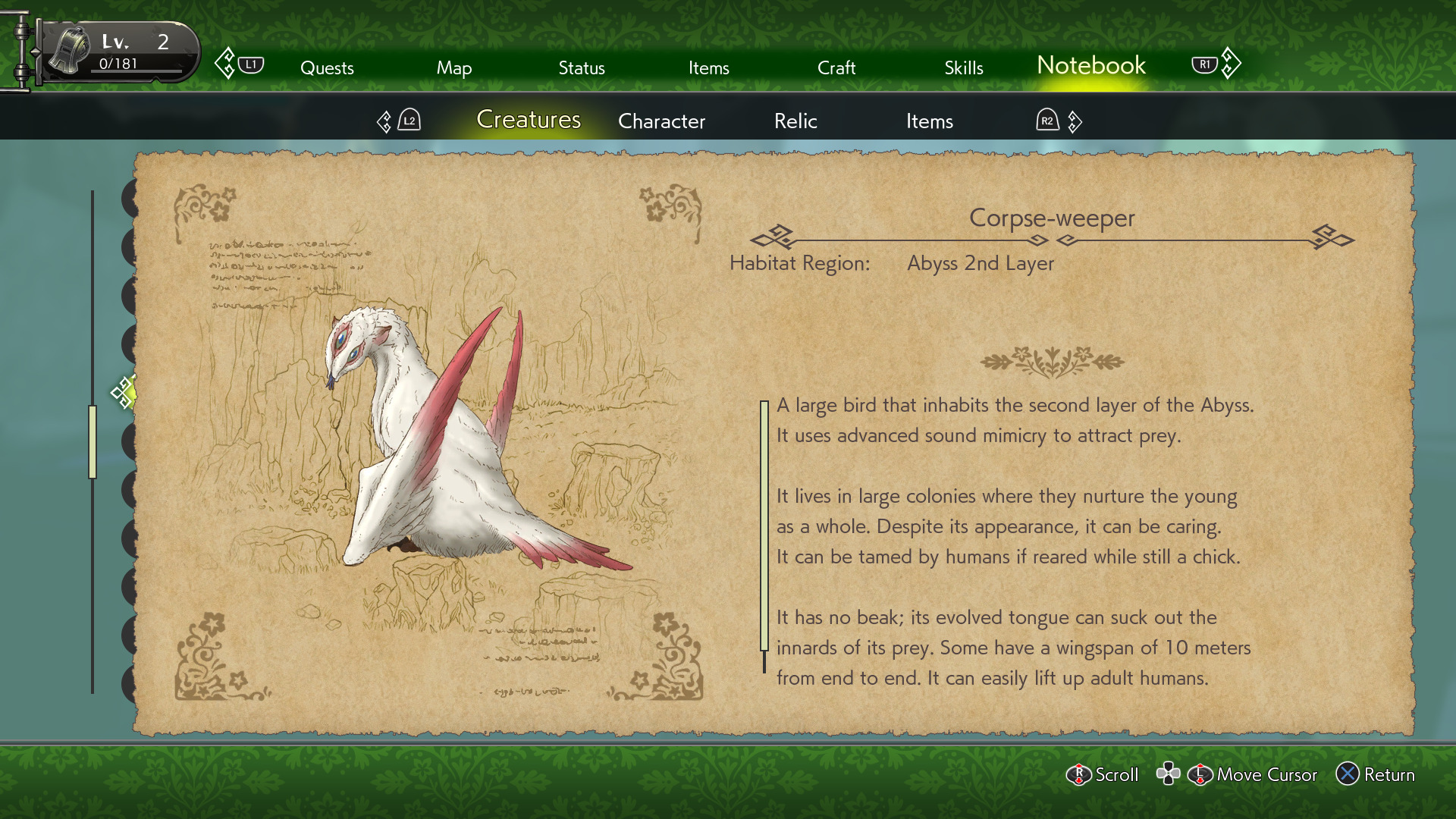
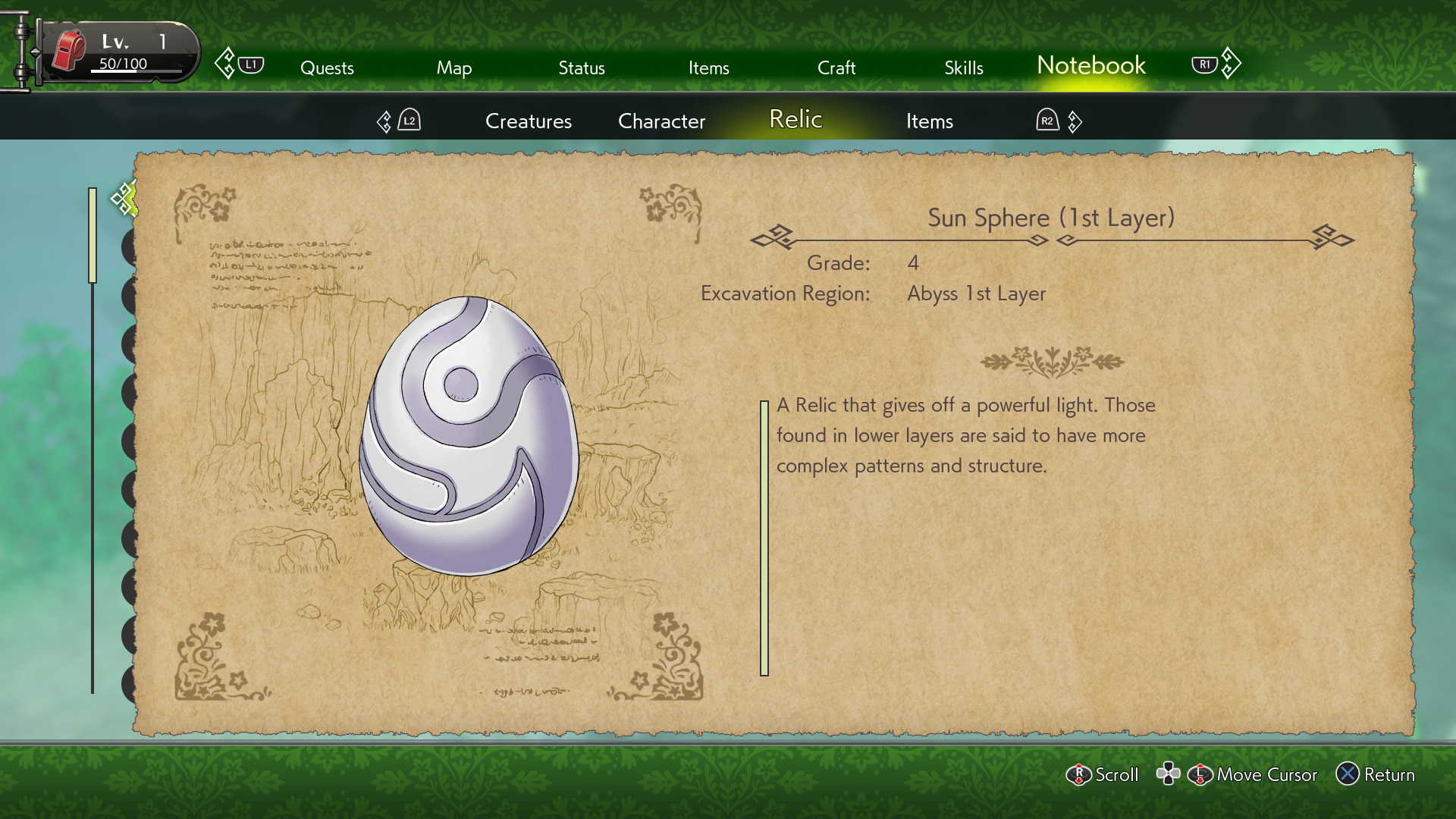
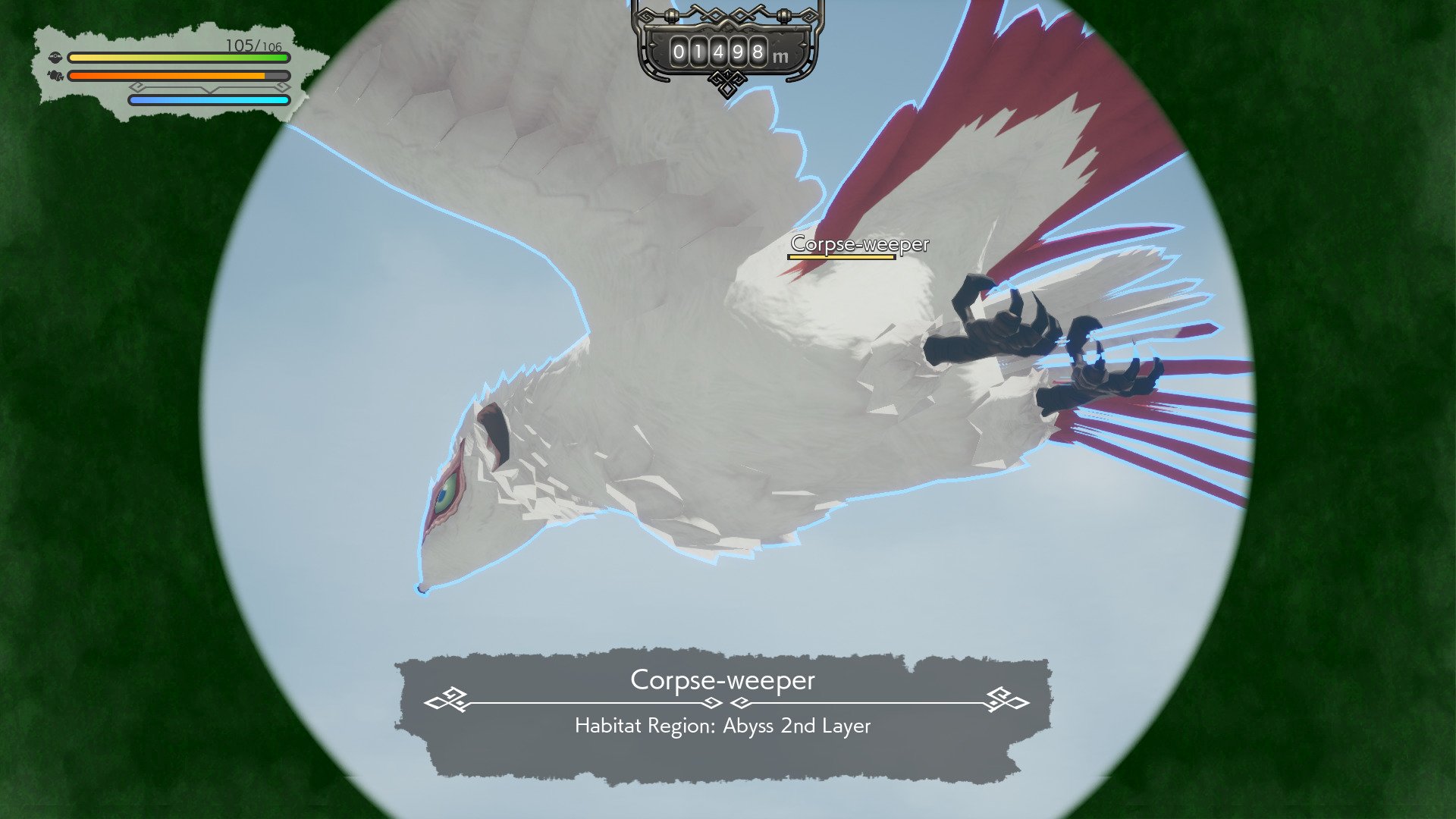
The Notebook, which is carried by the main character, records a variety of information, including people met, relics obtained in the Abyss, and primeval creatures encountered. Primeval creatures can be recorded in the notebook by observing them through a monocular. Be cautious while using the monocular, as the field of view is limited, so it is necessary to get somewhat close to observe them.

Made in Abyss: Binary Star Falling Into Darkness

Made in Abyss: Binary Star Falling into Darkness is due out for PlayStation 4, Switch, and PC via Steam on September 1 in Japan and September 2 in North America and Europe.

View the screenshots at the gallery.

Categories
Technology

Samsung smart TVs just got a new game streaming service to replace your console

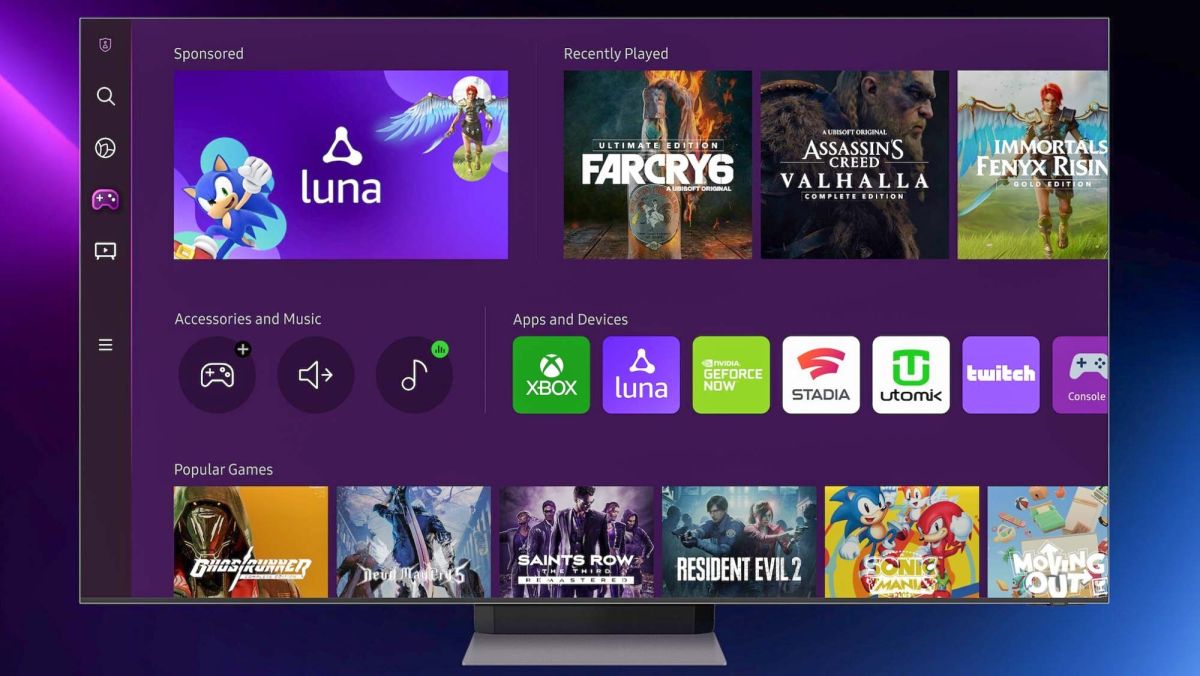
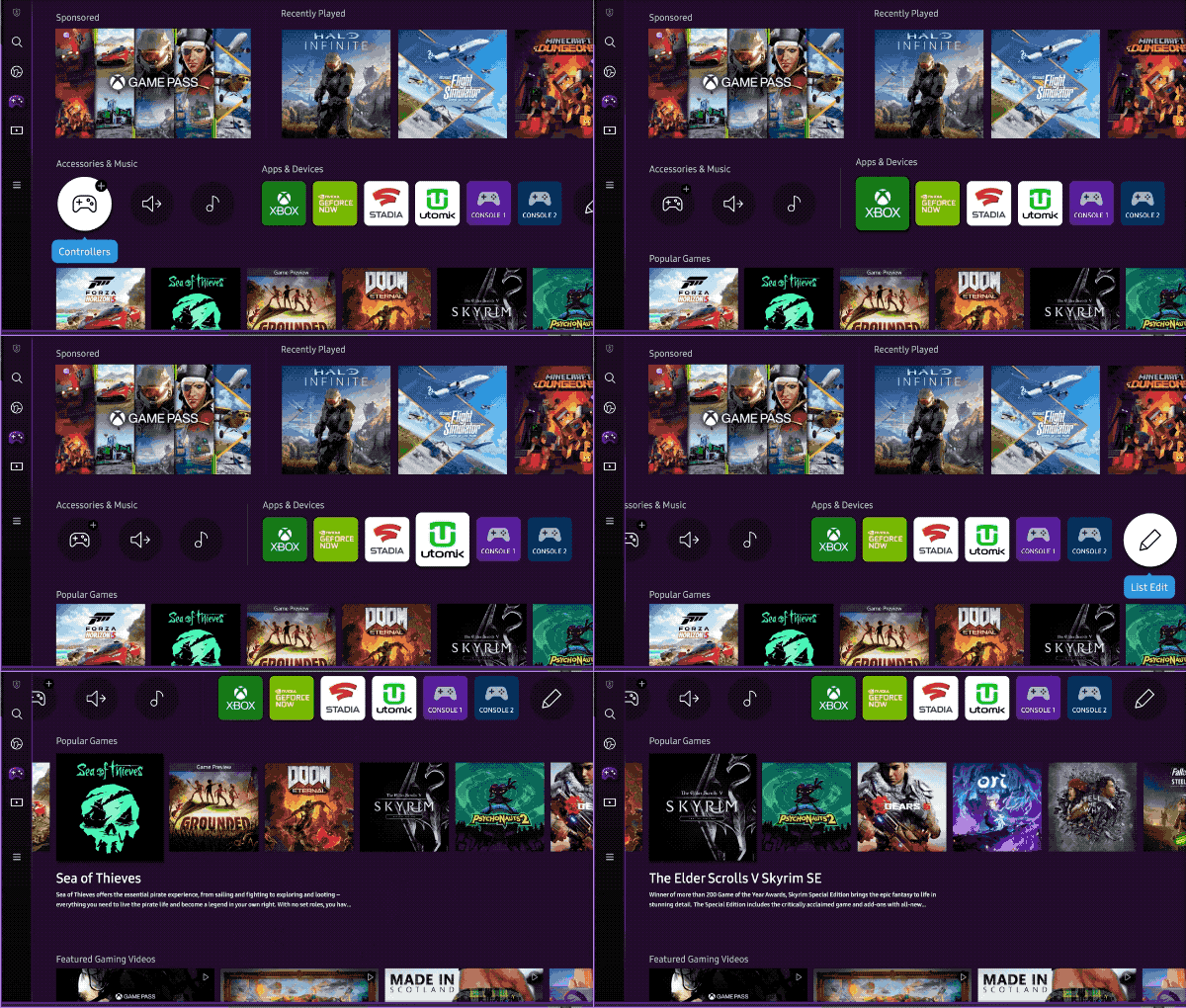
Samsung is definitely positioning its Samsung Gaming Hub as a killer app for gamers looking to replace their consoles with a smart TV app.

To that end, Samsung has announced that amazon moon is joining a growing library of cloud gaming services available in Samsung Gaming Hub. The electronics giant already added Xbox GamePass to Gaming Hub earlier this year and our hands-on review left us very impressed.

Categories
Technology

YouTube’s latest experimental feature lets you zoom in on videos

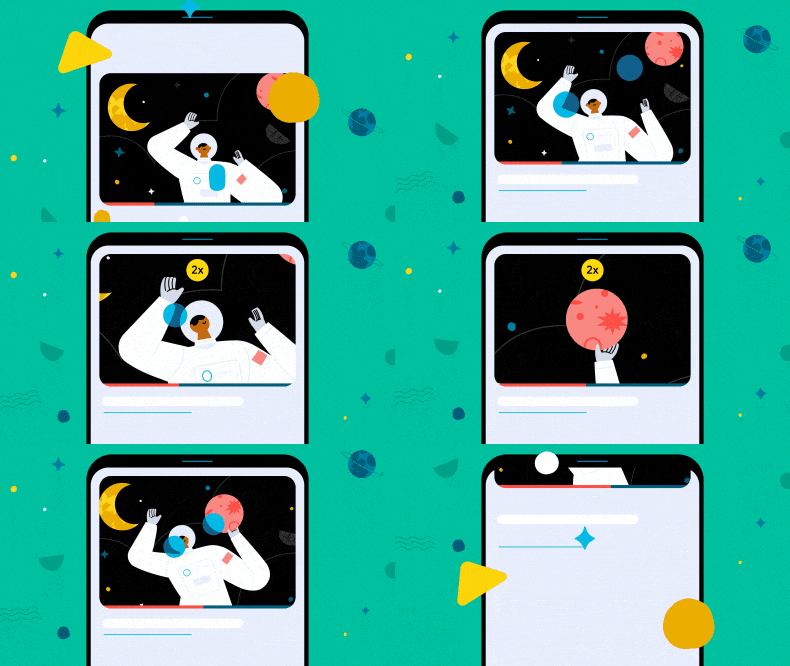
YouTube is testing a new mobile app feature with its premium subscribers that allows them to zoom in on any video. As noted by 9to5Googlethe latest opt-in experimental feature enables a pinch-to-zoom gesture for videos — and it works both in portrait and full-screen landscape view.

According to the company, the zoom feature will remain in testing until September 1st, giving YouTube about a month to gather user feedback and refine things before potentially rolling it out more widely.

You can opt in through the “try new features” section of YouTube’s settings.
Screenshot: Richard Lawler / The Verge

To enable pinch to zoom, open YouTube’s settings menu either on your phone or from the website. As long as you’re subscribed to YouTube Premium, there should be a “try new features” section. Right now, the only feature available for testing is the zoom function. It seems there might be a delay between opting in to the test and actually being able to use the pinch gesture, as I was unable to zoom in closer on any videos immediately after toggling it on. But once it’s active, you should be able to zoom in at up to 8x.

There are already ways to zoom in on YouTube’s content with various accessibility functions on Android and iOS, and obviously it’s very easy to do so in a desktop browser. But having it as an optional native feature in the mobile app is all the more convenient. Last month, YouTube finally delivered picture-in-picture mode for iPhone and iPad after first testing it among premium customers; that hugely useful feature has long been available on Android.

Categories
Technology

Researchers create first artificial vision system for both land and water

Giving our hardware sight has empowered a host of applications in self-driving cars, object detection, and crop monitoring. But unlike animals, synthetic vision systems can’t simply evolve under natural habitats. Dynamic visual systems that can navigate both land and water, therefore, have yet to power our machines – leading researchers from MIT, the Gwangju Institute of Science and Technology (GIST), and Seoul National University in Korea to develop a novel artificial vision system that closely replicates the vision of the fiddler crab and is able to tackle both terrains.

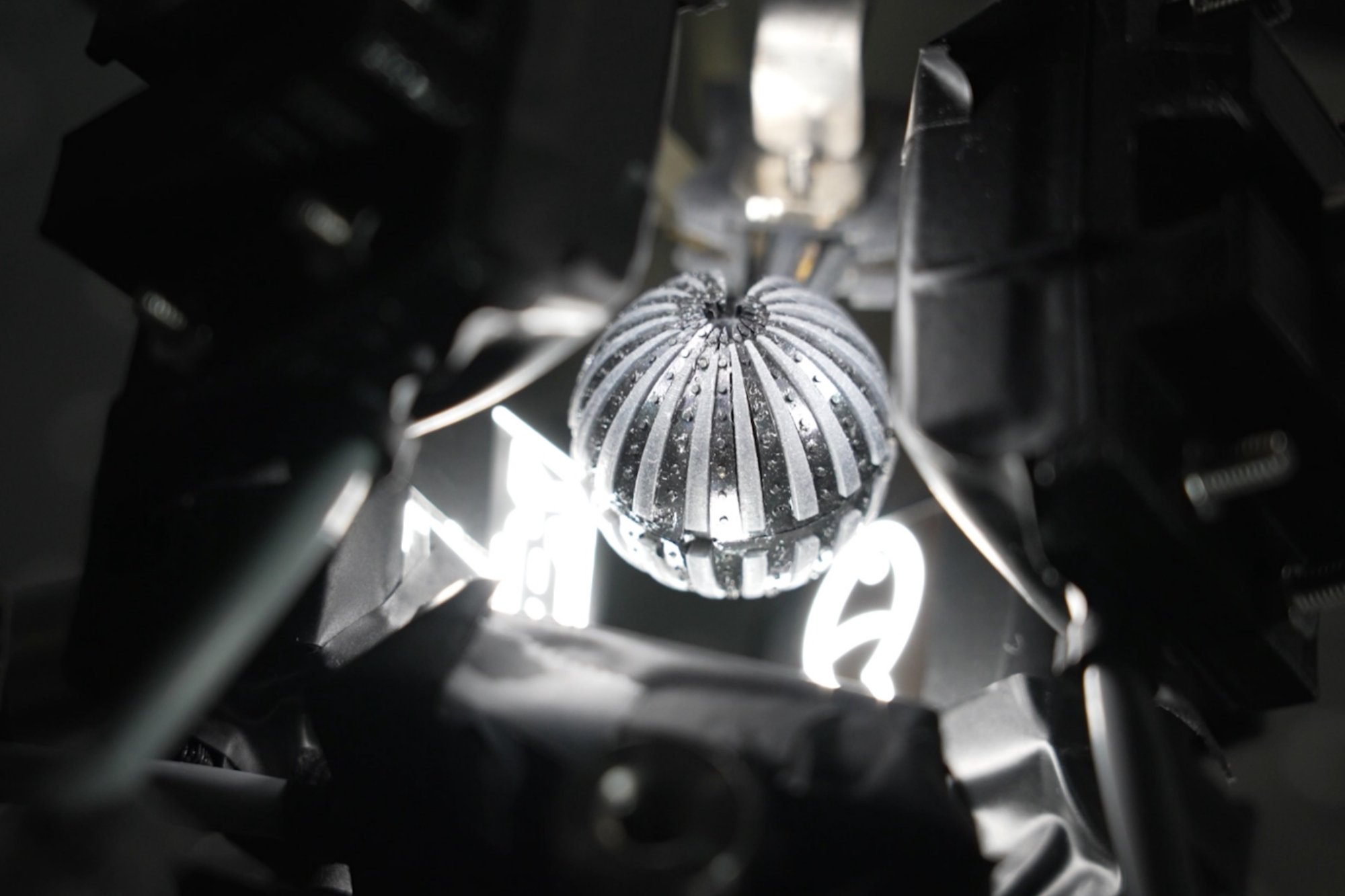
The semi-terrestrial species – known affectionately as the calling crab, as it appears to be beckoning with its huge claws – has amphibious imaging ability and an extremely wide field of view, as all current systems are limited to hemispherical. The new artificial eye, resembling a spherical, largely nondescript, small, black ball, makes meaning of its inputs through a mixture of materials that process and understand light. The scientists combined an array of flat microlenses with a graded refractive index profile, and a flexible photodiode array with comb-shaped patterns, all wrapped on the 3D spherical structure. This configuration meant that light rays from multiple sources would always converge at the same spot on the image sensor, regardless of the refractive index of its surroundings.

A paper on this system, co-authored by Frédo Durand, an MIT professor of electrical engineering and computer science and affiliate of the Computer Science and Artificial Intelligence Laboratory (CSAIL), and 15 others, appears in the July issue of the journal Nature Electronics .

Both the amphibious and panoramic imaging capabilities were tested in in-air and in-water experiments by imaging five objects with different distances and directions, and the system provided consistent image quality and an almost 360-degree field of view in both terrestrial and aquatic environments. . Meaning: It could see both underwater and on land, where previous systems have been limited to a single domain.

There’s more than meets the eye when it comes to fiddler crabs. Behind their massive claws exists a powerful, unique vision system that evolved from living both underwater and on land. The creatures’ flat corneas, combined with a graded refractive index, counter defocusing effects arising from changes in the external environment – ​​an overwhelming limit for other compound eyes. The crabs also have a 3D omnidirectional field of view, from an ellipsoidal and stalk-eye structure. They’ve evolved to look at almost everything at once to avoid attacks on wide-open tidal flats, and to communicate and interact with mates.

To be sure, biomimetic cameras aren’t new. In 2013, a wide field of view (FoV) camera that mimicked the compound eyes of an insect was reported in Nature, and in 2020, a wide FoV camera mimicked a fish eye emerged. While these cameras can capture large areas at once, it’s structurally difficult to exceed 180 degrees, and more recently, commercial products with 360-degree FoV have come into play. These can be clunky, though, since they have to merge images taken from two or more cameras, and to enlarge the field of view, you need an optical system with a complex configuration, which causes image distortion. It’s also challenging to sustain focusing capability when the surrounding environment changes, such as in air and underwater – hence the impetus to look to the calling crab.

The crab proved a worthy muse. During tests, five cutesy objects (dolphin, airplane, submarine, fish, and ship), at different distances were projected onto the artificial vision system from different angles. The team performed multi-laser spot imaging experiments, and the artificial images matched the simulation. To go deep, they immersed the device halfway in water in a container.

A logical extension of the work includes looking at biologically inspired light-adaptation schemes in the quest for higher resolution and superior image-processing techniques.

“This is a spectacular piece of optical engineering and non-planar imaging, combining aspects of bio-inspired design and advanced flexible electronics to achieve unique capabilities unavailable in conventional cameras,” says John A. Rogers, the Louis Simpson and Kimberly Querrey Professor of Materials Science and Engineering, Biomedical Engineering, and Neurological Surgery at Northwestern University, who was not involved in the work. “Potential uses span from population surveillance to environmental monitoring.”

This research was supported by the Institute for Basic Science, the National Research Foundation of Korea, and the GIST-MIT Research Collaboration grant funded by the GIST in 2022.

/University Release. This material from the originating organization/author(s) may be of a point-in-time nature, edited for clarity, style and length. The views and opinions expressed are those of the author(s).

Categories
Technology

Algorithms designed to ensure multiple users share a network fairly can’t prevent some users from hogging all the bandwidth. –ScienceDaily

When users want to send data over the internet faster than the network can handle, congestion can occur — the same way traffic congestion snarls the morning commute into a big city.

Computers and devices that transmit data over the internet break the data down into smaller packets and use a special algorithm to decide how fast to send those packets. These congestion control algorithms seek to fully discover and utilize available network capacity while sharing it fairly with other users who may be sharing the same network. These algorithms try to minimize delay caused by data waiting in queues in the network.

Over the past decade, researchers in industry and academia have developed several algorithms that attempt to achieve high rates while controlling delays. Some of these, such as the BBR algorithm developed by Google, are now widely used by many websites and applications.

But a team of MIT researchers has discovered that these algorithms can be deeply unfair. In a new study, they show there will always be a network scenario where at least one sender receives almost no bandwidth compared to other senders; that is, a problem known as starvation cannot be avoided.

“What is really surprising about this paper and the results is that when you take into account the real-world complexity of network paths and all the things they can do to data packets, it is basically impossible for delay-controlling congestion control algorithms to avoid starvation using current methods,” says Mohammad Alizadeh, associate professor of electrical engineering and computer science (EECS).

While Alizadeh and his co-authors weren’t able to find a traditional congestion control algorithm that could avoid starvation, there may be algorithms in a different class that could prevent this problem. Their analysis also suggests that changing how these algorithms work, so that they allow for larger variations in delay, could help prevent starvation in some network situations.

Alizadeh wrote the paper with first author and EECS graduate student Venkat Arun and senior author Hari Balakrishnan, the Fujitsu Professor of Computer Science and Artificial Intelligence. The research will be presented at the ACM Special Interest Group on Data Communications (SIGCOMM) conference.

congestion control

Congestion control is a fundamental problem in networking that researchers have been trying to tackle since the 1980s.

A user’s computer does not know how fast to send data packets over the network because it lacks information, such as the quality of the network connection or how many other senders are using the network. Sending packets too slowly makes poor use of the available bandwidth. But sending them too quickly can overwhelm the network, and in doing so, packets will start to get dropped. These packets must be resent, which leads to longer delays. Delays can also be caused by packets waiting in queues for a long time.

Congestion control algorithms use packet losses and delays as signals to infer congestion and decide how fast to send data. But the internet is complicated, and packets can be delayed and lost for reasons unrelated to network congestion. For instance, data could be held up in a queue along the way and then released with a burst of other packets, or the receiver’s acknowledgment might be delayed. The authors call delays that are not caused by congestion “jitter.”

Even if a congestion control algorithm measures delay perfectly, it can’t tell the difference between delay caused by congestion and delay caused by jitter. Delay caused by jitter is unpredictable and confuses the sender. Because of this ambiguity, users start estimating delay differently, which causes them to send packets at unequal rates. Eventually, this leads to a situation where starvation occurs and someone gets shut out completely, Arun explains.

“We started the project because we lacked a theoretical understanding of congestion control behavior in the presence of jitter. To place it on a firmer theoretical footing, we built a mathematical model that was simple enough to think about, yet able to capture some of the complexities of the internet. It has been very rewarding to have math tell us things we didn’t know and that have practical relevance,” he says.

Studying starvation

The researchers fed their mathematical model to a computer, gave it a series of commonly used congestion control algorithms, and asked the computer to find an algorithm that could avoid starvation, using their model.

“We couldn’t do it. We tried every algorithm that we are aware of, and some new ones we made up. Nothing worked. The computer always found a situation where some people get all the bandwidth and at least one person gets basically nothing ,” Arun says.

The researchers were surprised by this result, especially since these algorithms are widely believed to be reasonably fair. They started suspecting that it may not be possible to avoid starvation, an extreme form of unfairness. This motivated them to define a class of algorithms they call “delay-convergent algorithms” that they proved will always suffer from starvation under their network model. All existing congestion control algorithms that control delay (that the researchers are aware of) are delay-convergent.

The fact that such simple failure modes of these widely used algorithms remained unknown for so long illustrates how difficult it is to understand algorithms through empirical testing alone, Arun adds. It underscores the importance of a solid theoretical foundation.

But all hope is not lost. While all the algorithms they tested failed, there may be other algorithms which are not delay-convergent that might be able to avoid starvation This suggests that one way to fix the problem might be to design congestion control algorithms that vary the delay range more widely, so the range is larger than any delay that might occur due to jitter in the network.

“To control delays, algorithms have tried to also bound the variations in delay about a desired equilibrium, but there is nothing wrong in potentially creating greater delay variation to get better measurements of congestive delays. It is just a new design philosophy you would have to adopt,” Balakrishnan adds.

Now, the researchers want to keep pushing to see if they can find or build an algorithm that will eliminate starvation. They also want to apply this approach of mathematical modeling and computational proofs to other thorny, unsolved problems in networked systems.

“We are increasingly reliant on computer systems for very critical things, and we need to put their reliability on a firmer conceptual footing. We’ve shown the surprising things you can discover when you put in the time to come up with these formal specifications of what the problem actually is,” says Alizadeh.

.
Categories
Technology

Nintendo Isn’t Launching A New Switch This Year – channelnews

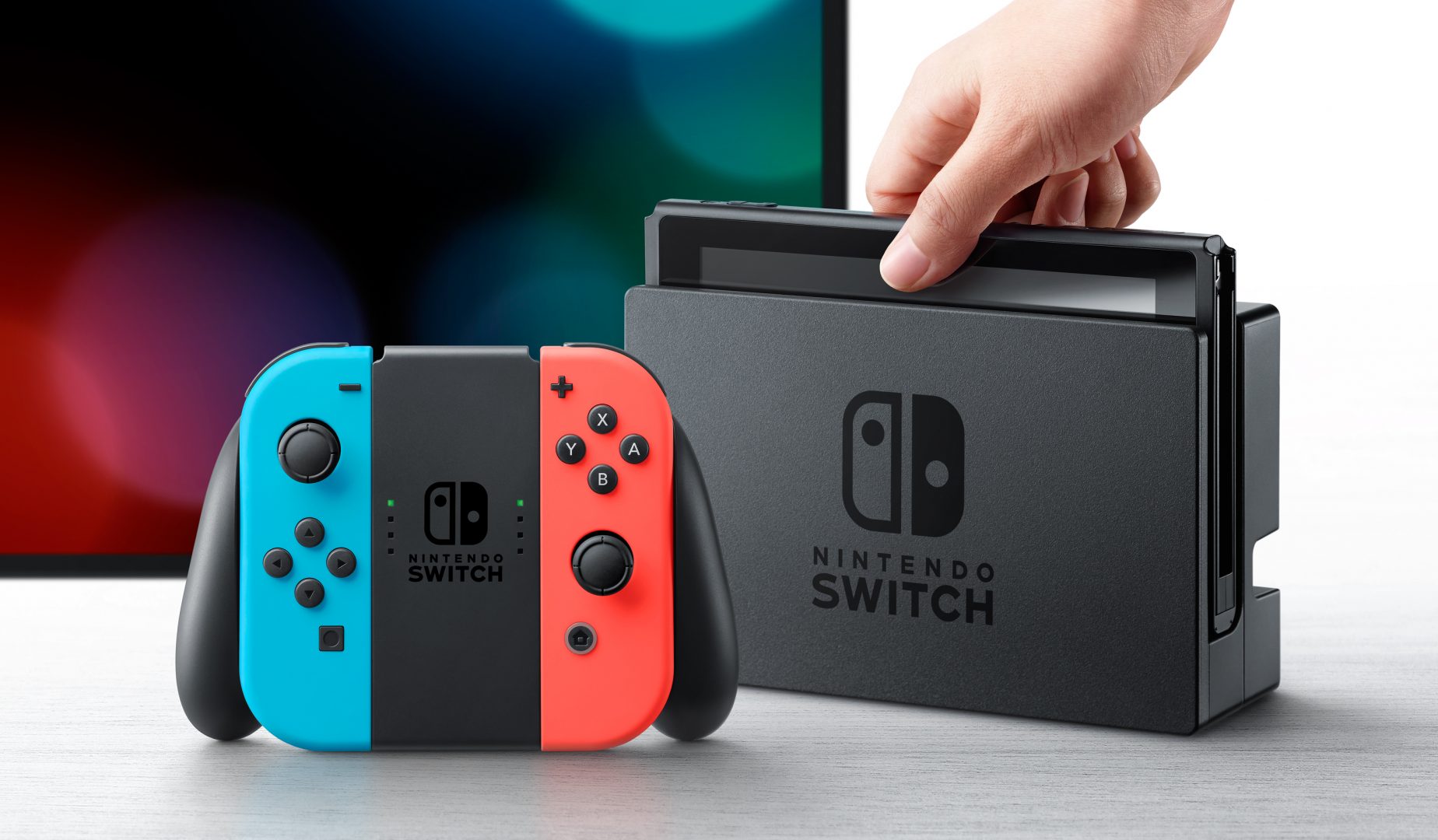
Those waiting eagerly for a ‘Nintendo Switch Pro’ or any other new hardware from the Japanese gaming giant are set to wait longer, as it seems that Nintendo won’t be releasing new hardware until March 2023.

According to a Nikkei report, Nintendo won’t be focusing on the release of a new device, but rather concentrate on just making enough of the current Nintendo Switch, Switch Lite and Switch OLED.

The global chip shortage and supply chain issues have been causing issues for Nintendo, whose sales have dropped 23% this quarter compared to the same time last year. “Hardware production was impacted by factors such as the global shortage of semiconductor components, resulting in a decrease of hardware shipments,” said the company in their earnings report.

Typically, the end of the year period is a time where companies like Nintendo begin to stock up on hardware to prepare for a busy sales period at Christmas. However, as Nintendo President Shuntaro Furukawa told Nikkeithis isn’t possible.

“Normally, we stockpile inventory in the summer to prepare for the year-end sales season, which is at its peak. This summer, we are not able to produce as many as usual.”

The Nintendo Switch was first released in 2017 and has sold over 100 million units over its lifetime. Despite the current issues, Nintendo is set on selling 21 million units this year.

A new, more powerful, 4K compatible Switch has been on the minds of Nintendo fans for some time, however it seems we won’t be hearing about that until March next year at the earliest.

Categories
Technology

YouTube rolls out pinch to zoom feature for Premium users

YouTube has a program that allows Premium subscribers to access brand new features that aren’t quite fully baked. Today, YouTube dropped a new one called “pinch to zoom” for viewers that allows you to zoom into a video on-screen, even in landscape mode.

YouTube Premium subscribers get a lot of little extra features like background play and downloaded videos built into the YouTube experience. With the ability to try different new experimental features, Premium users can discover new tools before anyone else.

Prior experimental features have since made their way into the full YouTube experience. Being able to voice search in a browser found its way to YouTube through the experiments page. Another experiment brought to Premium users was easier playlist management, allowing users to easily drag and reorder upcoming videos around.

Today, YouTube added its new pinch to zoom feature to the experimental features page. This is a little different than the long feature available to everyone that allows you to fill your screen in landscape mode. Rather than filling your screen, pinch to zoom allows you to use two fingers to zoom into the video player. Once zoomed in, you can move around and look at parts of the video closer. This feature looks to be made specifically for portrait mode viewing.

YouTube pinch to zoom

If you’re a Premium member, you can find the new feature in the YouTube app on Android; just tap your profile photo and then hit Your Premium benefits. From there, you can find the Try new features page and turn on YouTube’s pinch to zoom. It may take a while to kick in until you can give this new tool a shot.

Pinch to zoom will only be available until September 1, giving YouTube Premium users enough time to try the new feature out and leave feedback. We’ll likely see this feature in full down the road, though we’re not sure exactly when and if the tool will come to unpaid members.

More on YouTube:

FTC: We use income earning auto affiliate links. More.


Check out 9to5Google on YouTube for more news:

Categories
Technology

Another PlayStation Game Quietly Comes To The PC

While a big deal has been made about some former PlayStation exclusives coming to the PC — like Horizon and God of War — no deal was made last week whatsoever about a game with a much lower profile, but which I love regardless.

That game is Hohokum, which was first released on the PlayStation 4 (and PS3, and Vita) in 2014, and which remains one of the most chill video game experiences available. A collaborative work between artist Richard Hogg, developers Honeyslug and the record label Ghostly, Hohokum is to beautiful 2D adventure where you play as a worm…kite…thing that just floats around its various levels, poking around a colorful landscape just to see what happens.

It’s magic. I love this game so much that amidst all the hardware drama and blockbuster releases making up our roundup of the last console generation I wrote a whole thing just about this little game, which I described as being — in terms of meeting its ambitions — perfect.

You move a big snake thing around a floating landscape, and sometimes you run into things, and sometimes you fly through things. You’re never fighting, talking, not really doing much of anything.

Yet for Hohokum these aren’t limitations. They’re a canvas.

It’s a game that understands the links between interaction, visuals and soundtrack to a terrifyingly perfect degree. Each is inspired by and reliant on the other two, to the point where once it gets going Hohokum is almost synaesthesic.

one thing Hohokum is now providing to also be is timeless. Eight years on from its original release its art style hasn’t aged a day, and technically looks as though it could have been released yesterday. The accompanying heavyweight soundtrack also sounds as good in 2022 as it did in 2014, no doubt helped by the fact that many of the artists involved — like Tycho — are still killing it today.

So if you haven’t owned a PlayStation in a while and never got to check this out, I cannot recommend it highly enough. Annapurna has published this PC version (which, admittedly, is probably why less of a fuss was made than if Sony had released it), and it’s out on Steam now.