Jigsaw puzzles are a lot of fun and completing them takes a surprising amount of problem-solving skills that humans are uniquely suited for. With a typical jigsaw puzzle, the printed image acts as a key reference for determining piece location. But there are special jigsaw puzzles that are all a solid color, forcing solvers to find piece location based solely on the unique shape of the edges. Such puzzles take months of trial and error to solve — and that is for a human. Building a robot to solve those solid-color jigsaw puzzles is quite the challenge, but Shane Wighton’s engineering skills were up to the task.
As Wighton says, this is the future and robots should be able to have fun for us. But this is still quite the engineering challenge. To explain how Wighton made this work, we’ll start with the simplest part of the equation: the motion system. The robot resembles a large CNC router and that is pretty close to what it is in practice. The sturdy wood table supports a CoreXY kinematic motion system, which allows for very fast movement. It can pick up individual jig saw pieces using a vacuum suction end effector like you’d find on a pick-and-place machine. A vacuum suction table, like the kind used to hold plywood down on CNC routers, keeps the pieces i place after the robot drops them.
That’s all very impressive and it was easy compared to the rest of the robot. For this robot to solve the puzzle, it must compare every edge of every piece to every edge of every other piece. For a 5,000 piece puzzle like this, with 4 sides on each piece, the result is about 1.82×1077337 comparisons. If the robot made one comparison per second, it would take 4.2×1077319 times the age of the universe to complete the comparisons. Wighton’s algorithm performs comparisons much faster than once per second and presumably takes shortcuts like omitting solved edges and pieces, but he still estimates that it would take around 3,000 years to solve the puzzle. In his next video of him, he plans to improve the algorithm and will go into more detail at that time.
Until then, it is worth understanding how the robot compares pieces. Wighton designed a magazine for the robot to grab pieces. It then places the pieces on a backlit window to take a photo. A regular camera would distort the image and make the edge measurements inaccurate, so Wighton used a specialized (and very expensive) telecentric lens. That lens produces an image that looks as if it were taken from infinitely far away, removing all distortion so every edge is perfectly perpendicular to the plane of the image. With that distortion-free image, Wighton could use computer vision software to detect the piece edges and gather accurate measurements for his solving algorithm.
To demonstrate that, Wighton made a custom 45-piece jigsaw puzzle. The robot solved that puzzle successfully, but even this small puzzle took around an hour and a half to complete. The time per additional piece increases exponentially, not linearly. To see how Wighton manages to overcome that overwhelming hurdle, be sure to catch his next video of him.
A Call Of Duty server outage caused a delay during this year’s League Championship, with it affecting four titles overall.
The outage, (spotted by Twitter page Intel CDL) affected Black Ops 3, Black Ops 4, Warzone, Cold Warand 2021’s Vanguard which is the start of this year’s League Championship. Thankfully, Vanguard was resolved, allowing the tournament to continue (as well as Black Ops 4), however according to Activision’s Support Page, the other three are still experiencing server issues as of the time of publication.
Call of Duty: Vanguard. Credit: Activision
The outage, which occurred just after the first game of the tournament, unsurprisingly left viewers with a bad taste in their mouths. One user posted, “THIS IS RIDICULOUS #CANCELCDL needs to start trending. Wake these people up. Too much money is made for us to wait this long it’s a joke” in response to a tweet from the official League Championship account promoting the second match.
Another stated, “Nah this is straight up fucking embarrassing. You aren’t ready for champs and it is clear. How can this esport ever compete with the likes of Valorant etc when we are waiting in hour long delays every single fucking event”.
The event, which is awarding teams with just over $2.5million (roughly £2.05million) has continued without issue so far.
Call of Duty: Modern Warfare II. Credit: Infinity Ward.
On Sunday, Activision will be sharing information on Call Of Duty: Modern Warfare 2 during the event. While no specifics have been mentioned, those interested will need to go to the official Call Of Duty League YouTube channel on August 7 at 12pm PT / 3pm ET / 8pm BST to see more on the game. Modern Warfare 2 is set to release on past generation consoles, current generation consoles (excluding Switch), and PC on October 28.
In other news, multiplayer shooter Overwatch 2 won’t be getting another public beta.
Fans around the world are excited for the upcoming November release for Pokemon Scarlet and Violetthe next mainline releases by Game Freak in the Pokemon franchise. As with any upcoming popular video game, and especially with new games in the Pokemon series, gamers are on the lookout for any and all leaks, rumors, information, and general content that will reveal new details about Pokemon Scarlet and Violet prior to its release.
The new trailer for Pokemon Scarlet and Violet revealed many details about the games’ new Paldea region as well as some other gameplay mechanics, characters, gym challenges, new and returning Pokemon, and the new Terastal gimmick. And of course, gamers and fans all over are watching the trailer frame by frame to catch any other small details that may reveal more information about the game.
GAMERANT VIDEO OF THE DAY
RELATED: Pokemon Scarlet and Violet Artwork Reveals Map of Paldea Region
Redditor Mc Nugget noticed one of these details in the trailer and posted about it in the PokeLeaks subreddit, where many people come to find information about upcoming Pokemon games. Mc Nugget points out that one of the characters, who appears to be a teacher at Pokemon Scarlet and Violet‘s Pokemon Academy, has a haircut that looks strikingly similar to the popular fighting Pokemon from the first generation, Machamp. The teacher looks to have his hair styled in three distinct spikes from front to back, resembling the same three spikes that adorn Machamp’s head as well.
Many fans in the comments believe that this character may be one of Pokemon‘s Gym Leaders, who, for those that are unfamiliar, are like dungeon bosses and, collectively, make up some of the game’s most challenging battles. The fans are also talking about previous leaks and rumors that have stated that the gym leaders in Pokemon Scarlet and Violet will likely have other jobs, mainly at the Pokemon Academy, which would suggest that this teacher resembling a Machamp may be a Physical Education teacher.
Of course, this is all conjecture that is based simply on the character’s hairstyle and the unique setting involving the Pokemon Academy – but fans still gravitate towards any and all rumours. And even if the rumors or leaks don’t actually amount to anything, gamers still enjoy the simple act of talking to each other about them, which builds a community for the game as well.
Each iteration of Pokemon games always changes certain details or tweaks some mechanic in slight ways to create fresh experiences for gamers – like how Pokemon Scarlet and Violet are revamping their Legendary Pokemon. Fans can look forward to learning even more information about the upcoming games as the release date draws near.
Pokemon Scarlet and Violet release November 18 for Nintendo Switch.
MORE: How Pokemon Scarlet and Violet’s Tera Raids Can Change The Game
Cult of the Lamb has just a few more days before its release, and the hype is building fast and furious. Players are looking forward to building their cults and gaining as many followers as they can.
Many are also wondering if the game will have a day-one release on Xbox Game Pass. Though the game may come to the service in the future, there are currently no plans for Cult of the Lamb to come to Game Pass. Players looking to get their hands on Cult of the Lamb on day one will need to fork over $24.99 on the platform of their choice to enjoy this oddly cute and slightly disturbing roguelike game.
Those who might be interested in the game can check out the demo that is being offered on Steam ahead of launch day. The demo will give players an idea of whether the $24.99 price tag is worth it to them. It can also be pre-ordered on Steam for those who will be watching the clock and chomping at the bit to build their cult.
Players will have plenty of options to play Cult of the Lamb since the game is coming to PC via Steam, PlayStation and Xbox consoles, and the Nintendo Switch on Aug. 11. The game already has a ton of hype around it. The game had the longest line at PAX East and the closer the date comes, the more people are starting to talk about the game.
Although the game isn’t on Game Pass on day one, it still could come to the service at some point in the future. Because Cult of the Lamb is published by Devolver Digital, who has other games such as Trek to Yomi, Death’s Doorand Gray on Game Pass, it’s likely could land on the platform sometime in the future.
The Valve Steam Deck is out in the US and we’re ready for truly next-gen handheld gaming. There are a few things to know about getting your hands on one of these units in Australia so we’ve collected everything we know about the device in one handy place. Let’s talk about Steam Deck.
When is the Valve Steam Deck release date?
The Steam Deck is out now in the US, Canada, UK, and EU. Customers are already exploring the handheld’s powerful gaming capabilities.
As for an Australian release, it’s still a waiting game. We don’t know when the console will arrive in Australia, but what we do know is that Valve has previously had a relationship with EB Games for its hardware releases, including the recent Valve Index VR unit and the Steam Controller (may it rest in peace). It would be a safe bet to expect it to show up at EB when stockists are announced.
Australia is still not on the list of territories with confirmed retail partners. Previously, those territories have been the US, Canada, the UK and the European Union.
Recently though, Valve announced that it will be launching the Steam Deck in Japan, South Korea, Hong Kong, and Taiwan later this year. This brings the hardware that little bit closer to Australia, and gets it out of NA, UK, and EU territories for the first time. We’re still watching on with jealousy as our APAC neighbors get access, but, at the very least, maybe it’s about to get a lot easier to import a Steam Deck.
How To Preorder Steam Deck in Australia?
You actually can’t. At least not yet. Given their history, the expectation is that EB Games will be the preferred retail partner for Valve and the console in Australia. But not to fret! There are still ways and means of obtaining a Steam Deck unit from US suppliers. It just takes a bit of extra work right now.
Steam Deck Price
Valve has not yet announced Australian pricing for the Steam Deck. We do have American pricing though, so we can at least draw a couple of conclusions. Here’s the US pricing with a direct Australian conversion:
US$399 for the 64GB version (A$555.62)
US$529 for the 256GB version (A$736.65)
US$649 for the 512GB version (A$903.76)
Based on the US pricing, you could probably expect another hundred dollars on top of the Australian conversion.
Here’s what we do know about the retail launch: we know what the box will look like. Yep, Valve is playing this launch super close to the vest right now.
Here’s a quick teardown video of the Steam Deck
Take Valve’s advice here. If you do manage to get hold of a console, don’t perform your own teardown. Let Valve do it for you. This video will give you a quick, clear look at the parts that make up the unit and how it all fits together.
What are the Steam Deck specs?
If there’s one thing we like to know about a new gaming device, it’s the numbers. Here’s the spec sheet:
CPUs: AMD Zen 2 (4 core/8 thread) CPU Clock Speed: 2.4-3.5GHz GPU: AMD RDNA 2 Memory: 16GB LPDDR5 Storage: 64GB eMMC / 256GB NVMe SSD / 512GB NVMe SSD Display: 7-inch LCD touchscreen, 1280 x 800 60Hz Audio: Stereo speakers, 3.5mm jack, dual mics, USB Type-C/Bluetooth connectivity: Wi-Fi, Bluetooth, USB Type-C with DisplayPort 1.4 support
What conclusions about the Steam Deck specs can we draw from this? Well, for a start, it’s fairly powerful for a handheld. Certainly beefy enough to handle most modern games on at least High settings, though if you’re shooting for 60fps, you’ll likely want to take everything down to Medium.
Steam Deck Features and Design
The console follows a familiar handheld design, with grips at the rear and face buttons on the left and right of the screen. The Steam Deck eschews the Nintendo Switch’s off-set stick configuration, placing both thumbsticks at the top of the device, close to the screen. The unit features a USB-C port for charging and connectivity, as well as Bluetooth for wireless pairing. It’ll even offer DisplayPort support if you’re using a Mac screen.
The operating system is a Linux-based suite built around the Steam store platform, though that won’t prevent you from using the device in a manner similar to a regular PC. The wide grips on the left and right of the screen provide greater comfort to players with larger hands.
Did you know that the Steam Deck is actually super customizable? It’s true! Valve designed the console to be highly moddable, and we’re only now starting to see the benefits of that through case mods and part resellers.
And if that’s not enough for you, here’s a handy list of tips and tricks we’ve put together for when you can get your hands on the console.
Steam Deck Gameplay
In all likelihood, you’ll be able to play anything you like, provided it’s on Steam! Though there is a list of Steam Deck Verified games that have been optimized for play on the hardware, it should be beefy enough to run just about any title currently on the Steam storefront.
Our expectation is that the graphics on the Deck will be very pretty indeed. Targeting 30fps target allows the device to display higher fidelity visuals without compromising overall performance. 30fps might be hard to swallow for PC players used to 60fps as a default, but that’s still a mightily impressive result from games that weren’t designed to run on a handheld device. This, naturally, has not stopped modders from getting the Steam Deck to run games far beyond what its specs should be able to handle. In fact, the things you can run smoothly on the Steam Deck have been quite surprising. Valve itself ensured that Elden Ring would run smoothly on the handheld. Someone even got Windows 10 running on it because they decided they didn’t care for Steam OS.
It’s hard to argue with performance and versatility like that on a handheld device. Barring a few smaller competitors, Valve will very much have this segment of the market cornered.
Steam Deck Accessories
There are a number of accessories! Valve’s Nintendo Switch-style dock for Steam Deck was advertised quite a bit in the lead up to its launch in North American territories, but when launch arrived the dock never appeared. That’s apparently because Valve was busy updating the dock’s specs in light of information gathered after launch. The Dock has dumped its original 1x USB 3.1 port and 2x USB 2.0 ports for a full set of three USB 3.1 ports. That’s a pretty significant update where transfer speeds are concerned. The Dock’s ethernet jack will now support gigabit transfer speeds too. Beyond this, the rest of the Dock’s connections — DisplayPort 1.4 port, HDMI 2.0, and a USB-C port — all remain the same
Similar to the Nintendo Switch, the Steam Deck Dock will allow users to connect the device to external displays, wired networks, USB hubs and peripherals, and external power. Each unit will also ship with a carry case included in the box.
Can I use Steam Deck for more than just Steam Deck games?
You can! Though the core of the system’s Linux-based operating system is indeed bound to the Steam platform, that does not mean that third-party apps and games can’t be installed. Because the Steam Deck functions in a manner similar to a PC, the door is wide open for a vast array of apps. Even competing platforms like the Epic Games Store and EA Origin could theoretically work fine on the Steam Deck.
One question we’ve seen crop up a lot is around software exclusivity. Could a platform like this have exclusive games? The answer isn’t a hard No, but it would be pretty unlikely. Bound as it is to the Steam storefront, it’s hard to imagine Valve opening the door to exclusives. The entire philosophy behind this machine is that it puts an entire gaming PC in your pocket. If it’s on Steam, it will work on your handheld. Exclusively flies somewhat in the face of that goal.
How does Steam Deck compare to the competition?
Based on its spec, our expectation is that gameplay on the platform will be quite smooth indeed. Valve says it expects to hit a baseline 30fps target, and specs coming from devkits in the wild seem to support that. Compared to other handheld systems, the Steam Deck is quite the powerhouse. The Nintendo Switch, for instance, can’t hold a candle to the Steam Deck on raw grunt. Competing devices like the AYA Neo and One X Player feature comparable spec and come from companies far smaller than Valve.
Updated 5/8/22: Now includes new info on the console’s recent APAC launch news.
GameStop has once again come with their NFT shenanigans that an unregulated market built on planet-destroying technology is, and this may shock you, not a terribly great idea. In a thorough report from Ars Technica, the GameStop NFT marketplace is yet again the topic of controversy as an NFT minter on the platform has been caught selling NFT-ified versions of HTML 5 games of which he himself did not make and had no permission, whatsoever, to sell them. Oh, and here’s the fun part, these games will probably live forever on the blockchain now!
GameStop has had a number of struggles in recent years as it has tried to stay competitive and relevant. Its recent experiment has been to try and make waves in the NFT space, launching a marketplace for digital assets while still being awful. The marketplace has not been without controversy, including a recent NFT that featured art similar to an image of a person falling to their death during the attacks on the World Trade Center on September 11, 2001. The latest round of nonsense to come out of the store, however, involves a man named Nathan Ello and his NiFTy Arcade NFTs, which aim to provide some interactive fun to an NFT…but he didn’t seem to stop and ask if he had permission to use games that were developed by other people for this project, much less if he had the right to even make money off of them.
speaking to KotakuNathan Ello declined to comment on this story.
Kotaku you have reached out to GameStop for comment.
NFTs have been the subject of theft and questionable ownership for some time. If it’s not an NFT previously owned by a celebrity being stolen, hence throwing intellectual property into a giant gray area, then it’s someone minting NFTs with art that isn’t theirs. The alleged security of NFTs has also been blown apart by phishing schemes and clever hackers. The secure and traceable future of commerce via the blockchain has been very unsecure and it’s been super hard to pin down bad actors. And this latest controversy concerning GameStop and the NiFTy Arcade is just yet another example of that messiness. Meanwhile, the industry insists on selling, using, and praising NFTs despite overwhelming negative reaction and humiliating failures.
Ace Ars Technica first reported today, Ello’s “NiFTy Arcade” NFTs were meant to be “fully playable from an owner’s crypto wallet” or on the GameStop marketplace itself. This at least seems to make a bit more sense than a simple JPEG. Instead of just purchasing a “link” to an image that you apparently “own” some part of, at least you get to play a fun little HTML 5 game while you burn the planet down.
That fun, however, comes with the added bonus that the NiFTy Arcade featured games entirely developed by other people who never gave any permission for their work to be used in this way or profited off of. In fact, many of these games, such as Worm Nom Nom can be found on Itchi.io with a very clear Creative Commons license that doesn’t allow for commercial uses.
The backlash was fierce, with several developers stating that they felt ripped off by NiFTy Arcade. Krystian Majewski, developer of Breakout Herosaid in a statement to Ars Technicathat his work was “sold for profit without my consent.”
Ello has stated on Twitter that in some cases, inconsistencies with licensing language for other titles surely meant that he did no wrong in just taking them.
For anyone curious about the Galactic Wars license.https://t.co/8jnBsgz1jIhttps://t.co/VuD09jSVQZ pic.twitter.com/w0TdReWWbv
Ace Ars Technica detailed in their report, Ello has had his minting privileges suspended on GameStop’s marketplace and the NFTs in question have been taken down from the platform.
On top of that, through the wonderful magic of NFTs and the mighty blockchain, these minted games might just live on forever, where they can be bought and sold on other crypto marketplaces. GameStop’s NFTs use an “Interplanetary File System,” (IPFS) which would sound cool if that tech wasn’t enabling others to continue to buy and sell NFTs with no apparatus to check and verify the content or any legal issues surrounding them. It’s not entirely clear how GameStop verifies or spot checks the NFTs that arrive on its marketplace, though their terms of service state that the buyer is responsible for verifying the authenticity of the NFT, not GameStop:
You are solely responsible for conducting research on an NFT, as well as understanding seller’s terms and conditions of the potential purchase or sale of the NFT, prior to purchase or sale. Such research includes, but is not limited to, verifying the authenticity and veracity of seller’s claims and description of the NFT, such as ownership, uniqueness, intellectual property, licenses, scarcity, rarity, value, and functionality. None of the GameStop Entities (defined below) endorses any NFT or makes any claims regarding the authenticity, ownership, uniqueness, intellectual property, licenses, scarcity, rarity, value, functionality and/or other attributes or rights thereto.
But even if there is a thorough vetting process on GameStop’s end, through the blockchain, IPFS file hashes can be accessed on any active node across multiple servers. It’s a Pandora’s Box of art theft.
That may be the nature of the NFT beast, but GameStop isn’t totally off the hook here. Ace Ars Technica found out, you can still very much access the unlicensed NiFTy Arcade games on GameStop’s servers. All you need is the correct link to and you can continue to access these NFTs anyway. Joseph White, creator of the PICO-8 game engine that powers the pixel games that Ello appropriated for his NiFTy Arcade games, has spoken out against GameStop, telling Ars Technica that the video game retailer doesn’t offer any sort of clear way to takedown an NFT that infringes on the copyrights of others. He’s filed DMCA requests, but they seem to have met a dead end.
Kotaku you have reached out to Joseph White for comment.
Guess ya gotta be a bit more wealthy for a DMCA takedown request to have any sort of effect; what a fair system! Maybe if I mint some Metallica songs, Lars Ulrich will step in to put a stop to all this nonsense.
We at Kotaku have long been in the habit of ranking all the games worst-to-best in a major series, whether it’s Pokemon or Halo or Assassin’s Creed. At a glance, it’s possible to read those posts as reductive. Most every game has at least one redeeming quality. On the other hand, every “perfect” game probably has something to hate about it. Hence the start of a new series here at Kotaku, wherein we cover the singular best and worst aspects of every mainline game in a popular franchise. First-up: BorderlandsGearbox’s cartoonishly violent series of loot-shooters.
Borderland (2009)
Image: Gearbox
Best: The core concept. when Borderlands came onto the scene more than a decade ago, it was genuinely revolutionary. Combining first-person shooting with the rarity-tiered loot grind of Devil provided an intoxicating combo. Distinct classes with unique abilities and robust skill trees gave the game some bona fide RPGs, like you were always working toward something. Borderlands also knew exactly what it was and didn’t try to be anything else, giving you a confidently basic premise — go, uhh, find lost ancient treasure or something — to justify the grind.
Worst: Heroes lacked personality. Gearbox sketched out four playable characters for Borderlands: the brawler Brick, the generic soldier Roland, the hunter Mordecai (joined by a little bird friend), and the magically enhanced Lilith. But like many first-person games at the time, they served as generic ciphers for the player, not really having well-defined personalities of their own. For a game that was otherwise sharply written, it was a shame not to see that biting wit apply to the folks you played as. (Gearbox quickly remedied this with subsequent entries, though.)
Borderland 2 (2012)
Image: Gearbox
Best: Um, everything? I’ve said it before, and I stand by it: Borderland 2 is easily one of the best sequels in all of gaming. It maintained everything that made the first game such a standout hit, except cranked up to “87 bazillion.” It brought back the original four heroes from the first game, this time as NPCs with fleshed-out stories. The villain, Handsome Jack, was an all-timer, threatening and amusing in equal measure. Also, the game’s environments actually featured more than one colour.
Worst: OK,fiiinethe Caustic Caverns kinda sucked. I still have nightmares. Not worth venturing there at all, not even for the Minecraft skin.
Borderlands: The Pre-Sequel (2014)
Screenshot: Gearbox
Best: It was on the fucking moon!Borderlands: The Pre-Sequel, a spinoff primarily developed by 2K Australia, bridged the narrative gap between the first two games, sending players off-planet and coloring in the origin story of Handsome Jack. Yeah yeah yeah, that’s cool and all. The real draw, again, was that you were on the moon! The sheer amount of cool features this introduced — low gravity, jetpacks, butt-slams — was worth many of the game’s shortcomings.
Worst: Oxygen meters. On the flip side, being on the moon meant not having any air. An oxygen meter slowly depleted whenever you were in an exterior area, which was often. To fill it back up, you had to head to oxygen bubbles strewn around maps, meaning you had to keep at least one eye on a constantly exhausting resource. C’mon. It’s Borderlands. The last thing you want to do is spend time worrying about something.
Borderland 3 (2019)
Image: Gearbox
Best: Interplanetary travel. For years, Borderlands games offered limited biome diversity, with the whole game confined to one planet (Pandora for the first two, the moon for the spin-off). But Borderlands 3 let you go to five different planets. So what if one of them, the ethereal, vine-covered Athenas, was literally just one stage. The densely packed metropolis of Promethea was a NUMTOT’s dream. (Hear, hear for walkable cities.) The jungles of Eden-6 were rich and moody and ominous. Even Pandora got a glow-up, with tons of new subregions to explore, in addition to the barren wastes that defined it in prior entries.
Worst: The emphasis on driving. And it is, Borderlands 3 teed up a ton of interesting levels. The catch? Most of them were massive, forcing you to hop into a car if you wanted to get around with even the barst hint of expediency. Borderlands 3‘s driving was slippery and imprecise, though — forgivable for the earlier games, but not for this one, wherein vehicular control felt like it hadn’t improved at all in a decade. (Gearbox did not include driving segments in Borderlands 3‘s successor, Tiny Tina’s Wonderlands.)
Tiny Tina’s Wonderlands
Screenshot: Gearbox
Best: The fantasy theme.Tiny Tina’s Wonderlands is part spin-off, part follow-up to the fantasy-themed Borderland 2 expansion, Assault on Dragon Keeparguably the fan favorite in the series. Wonderlands takes that campaign’s fantasy trappings and runs with it for a whole game. Pistols become crossbows. Bandits become reanimated pirate corpses. A castle turns into a giant beanstalk with shattered ramparts and malevolent mushroom people. it’s like Borderlands went to the renaissance faire — an idea that, on paper, shouldn’t work but, in practice, totally does.
Worst: Paper-thin expansions. Historically, the Borderlands games have rolled out four significant campaign expansions, typically spread out over a year after release. Tiny Tina’s Wonderlands also has four post-release expansions. They’re not really full campaigns, though; really, each one is a themed, endlessly replayable single dungeon that you grind repeatedly for better loot. There’s a story — something about a magical mirror operated by a witch — but it pales in comparison to the depth you get in, say, any of the terrific Borderlands 3 campaigns. Three have come out so far. The final one, “Shattering Spectreglass,” is due out soon, Gearbox says, and will also introduce a seventh class to the game: the poison-focused Blightcaller. Who knows: Maybe it’ll wholly redeem the DLC.
There’s a new Snapchat Lens that’s blowing up right now across Snapchat, Spotlight, and other platforms. The Crying Lens lets you plant tears on your face – or your friends’ – and people can’t get enough.
Since launching, over 180 million Snapchatters have engaged with the new Crying Lens 1.3 billion times. The Crying Lens has also gone viral off Snapchat, with over 100 million views on other platforms.
Snapchat crying lens spotlight
The Lens is available globally on iOS and Android on Snapchat – and you can try it now: here.
David Dobrick can’t and won’t stop using the Lens on his friends – unknownst to them – and asking “what’s wrong?” or “are you okay?”; cue the laughter (see here, here, here)
King Kumar is all of us when the waiter walks in your direction with food, but ends up serving the table next to you (see here)
Jack Doherty posted a hilarious video of his friends crying because they love him so much (see here)
Content creators are having fun with the Lens on other platforms:
· brown cardigan see here
· fitzy had fun putting the Lens on his kids here
· Nina the Canteen Lady see here
· Kylie Jenner pokes fun at her and her sisters on the Met Gala red carpet (see here)
· Kim Vega’s boyfriend doing chores makes him simply upset – see here
· fullhouse perfectly reveals our internal thoughts while working out – see here
Snapchat allows users to personalize their own filters and lenses, whether it’s a Filter that frames the moments at a friend’s wedding or a lens that makes birthdays even more hilarious.
Here’s How To Find The Crying Lens in Snapchat
Open the Snapchat app.
Open Lenses by pressing the smiley face button on the right side of the photo button.
Hit the “Explore” tab on the bottom right.
Type “Crying” in the search bar.
Scroll until you find the one titled “Crying” by Snapchat.
Instagram might have halted its controversial redesign, but that doesn’t mean the company plans to stop focusing on full-screen content. During his weekly Ask Me Anything today, CEO Adam Mosseri confirmed that Instagram will begin testing ultra-tall 9:16 photos “in a week or two.”
“You can have tall videos, but you cannot have tall photos on Instagram,” Mosseri said. “So we thought maybe we should make sure that we treat both equally.” Currently, Instagram tops out around 4:5 when displaying vertical images that’ve been cropped accordingly. But introducing support for slimmer, workshop 9:16 photos will help them fill the entire screen as you scroll through the app’s feed.
Instagram’s TikTok-like redesign was criticized by some photographers for the way it forced all photos to awkwardly display in a 9:16 frame. The new feed also added overlay gradients to the bottom of posts so that text would be easier to read. But that clashed with the original appearance of photographers’ work. Here’s a great look at that initial experiment courtesy of Thomas Fitzgerald.
During the course of Instagram’s shaky redesign test with users, Mosseri admitted more than once that the full-screen experience was less than ideal for photos. Now we’re seeing that Instagram very much still intends to showcase that ultra-tall photo experience — but without mandating it across the board.
The company’s own data showed that Instagram’s overhauled design was so disliked by some people that they began using the app less frequently. “I think that we need to take a big step back, regroup, and figure out how we want to move forward,” he said in an interview last week. Instagram has also said it will reduce the amount of recommendations being shown to users until it’s better at selecting content they’ll actually enjoy.
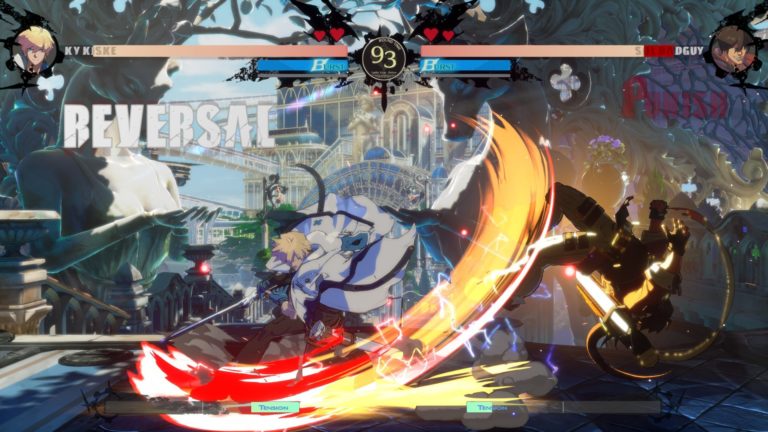
Guilty Gear Strike players have had a rough time with the multiplayer aspect of the game.
Guilty Gear Strike launched with cross-gen play for players with the same brand of consoles, so anyone with a PlayStation 4 could play with players who owned PlayStation 5s and the same for Xbox. The lack of cross-play is pretty rare since most games released in the past few years have been released with cross-play. But players always suspected that the game would eventually receive an update that added the feature.
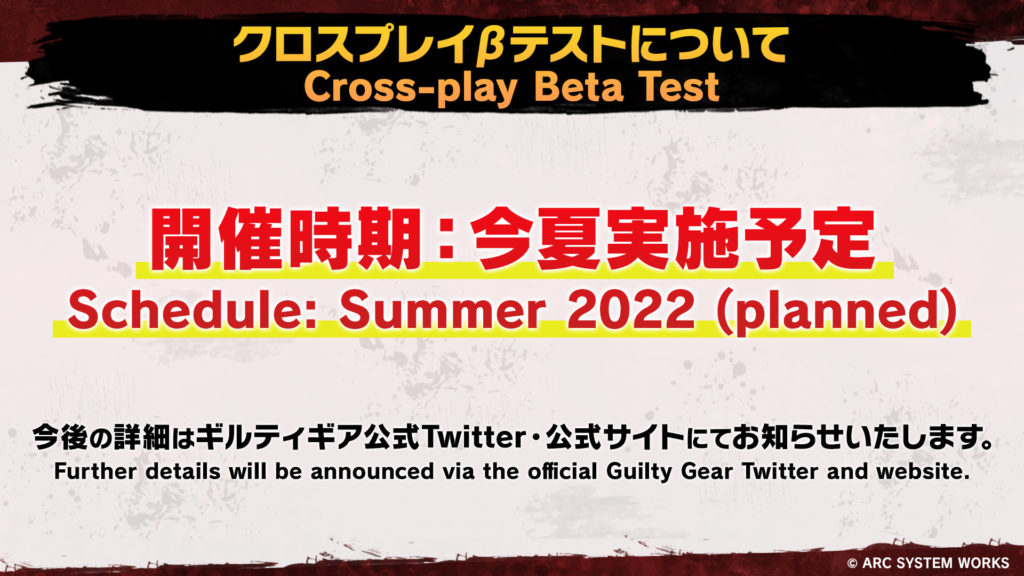
Several mixed messages have been sent out by the developer, which may be confusing if you haven’t kept up with them all. There have been a lot of cross-play rumours, especially this year when the developer’s promised date for cross-play nearly passed. Many players have assumed that cross-play will begin soon since it was supposed to be tested in the summer, but there has been no word on exactly when it will begin.
Does Guilty Gear Strike have cross-play?
Nope, Guilty Gear Strike does not have cross-play. The developer has made many promises that it will eventually come and has even started working to implement a beta, but it is currently unavailable to players. There is still cross-gen, which allows players to play with anyone who owns the same console brand as they do.
For those waiting on cross-play for a future Epic Games release, we wouldn’t keep our hopes up. Usually, the Epic Games servers of a game aren’t the same as the Steam servers, and if there is no cross-play for consoles, there is usually no cross-play for PC players.
Will there eventually be cross-play in Guilty Gear Strike?
Image via Arc System Works
The developer of Guilty Gear StrikeArc System Works, tweeted in May that fans would receive more information about the game’s future. Even with no information on cross-play, the company was still sure that it would bring in some new features in the summer, along with the cross-play test. It is still summer and the test hasn’t taken place yet. Arc System Works, however, announced it was working on season two of Guilty Gear Strike at the Arcevo Finals. Season two will be released on Aug. 9, 2022.
So as far as we know, the cross-play feature could come to Guilty Gear Strike very soon as a beta. Unfortunately, beta tests are normally very contained and are only available for certain periods to different players. Eventually, the beta period will end and players most likely won’t be able to access it again until it’s ready.
We wouldn’t expect to be able to play Guilty Gear Strive’s cross-play until 2023 at the earliest due to how long it’s taking to implement a beta.
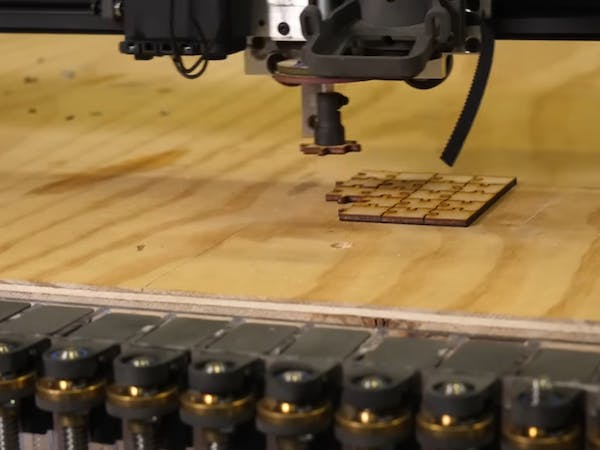
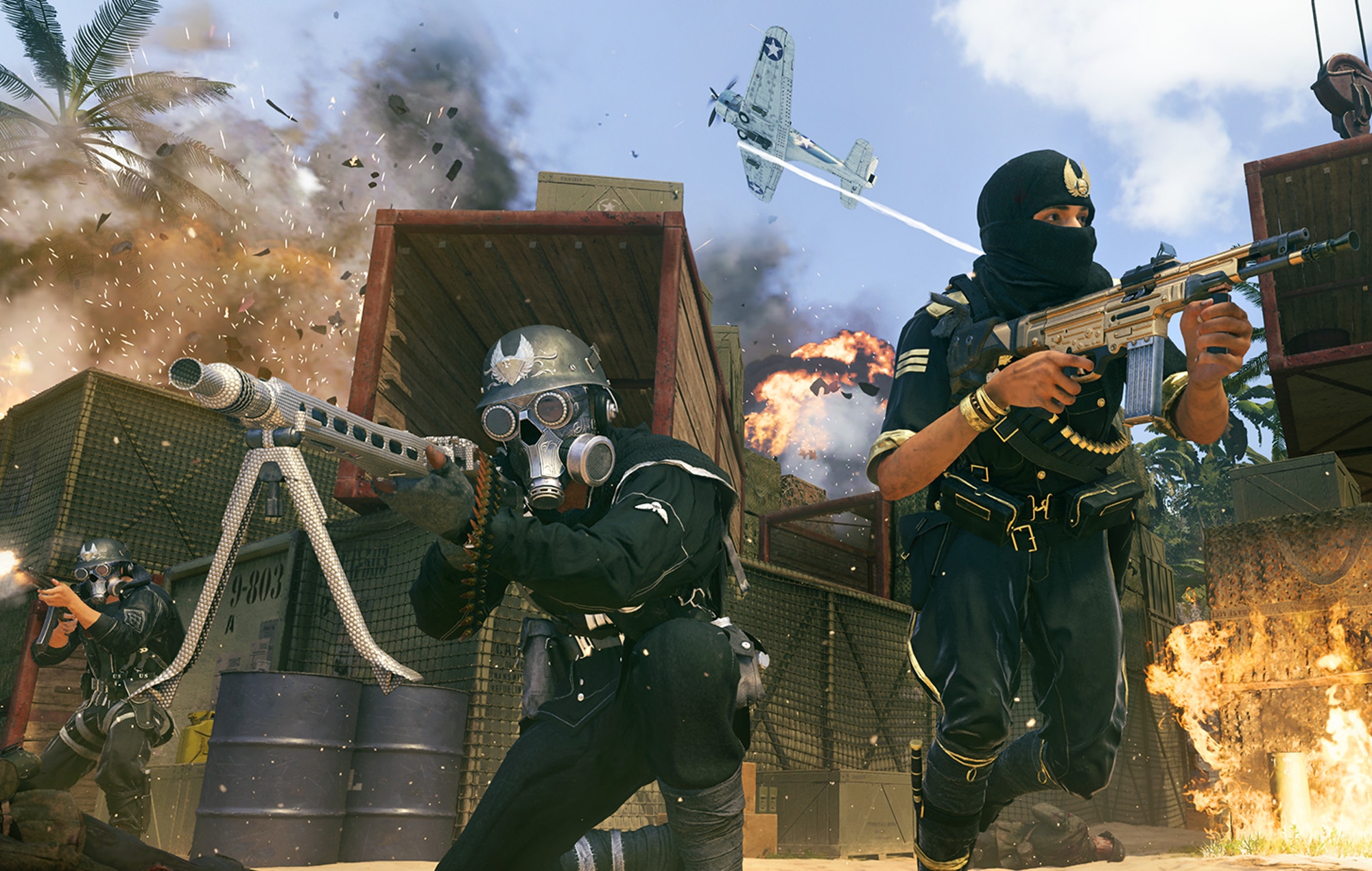


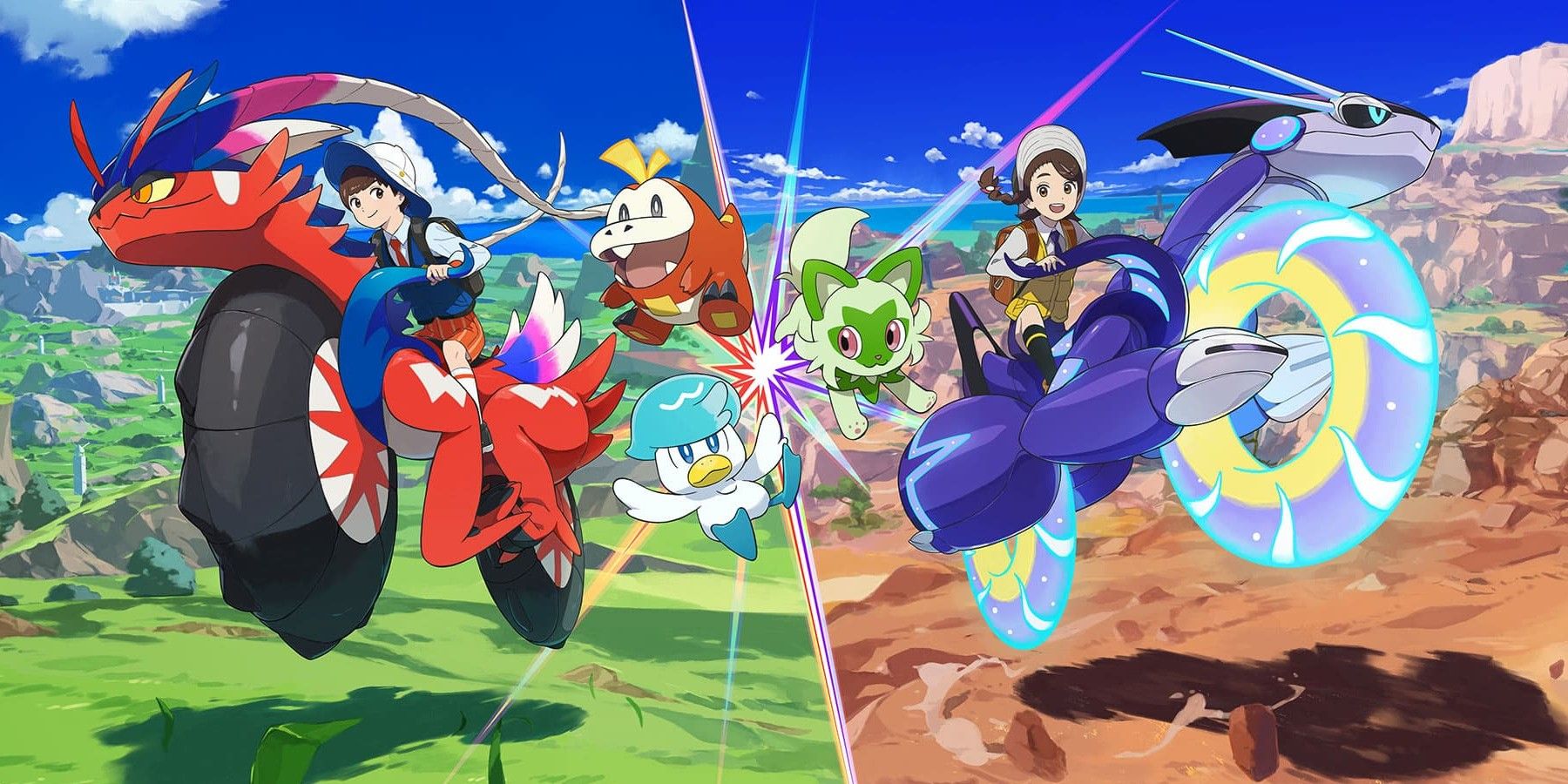
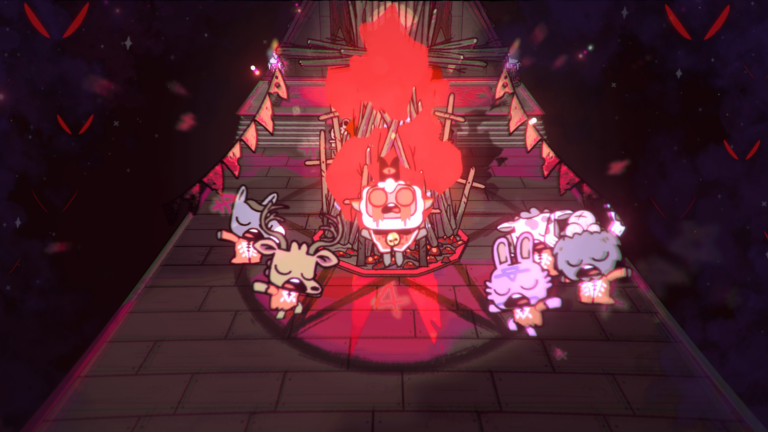

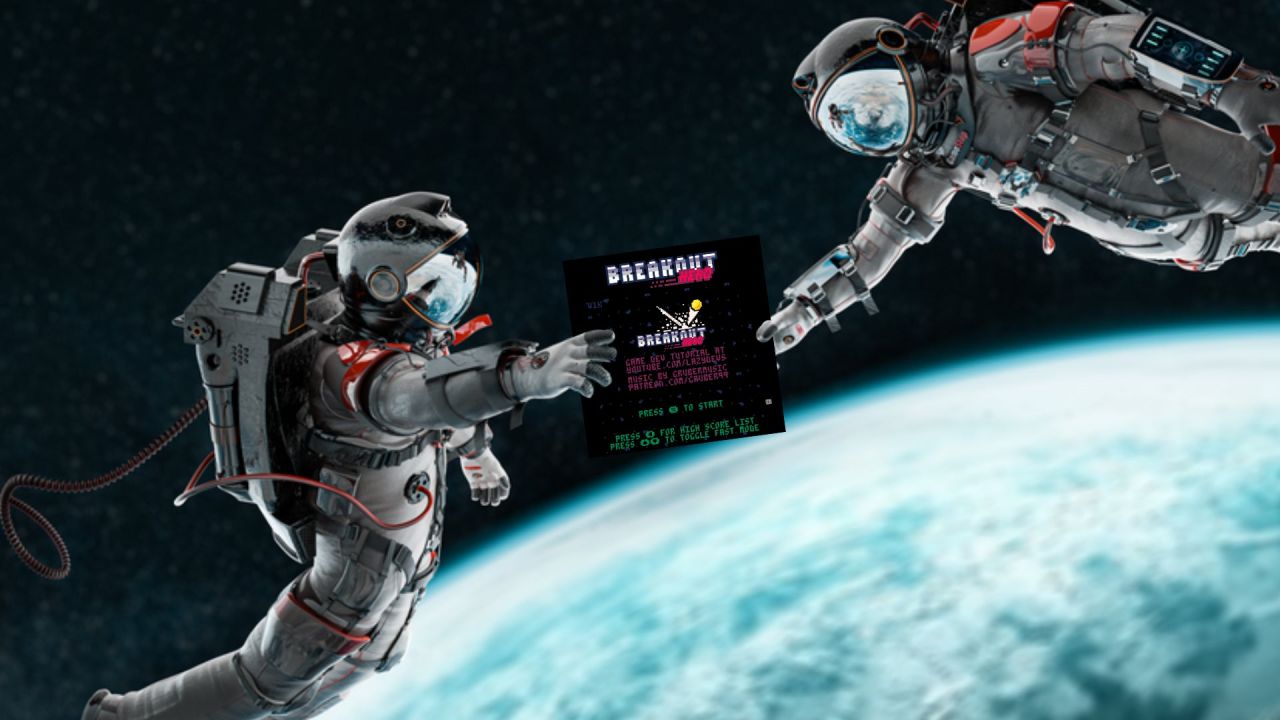
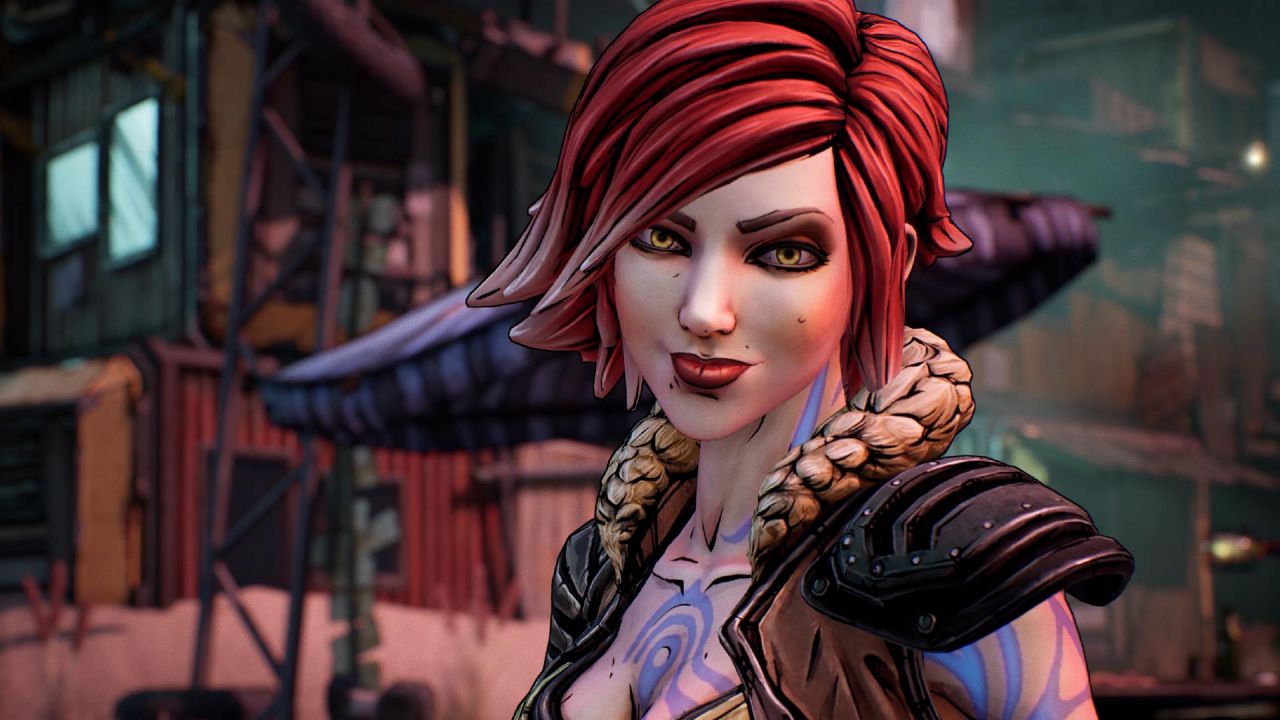
 Image: Gearbox
 Image: Gearbox
 Screenshot: Gearbox
 Image: Gearbox
 Screenshot: Gearbox