History is dotted with examples of how new technologies have unseated industry leaders, and ASX lithium shares might be next to face- this risk.
the Graphene Manufacturing Group Ltd (CVE: GMG) claims its batteries are better than its lithium-ion competitors.
The Brisbane company, which is listed on the TSX Venture exchange in Canada, says its graphene aluminum-ion batteries can charge 70 times faster and are longer lasting, reported the Australian Financial Review.
Graphene vs. lithium batteries
The new batteries are also believed to be kinder to the environment than the lithium-based incumbents, which use rare earths. The mining and processing of rare earths has created controversy due to the amount of pollution generated.
Graphene Manufacturing Group’s founder and managing director Craig Nicol says that his battery is almost net zero. He also pointed out that his battery is less prone to fires compared to the lithium powered ones.
Are ASX lithium shares facing a graphene shock?
ASX lithium shares are market darlings due to surging demand for electric vehicles that are powered by lithium-ion batteries. But sentiment could turn against the sector if graphene aluminum-ion batteries prove to be a better substitute.
So far investors seem unperturbed. the Allkem Ltd (ASX: AKE) share price, Pilbara Minerals Ltd (ASX: PLS) share price and IGO Ltd (ASX: IGO) share price are sitting on 20% plus gains each over the past year.
In contrast, the S&P/ASX 200 Index (ASX:XJO) has slumped around 8% into the red. Lithium, nickel and copper are regarded as the metals of the future due to the global electrification trend.
The snubbed $8.3 billion bid for OZ Minerals Limited (ASX: OZL) by BHP Group Ltd (ASX: BHP) will further bolster sentiment towards battery metal miners, like ASX lithium shares.
What’s powering GMG’s batteries
The Graphene Manufacturing Group (GMG) has an informal partnership with Rio Tinto Limited (ASX: RIO). GMG will integrate some of its energy-saving products into Rio Tinto’s operations, while the mining giant will supply GMG with aluminum needed to manufacture the batteries.
GMG developed a way to extract graphene from gas as opposed to the more costly way of extracting it from graphite. The company also has the exclusive license from the University of Queensland for technology used in battery cathodes.
The technology uses nanotechnology to insert aluminum ions inside GMG’s graphene platelets, reported the AFR. This allows GMG to make a denser battery that holds more charge.
Time to sell your ASX lithium shares?
Graphene is a form of carbon consisting of a single layer of atoms arranged in a two-dimensional honeycomb lattice nanostructure.
While it’s too early to say if this material can displace lithium, which is ubiquitously used in almost all batteries, investors in ASX lithium shares should keep a close eye on this development.
Apple has reportedly signed a deal with podcast producer Futuro Studios to help it fund the development and production of future podcasts, Bloomberg reports. In return for its Future deal, Apple gets first refusal on the rights to turn any resulting podcasts into a film or TV show. It has already produced TV shows based on the podcasts WeCrashed and The Shrink Next Door.
Long-form podcasts have emerged as a rich source of inspiration for TV shows at a time when streaming services are more desperate than ever for original content. Hulu’s The Dropout was based on an ABC News podcast of the same name, and the streaming service is also reportedly adapting the podcast Wind of Change into a TV show.
Apple has publicly announced podcasts with several studies in recent months, including At Will Media (for Wild Things: Siegfried & Roy), Campside Media (Run, Bambi, Run), Jigsaw Productions (The Line), and Pineapple Street Studios (Project Unabom), in a series of deals that have reportedly seen it spend up to $10 million.
Apple’s podcasting deals have been lead by its Apple TV division, while its current podcasting unit has reportedly avoided investing in specific titles so as to appear as a “neutral platform.” Apple and Futuro declined to comment to Bloomberg on its report, and did not immediately respond to TheVerge‘s request for comment.
Despite rolling out support for podcast subscriptions last year, Apple’s existing audio releases suggest that its priorities are less about making money on its shows directly. Instead, it appears to be using them to benefit other parts of its business, either as a source for future TV and film adaptations or, in the case of companion podcasts for The Problem with Jon Stewart and For All Mankindto use them as promotional tie-ins.
In contrast, competitor Spotify’s investment in The Joe Rogan Experience podcast involved making the show exclusive to its platform in an attempt to drive new listeners to Spotify. Amazon has also signed deals for podcasts including My Favorite Murder and How I Built This that involve exclusivity windows.
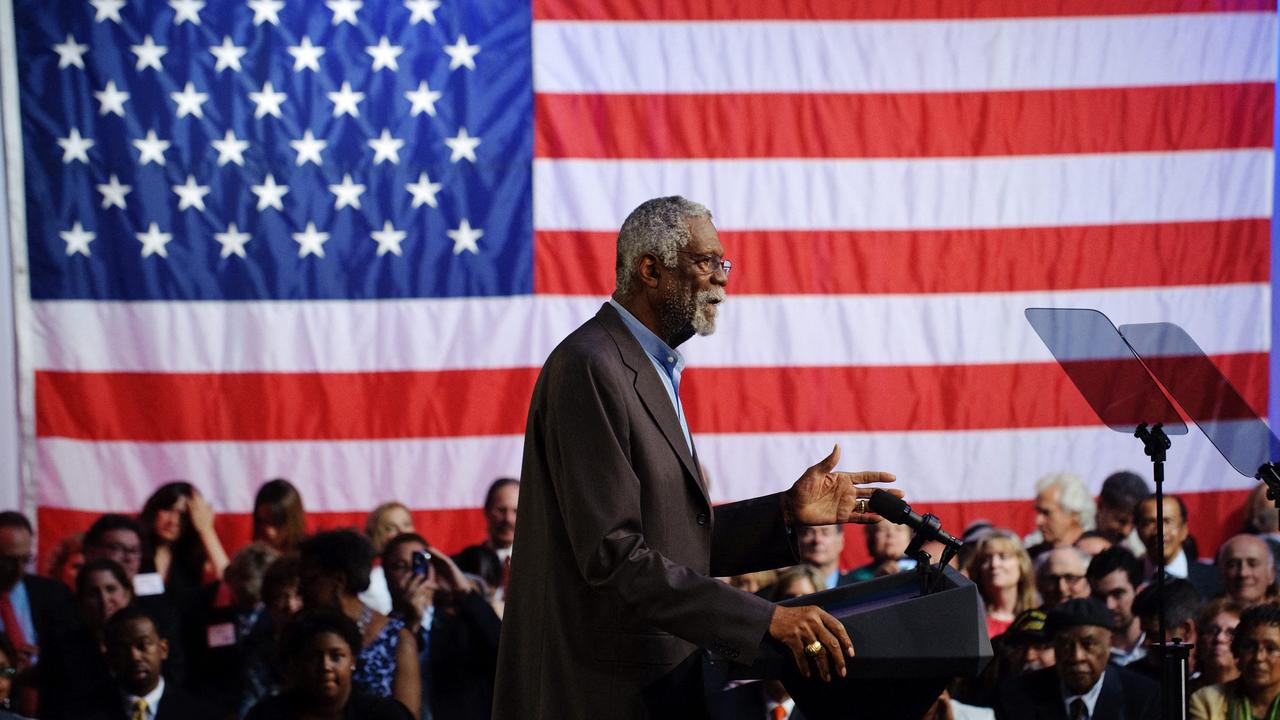
The NBA will honor Celtics great and civil rights activist Bill Russell by retiring his No. 6 jersey throughout the league, making him the first player to receive the honor.
A patch commemorating the 11-time champion will be worn on the right shoulder of player jerseys and a shamrock-shaped logo with the No. 6 on courts will be used across the league as well for the 2022-23 season, the NBA and the National Basketball Players Association said on Thursday.
Watch Live & Free Coverage of The 2022 NBL1 Championship Season on Kayo Freebies. Join now, no credit card required >
“Bill Russell’s unparalleled success on the court and pioneering civil rights activism deserve to be honored in a unique and historic way,” NBA commissioner Adam Silver said in a statement.
“Permanently retiring his No. 6 across every NBA team ensures that Bill’s transcendent career will always be recognised.”
Russell, the cornerstone of a Boston Celtics dynasty that won 11 NBA titles and a powerful voice for social justice during and after his career, died on July 31 at the age of 88.
US President Joe Biden and former President Barack Obama — who awarded Russell the Presidential Medal of Freedom in 2011 — were among those who paid tribute to Russell’s contributions on and off the court.
NBPA executive director Tamika Tremaglio said the union was proud to support the “momentous honor” of retiring Russell’s jersey.
“Bill’s actions on and off the court throughout the course of his life helped to shape generations of players for the better and for that, we are forever grateful,” Tremaglio said.
Russell wore the No. 6 for his entire 13-season career from 1956-69. It will not be issued again by any NBA team to any player, although players who currently wear No. 6 — a group that includes Los Angeles Lakers star LeBron James and the Washington Wizards’ Kristaps Porzingis — can retain it.
The NBA said the Celtics plan to “separate and unique recognition” for Russell on their uniforms, which will be revealed at a later date.
While the league-wide jersey retirement is a first for the NBA, it has happened in other North American leagues.
Major-league Baseball permanently retired No. 42 in 1997 in honor of Jackie Robinson, who broke the big leagues’ color barrier.
The NHL said upon Wayne Gretzky’s retirement in 1999 that his No. 99 would be retired league-wide.
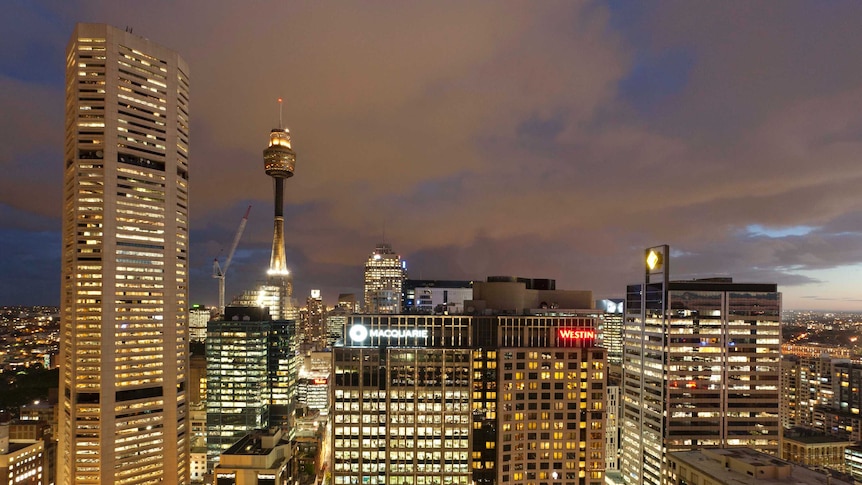
The early days of the COVID-19 pandemic triggered a mass exodus of workers from central business district (CBD) offices — but, from this, came a new, hybrid work model that accommodated for employees’ unique needs.
While remote work remains the preference for many, some offices have struggled to convince their staff to make the trek back into central business districts and, experts say, it has come at a cost to newcomers.
In almost every major Australian city, during the month of June, new data from the Property Council of Australia shows commercial occupancy rates fell.
That rate is the measure of the area of rented space compared to area of total space available.
Melbourne’s commercial occupancy rate dropped from 49 per cent to 38 per cent, while Sydney’s fell from 55 per cent to 52 per cent.
Brisbane’s fell from 64 per cent to 53 per cent, while Adelaide’s dropped from 71 per cent to 64 per cent.
The only markets to record an increase in commercial occupancy were Canberra and Perth, where the rate rose from 53 per cent to 61 per cent and 65 per cent to 71 per cent, respectively.
Is working from home to blame?
The main culprit, according to the Property Council’s chief executive, Ken Morrison, is illness.
Mr Morrison said the results were disappointing, but not surprising.
“Office occupancy numbers have gone backwards for the first time in six months as a wave of [COVID-19’s] Omicron and flu cases kept workers away from the office,” he said.
Ken Morrison says illness likely triggered the fall in occupancy rates.(Supplied: Property Council of Australia)
“We have been seeing a steady increase in the number of workers returning to offices, but this stalled in June and has now declined in most capitals.
With winter nearly over, he said, it was encouraging that the latest COVID-19 wave had nearly run its course and that “recovery momentum can resume.”
Remote work not a ‘zero-cost exercise’
When occupancy rates drop off, small businesses, such as cafes, can miss out on a vital revenue stream.
Mr Morrison said governments needed to be mindful that encouraging people to work from home was not a “zero-cost exercise”.
“The costs are real and we see them in the vibrancy of our CBDs,” he said.
“We know office occupancy has been slow to recover, unlike other indicators, which snap back quickly.”
Are falling occupancy rates here to stay?
Tom Broderick — who heads up CBRE’s capital markets research — doesn’t think so.
“I think this appears to be a bit of a blip, with these most recent figures,” he said.
Tom Broderick says having fewer people in offices makes it harder to collaborate. (Supplied: Tom Broderick )
The July survey found the preference for greater flexibility, including working from home, was a better driver of occupancy levels, but this decreased from 63 per cent to 48 per cent.
Health concerns surrounding the latest COVID-19 wave were also a major influence on the data.
Mr Broderick said there could have been a simpler explanation: holidays.
“A lot of people in Melbourne and Sydney hadn’t been able to travel in 2020 and 2021,” he said.
“We’ve seen a lot of people take advantage of that by going away in July, so that has an impact on occupancy as well.”
While business leaders “absolutely” embraced hybrid work arrangements — leaning into platforms like Zoom and Teams to communicate remotely — Mr Broderick said having fewer people in offices meant “collaboration just falls apart.”
“Younger graduates do need to learn by osmosis,” he said, suggesting they need to overhear and watch senior people doing their work.
“And that’s lost when such a significant portion of people work from home.
“For the people who are making the effort to come to the office, is it really worth it when there’s only 20 to 30 per cent of your team actually in the office?”
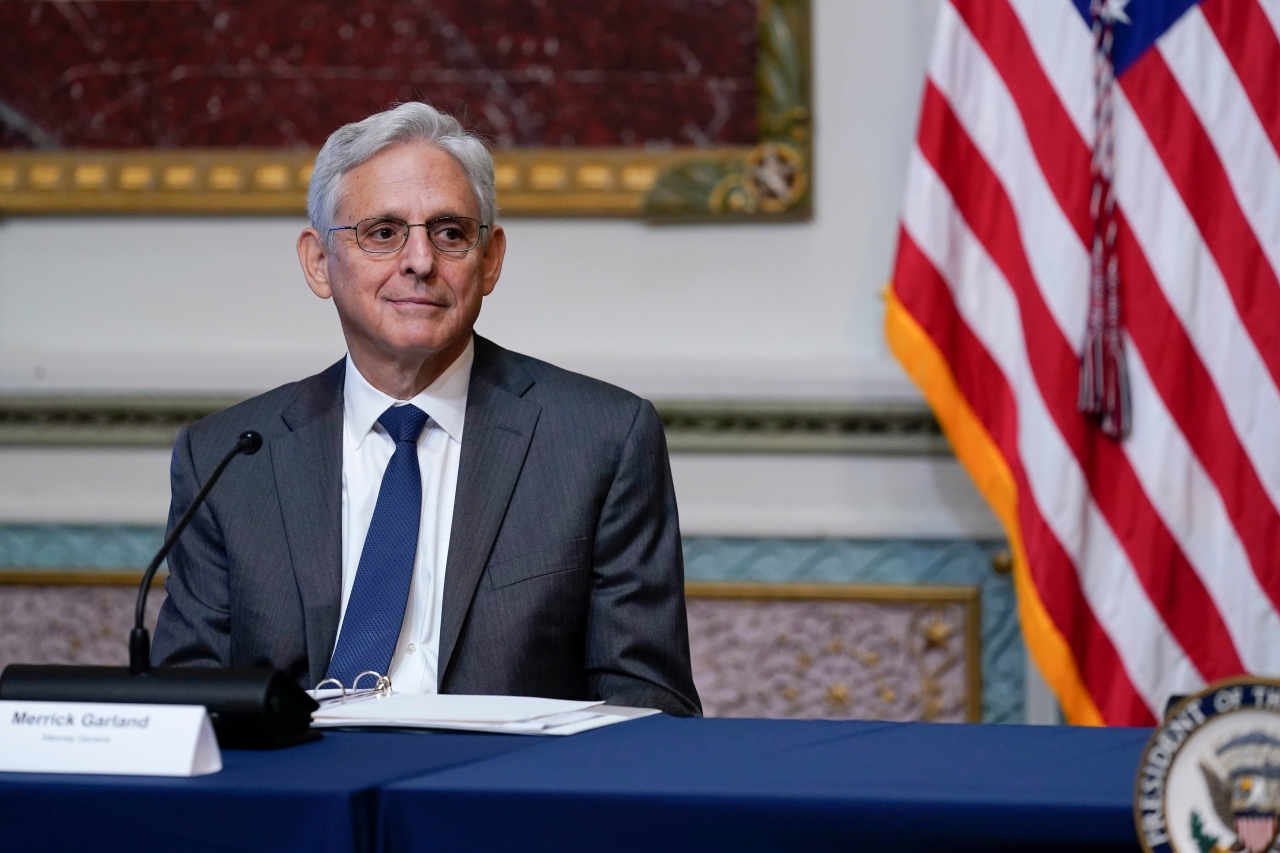
Attoney General Merrick Garland is set to deliver a statement to the press on Thursday afternoon from the Department of Justice.
Garland has been under pressure to speak about the FBI’s search of former President Trump’s Mar-a-Lago home on Monday.
It is not clear if Garland will discuss the matter on Thursday. The Department of Justice did not indicate the subject to be addressed by the attorney general.
It is standard practice for the agency to not publicly reveal details about ongoing investigations.
The search at Trump’s home is believed to be related to classified material that the National Archives and Records Administration believed had been improperly taken by Trump.
Republicans have widely condemned the FBI’s search, accusing it of being politically motivated.
The White House has said President Biden had no knowledge the search was going to take place.
The New York Times earlier Thursday reported that Trump had been subpoenaed this spring for the documents.
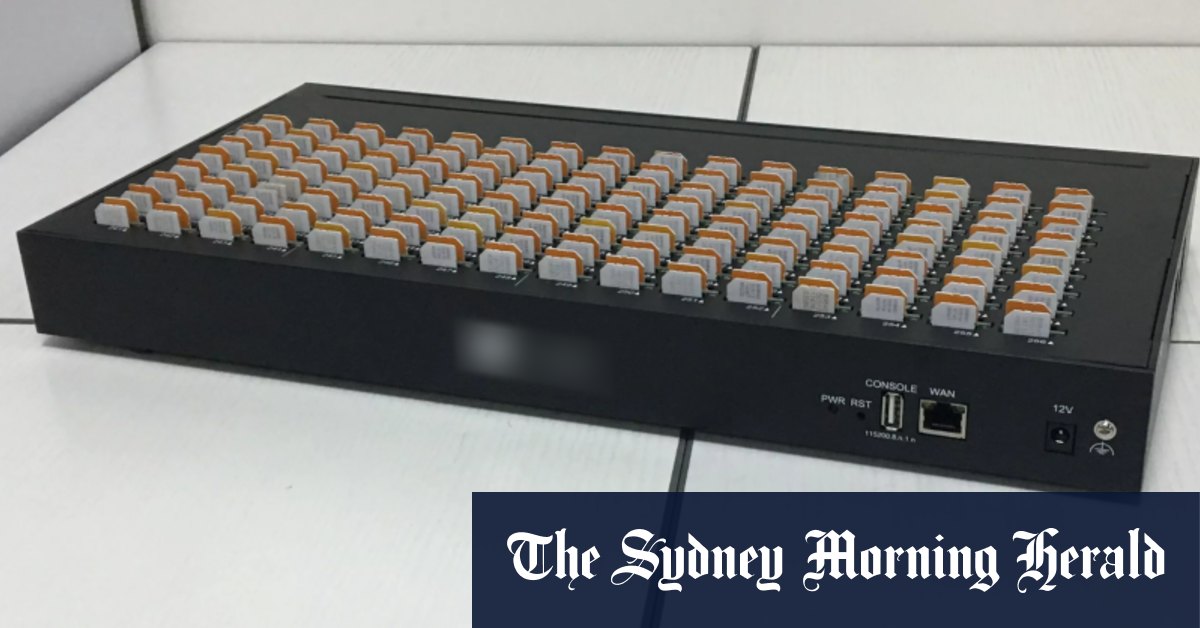
Officers also seized multiple mobile phones, an encrypted desktop computer and a Huawei internet dongle, which they allege was used in the scam.
Salopek, 30, did not apply for bail in Downing Center Local Court on Thursday after he was charged on Wednesday with a string of offenses in connection to the alleged fraud. His co-accused of him, Jay McCrea, 39, remains before the courts.
“Our cybercrime investigators [are] continuing to identify victims and piece together the extent of the fraud,” Marden said. A spokesperson for the AFP said the total losses “are in the hundreds of thousands of dollars”. Investigations are ongoing, and further arrests have not been ruled out.
Cybercrime expert Simon Smith said large-scale SIM boxes were “quite alarming”, in that “it’s very easy to get a temporary throw-away SIM or a hundred” and write a few lines of code to generate a swath of phone numbers for the device to target.
Smith said people were easily tricked by SMS scams because there is no way to differentiate between a legitimate number and one used by a scammer.
His only advice is emphatic: “Don’t bloody click on any links.”
Instead, if people receive a text message about a security issue or any other problem, they should contact the bank or other institution separately.
Smith said people “love convenience”, which is what helps scammers. “It’s so much more convenient later on to not have to go chasing your identity and change all your details.”
The AFP said anyone who believes they may be a victim of a phishing scam, or notice any discrepancies in their bank accounts, should contact the bank and report the issue to the AFP’s Report Cyber website.
The Morning Edition newsletter is our guide to the day’s most important and interesting stories, analysis and insights. Sign up here.
According to documents filed with Brazil’s national competition regulator, Microsoft has claimed that Sony has paid “blocking rights” to developers to prevent their games from being added to Xbox Game Pass. As part of the regulator’s review of Microsoft’s proposed acquisition of Activision Blizzard, the company alleged that Sony had “hampered” the growth of its Game Pass subscription service with its business practices.
“Microsoft’s ability to continue expanding Game Pass has been hampered by Sony’s desire to inhibit such growth,” Microsoft claimed in its translated filing (via The Verge) to the Administrative Council for Economic Defense. “Sony pays for ‘blocking rights’ to prevent developers from adding content to Game Pass and other competing subscription services.”
The deal that Microsoft refers to is one that’s common in the industry. Publishing contracts are complex, and with the addition of subscription services such as Game Pass or PS Plus, that adds another layer of complexity to any agreements between studios, publishers, and companies that own platforms such as Xbox and PlayStation. It’s likely not some sinister masterplan by Sony, but business as usual in an industry where timed and console-exclusive deals happen frequently.
Microsoft’s response comes shortly after Sony made its own claim about its users jumping ship to Xbox if Microsoft’s deal to purchase Activision Blizzard, and by extension, the Call of Duty franchise, is completed. Microsoft has disputed that claim, and had also previously indicated that it would continue supporting Call of Duty on PlayStation “beyond the existing agreement” and into the future.
Any existing publishing agreements with PlayStation made by Activision Blizzard, specifically the ones set up for Modern Warfare 2, next year’s Call of Duty: Warzone 2, and a new Call of Duty core release, will still be honored by Microsoft.
The products discussed here were independently chosen by our editors. GameSpot may get a share of the revenue if you buy anything featured on our site.
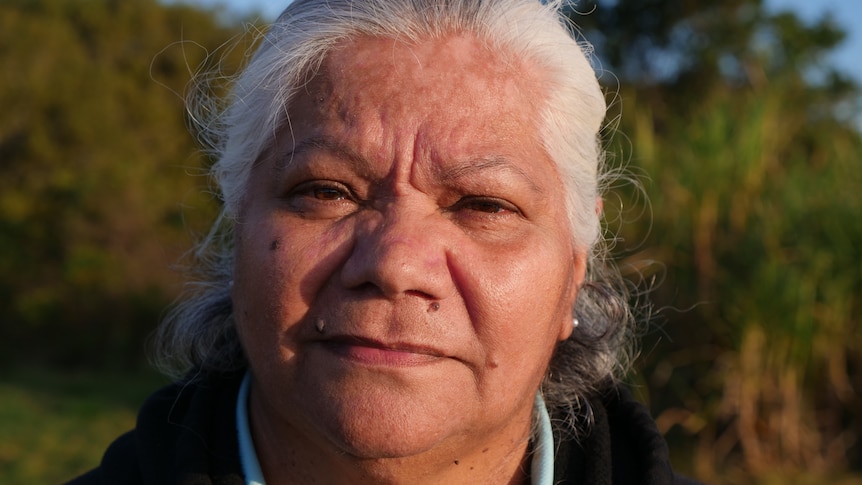
After moving accommodation five times in five months, Nyangbal and Dunghutti woman Teresa Anderson has had enough.
Key points:
Flooding in the Northern Rivers displaced many Indigenous communities
Elders say a disproportionate number of First Nations people are still homeless almost six months on
They say the many in the community are suffering because of it
The elder’s Cabbage Tree Island home, nestled on a flood plain of cane fields in northern New South Wales, was deemed uninhabitable after the February floods.
She has been homeless since.
“I’ve been moved around five times,” she told the ABC.
“We were at the Ramada[hotel] then we went to Brisbane. Then we had to go outside of town.
“It’s taken a toll on my health. I couldn’t even cope, I couldn’t go to work. It just got me really emotional.”
Teresa in front of her grandmother’s house, which is unsafe for occupancy.(ABC NewsEmma Rennie )
Teresa Anderson was in good health before the floods.
But she believes a series of new health issues have been a direct result of the grief and stress of being displaced.
“YO‘I’m struggling,” she said.
As floods devastated Lismore and surrounding towns earlier this year, a sludge of sewage-contaminated water raged down the Richmond River, destroying every home in the Aboriginal community.
Floodwater damage at Cabbage Tree Island. (ABC News: Rani Hayman)
There are 23 homes on the island — with some housing up to 12 people — and at the time every single resident of the 180-strong community was left homeless.
Today, every house is still uninhabitable.
According to the Jali Local Aboriginal Land Council, today, almost six months after the disaster, about 500 of the 1,296 northern New South Wales residents who are still homeless are First Nations people.
“That tells me clearly that we’re disproportionate again in relation to the numbers of people who are homeless,” Widjabul man and Jali Land Council chief executive Chris Binge told the ABC.
Mr Binge said a disproportionate number of the Indigenous community remains homeless.(ABC News: Rani Hayman)
According to Ms Anderson, Indigenous flood victims have been pushed to the back of the line when it came to finding permanent accommodation.
“They are homeless and staying in tents in front of their homes,” she said.
“It’s hard for us to try to get accommodation like rental houses, because once they know it’s an Aboriginal family, they just say, ‘no, I’m sorry, it’s not available.”
Temporary housing plan
The NSW Department of Communities and Justice, the organization responsible for helping flood victims into emergency accommodation, told the ABC in a statement it did not collect data on Indigenous status.
But it said it had assisted “10,676 people into emergency accommodation across the Northern Rivers” since February.
The federal and state governments have promised $70 million for Aboriginal housing solutions for communities across the Northern Rivers.
There are plans for Cabbage Tree Island residents to move to a temporary housing site at the nearby Wardell Recreation Ground.
But according to Resilience NSW the “persistent wet weather has significantly impacted the progress of earthworks”.
Some residents have been told it could be three months before the project is finished, but Resilience NSW have not provided a specific time frame.
The temporary housing site at the nearby Wardell Recreation Ground, which is still in development. (ABC NewsEmma Rennie)
As members of the Cabbage Tree Island communities wait for news on when and if they’ll be able to return home, there are concerns the health and wellbeing of elders is deteriorating.
Nyangbal woman Delia Rhodes, also from Cabbage Tree Island, said not knowing when or if she’ll be able to return home to the country has severely impacted her mental health.
Delia Rhodes just wants to get back to her community.(ABC NewsEmma Rennie)
“I can understand the wider community has been affected, too,” she said.
“But it’s a slow process for us to get us back into housing, into a permanent home. It’s hard work.
AUSTIN (KXAN) — An OnlyFans and Instagram model from Austin who reportedly stabbed her boyfriend to death in Florida was arrested and charged for murder.
Courtney Clenney, also known as Courtney Tailor, was arrested on Wednesday in Hawaii. She is charged with second-degree murder for the April 3 stabbing of 27-year-old Christian “Toby” Obumseli, according to the Hawai’i Police Department. Obumseli was a Texas Tech University alumnus.
The Miami Police Department described Obumseli’s death as a domestic violence incident that involved a fight and ended with a stabbing, NBC reports.
Clenney’s defense lawyer, Frank Prieto, told KXAN’s sister station in Florida she acted in self-defense.
“Obumseli attacked her and choked her that evening; Courtney had no choice but to meet force with force,” Prieto said in a statement to NBC 6. “Further, we are disappointed that the State Attorney sought an arrest warrant in this matter; we have cooperated with the investigation from the beginning with both the State and the City of Miami Police Department. We have always offered to self-surrender if charges were filed in an effort to begin the legal process of clearing her of the charges.”
Clenney is being held at the East Hawai’i Detention Center and is expected to make a first court appearance Thursday, the department said. She will eventually be extradited to Florida.
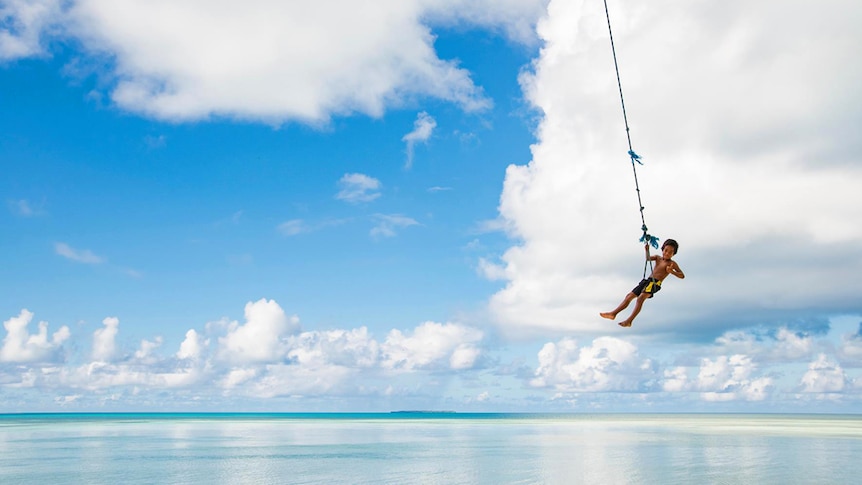
There are 33 islands in Kiribati, a small nation in the central Pacific Ocean. Only 20 of these are inhabited.
Key points:
Residents of several small, relatively poor nations have a large number of Australian bank accounts holding hundreds of millions of dollars
The biggest foreign holdings in Australian financial institutions come from the United States and China
The ATO says there are no more accounts linked to ‘residents’ of uninhabited places such as Antarctica
Yet data released by the Australian Taxation Office (ATO) and found that $682 million in Australian bank accounts belonged to foreign tax residents apparently from Kiribati, up from just $14 million in 2019.
Fewer than 120,000 people inhabit Kiribati and, according to Kiribati’s 2019-2020 Household Income and Expenditure Survey (HIES), the median household income was just $12,000 in 2020.
The nation’s residents are also quite young: the median age of the population is 23 and 35 per cent of the population is under 15 years old.
But the 876 Australian bank accounts apparently held by Kiribati residents had an average balance of almost $800,000.
Kiribati is not the only remote area where people, companies or trusts that hold Australian bank accounts apparently reside.
Tuvalu, with a population of 11,792 in 2020, had 212 accounts registered to “residents” holding $194 million in Australia.
That is an average of more than $900,000 per account, when the Gross Domestic Product (GDP) per person in Tuvalu is around $7,500 per person.
Equatorial Guinea, in central Africa, had 52 accounts registered’ to residents holding $4 million.
Individuals, trusts or companies from the eleven notorious secrecy jurisdictions of Bermuda, Cayman Islands, British Virgin Islands and Jersey hold $6.3 billion in accounts in Australia. On average each of these accounts holds more than $1 million.
Mark Zirnsak notes ‘red flags’ for money laundering and tax evasion.(Supplied: Uniting Church in Australia)
“The latest data of accounts held in Australia from offshore continue to present red flags for money laundering and tax evasion,” according to the Tax Justice Network’s Mark Zirnsak.
Jurisdictions like ‘Antarctica’ generally reported by mistake, says ATO
The data shows that holdings from uninhabited subantarctic Bouvet Island, Heard Island and McDonald Island have now disappeared, which means there are no Australian bank accounts linked to places with penguins but no people.
The previous year’s data for 2019 showed several million dollars held in uninhabited jurisdictions, such as Antarctica and Bouvet Island.
ATO deputy commissioner Hector Thompson said the information the agency received from Australia’s international exchange partners under the Common Reporting Standard (CRS) had assisted in better data matching that allowed them to catch out tax cheats.
The CRS is the single global standard for the collection, reporting and exchange of financial account information on foreign tax residents.
“[It] helps the Tax Avoidance Taskforce to identify, investigate and ensure that foreign-sourced income and assets held in foreign financial accounts by Australian residents are declared,” Mr Thompson said.
The ATO also uses data analytics to detect data anomalies in the CRS data, such as uninhabited jurisdictions.
“Our compliance activities have confirmed jurisdictions such as Antarctica are generally reported by mistake.
“For example, a customer or front-line employee from a financial institution might select Antarctica instead of Australia from a drop-down box when opening an account.”
He said the ATO requires that such mistakes are verified and corrected by the financial institution.
“Data verification steps taken mean that accounts incorrectly reported for Bouvet Island, Heard Island and McDonald Island have been eliminated in the most recent CRS reporting,” he said.
Labor promise to stop money flowing into tax havens
Labor has promised to introduce a “beneficial ownership register” that would make it harder for the people behind companies to hide who they are and what they get up to.
Since the Panama Papers and various other tax leaks there have been calls for governments around the world, including Australia’s, to introduce a register that gives the public free access to the names of people behind companies, trusts, assets and bank accounts.
Mr Zirnsak welcomed Labor’s commitment to a public beneficial ownership register, saying it may help expose who are the people behind companies holding accounts in Australia.
“The government should also strengthen unexplained wealth laws, to be able to seize money shifted into Australia where there is a high likelihood the money has an illicit source,” Mr Zirnsak said.
“The new government should also act on the recommendations made by the recent parliamentary inquiry into money laundering, to reduce the ability of criminals to shift profits from crime into Australia.”
Not all the financial flows are from tax havens
Not all the money flowing into Australian bank accounts was coming from small nations that have few inhabitants.
US resident companies and individuals held $33 billion across more than 588,000 accounts.
Residents of China held $30 billion across more than a million accounts.(ABC News: Steve Wang)
Residents of China held $30 billion across more than a million accounts. And another $15 billion across more than 341,000 accounts was held by people residing in Hong Kong.
Big amounts were also held by residents of the United Kingdom ($14 billion across almost 630,000 accounts), New Zealand ($13.7 billion across almost 511,000 accounts) and Singapore ($13.55 billion across nearly 233,000 accounts).
Overall, the 2020 data released under the common reporting standard (CRS) scheme — the single global standard for the collection, reporting and exchange of financial account information on foreign tax residents — revealed the amount held by foreign tax residents in Australia totaled $186 billion.
Global authorities’ greater exchange of information helps identify tax evaders
The OECD has recently bolstered efforts to track financial flows, with the automated exchange of information on cross-border financial activities.
Data shows that, in 2020, information on more than 75 million financial accounts worldwide covering total assets of around 9 trillion euros was exchanged automatically by 102 jurisdictions.
The data also shows the Automatic Exchange of Financial Account Information in Tax Matters has also helped identify 112 billion euros of additional revenues (including tax, interest and penalties), thanks to voluntary disclosure programs and similar initiatives, as well as offshore investigations.
At least 3 billion euros of these additional tax revenues have been linked directly to the use of the information exchanged.
Mr Thompson said the ATO works closely with other international jurisdictions to catch tax evaders.
“CRS data is exchanged globally using exchange of information agreements with foreign tax authorities,” he said.
“This includes work with the Joint Chiefs of Global Tax Enforcement (J5) and the Joint International Taskforce on Shared Intelligence and Collaboration (JITSIC).”